pioneer
Niger
ramtil
Guizotia abyssinica
- pothohar
- kpk hills
International hardiness
- USDA 9-11
- RHS H2
- AU: Subtropical, Warm temperate, Cool temperate, Mediterranean, Arid / semi-arid
Where it grows — regional guide
| Zones / rating | Regional notes |
|---|---|
USDA 9-11 | Grown as a summer annual for bird seed and oil on free-draining sunny ground. |
| Zones / rating | Regional notes |
|---|---|
H2 (1 to 5C) | No region-specific data yet |
| Zones / rating | Regional notes |
|---|---|
Subtropical, Warm temperate, Cool temperate, Mediterranean, Arid / semi-arid | Grown in warm temperate and subtropical districts as a minor annual oilseed and pollinator forage crop. |
| Zones / rating | Regional notes |
|---|---|
USDA 9-11 (USDA scale) Canada uses its own zone system; Canadian zones run roughly one lower than USDA. | No region-specific data yet |
| Zones / rating | Regional notes |
|---|---|
Pothohar, KPK hills | Pakistan:Grown on rainfed plains and lower slopes as an undemanding summer oilseed, providing bird seed and edible cooking oil. India:Grown across lean, marginal soils as a drought-hardy annual oilseed and pollinator crop. |
Niger (Guizotia abyssinica) is an annual oilseed in the sunflower family, Asteraceae, grown for its small black seeds and the edible oil pressed from them. The genus is native to tropical Africa, and the species itself is indigenous to Ethiopia, where it is a traditional crop of the mid-altitude and highland areas; it is also cultivated through the Eritrean and Ethiopian highlands, elsewhere in East Africa, and in India. For the homesteader, niger is a useful warm-season oilseed that earns its keep three ways: it presses to a clear cooking oil, its seed is a sought-after wild-bird food, and its bright daisy heads draw pollinators.
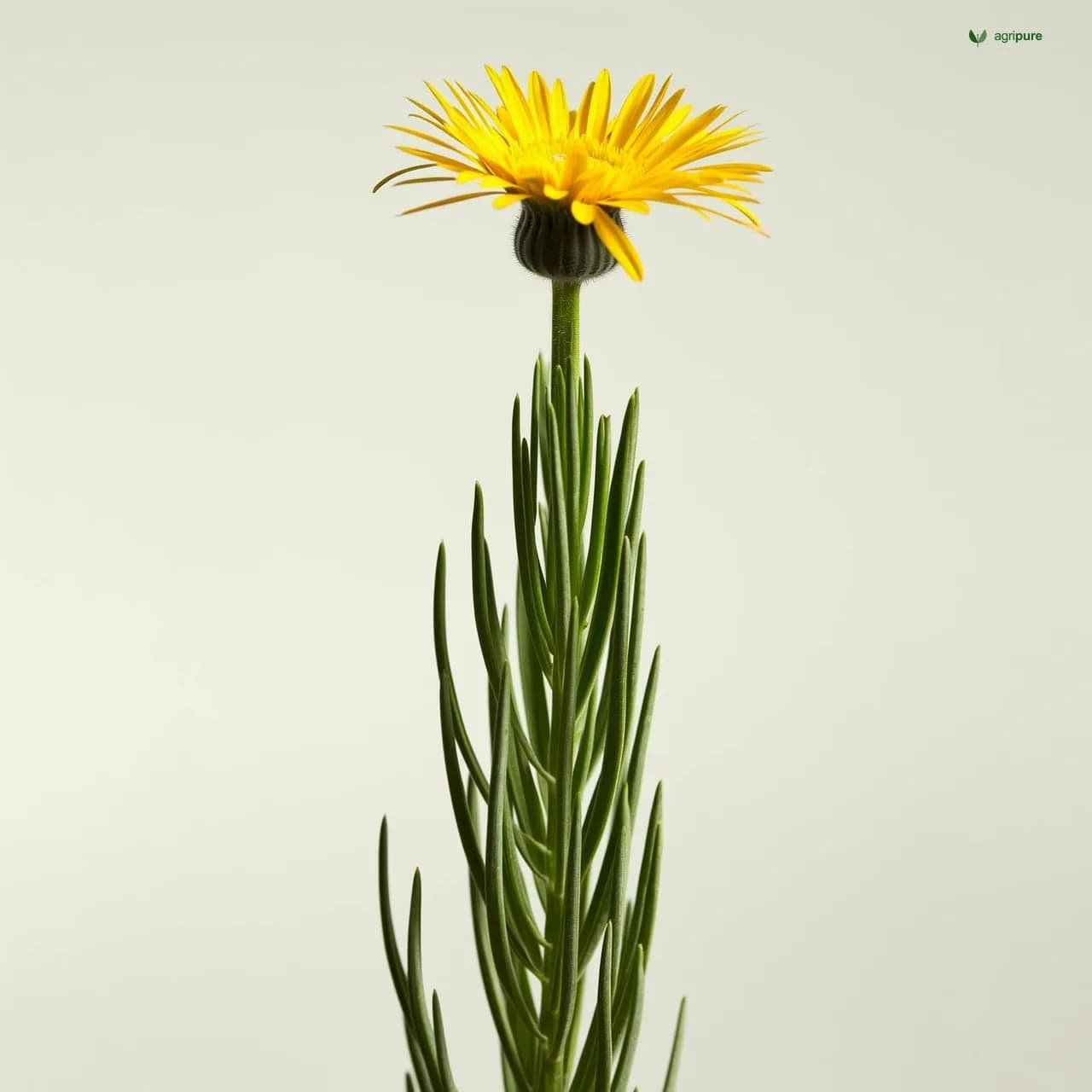
The plant is an erect, stout, branched annual herb, typically knee-high or a little taller, with several branches rising from the stem. It carries simple, opposite leaves and produces yellow, daisy-like composite flower heads that are attractive to pollinators. The seeds it sets are small, shiny, and black, the familiar “niger seed” of bird-food mixes; they run roughly 40 percent oil and about 20 percent protein, and the seed is the part used for oil, food, and feed.
Growing Niger
Niger is grown from seed and is most often established by direct seeding into the field, though it can also be started under cover and transplanted out once the danger of frost has passed. It is a warm-season annual suited to seasonally dry tropical and subtropical climates, and once the root system is established it gets by on very little soil moisture. Importantly, it is a short-day plant: flowering is triggered by shortening daylength, so it does best where days are getting shorter through the latter part of the growing season. In monsoonal Asia, planting toward the end of the rainy season, from about August into early October, lines the crop up with the declining daylength it needs to flower.
Give niger full, direct sun for best growth. It is famously unfussy about ground, which is part of its appeal on marginal land: in Ethiopia it is valued for thriving on waterlogged soils where other crops fail, and it is commonly grown on light, poor, coarse-textured soils and on almost any soil that is not extremely heavy. It grows well across a soil pH band of about 5.2 to 7.3.4 While it tolerates wet ground better than most oilseeds, on soils it is not adapted to it is best to water only as the soil approaches dry and to avoid standing water.
The cited sources give seeding rate rather than precise plant spacing: in trials in northern Thailand, seeding rates ranged from roughly 7.6 to 38 kilograms per hectare (about 6.8 to 33.9 pounds per acre), and home growers adjust in-row spacing to local practice. One caution worth planning around: excess rainfall during seed-set and maturity can cause the heads to shatter and shed seed, lowering yield, so a drier finish to the season is an advantage.
Harvest and uses
Niger is best planted toward the end of the rainy season, and mature seed is typically harvested about three months, roughly 90 days, after planting; some growing notes put the harvest closer to 120 days, when the heads have dried. Because ripe heads shatter readily, timing the cut before the seed sheds matters more than squeezing out the last days of maturity.
The seed’s main value is its oil, at around 40 percent of seed weight, which presses to a clear, light cooking oil; the seed also carries about 20 percent protein. Beyond the kitchen, niger seed is widely traded as wild-bird feed, and the whole crop is a genuine pollinator plant thanks to its abundant yellow composite heads. After the oil is pressed, the leftover seed meal is used as livestock feed, where it is reported to be free of toxic substances.
Safety and cautions
Niger is not known to be toxic to humans or pets, and its seed meal is reported to be free of toxic substances when used as a livestock feed. The seed is eaten and pressed for edible oil in its home range, and there are no toxicity warnings in the sourced material; as with any food, the usual individual-sensitivity and allergy cautions apply. No medicinal claims or dosages are made here, as the sourced research does not support them.
Sources
- Native Plant Trust. “Guizotia abyssinica (niger).” Go Botany.
- CGIAR (CGSpace). “Guizotia abyssinica (niger): genetic resources and crop information.”
- Wikipedia. “Guizotia abyssinica.”
- ECHO Community. “Guizotia abyssinica (Niger) cultivation and uses.”
- Feedipedia. “Niger (Guizotia abyssinica).” INRAE, CIRAD, AFZ and FAO.