support
Camel Thorn
jawasa / unt katara
Alhagi maurorum
Also known as Jawasa (Pakistan).
- punjab plains
- sindh coast
- balochistan highlands
International hardiness
- USDA 6-11
- RHS H5
- AU: Arid / semi-arid, Mediterranean, Warm temperate
Where it grows — regional guide
| Zones / rating | Regional notes |
|---|---|
USDA 6-11 | Regulated as a declared noxious weed across southwestern rangelands; never plant it deliberately, as massive roots resist eradication. |
| Zones / rating | Regional notes |
|---|---|
H5 (-15 to -10C) | No region-specific data yet |
| Zones / rating | Regional notes |
|---|---|
Arid / semi-arid, Mediterranean, Warm temperate | Regulated as a severe invasive weed across arid and dry regions; it must not be deliberately introduced, as deep rhizomes defy eradication. |
| Zones / rating | Regional notes |
|---|---|
USDA 6-11 (USDA scale) Canada uses its own zone system; Canadian zones run roughly one lower than USDA. | No region-specific data yet |
| Zones / rating | Regional notes |
|---|---|
Punjab plains, Sindh coast, Balochistan highlands | Pakistan:An aggressive deep-rooted weed of arid plains and deserts used for camel browse; do not plant it, as established stands cannot be eradicated. India:Present across arid northwestern desert margins where it provides spiny dry-season browse; never plant it due to its invasive, deep rhizomes. |
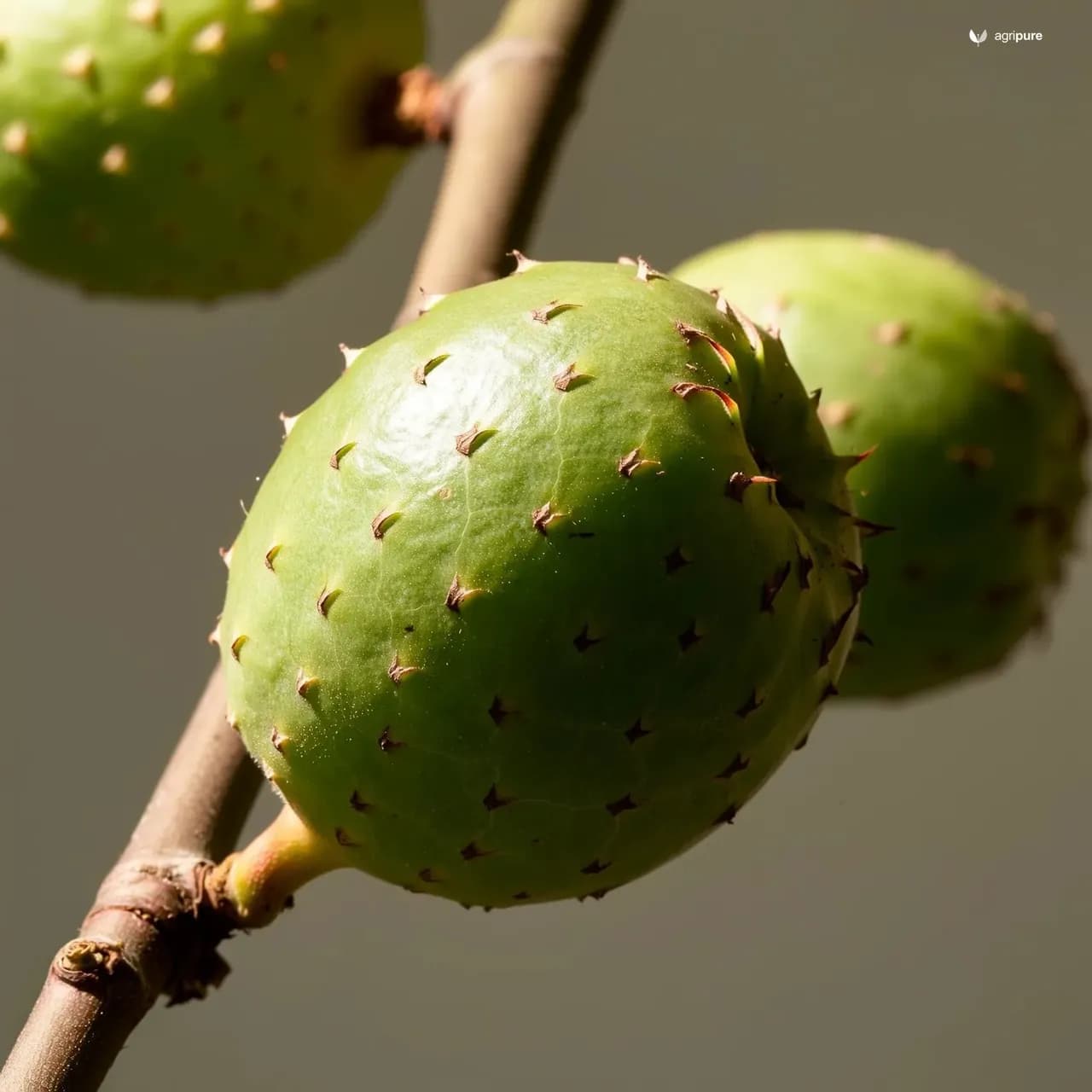
Camel thorn (Alhagi maurorum, locally jawasa or unt katara) is the deep-rooted, spiny legume of arid Punjab, the Thal and Cholistan, the Sindh plains, and the Balochistan margins — a plant most farmers already know as a weed of dry fields. It is genuinely useful: it fixes nitrogen, feeds camels through the dry season, and yields the sweet manna taranjabin. It is also genuinely difficult, and this profile treats both sides honestly.
Where it thrives
It is documented across the water-deficit regions of Punjab, including the Cholistan and Thal deserts, and through the cotton-growing flats of Sindh. A spiny, deep-rooted perennial, it grows from a massive rhizome system that can extend more than 1.8 m into the ground, which is what lets it reach water and survive where shallow-rooted plants fail. It takes full sun, intense heat, drought, and saline or poor soils.
Role in the system
Where it is already present, it works as a support species. It forms root nodules with rhizobia and fixes atmospheric nitrogen, lifting fertility on poor arid soils, while its deep taproot and rhizomes stabilise loose soil and resist erosion. Those same traits are why it is so hard to remove. The honest framing: do not plant camel thorn, but where it has already colonised dry ground, take the nitrogen, soil-holding, browse, and manna it offers rather than fighting a losing battle to clear it.
Grazing value
It is a primary forage for camels, and sheep and goats browse it too, valued for its feed despite the thorns, and it has been trialled as a component of growing-camel diets where it performed as a workable feed. In the dry Thal and Cholistan it is one of the plants keeping herds alive through the season when the grasses have gone. The plant also hosts insects whose honeydew dries into manna, the sweet exudate taranjabin collected off the stems and long used as a traditional sweet and remedy, and the plant itself carries a long record of medicinal use across the region. On true desert margin, where it has come up on its own, it is dry-season feed and a minor cash product that cost nothing to grow.
Cautions
Be clear-eyed: camel thorn is an aggressive invasive. Its extensive root system makes established stands very hard to eradicate, and it is listed as a noxious weed in several US states and regulated as an invasive in Australia and South Africa. It spreads from root fragments and seed and will move into cropland and clean pasture if let. Never introduce it deliberately; only use what is already on the ground, and keep it off irrigated arable land.
Sources
- Wikipedia contributors. “Alhagi maurorum.” Wikipedia.
- CABI. “Alhagi maurorum (camelthorn).” CABI Compendium.
- Salem, A. Z. M., et al. (2022). “The inclusion of Alhagi maurorum in growing camel diet: effect on performance, liver-related blood metabolites, and antioxidant status.” PMC.
Sourcing notes
Almost never deliberately planted — it arrives on its own and is hard to remove. Where it already grows, it can be used in place; do not introduce it to clean ground.