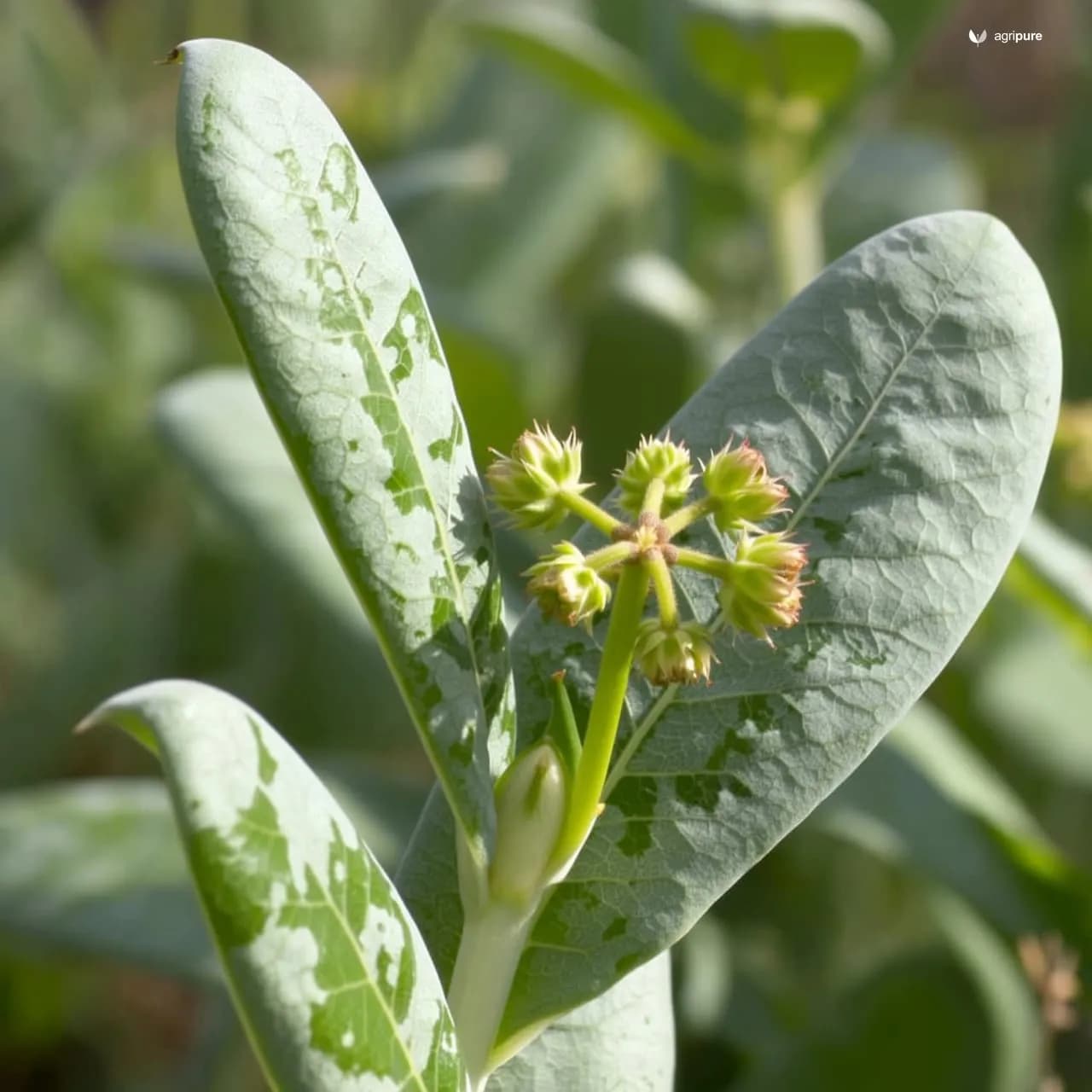
pioneer
Balloon Vine
kanphuti
Cardiospermum halicacabum
Also known as Kanphuti (Pakistan).
- punjab plains
- sindh coast
International hardiness
- USDA 9-11
- RHS H2
- AU: Tropical, Subtropical, Warm temperate
Where it grows — regional guide
| Zones / rating | Regional notes |
|---|---|
USDA 9-11 | Grown in USDA zones 9 to 11; it is a noxious weed that smothers crops, and medicinal use requires professional advice. |
| Zones / rating | Regional notes |
|---|---|
H2 (1 to 5C) | No region-specific data yet |
| Zones / rating | Regional notes |
|---|---|
Tropical, Subtropical, Warm temperate | Grown in subtropical areas; remove pods to prevent weed naturalization, and do not use medically without supervision. |
| Zones / rating | Regional notes |
|---|---|
USDA 9-11 (USDA scale) Canada uses its own zone system; Canadian zones run roughly one lower than USDA. | No region-specific data yet |
| Zones / rating | Regional notes |
|---|---|
Punjab plains, Sindh coast | Pakistan:Grown as a warm-season climber; cut back before capsules ripen to prevent weed escape, and do not self-treat medically. India:Eaten locally as a leafy green; cut vines before pods mature to stop weed spread, and avoid unsupervised medicinal use. |
Balloon vine (Cardiospermum halicacabum) is a fast-growing, herbaceous climbing vine in the soapberry family (Sapindaceae), named for the inflated, papery, balloon-like seed capsules that hang from it.1 It is native to the tropics and subtropics — sources place its range broadly across Africa, Australia, South Asia, and North America, and it now turns up on nearly every continent and in Oceania.13 For a homesteader it is a quick, cheap warm-season climber that doubles as an edible leafy green and a long-used folk medicine, but it carries a real catch: in many regions it has escaped into the wild and is treated as a weed, so it is best grown where you can keep it firmly in check.125
How to identify it
Balloon vine is a perennial, herbaceous climber that can become slightly woody at the base; it twines and scrambles over surrounding plants, fences, and structures.12 Its leaves are alternate and compound, divided into three deeply lobed or toothed leaflets that give the whole plant a light, ferny look.12 The flowers are small and white, only about 3–4 mm across, carried in clusters from the leaf axils, with four petals typical of the soapberry family.1 The clearest field marks come from the fruit and seed: a thin-shelled, inflated, three-angled capsule roughly 1.5–3 cm across, green ripening to brown and papery, with each capsule holding three black seeds.16 Each seed bears a distinct white, heart-shaped scar — the source of the genus name (cardio = heart, sperma = seed).12 Between the balloon-like pods and the heart-marked seeds, the plant is hard to confuse with anything else. In the wild it favours moist thickets, open ground, grasslands, scrubland, roadsides, riverbanks, and other disturbed sites.2
Growing balloon vine
This is a tropical to subtropical species that thrives in warm conditions; the NC State Extension Plant Toolbox lists it for USDA zones 9a–11b, where it can persist as a perennial.2 In colder regions with a long enough warm season it can be grown as a fast warm-season annual, given that frost ends its growth — an inference from its tropical biology rather than a hardiness figure stated in the sources.
- Propagation: Grow it from seed. The plant sets abundant seed inside its papery capsules, which dry and split open at maturity to release the relatively large black seeds.12
- Soil: It is not fussy. Its natural occurrence on open ground, grassland, scrubland, roadsides, waste places, and riverbanks points to tolerance of a wide range of soils as long as drainage is reasonable; no specific pH or fertility needs are documented in the sources.2
- Sun: NC State lists it as suitable for partial shade (about 2–6 hours of direct sun), while its presence in open grounds and grasslands shows it also takes full sun — so full sun to part shade both work.2
- Water: Its typical habitats include moist thickets and riverbanks, which suggests it prefers moderately moist soil rather than drought or waterlogging. No precise irrigation schedule is given in the sources.2
Give it something to climb at planting (a fence, frame, or sturdy neighbour) because it is a vigorous twiner. Exact sowing temperatures, plant spacing, and time to maturity are not consistently documented in the sources used here, so they are left out rather than stated with false precision.
Harvest and uses
Balloon vine has two distinct uses in the sources: it is eaten as a leafy vegetable in parts of India, and it has an extensive record of traditional medicinal use.13 As a fast climber it can also be trained into a screen or barrier, which is simply its vigorous, dense growth on a support put to work.2 No specific yield figures are given in the sources, so none are claimed here. The most reliable signal of harvest readiness for seed is the capsule itself: collect the inflated pods once they brown and turn papery, before they split and scatter their seed.12
Safety and cautions
This profile makes no medical claims, and a few grounded cautions matter before planting.
- Medicinal use needs care: Balloon vine has extensive traditional medicinal use, but the sources are explicit that this use should be approached cautiously and under professional supervision — a long folk record is not the same as a proven, safe treatment, and no part of this page is a recommendation to self-treat.134
- It can become invasive: The plant is widely naturalized as a weed and is a strongly overgrowing climber that can smother and kill native vegetation; it is treated as a noxious weed in parts of the southern and southeastern United States.125 Because it self-sows freely from those balloon capsules, grow it only where you will cut it back before the pods ripen and shed, and pull volunteers — do not let it loose near natural areas.
Sources
- Cardiospermum halicacabum — Wikipedia
- Cardiospermum halicacabum — NC State Extension Gardener Plant Toolbox
- Cardiospermum halicacabum: ethnobotany and pharmacology — PubMed (National Library of Medicine)
- Traditional uses and phytochemistry of Cardiospermum halicacabum — Journal of Ethnopharmacology (ScienceDirect)
- Cardiospermum halicacabum assessment — University of Florida IFAS
- Cardiospermum halicacabum L., balloon vine — USDA PLANTS Database