pioneer
Prophet’s Cucumber (Globe Cucumber)
kachri-jangli
Cucumis prophetarum
Also known as Kachri-jangli (Pakistan).
- sindh coast
- punjab plains
International hardiness
- USDA 9-11
- RHS H2
- AU: Arid / semi-arid, Subtropical
Where it grows — regional guide
| Zones / rating | Regional notes |
|---|---|
USDA 9-11 | No region-specific data yet |
| Zones / rating | Regional notes |
|---|---|
H2 (1 to 5C) | No region-specific data yet |
| Zones / rating | Regional notes |
|---|---|
Arid / semi-arid, Subtropical | No region-specific data yet |
| Zones / rating | Regional notes |
|---|---|
USDA 9-11 (USDA scale) Canada uses its own zone system; Canadian zones run roughly one lower than USDA. | No region-specific data yet |
| Zones / rating | Regional notes |
|---|---|
Sindh coast, Punjab plains | Pakistan:Native scrambling pioneer of dry coastal scrub and plains; the bitter fruits are purgative and should not be eaten as food. India:Pioneer vine of dry northwestern scrub; provides quick ground cover, but the small bitter fruits are purgative and non-edible. |
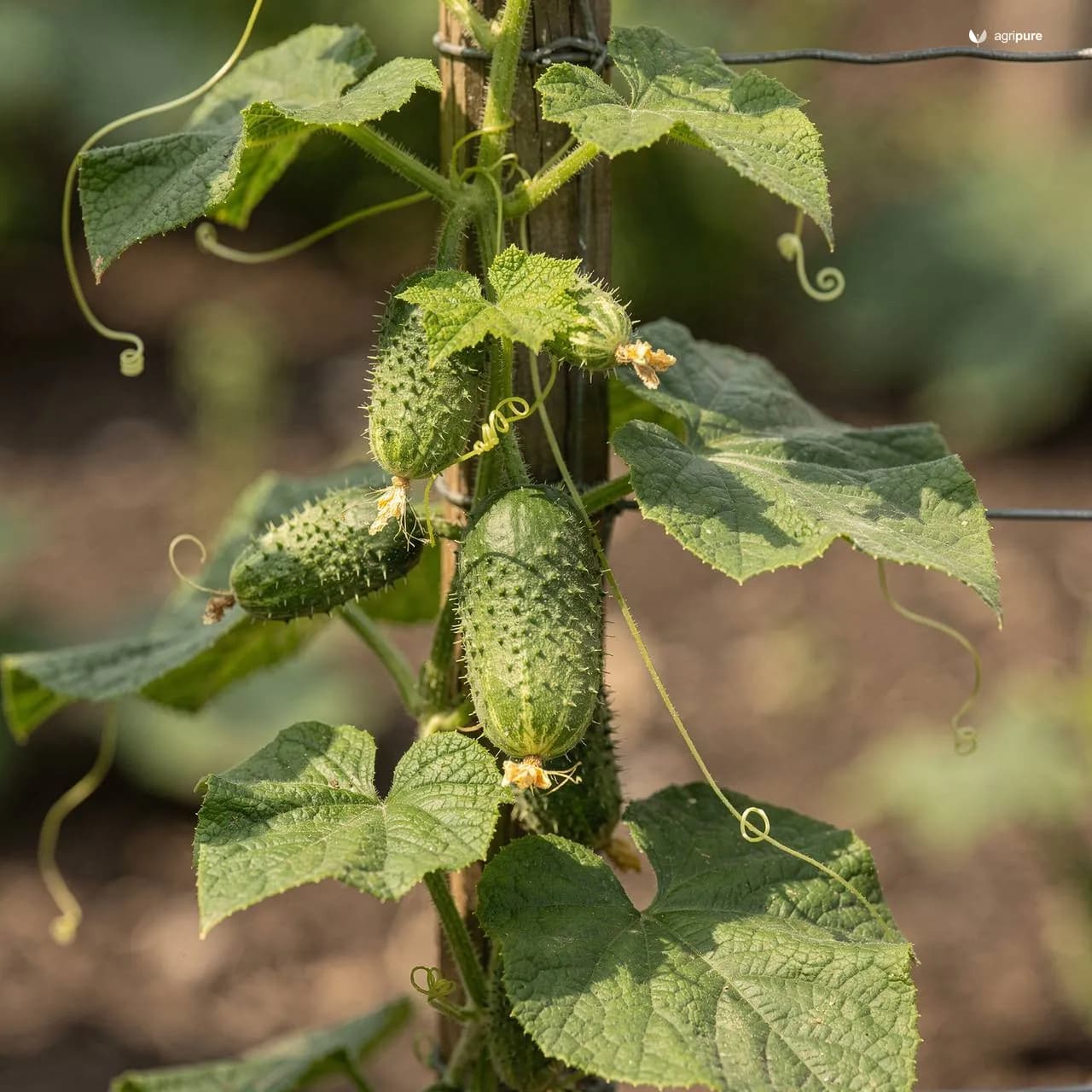
Prophet’s cucumber (Cucumis prophetarum, kachri-jangli) is a native wild cucurbit vine of dry Pakistani scrub, with a slender, rough stem, simple tendrils, and small round fruit. It scrambles over the ground and low cover on hard, seasonally dry land in the coastal Sindh and the Punjab plains zones, where it falls within its native range that runs from Mauritania across the Arabian Peninsula and West Asia to India. On a syntropic site it works as a short-lived pioneer: a quick scrambling cover that fruits early on disturbed ground.
Where it thrives
This is a plant of the seasonally dry tropics. It is a prostrate or climbing herb of dry, open scrub, with a slender, rough stem and short, simple tendrils, growing through the warm plains and coastal dry belt rather than in shade or on wet ground. In Pakistan it is known as a wild cucumber and goes by local names such as kharchvit and kharindroyan. It comes up on broken, sun-baked ground and uses its tendrils to climb over whatever low cover is at hand, behaving as a fast coloniser of disturbed dry sites. Its native range, from Mauritania across the Arabian Peninsula and West Asia to India, is a map of hot, dry country, so the heat and drought of the lower Indus plains are its element rather than a stress.
Role in the system
Treat it as a ground-level pioneer vine. On a bare or disturbed dry plot it scrambles quickly to give light cover, shading the soil surface through the hot season while slower plants establish. Like most cucurbit pioneers it is a short-phase plant rather than a permanent layer: it does its early covering, sets seed, and gives way as the planting fills in and shades the ground it needs. Its value in the design is fast, cheap cover on the kind of hard, dry ground where little else volunteers, not bulk biomass, and because it reseeds itself it returns to any patch that opens up again. Let it run on rough edges and disturbed ground rather than expecting it to hold a permanent place in a closed planting.
Uses
The plant is grown mainly for medicine. The small fruits and especially the roots carry a long traditional record, and that use is backed by laboratory work: root extracts show antibacterial and antioxidant activity, with isolated compounds active against bacterial targets and modelled against bacterial enzymes. Young shoots are eaten in parts of the range, though the fruit is bitter and minor as a food. A caution comes with the family: many wild cucurbits are purgative, the bitterness of this one is a fair warning, so the fruit is a folk remedy used with care and in small amounts rather than a casual edible. Grown for cover and the medicine chest, not the table, it still earns a corner of a dry plot.
Sources
- Pl@ntNet. “Cucumis prophetarum L., wild cucumber.” (Pakistan vernacular names, habit, edible shoots).
- Plants of the World Online. “Cucumis prophetarum L.” Royal Botanic Gardens, Kew (native range, dry tropical habit).
- Al-Yousef, H. M., et al. (2021). “Antibacterial and antioxidant activities of extracts and isolated compounds from the roots of Cucumis prophetarum.” PMC.
Sourcing notes
The small fruits are bitter and the plant is grown chiefly for medicine and cover, not the table; collect seed from wild scrub and treat it as a short pioneer rather than a fruit crop.