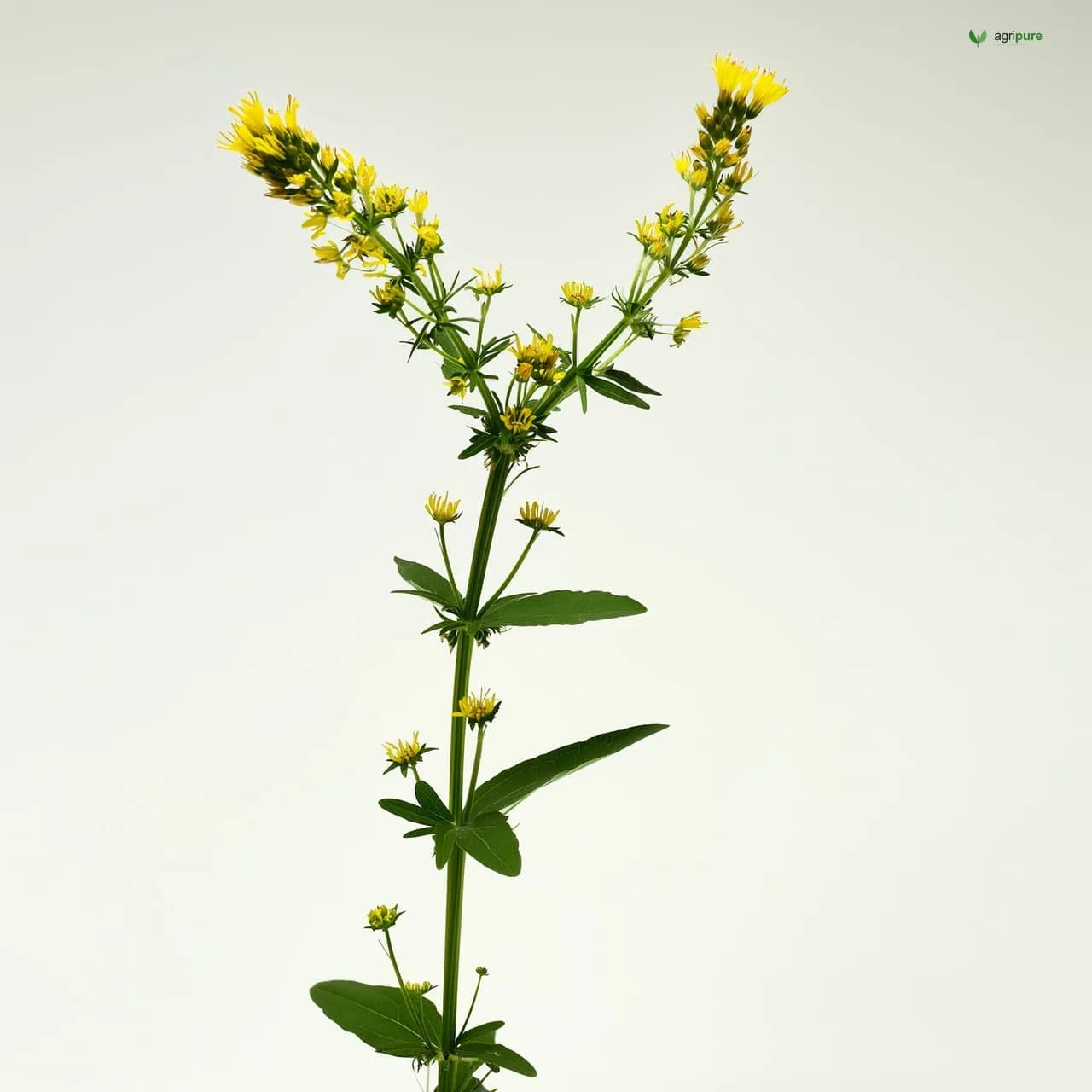
climax
Guava — Lalit
amrood — Lalit (امرود لالت)
Psidium guajava cv. Lalit
- punjab plains
- sindh coast
International hardiness
- USDA 9-11
- RHS H1c
- AU: Tropical, Subtropical, Warm temperate
Where it grows — regional guide
| Zones / rating | Regional notes |
|---|---|
USDA 9-11 | Grown in frost-free USDA zones 9 to 11 or kept in large containers; yields sweet, aromatic pink-fleshed fruit for fresh eating. |
| Zones / rating | Regional notes |
|---|---|
H1c (5 to 10C) | No region-specific data yet |
| Zones / rating | Regional notes |
|---|---|
Tropical, Subtropical, Warm temperate | Suited to frost-free tropical and warm subtropical districts; compact small tree bearing sweet pink dessert guavas. |
| Zones / rating | Regional notes |
|---|---|
USDA 9-11 (USDA scale) Canada uses its own zone system; Canadian zones run roughly one lower than USDA. | No region-specific data yet |
| Zones / rating | Regional notes |
|---|---|
Punjab plains, Sindh coast | Pakistan:Grown in frost-free orchards and home gardens across the plains; produces firm pink-fleshed fruit rich in vitamin C. India:High-yielding pink-fleshed guava cultivar bred for dessert and processing; bears aromatic, vitamin-C-rich fruit in full sun. |
Lalit guava (Psidium guajava cv. ‘Lalit’) is a named pink-fleshed selection of the common guava, an evergreen shrub or small tree in the myrtle family, Myrtaceae. The species is native to the American tropics — sources place its origin in South America, with some extending the native range to Mexico, Central America, and the Caribbean, and one horticultural reference simply listing it as native to Central America. ‘Lalit’ itself is a commercial pink-pulp cultivar, valued and studied as a distinct guava type rather than a generic seedling tree. For a homesteader in a warm climate, the appeal is straightforward: it is a compact, fast-fruiting evergreen that produces sweet, rosy-fleshed fruit good for eating fresh or processing, on a tree small enough to fit a backyard or a mixed orchard guild.
What sets ‘Lalit’ apart from a plain white guava is the fruit. The fruits are oval and on the small side, weighing roughly 185 to 200 grams each, with skin that turns yellow at maturity over pink flesh. They carry a moderate sweetness, with total soluble solids measured at about 9.7 to 10 degrees Brix. Beyond the fruit, the leaves, bark, and flowers of ‘Lalit’ are not separately documented from the species in reliable sources, so they are best described simply as those of common guava: an evergreen shrub or small tree habit typical of P. guajava. Because the cultivar’s defining traits live in the fruit, the pink pulp and yellow skin are the most dependable way to recognise a true ‘Lalit’.
Growing Lalit guava
‘Lalit’ is a tropical-to-subtropical fruit tree. Common guava is cultivated almost worldwide across tropical regions, and a commercial listing for the Lalit plant specifies a tropical to subtropical climate for this cultivar in particular. The retrieved sources do not assign a USDA hardiness zone to ‘Lalit’, and none give explicit zone data even for the species, so no zone number is stated here rather than guessing one. The practical takeaway for growers in cooler climates is that, like the species generally, ‘Lalit’ will not tolerate significant frost and should be treated as a tender tropical-subtropical tree — grown in the ground only in frost-free or near-frost-free areas, and otherwise kept in a container that can be moved under cover for winter.
For sun, the cultivar wants full sunlight, which suits its role as a productive fruiting tree. Because ‘Lalit’ is a named hybrid selection prized for its pink pulp, it is propagated and sold as grafted or rooted nursery plants rather than as seed, which is the reliable way to keep the cultivar’s fruit traits true to type. The sources available here do not document cultivar-specific soil texture, pH, irrigation schedules, plant spacing, or time to maturity for ‘Lalit’; broader guava reviews in the same source set focus on the plant’s nutrition and chemistry rather than its agronomy. Those details are therefore left out rather than stated with false precision. In practice, plant a grafted ‘Lalit’ in a sunny, frost-free spot and manage it as you would any guava grown commercially in standard agricultural soils of the warm tropics and subtropics.
Harvest and uses
‘Lalit’ is grown for its fruit, which is edible and widely used both fresh and processed, in line with the broad food use of common guava. The small, oval, yellow-skinned fruits with sweet pink flesh are the harvest; a ripe fruit shows the mature yellow skin colour that distinguishes it from the green, immature stage. The sources here do not give a per-tree or per-hectare yield figure specific to ‘Lalit’, so none is invented. Beyond the table, guava fruit and leaves contain pharmacologically active compounds, and a comparative study of North Indian guava cultivars specifically analysed ‘Lalit’ for its antioxidant and antimicrobial potential, confirming it as a recognised commercial pink guava with measurable bioactive content. For the homesteader, ‘Lalit’ earns its place as a dependable dual-purpose fruit, eaten fresh off the tree and equally suited to juice, pulp, and other processed products.
Safety and cautions
The fruit of ‘Lalit’ is a normal food crop and is eaten fresh and processed without special restriction. The caution applies specifically to medicinal use of guava: while the leaves and fruit of P. guajava contain pharmacologically active compounds, the sources advise that any medicinal use be approached carefully because of potential drug interactions and limited clinical evidence. This profile makes no medical claim and describes the plant’s bioactive chemistry only as documented in the research; anyone considering guava leaf or fruit preparations for a health purpose, particularly alongside prescription medication, should seek qualified medical advice first.
Sources
- Guava ‘Lalit’ — VNR Nursery
- Psidium guajava L., An Incalculable but Underexplored Food Crop — Molecules (PMC, National Library of Medicine)
- Psidium guajava — Wikipedia
- Lalit Guava Fruit Plant — Beauflora Garden
- Antioxidant and Antimicrobial Potential of North Indian Guava (Psidium guajava) Cultivars — Biointerface Research in Applied Chemistry