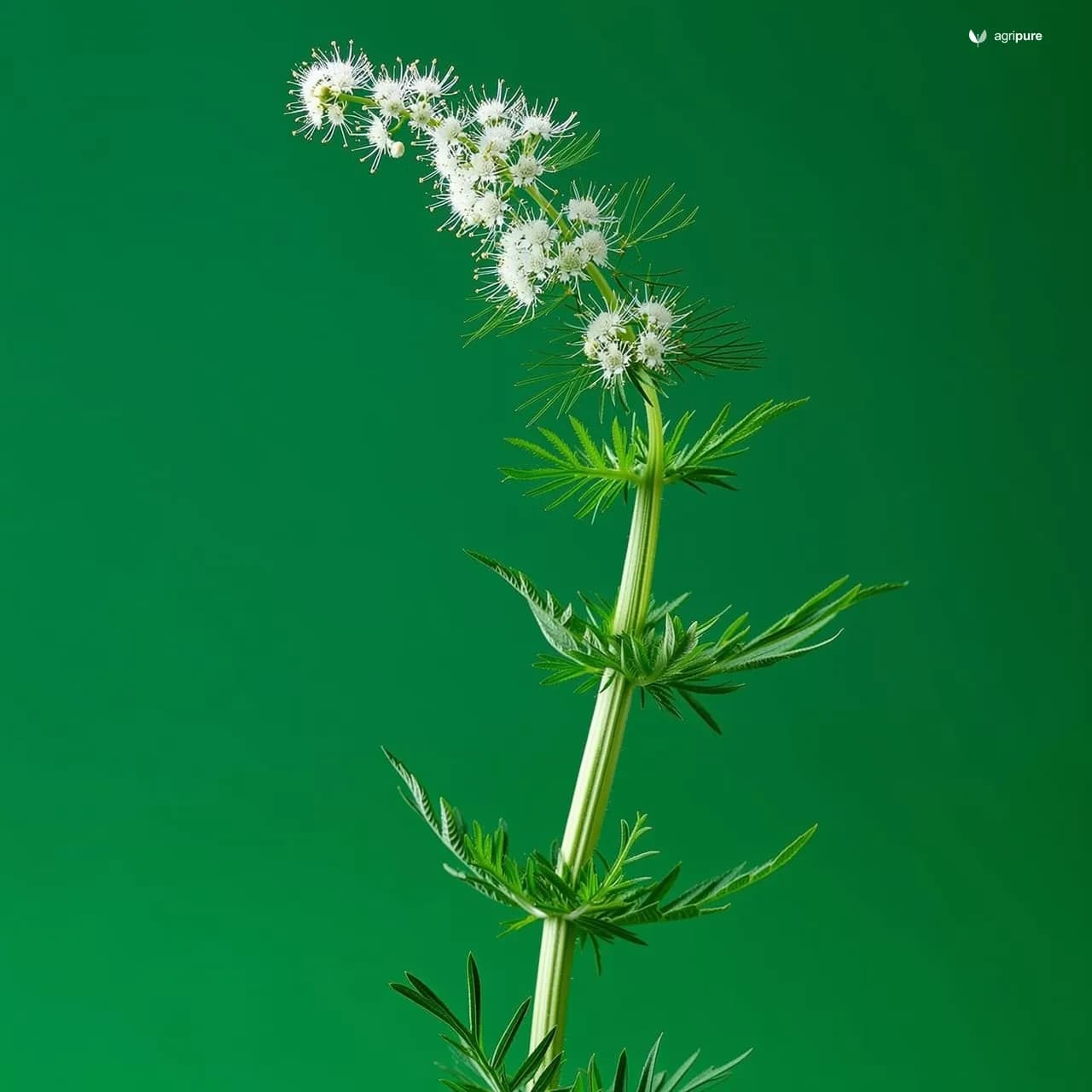
pioneer
Lantana
panch phuli
Lantana camara
Also known as Panch Phuli (Pakistan).
- punjab plains
- pothohar
- kpk hills
International hardiness
- USDA 9-11
- RHS H1c
- AU: Tropical, Subtropical, Warm temperate
Where it grows — regional guide
| Zones / rating | Regional notes |
|---|---|
USDA 9-11 | Severe invasive weed across southern pastures and woods; foliage causes severe livestock poisoning and triggers skin dermatitis. |
| Zones / rating | Regional notes |
|---|---|
H1c (5 to 10C) | No region-specific data yet |
| Zones / rating | Regional notes |
|---|---|
Tropical, Subtropical, Warm temperate | Prohibited Weed of National Significance; severely toxic to grazing cattle and sheep, and foliage causes contact skin irritation. |
| Zones / rating | Regional notes |
|---|---|
USDA 9-11 (USDA scale) Canada uses its own zone system; Canadian zones run roughly one lower than USDA. | No region-specific data yet |
| Zones / rating | Regional notes |
|---|---|
Punjab plains, Pothohar, KPK hills | Pakistan:Highly invasive weed of pastures and roadsides; foliage irritates skin and contains toxic lantadenes causing fatal liver damage in cattle. India:Aggressive invasive weed choking pastures and forests; foliage is severely toxic to cattle and goats and causes contact skin irritation. |
Grows alongside
Species that appear with Lantana in 5 of our published guides — a starting list for a guild, not a planting plan.
Lantana (Lantana camara), known in Pakistan as panch phuli for its multicoloured flower heads, is a Verbenaceae shrub we include here as a warning, not a recommendation. It is toxic to livestock and one of the world’s worst invasive weeds; if it is already on your land the honest question is how to manage and contain it, not how to plant more.
Where it thrives
Lantana is native to Mexico and tropical America, not South Asia, and has naturalised across more than sixty countries as a noxious weed. In Pakistan it spreads readily on the Punjab plains, through the Pothohar and into the lower KPK hills, favouring disturbed ground, roadsides, field edges, degraded forest and abandoned land. It is unfussy about soil, tolerates drought and partial shade, and fruits prolifically; birds eat the berries and scatter seed widely, which is exactly how a small patch becomes a landscape problem.
Role in the system
In syntropic terms lantana behaves as an aggressive pioneer that hijacks succession rather than advancing it. On bare or disturbed ground it forms dense, single-species thickets that crowd out the native pioneer and secondary strata a healthy system needs, so instead of opening a niche for the next layer it slams the door on it. It does this partly through allelopathy: leaves, leachates, residues and rhizosphere soil release phenolics, terpenes and flavonoids that suppress the germination and growth of neighbouring plants, suppressing the regeneration of the very species you are trying to establish.4 Treat it as a competitor to be removed from a guild, not a member of one. Where it has invaded, the syntropic response is to cut it, prevent seed set, and plant fast-growing desirable pioneers and dense groundcover to occupy the gap before lantana re-colonises.
Growing it
This section is about control, because deliberately propagating lantana is irresponsible. Remove young plants by grubbing out the crown before they seed; mature thickets need repeated cutting followed by replanting, since a single cut only triggers vigorous regrowth. Never compost flowering or fruiting material, and never move soil from an infested area without checking for seed. Wear gloves: the foliage irritates skin. Above all, do not plant ornamental lantana near productive land, because garden cultivars escape into the wild just as readily as the weedy form.
What you get
Be honest about the costs. The leaves contain lantadenes, pentacyclic triterpenoids that are potently hepatotoxic and nephrotoxic to cattle, sheep, goats and buffalo, causing jaundice, photosensitisation and liver damage with no reliable antidote. The plant reduces forage and crop yields where it dominates. Its only modest upside is that cut, dried, non-seeding material can be used as mulch, and some traditional medicinal extracts are reported; neither justifies keeping a live stand near grazing animals or productive beds.
Sourcing notes
The only responsible sourcing note is removal, not acquisition: do not buy, swap or transplant lantana. If you find it established, prioritise eradication on grazing land and replant the cleared ground immediately with desirable pioneers and competitive groundcovers so the bare soil does not simply invite it back.
Sources
- Royal Botanic Gardens, Kew (2024). “Lantana camara L.” Plants of the World Online.
- CABI (2024). “Lantana camara emerges as the most widespread invasive plant in eastern and southern Africa.” CABI.
- Kato-Noguchi, H. (2025). “Compounds Involved in the Invasive Characteristics of Lantana camara.” Molecules.
- Kumar, R. et al. (2018). “Sub-chronic toxicopathological study of lantadenes of Lantana camara weed in Guinea pigs.” BMC Veterinary Research.