climax
Mango — Chaunsa
aam — Chaunsa (چونسا)
Mangifera indica var. Chaunsa
- punjab plains
International hardiness
- USDA 10-11
- RHS H1b
- AU: Tropical, Subtropical
Where it grows — regional guide
| Zones / rating | Regional notes |
|---|---|
USDA 10-11 | No region-specific data yet |
| Zones / rating | Regional notes |
|---|---|
H1b (10 to 15C) | No region-specific data yet |
| Zones / rating | Regional notes |
|---|---|
Tropical, Subtropical | No region-specific data yet |
| Zones / rating | Regional notes |
|---|---|
USDA 10-11 (USDA scale) Canada uses its own zone system; Canadian zones run roughly one lower than USDA. | No region-specific data yet |
| Zones / rating | Regional notes |
|---|---|
Punjab plains | Pakistan:A premier late-season commercial mango of the Punjab plains; trees require high summer heat and dry conditions during flowering to produce their fragrant fruit. India:Widely grown across northern orchards as a prized late-season dessert cultivar; needs deep well-drained soil, intense summer heat and shelter from winter frost. |
The Chaunsa mango (Mangifera indica) is a late-season, intensely sweet dessert cultivar of the common mango, a tropical evergreen tree in the cashew family. The mango species is native to southern Asia, with a probable natural range running from India through Thailand, Peninsular Malaysia, and the islands of Java, Sumatra, Borneo, and New Guinea.12 Chaunsa itself is a named cultivar selected from the Indian subcontinent and prized in pomological references for its strong aroma and fibre-poor flesh.56 For a homesteader in a frost-free or nearly frost-free climate, it is a long-lived shade-and-fruit tree that yields premium eating fruit from a single grafted specimen.
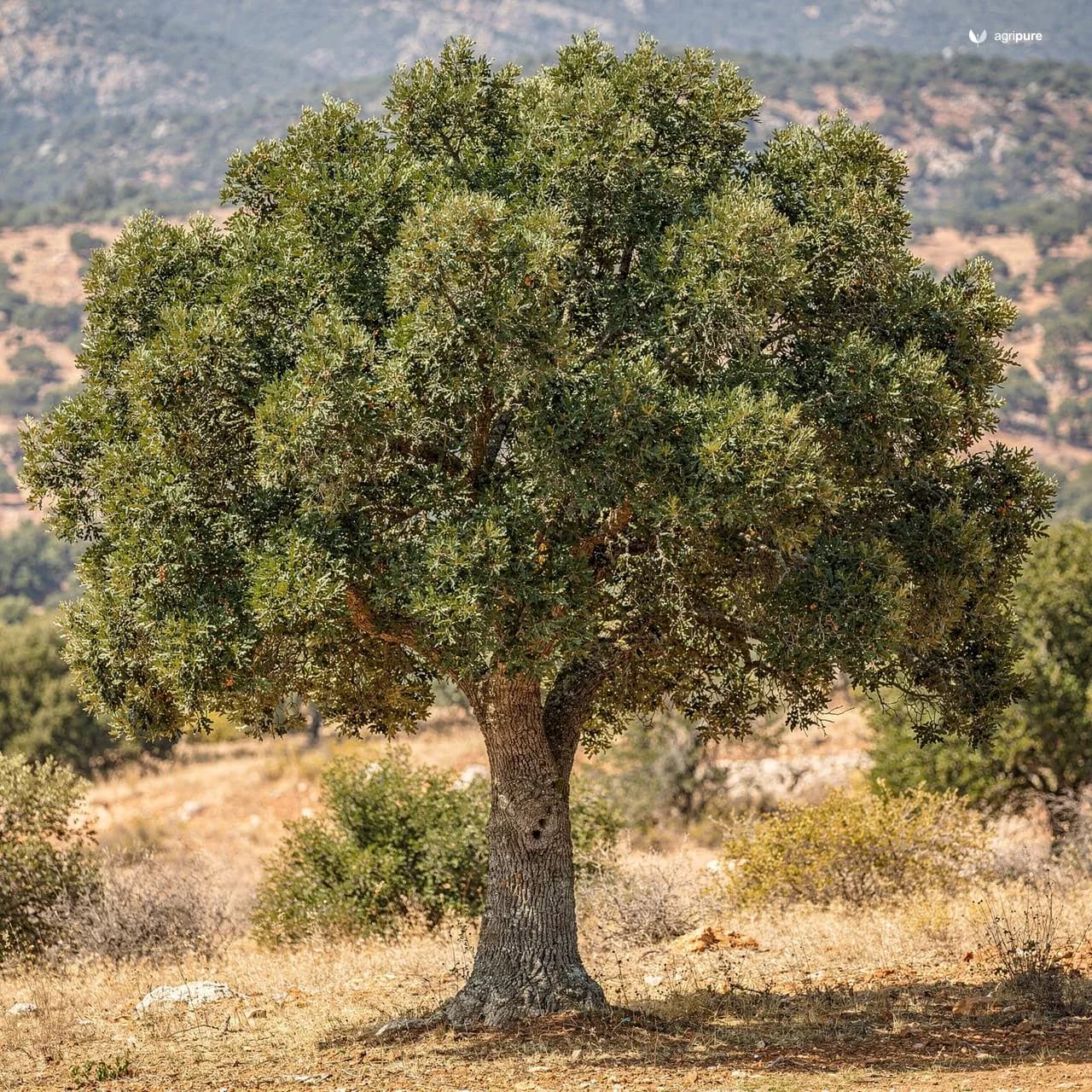
Most descriptive detail for Chaunsa is documented at the species level, because it is treated in the literature as a cultivar of Mangifera indica rather than as a separately described botanical variety.13 The mango is a medium to large evergreen tree with a dense, rounded crown, reaching roughly 30 to 60 feet (about 9 to 18 m) tall and 30 to 50 feet (about 9 to 15 m) wide in landscape settings, and up to around 30 m in ideal conditions.124 Its leaves are simple, lanceolate to elliptic-lanceolate, drooping, and arranged alternately; new flushes often emerge a reddish or orange-pink colour before hardening to dark, glossy green.124 The fruit is a large drupe, up to about 20 cm long and ovoid-oblong, with skin that may be green, yellow, or red, sometimes carrying a waxy bloom; inside is yellow, juicy, fragrant flesh surrounding a central fibrous stone.24
The verifiable cultivar traits for Chaunsa are these: it is a high-quality, late-season dessert mango from the Punjab region of the Indian subcontinent, noted for intense sweetness and aroma.56 A germplasm evaluation that included Chaunsa (recorded as “Chaunsa Rampuri”) found it among the genotypes with the highest trunk diameters, indicating a vigorous tree.3 Grower references describe the fruit as medium to large, yellow when ripe, with deep yellow to orange, fibre-poor flesh, a profile consistent with its standing as a premium dessert type.56 Precise leaf size, panicle form, and exact fruit dimensions for Chaunsa are not documented in the reliable sources here, so they are left out rather than stated with false precision.
Growing Chaunsa
Chaunsa is propagated like other named mango cultivars, not from seed if you want true-to-type fruit. The standard method is budding or veneer grafting onto seedling rootstocks; while the mango species can be raised from seed, grafting and budding are what preserve the cultivar’s traits, and this is how nurseries and growers typically propagate Chaunsa.12 Plant a grafted tree rather than a seedling if you specifically want Chaunsa.
The mango is a tropical and subtropical, monsoonal tree, and Chaunsa is a north-Indian and Pakistani cultivar grown in hot, monsoonal subtropics with distinct dry and wet seasons and high summer heat, matching the general thermal requirements of the species.25 It is frost-tender: UF/IFAS lists mango for USDA hardiness zones 10B to 11 in Florida landscapes, and successful outdoor production is generally restricted to frost-free or nearly frost-free climates, or to protected microclimates in marginal subtropics.12 Give the tree full exposure and allow for its eventual large size when siting it.
In subtropical conditions mango flowers in late winter to early spring; trees in Florida produce their large terminal panicles of many small white-yellow to pinkish flowers in March and April.1 Detailed soil preferences, irrigation schedules, plant spacing, and time-to-maturity figures for Chaunsa are not documented in the reliable sources available here, so rather than invent numbers, treat it as you would any mango: give it deep, free-draining ground, a hot growing season, and protection from frost.
Harvest and uses
Chaunsa is grown for its fruit, a large drupe of juicy, fragrant, yellow flesh around a central fibrous seed.24 The cultivar’s defining harvest quality is its eating character: deep yellow to orange flesh that is notably low in fibre, with intense sweetness and a strong aroma, which is why it is classed as a premium dessert mango rather than a juice or processing type. The fruit is yellow when fully ripe.56
Specific harvest timing, yield per tree, and storage life for Chaunsa are not documented in the reliable sources here, so they are omitted rather than guessed. As a late-season cultivar, Chaunsa is valued for ripening later than many other mangoes, extending the fresh-fruit season.56
Safety and cautions
Ripe mango is a widely eaten dessert fruit, and Chaunsa is grown specifically for fresh eating. The reliable sources gathered for this profile do not include detailed, cultivar-specific toxicity or medicinal data for Chaunsa, so no medical, dosage, or therapeutic claims are made here. Any traditional or medicinal use of mango falls outside the scope of what these sources can responsibly support.24
Sources
- UF/IFAS Gardening Solutions / EDIS. “Mangifera indica: Mango.” University of Florida Institute of Food and Agricultural Sciences.
- National Parks Board, Singapore. “Mangifera indica L.” Flora & Fauna Web.
- National Center for Biotechnology Information. Germplasm evaluation of mango genotypes (including Chaunsa Rampuri). PMC.
- Wikipedia. “Mangifera indica.”
- Growables. “Mango (Mangifera indica).”
- Top Tropicals. “Mango varieties.”