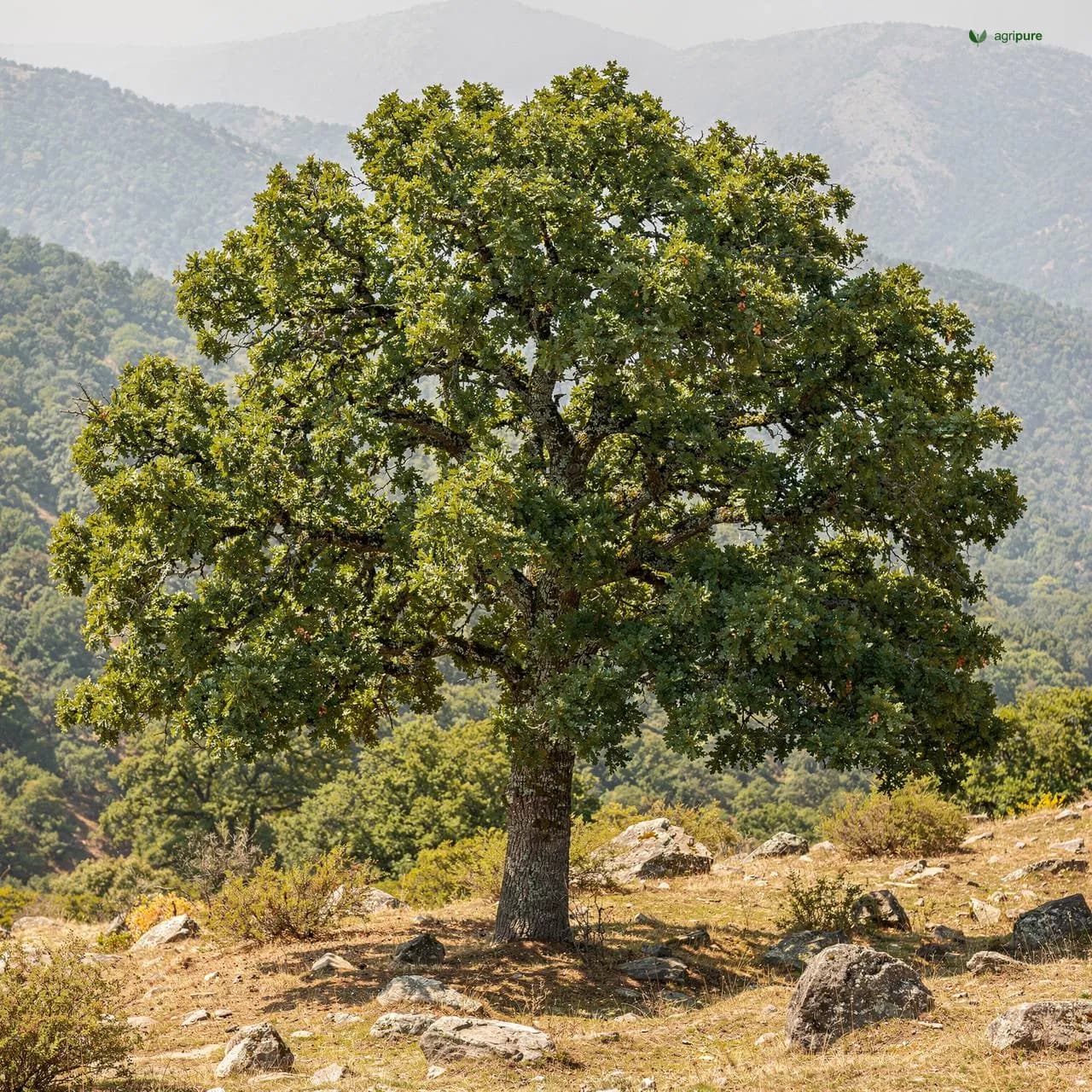
climax
Mango — Dusehri
aam — Dusehri (دسہری)
Mangifera indica var. Dusehri
- punjab plains
International hardiness
- USDA 10-11
- RHS H1b
- AU: Tropical, Subtropical
Where it grows — regional guide
| Zones / rating | Regional notes |
|---|---|
USDA 10-11 | No region-specific data yet |
| Zones / rating | Regional notes |
|---|---|
H1b (10 to 15C) | No region-specific data yet |
| Zones / rating | Regional notes |
|---|---|
Tropical, Subtropical | No region-specific data yet |
| Zones / rating | Regional notes |
|---|---|
USDA 10-11 (USDA scale) Canada uses its own zone system; Canadian zones run roughly one lower than USDA. | No region-specific data yet |
| Zones / rating | Regional notes |
|---|---|
Punjab plains | Pakistan:Widely cultivated in Punjab orchards for its sweet, fibreless dessert fruit; workers should avoid raw tree sap and unwashed peel to prevent contact dermatitis. India:A famous early-to-mid season table mango originating in Uttar Pradesh; contact with sap or peel can cause skin irritation in people sensitive to urushiol. |
Dusehri (Mangifera indica var. Dusehri) is a named dessert cultivar of the common mango, a large evergreen fruit tree in the cashew family, Anacardiaceae. The species is native to southern Asia, with its origins in India and a natural range that extends through Thailand, Peninsular Malaysia, Java, Sumatra, Borneo, and New Guinea. ‘Dusehri’ itself (also spelled Dasheri or Dashahri) is a North-Indian dessert mango, historically associated with the Lucknow–Malihabad region. For the homesteader, it is a long-lived shade tree that doubles as a bearer of fibreless, intensely sweet fruit, anchoring a warm-climate garden for decades — but it earns its keep only where summers are hot and frost is absent.
Because Dusehri is a cultivar of the common mango, almost all of its growth, form, and care are shared with the species; what sets it apart is the fruit. The tree is a large, dense, dome-canopied evergreen, typically reaching 15 to 30 m (50 to 100 ft) where unpruned. Its leaves are simple and elliptic-lanceolate, drooping, with new flushes emerging orange-pink to red before hardening to glossy dark green. Flowers are borne in large, many-branched panicles carrying hundreds to thousands of small, white-yellow to pinkish blooms. The Dusehri fruit is medium-sized and oblong-long, ripening to a greenish-yellow skin rather than a strong red blush, with deep yellow, low-to-medium-fibre flesh that is very sweet and high in total soluble solids. Peer-reviewed work on ripening ‘Dusehri’ pulp reports a strong aroma and high levels of carotenoids and phenolics that give the fruit significant antioxidant capacity.
Growing Dusehri
Mango is most often propagated by grafting or budding onto seedling rootstocks; UF/IFAS specifically recommends budding or veneer grafting on seedling rootstocks for named cultivars. This matters for Dusehri: seed-grown mangoes do not come true to type for most cultivars, so to get genuine Dusehri fruit you must plant grafted nursery trees labelled ‘Dusehri’ rather than relying on seedlings, whose fruit will not reliably reproduce the cultivar.
Give the tree full sun, which mango requires for best growth and fruiting. It tolerates a range of soils, including clay, sand, and loam, across acidic to alkaline conditions, but the non-negotiable requirement is good drainage; mango must have well-drained soil and does best in rich ground with moderate watering. For fruiting, fertilisation with high potassium and phosphate supports a good crop. The plant is suited to tropical and warm-subtropical, monsoonal climates, and is commonly grown from sea level up to about 1,200 m in tropical latitudes. The University of Florida lists mango as suitable to USDA hardiness zones 10B–11; it tolerates distinct dry seasons and monsoonal rains but is not frost-hardy, so it cannot be grown unprotected where winters bring freezing temperatures. Within India, Dusehri is grown in hot, semi-arid to humid subtropical mango belts such as Uttar Pradesh. Cultivar-specific spacing and time-to-maturity figures distinct from the species are not documented in the sources here, so they are left out rather than stated with false precision.
Harvest and uses
In Indian horticultural practice, Dusehri is classified as a mid-season to late-season dessert mango, so its fruit comes in during the warm months after earlier varieties. The harvest cue is the skin colour shifting to a ripe greenish-yellow at maturity, paired with the cultivar’s strong, characteristic aroma. This is first and foremost an eating mango: the deep yellow, very sweet, low-fibre flesh is meant to be enjoyed fresh — sliced, spooned from the skin, or pressed for juice. The carotenoids and phenolics that accumulate in the ripening pulp give it the antioxidant-rich profile documented in scientific study of the cultivar. Reliable cultivar-specific yield figures are not available in the sources here, so no per-tree tonnage is claimed.
How to identify it
As a mango tree, Dusehri shows the species’ diagnostic combination of features:234
- Habit: Large evergreen tree, often 15 to 30 m tall, with a dense, dome-shaped canopy.
- Leaves: Simple, elliptic-lanceolate, drooping; new growth flushes orange-pink to red, maturing to glossy dark green.
- Flowers: Large, many-branched panicles of hundreds to thousands of small white-yellow to pinkish flowers.
- Fruit (Dusehri): Medium-sized, oblong-long, ripening to greenish-yellow skin with deep yellow, sweet, low-fibre flesh and a strong aroma.
Safety and cautions
Mango belongs to the cashew family, Anacardiaceae, the same family as poison ivy, cashew, and pistachio. Members of this family contain urushiol-type compounds in the sap, peel, and other plant parts, and contact with mango sap, peel, or leaves can trigger an allergic skin reaction (contact dermatitis) in sensitive people; the ripe flesh is a widely eaten food. Anyone with a known cashew or poison-ivy sensitivity should handle the foliage and unwashed fruit with care. No medicinal dosages are given here, and the antioxidant chemistry reported for the cultivar describes the fruit’s composition, not a health treatment.
Sources
- University of Florida IFAS Extension. “Mangifera indica (Mango)” (ST404) — sun, soil, drainage, grafting, USDA zones 10B–11.
- National Parks Board (Singapore). “Mangifera indica” — Flora & Fauna Web — leaves, flushes, panicles, soil tolerance, fertilisation, climate.
- Wikipedia. “Mangifera indica.” — native range, family, tree dimensions, taxonomy.
- College of Tropical Agriculture and Human Resources, University of Hawai‘i. Mango (Mangifera indica) grower guidance. — native range, propagation, climate, elevation.
- Scientific Reports (Nature). Study of phytochemicals and antioxidant capacity in ripening Dusehri mango (Mangifera indica L.). — cultivar fruit traits, season, sweetness, carotenoids and phenolics.
- Global Biodiversity Information Facility. “Mangifera indica L.” — accepted taxon and distribution record.