secondary
White Shahtoot (King White Mulberry)
shahtoot sufaid (شہتوت سفید)
Morus macroura
- kpk hills
- punjab plains
International hardiness
- USDA 4-9
- RHS H6
- AU: Cool temperate, Warm temperate, Subtropical, Mediterranean
Where it grows — regional guide
| Zones / rating | Regional notes |
|---|---|
USDA 4-9 | Cold-hardy tree across USDA zones 4 to 9 producing pale sweet fruit; spreads invasively from bird-dropped seeds, and milky sap plus green fruit cause irritation. |
| Zones / rating | Regional notes |
|---|---|
H6 (-20 to -15C) | No region-specific data yet |
| Zones / rating | Regional notes |
|---|---|
Cool temperate, Warm temperate, Subtropical, Mediterranean | Grown for sweet pale mulberries in mediterranean and temperate zones; check local weed restrictions against spread, and avoid unripe fruit and milky latex sap. |
| Zones / rating | Regional notes |
|---|---|
USDA 4-9 (USDA scale) Canada uses its own zone system; Canadian zones run roughly one lower than USDA. | No region-specific data yet |
| Zones / rating | Regional notes |
|---|---|
KPK hills, Punjab plains | Pakistan:A fast-growing favourite across the KPK hills and Punjab plains producing exceptionally sweet white fruit; avoid milky sap and toxic green underripe fruit. India:Planted in northern hills and plains for its sweet pale berries; bird-sown seedlings can spread aggressively, and green unripe fruit with white sap irritates. |
White sweet mulberry (Morus alba var. dulcis), known in some traditions as shahtoot sufaid, is a sweet-fruited horticultural selection of the white mulberry, a fast-growing deciduous tree in the mulberry family. The species is native to China and parts of India and Asia, and has since been introduced and naturalized across Asia, Europe, Africa, the Americas, and Australia. For a homesteader, the draw is its toughness paired with sweet fruit: white mulberry shrugs off poor, dry, and disturbed ground that would defeat most orchard trees, turning a hard, neglected corner of a property into a productive, low-input tree. The variety dulcis is simply a white-fruited form bred for very sweet, pale berries; because there is no separate primary literature for the variety, the facts below come from research on white mulberry as a species and apply to its sweet cultivars.
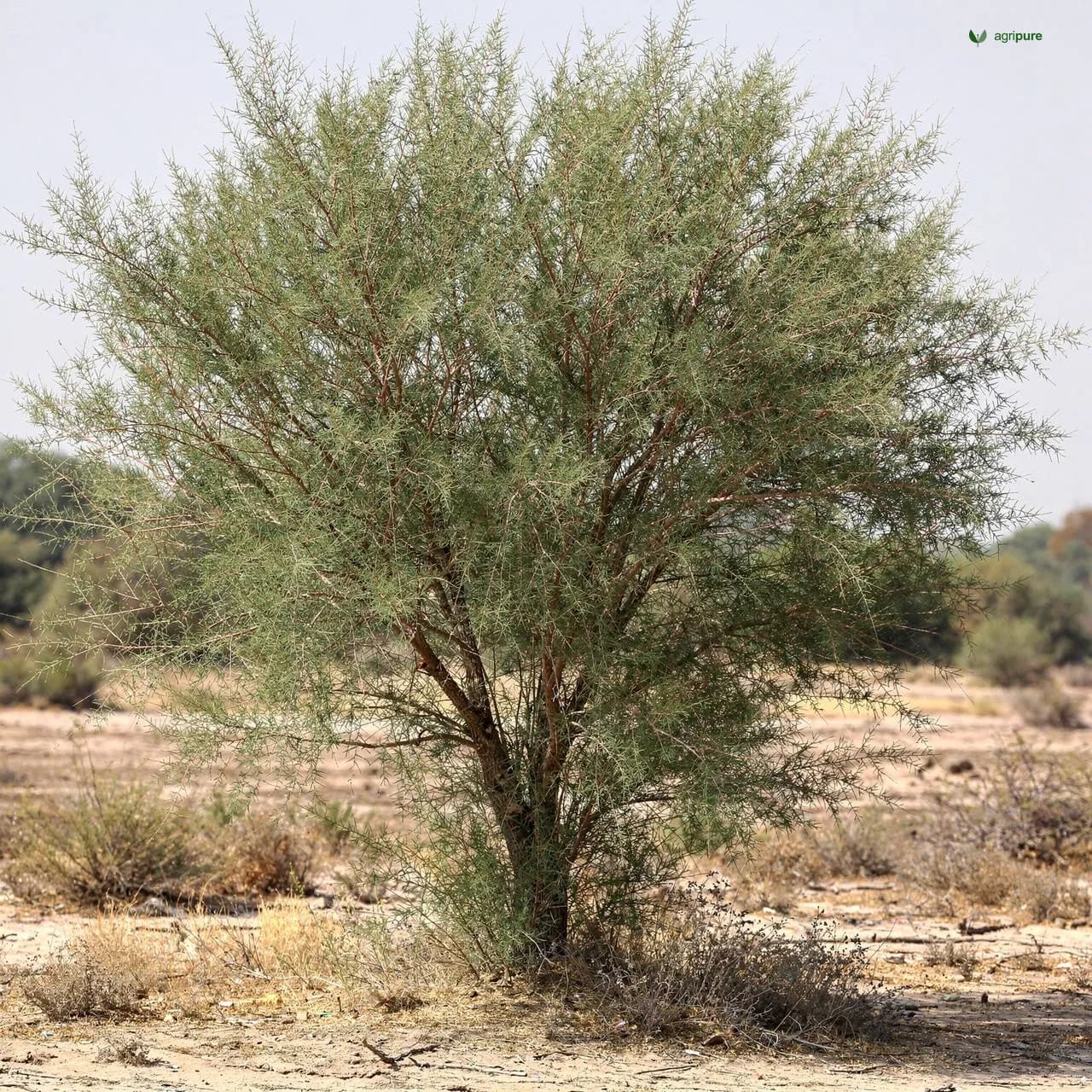
White mulberry is a fast-growing small to medium tree or large shrub, commonly reaching about 30 to 50 feet (9 to 15 m) tall with a similar crown spread, forming a dense, rounded head over a short, sometimes crooked trunk. Broken twigs and young tissue ooze a white, milky latex, a handy field cue. The leaves are alternate and simple, roughly 3 to 4 inches (about 7 to 10 cm) long, and notably variable in shape: some are unlobed while others carry three to seven lobes, with coarsely toothed margins. The upper leaf surface is shiny, hairless, and medium green; the underside is paler and either hairless or only slightly hairy along the veins. The fruit is a multiple drupe resembling a small blackberry, about an inch (2 to 3 cm) long, borne on female trees; on white mulberry it generally starts pale and may stay white or turn pink, red, or black with maturity depending on the genotype, and sweet cultivars such as shahtoot are selected for very sweet, pale fruit.
Growing white sweet mulberry
White mulberry grows best in full sun to partial shade; for good fruiting, favor full sun. It prefers rich, moist, well-drained soil, but is markedly tolerant of poor, dry, and even urban soils, which is precisely why it has become invasive in many regions. In practice, ordinary garden loam is fine, and the one site condition to avoid is chronic waterlogging. The species is routinely found colonizing roadsides, urban lots, forest edges, grasslands, and other disturbed ground, evidence of considerable drought and soil tolerance once it is established. Water it through its first one to two growing seasons to settle the roots; mature trees are relatively drought-tolerant, a trait inferred from their success on dry, disturbed sites and consistent with general mulberry culture.
Propagation follows the species: white mulberry is commonly grown from seed and is also propagated vegetatively. For a named sweet selection like shahtoot sufaid, vegetative propagation is the dependable route, because mulberry seedlings are variable and will not reliably reproduce the parent’s sweet, pale fruit. Detailed sowing dates, plant spacing, and exact time-to-fruit figures are not consistently documented in the general botanical sources here, so they are left out rather than stated with false precision. In short, this is a vigorous, fast-establishing tree that, given full sun and free-draining ground, asks very little once settled.
Harvest and uses
Fruit forms only on female trees, since white mulberry is dioecious, with male and female flowers borne in separate catkins on separate plants. The flowers are yellowish-green and appear in spring, followed by the soft, blackberry-like multiple fruits. Sweet white cultivars are grown for the berries themselves, prized for being very sweet and mild; the species’ primary literature does not give reliable cultivar-level fruit metrics, so this profile avoids quoting specific sugar levels or yields. The sourced research here centers on white mulberry’s botany, range, and culture rather than quantified yields, so those gaps are left unfilled rather than guessed.
A note on invasiveness
The same toughness that makes white mulberry easy to grow also makes it weedy. Its tolerance of poor, dry, and urban soils, combined with bird-spread seed, has let it naturalize and spread widely, and it is documented as an invasive plant across much of its introduced range. Before planting, check whether Morus alba is listed as invasive or restricted in your area, and prefer female, fruiting selections you can keep in hand; growing a known sweet cultivar from cuttings, and harvesting or cleaning up fallen fruit, helps limit unwanted seedlings.
Sources
- NC State Extension. “Morus alba (White Mulberry).” North Carolina Extension Gardener Plant Toolbox.
- Missouri Botanical Garden. “Morus alba.” Plant Finder.
- Wikipedia. “Morus alba.”
- National Center for Biotechnology Information. Review on Morus alba (white mulberry). PMC.
- Invasive Plant Atlas of the United States. “White mulberry (Morus alba).”
- University of Wisconsin (Renz Weed Science). “Morus alba — identification.” (PDF).
- U.S. Forest Service. “Morus alba.” Fire Effects Information System (FEIS).