pioneer
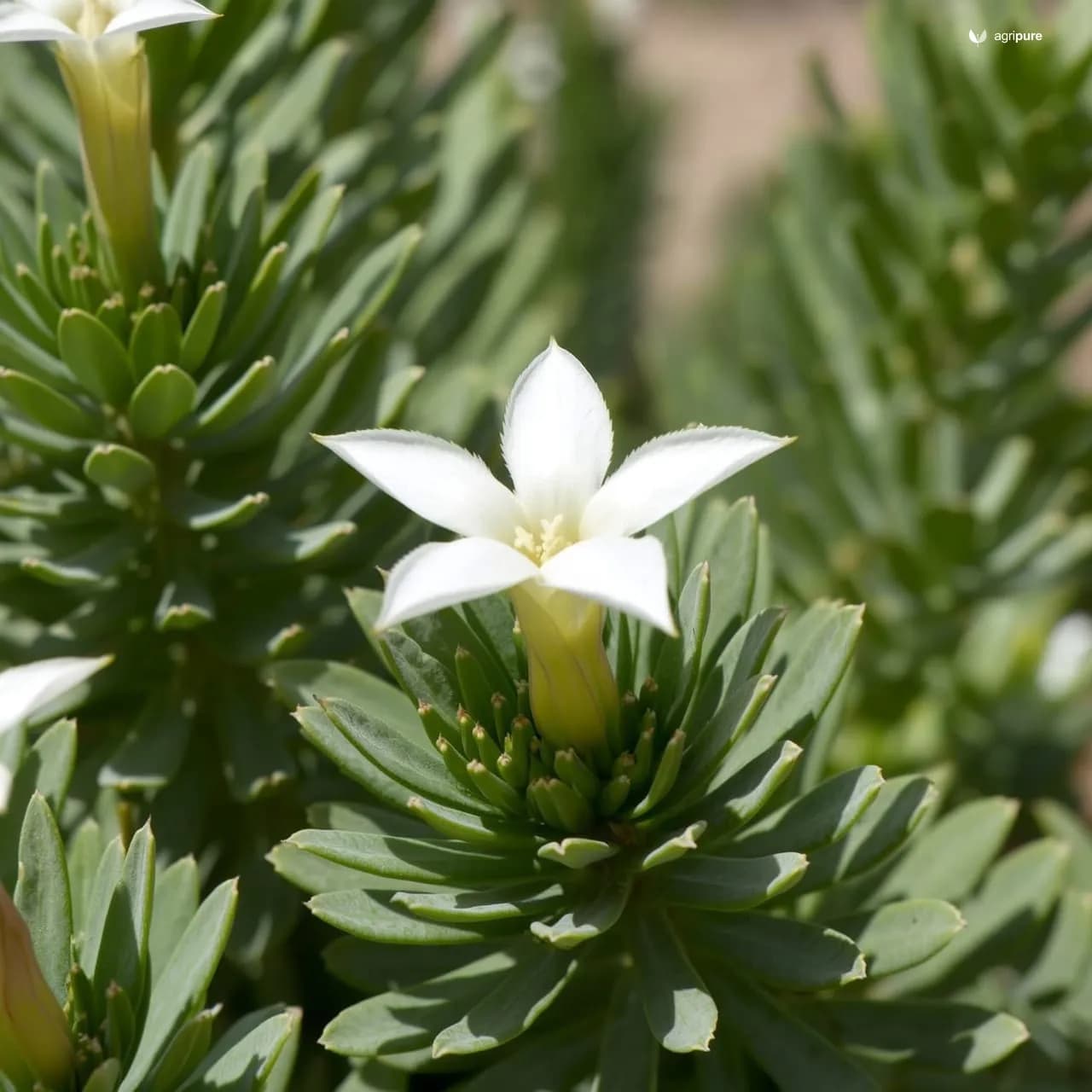
Harmal Shrub
vanher
Rhazya stricta
Also known as Vanher (Pakistan).
- balochistan highlands
- sindh coast
- punjab plains
International hardiness
- USDA 9-11
- RHS H2
- AU: Arid / semi-arid
Where it grows — regional guide
| Zones / rating | Regional notes |
|---|---|
USDA 9-11 | No region-specific data yet |
| Zones / rating | Regional notes |
|---|---|
H2 (1 to 5C) | No region-specific data yet |
| Zones / rating | Regional notes |
|---|---|
Arid / semi-arid | No region-specific data yet |
| Zones / rating | Regional notes |
|---|---|
USDA 9-11 (USDA scale) Canada uses its own zone system; Canadian zones run roughly one lower than USDA. | No region-specific data yet |
| Zones / rating | Regional notes |
|---|---|
Balochistan highlands, Sindh coast, Punjab plains | Pakistan:A native evergreen desert boundary shrub of the Balochistan highlands and Sindh coast; foliage is toxic to livestock, and its extracts are genotoxic and unsafe for casual medicinal use. India:Native to northwest India, it acts as an unpalatable windbreak; foliage is strictly toxic to livestock, and its extracts are genotoxic and unsafe for home remedies. |
Harmal shrub (Rhazya stricta), known to growers as vanher, is a tough evergreen desert shrub that holds its ground precisely because livestock leave it alone: it is unpalatable and toxic to grazing animals, so it persists and even dominates on degraded, overgrazed rangeland. For a grower stabilising a dry, beaten-down edge in arid Balochistan, the Sindh interior, or the Punjab fringe, that grazing-proof evergreen cover is the honest reason to use it, with a medicinal harvest as a secondary return.
Where it thrives
Vanher’s native range runs from the Arabian Peninsula and southern Iran to northwest India, and includes Pakistan; it is a subshrub or shrub of the subtropical biome. It is a true desert perennial that runs ordinary C3 photosynthesis under daily extremes of heat, intense light and very low humidity, coordinating its protective machinery on a daily clock rather than scrambling in response to stress. It wants full sun, free-draining arid soil and almost no irrigation once established, and it tolerates the heat, drought and poor ground that defeat most shrubs.
Role in the system
Vanher is an arid pioneer that doubles as a windbreak and grazing-resistant boundary shrub. Because animals avoid it, it survives where browsing pressure strips everything else, which makes it useful as a protective hedge on the windward and grazed edges of a dryland guild, sheltering more vulnerable plants behind it. Its evergreen frame slows hot, drying wind and holds soil on exposed ground. Treat it strictly as a structural and protective shrub, not a fertility or fodder plant: it fixes no nitrogen, and its toxicity means it must be kept out of fodder systems and away from where stock could browse it. Used deliberately as a barrier, that same toxicity becomes the asset.
Growing it
The decisions that decide success start with placement. Site it as a windbreak line or protective edge, never inside a grazing paddock or beside fodder crops, given the livestock hazard. Propagate from seed sown onto open, well-drained, sunny ground timed to natural rainfall. Water sparingly only through establishment, then leave it, because over-watering works against a plant built for drought. Because it can spread on degraded land, plant it where you want lasting cover and monitor its edges so it stays a deliberate barrier rather than an invader of better ground.
What you get
The return is evergreen, grazing-proof shelter and erosion cover on land too dry and beaten for much else, plus a medicinal leaf with a long folk record. Extracts carry over a hundred alkaloids and show antimicrobial, antioxidant, antidiabetic and antihypertensive activity, behind its traditional use for diabetes, fevers, skin and other complaints. Handle that harvest with caution: the same review reports the extract is toxic and genotoxic, so it is a specialist medicinal raw material, not a casual home remedy.
Sourcing notes
Collect seed from established wild stands and raise seedlings before planting out along the windward, grazed edges you want to protect. Companion it behind the barrier with hardier desert pioneers and dune-fixing shrubs that take the sheltered ground, keeping all fodder species and grazing animals clear of the vanher line. Manage it as a fixed protective hedge, cutting back any spread into productive beds.
Sources
- Royal Botanic Gardens, Kew (2024). “Rhazya stricta Decne.” Plants of the World Online.
- Yates, S.A. et al. (2014). “The temporal foliar transcriptome of the perennial C3 desert plant Rhazya stricta in its natural environment.” BMC Plant Biology.
- Albeshri, A. et al. (2021). “A Review of Rhazya stricta Decne Phytochemistry, Bioactivities, Pharmacological Activities, Toxicity, and Folkloric Medicinal Uses.” Plants (Basel).