pioneer
Indus Tamarisk
lai
Tamarix dioica
Also known as Lai (Pakistan).
- sindh coast
- punjab plains
International hardiness
- USDA 8-11
- RHS H4
- AU: Arid / semi-arid, Subtropical
Where it grows — regional guide
| Zones / rating | Regional notes |
|---|---|
USDA 8-11 | No region-specific data yet |
| Zones / rating | Regional notes |
|---|---|
H4 (-10 to -5C) | No region-specific data yet |
| Zones / rating | Regional notes |
|---|---|
Arid / semi-arid, Subtropical | No region-specific data yet |
| Zones / rating | Regional notes |
|---|---|
USDA 8-11 (USDA scale) Canada uses its own zone system; Canadian zones run roughly one lower than USDA. | No region-specific data yet |
| Zones / rating | Regional notes |
|---|---|
Sindh coast, Punjab plains | Pakistan:A salt-tolerant shrub native to Indus watercourses; plant to bind saline margins but curb aggressive spread, and avoid internal use, especially during pregnancy. |
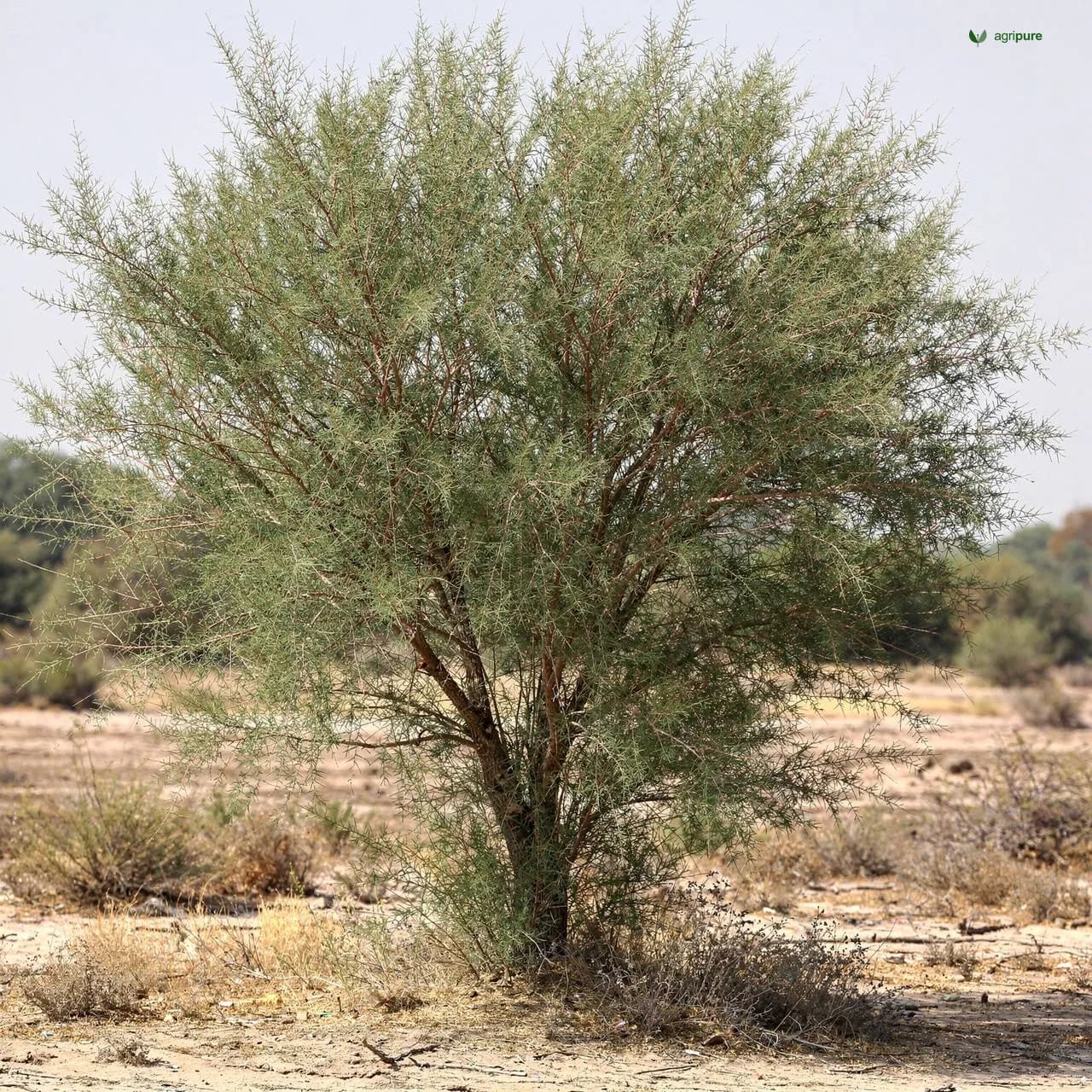
Indus tamarisk (Tamarix dioica) is a salt-tolerant tree or shrub in the tamarisk genus (Tamaricaceae). Kew’s Plants of the World Online gives its native range as southern and eastern Iran eastward to Myanmar, where it grows primarily in the seasonally dry tropical biome. For a homesteader, the honest framing is that this is a hardy, salt-adapted woody plant of hot, seasonally dry country rather than a tidy garden crop — and one whose published cultivation and harvest data are genuinely thin, so it is best treated as a tough landscape and reclamation species first and foremost.
The botanical identity of the plant is well established. Tamarix dioica Roxb. ex Roth is an accepted species name recorded in the International Plant Names Index and in Kew’s Plants of the World Online. Its taxonomic placement is also confirmed in the GBIF backbone and in U.S. Fish & Wildlife Service records, where it appears under the saltcedar group of tamarisks. Kew describes the plant as a tree, while other tertiary references describe it as an evergreen shrub or small tree — a habit that is typical of the genus, where form varies with site and age. Like other tamarisks it is built for saline, dry-tropical conditions, which is the most useful thing to know before deciding where it belongs.
Growing Indus tamarisk
This is where honesty matters more than detail. Reliable, species-specific guidance on propagation, soil preparation, spacing, watering, and time to maturity for Tamarix dioica was not present in the sources consulted, so those figures are deliberately left out rather than invented. What the sources do support is the growing environment: the species is native to a broad band from southern and eastern Iran to Myanmar and occurs in the seasonally dry tropical biome (warm, with a pronounced dry season) and sits within the salt-tolerant tamarisk genus. No reliable, species-specific USDA hardiness zone was found in the available sources, so no zone number is assigned here.
In practical terms, treat it as a plant of hot, seasonally dry, often saline ground rather than a moist temperate bed. The climate it comes from is the clearest signal: warmth, a real dry season, and tolerance of salt-affected soils. Specific sowing or planting routines should come from a local extension service or nursery familiar with tamarisks in your region rather than from numbers stated with false precision.
Harvest and uses
No reliable, species-specific harvest cues or yield data for Tamarix dioica were found in the available sources, so none are stated here. The use most clearly documented is medicinal rather than culinary. Drug-reference sources note that Tamarix dioica has been used in traditional medicine for liver problems and hepatitis, fever, and kidney disorders. Both sources are emphatic, however, that there is not enough reliable scientific evidence to support these traditional uses, and this profile makes no claim that the plant treats or cures any condition.
No reliable source in the available results documents culinary use, so the plant is not listed here as edible. Likewise, no species-specific ecological, agroforestry, or material-use claims could be confirmed from the sources at hand, so those are omitted rather than guessed at. The takeaway for a homesteader is narrow but accurate: this is a salt-tolerant woody plant with a record of traditional medicinal use that modern evidence does not validate, and it should not be approached as a food crop.
Safety and cautions
Because the only well-documented human use here is medicinal, the safety picture deserves a clear, conservative statement. The medical-reference sources do not establish that Tamarix dioica is safe to eat or to use medicinally. WebMD states there is no good scientific evidence behind its common traditional uses and that there is not enough reliable information to know whether it is safe or what side effects it might cause. RxList likewise reports that there is not enough information available to know whether it is safe or what the possible side effects might be, and that dosing has not been established.
- Both references advise that people who are pregnant or breastfeeding should avoid use, because the safety information is insufficient.
- Neither source provides validated drug-interaction data, so no specific interactions are claimed here.
- No source in the available results identifies specific poisonous parts of the plant, so none are named; the absence of a toxicity finding is not the same as a finding of safety.
As a general principle with any plant of uncertain safety, do not self-administer it, and treat it as unproven rather than benign. Grow it as a hardy salt-tolerant species if that suits your land, but leave medicinal use to qualified guidance.
Sources
- Tamarix dioica — GBIF Backbone Taxonomy
- Saltcedar (Tamarix dioica) — U.S. Fish & Wildlife Service
- Tamarix dioica Roxb. ex Roth — International Plant Names Index (IPNI)
- Tamarix dioica — Plants of the World Online, Royal Botanic Gardens, Kew
- Tamarix Dioica — RxList
- Tamarix Dioica — WebMD
Sourcing notes
Plant from cuttings taken off local stands straight into saline or waterlogged margins, where they root easily. Use it only on problem ground and keep it cut back from canals and fresh water, as it can spread aggressively where conditions are good.