pioneer
Aloe Vera
kanwar gandal
Aloe vera
Also known as Kanwar Gandal (Pakistan).
- punjab plains
- sindh coast
- balochistan highlands
International hardiness
- USDA 9-12
- RHS H1c
- AU: Subtropical, Arid / semi-arid, Warm temperate, Mediterranean
Where it grows — regional guide
| Zones / rating | Regional notes |
|---|---|
USDA 9-12 | A popular houseplant across most of the country and an outdoor perennial only in the frost-free USDA 9 to 12 range; the clear inner gel is what is used, and the yellow latex under the rind is removed before any use. |
| Zones / rating | Regional notes |
|---|---|
H1c (5 to 10C) | Tender (RHS H1c) and grown as a sunny windowsill or conservatory plant, watered sparingly over winter and stood outside only in summer; the clear inner gel is used, with the yellow latex under the rind removed first. |
| Zones / rating | Regional notes |
|---|---|
Subtropical, Arid / semi-arid, Warm temperate, Mediterranean | Grows outdoors in frost-free subtropical, arid, warm temperate and mediterranean gardens given sharp drainage through wet winters, and can naturalise where it suits; the clear gel is used, with the yellow latex removed first. |
| Zones / rating | Regional notes |
|---|---|
USDA 9-12 (USDA scale) Canada uses its own zone system; Canadian zones run roughly one lower than USDA. | No region-specific data yet |
| Zones / rating | Regional notes |
|---|---|
Punjab plains, Sindh coast, Balochistan highlands | Pakistan:A common courtyard succulent for sunny borders and pots that tolerates dry heat but rots in poorly drained soil; only the clear inner gel is used, with the yellow latex under the rind removed first. India:Widely grown in terrace pots and kitchen gardens for the leaf gel, wanting gritty, free-draining soil and very little water in winter; only the clear inner gel is used, with the yellow latex under the rind removed first. |
Grows alongside
Species that appear with Aloe Vera in 9 of our published guides — a starting list for a guild, not a planting plan.
Aloe vera (Aloe vera) is a stemless, suckering, evergreen succulent originally native to the south-east Arabian Peninsula and now widely cultivated in tropical, subtropical, and arid regions around the world. In cooler climates it is one of the most familiar houseplants going, while in warm, frost-free regions it settles in outdoors as a clump-forming perennial. For a homesteader the appeal is hard to beat: it asks for very little water, multiplies itself for free through offsets, and keeps a useful, gel-filled leaf within arm’s reach.
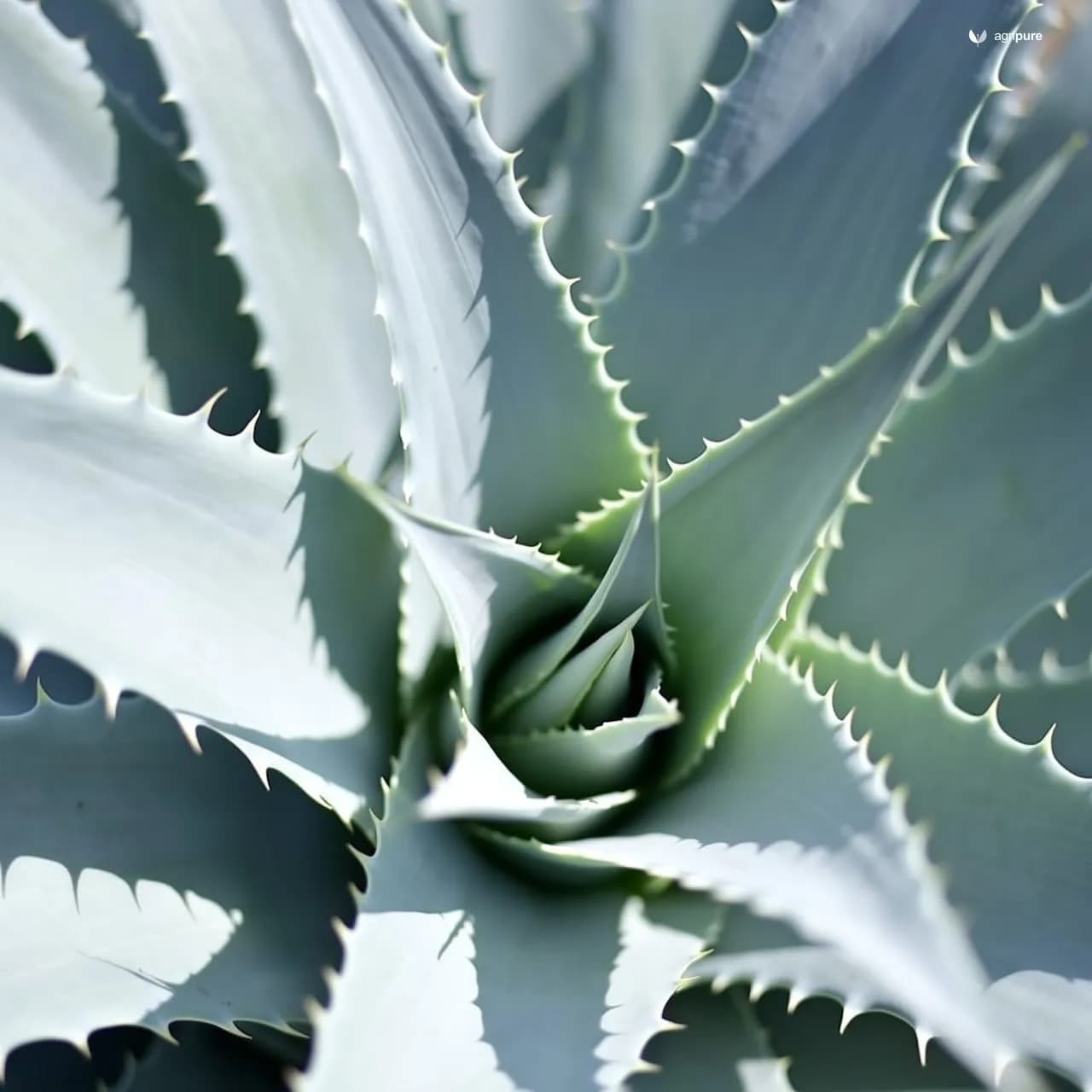
It is a low, rosette-forming plant with thick, fleshy, triangular grey-green leaves that grow to roughly 2 to 3 feet (60 to 90 cm) tall on mature plants. The leaf margins carry small, firm teeth, and young leaves are often spotted, though the spots typically fade as the plant matures. When it flowers, it throws up a tall spike densely packed with yellow tubular flowers. Cut a leaf across and you can see its three layers: the outer green rind, a thin yellow latex layer just beneath it, and the clear inner gel at the centre. That latex layer matters for safety and is discussed below.
Growing Aloe vera
The plant is hardy as an outdoor perennial only in warm climates; NC State Extension lists it as cold-hardy in roughly USDA zones 10a to 12b, which is why most growers outside the tropics keep it in a container that can come indoors. It is widely naturalized and can even be invasive where conditions suit it, so it is a tough, persistent plant rather than a fussy one.
Propagation is easiest by division rather than seed. Aloe vera spreads by offsets — the small “pups” that form around the base of an established plant — and the standard method is simply to detach a pup that has some roots of its own and replant it in a well-drained medium. This is the cheap, reliable route: one mother plant becomes a renewable supply of new plants without spending a thing.
- Soil: Give it very well-drained soil of the sort sold for cacti and succulents. Sharp drainage is the single most important condition.
- Containers: Use a pot with several drainage holes. Unglazed clay (terracotta) is preferred because it dries out faster and reduces the risk of over-watering.
- Sun: It grows in full sun to partial shade. Adequate light is needed for normal, compact rosettes; in too little light the plant grows abnormally and stretches.
- Water: Let the soil dry out completely between waterings. Over-watering causes root rot and is the fastest way to kill an aloe, so err on the dry side and water even less often in winter when growth slows.
- Spacing and size: Individual plants reach about 2 to 3 feet tall and spread gradually as offsets crowd in around the base, so in a bed or large container leave room for the clump to expand.
The reliable sources here do not give a verifiable time-to-maturity or first-harvest figure for Aloe vera, nor exact plant-spacing numbers, so those are left out rather than stated with false precision. In practice, treat it like any other succulent: keep it lean and dry, give it light, and let it bulk up at its own pace.
Harvest and uses
The harvestable part for home use is the leaf — specifically the clear inner gel, taken after the outer rind and the yellow latex layer have been removed. For topical use, a whole leaf or a section of one can be cut and the gel applied directly to the skin; NC State notes the broken leaf can simply be pressed against the skin and that the gel is safe for most people topically, with the sensible precaution of testing a small patch of skin first. The same source notes that the plant is used medicinally and in drinks “when properly prepared,” meaning the latex is removed before any internal use.
The sources give no quantitative yield per plant or per area, so no yield figure is claimed here. What you can count on instead is steady increase: because the plant keeps producing pups, a single planting becomes a self-renewing patch.
Safety and cautions
The two layers inside the leaf behave very differently, and the distinction is the heart of using aloe safely.
- The yellow latex just beneath the green rind contains aloin and other anthraquinone compounds and is distinct from the clear inner gel. It should be removed before any internal use.
- The clear inner gel is described as safe for most people when applied topically; even so, test it on a small area of skin first in case of a reaction.
- NC State states that the plant is used in drinks only “when properly prepared,” and that improper ingestion can cause low-severity toxicity. Treat internal use cautiously and do not consume the raw whole leaf or the latex.
This profile describes traditional and topical uses only and makes no claim that aloe treats or cures any condition. As a general principle, anyone who is pregnant or breastfeeding, or who takes prescription medication, should seek qualified guidance before any internal use of an aloe product.
Sources
- Identifying Aloe vera – Aloe Hoarder
- Aloe vera – North Carolina State Extension Gardener Plant Toolbox
- Aloe vera – Wikipedia