pioneer
Cluster Bean
guar
Cyamopsis tetragonoloba
Also known as Guar (Pakistan, India, United States, Australia).
- punjab plains
- sindh coast
International hardiness
- USDA 10-12
- RHS H1b
- AU: Arid / semi-arid, Tropical, Subtropical
Where it grows — regional guide
| Zones / rating | Regional notes |
|---|---|
USDA 10-12 | Grown as a summer annual pulse in the arid High Plains of Texas; cook tender pods as vegetables, avoiding concentrated seed-gum supplements. |
| Zones / rating | Regional notes |
|---|---|
H1b (10 to 15C) | No region-specific data yet |
| Zones / rating | Regional notes |
|---|---|
Arid / semi-arid, Tropical, Subtropical | Suited to arid and tropical summer cropping; harvest tender young clusters for the kitchen, avoiding concentrated industrial seed gum. |
| Zones / rating | Regional notes |
|---|---|
USDA 10-12 (USDA scale) Canada uses its own zone system; Canadian zones run roughly one lower than USDA. | No region-specific data yet |
| Zones / rating | Regional notes |
|---|---|
Punjab plains, Sindh coast | Pakistan:Grown across arid plains as a drought-hardy summer legume; harvest tender green pods to cook, avoiding concentrated seed-gum supplements. India:Major dryland kharif crop of northwestern plains; harvest young four-angled pods for vegetables, avoiding raw concentrated seed gum. |
Cluster bean (Cyamopsis tetragonoloba), also widely known as guar, is a warm-season annual legume in the pea family (Fabaceae) grown as a vegetable, a fodder, and an industrial crop, the last for the galactomannan gum stored in its seeds. The species is native to the arid and semi-arid regions of South Asia, particularly north-western India, with some sources also pointing to Africa as part of its broader area of origin and diversification. Today it is cultivated principally in north-western India, with smaller plantings in Pakistan, the semi-arid High Plains of Texas in the United States, Australia, and parts of Africa. For the homesteader, guar is a tough, drought-hardy summer legume in the same vein as cowpea or soybean, useful for both the kitchen and the soil on hot, dry ground where fussier crops struggle.
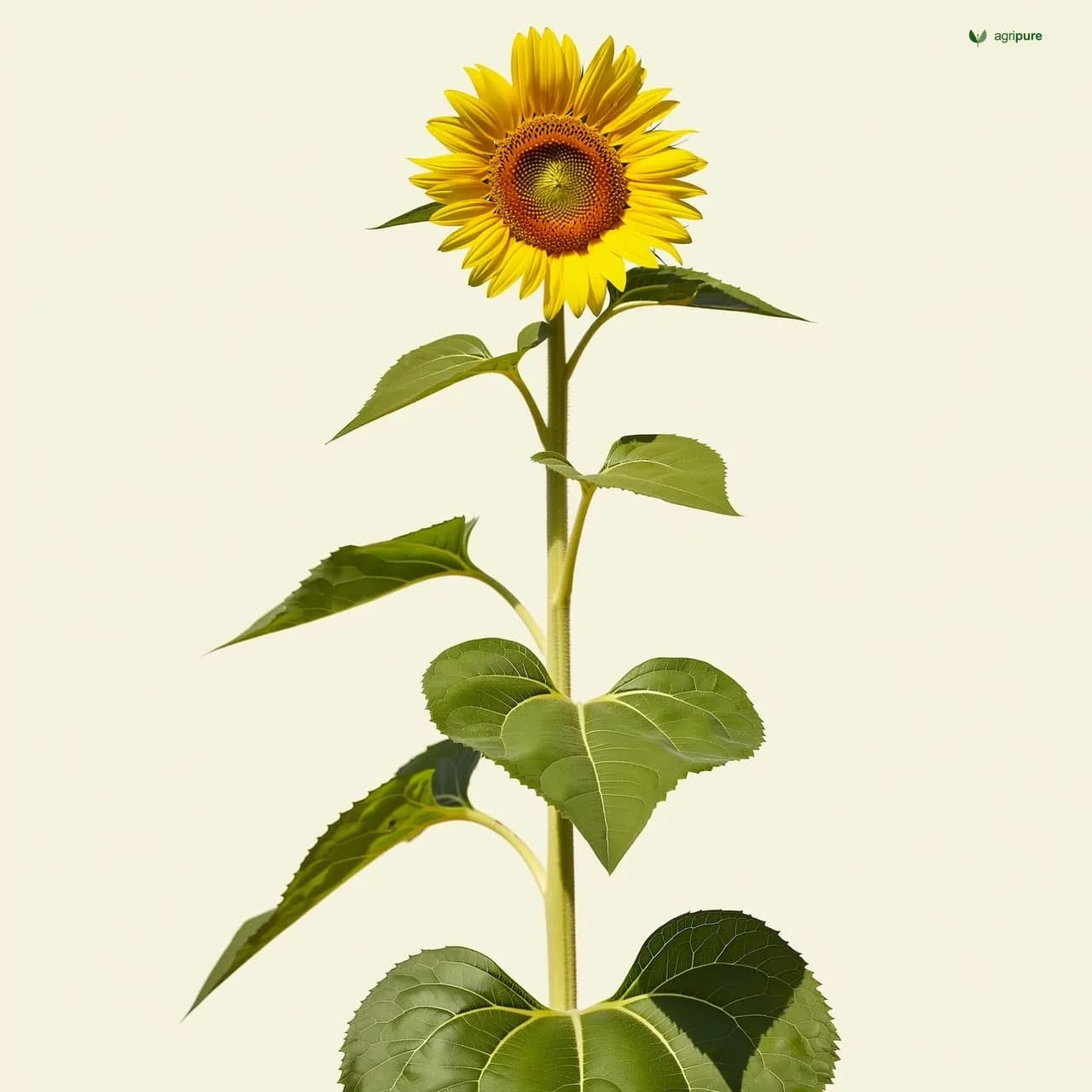
Cluster bean is an erect, bushy herb with a deep taproot that suits it to arid climates, growing roughly 0.5 to 2 metres tall depending on variety and conditions. It carries the typical trifoliate legume leaves, three leaflets borne alternately along the stem. The flowers are papilionaceous (the pea-type bloom), mostly white to light purple. Its pods are slender, green, and distinctly four-angled (tetragonous), and they are borne in tight clusters along the stem, which is exactly what gives the plant its common name. The small, angular seeds hold a large endosperm rich in galactomannan, the source of commercial guar gum.
Growing cluster bean
Cluster bean is propagated exclusively by seed. The seed’s large galactomannan endosperm does not interfere with germination under normal growing practice. It is a frost-tender, warm-season annual grown in semi-arid subtropical to tropical climates; it does not tolerate frost, so it is sown only after frost danger has passed and is killed off by hard frost at the end of the season. In the United States it is grown in the semi-arid High Plains of Texas, a region spanning roughly USDA zones 7 to 8, which gives a useful guide for the homestead: treat it as a frost-tender summer annual and grow it in any zone that offers a long, hot summer, much as you would cowpea or soybean.
The plant is described as drought-resistant and well suited to arid and semi-arid conditions. It is tolerant of poor soils and drought, and as a legume it forms root nodules and fixes atmospheric nitrogen, improving the fertility of the ground it grows in. Broadly, it is treated as tolerant of a range of well-drained soils within semi-arid farming systems. The reputable sources consulted do not give rigorous figures for optimal soil pH, planting depth, or in-row spacing, so those specifics are deliberately left out here rather than guessed; sow it as you would another bushy warm-season legume, into warm, well-drained ground after the last frost.
Harvest and uses
Cluster bean is a triple-purpose crop, valued as a vegetable, as fodder, and above all for its seed gum. The young, tender clusters of four-angled pods are eaten as a green vegetable, a long-standing use across its home range that also gives the plant its English name. Mature seeds are processed for guar gum, the galactomannan extracted from the seed endosperm, which is the crop’s main industrial product and the reason it is grown at scale. India produces roughly 80 percent of the world’s guar, with Rajasthan, Gujarat, and Kutch accounting for more than 80 percent of the Indian guar area. As a nitrogen-fixing legume, the plant also earns its place in a rotation: grown for fodder or green manure it leaves the soil better than it found it, which is part of why it fits dry-land homestead systems so well.
Safety and cautions
Cluster bean is generally regarded as an edible crop, with no major acute toxicity reported in humans when the young pods are eaten as a vegetable. The important caution concerns guar gum, the concentrated galactomannan extracted from the seed: in supplemental form it can cause significant gastrointestinal and metabolic effects and should be used carefully. In short, eating the fresh vegetable pods is treated as safe, while concentrated guar-gum supplements are a different matter and warrant care. This is a description of how the crop is used and is not medical advice.
Sources
- Cluster bean (Cyamopsis tetragonoloba): review of biology, uses and guar gum – NCBI/PMC
- Cyamopsis tetragonoloba – Hawaii-Pacific Weed Risk Assessment (PlantPono)
- Guar seed galactomannan and processing – ScienceDirect
- Guar (Cyamopsis tetragonoloba) – Wikipedia
- Stability analysis to identify improved lines of cluster bean – Plant Genetic Resources, Cambridge University Press
- Cyamopsis tetragonoloba plant profile – USDA PLANTS Database