secondary
Green Cardamom
chhoti elaichi
Elettaria cardamomum
Also known as Chhoti Elaichi (Pakistan).
- kpk hills
International hardiness
- USDA 10-12
- RHS H1c
- AU: Tropical, Subtropical
Where it grows — regional guide
| Zones / rating | Regional notes |
|---|---|
USDA 10-12 | Grown outdoors in frost-free USDA zones 10 to 12 or kept indoors; concentrated medicinal extracts warrant caution during pregnancy. |
| Zones / rating | Regional notes |
|---|---|
H1c (5 to 10C) | Tender under RHS H1c, kept in heated glasshouses or warm indoor rooms; concentrated medicinal extracts warrant caution during pregnancy. |
| Zones / rating | Regional notes |
|---|---|
Tropical, Subtropical | Grown in the humid tropical north as a shade-loving understory spice; concentrated medicinal extracts warrant caution during pregnancy. |
| Zones / rating | Regional notes |
|---|---|
USDA 10-12 (USDA scale) Canada uses its own zone system; Canadian zones run roughly one lower than USDA. | No region-specific data yet |
| Zones / rating | Regional notes |
|---|---|
KPK hills | Pakistan:Tender understory perennial requiring deep shade and steady humidity; concentrated medicinal extracts warrant caution during pregnancy. India:Native understory spice of humid tropical mountain forests; concentrated medicinal extracts warrant pregnancy precautions. |
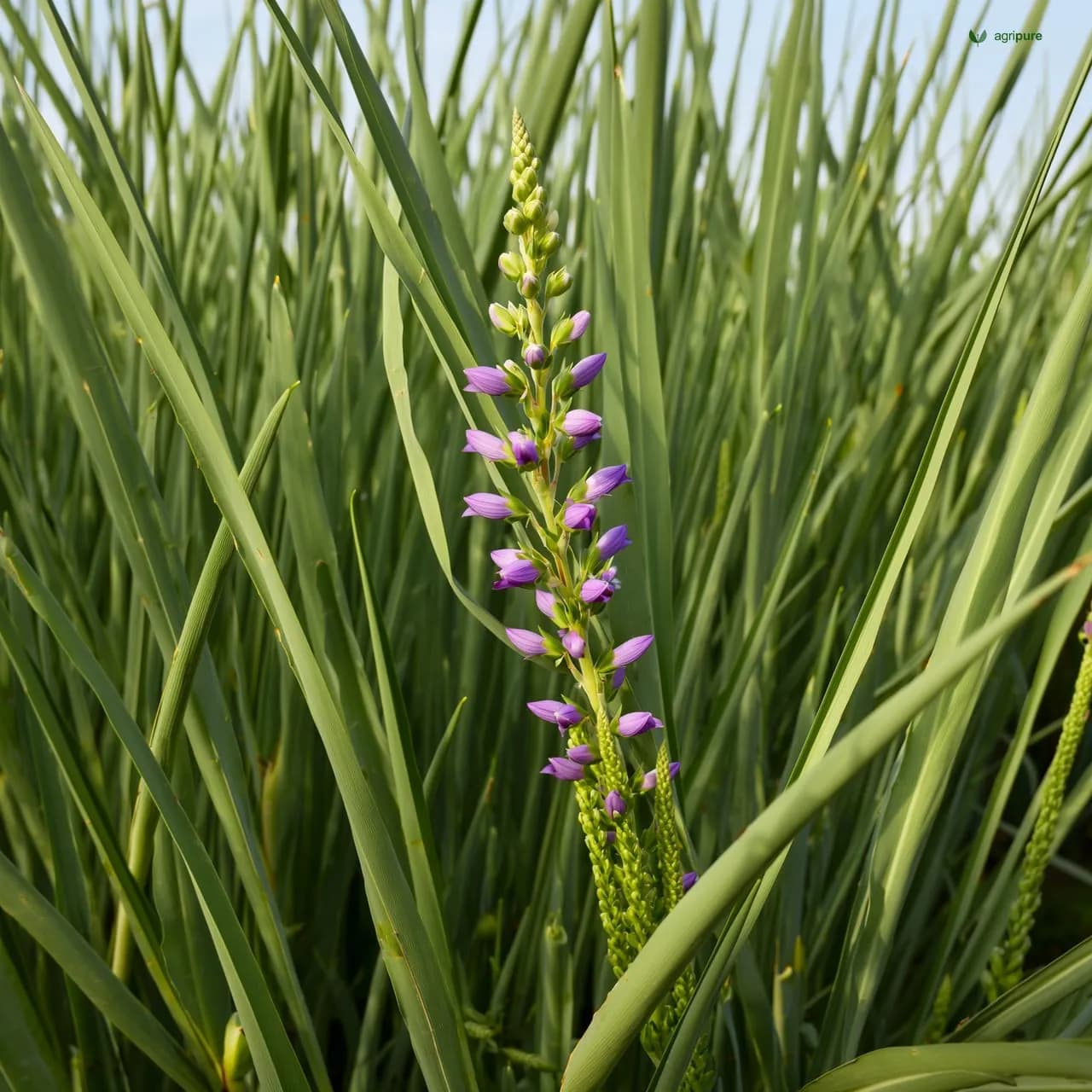
Green cardamom (Elettaria cardamomum) is a clump-forming, shade-loving evergreen perennial in the ginger family (Zingiberaceae), grown for the intensely aromatic seeds held inside its small pods. It is native to the humid tropical rainforests of southern India (especially the Western Ghats and Cardamom Hills along the Malabar Coast) and Sri Lanka, and is now grown commercially in Guatemala, Tanzania, Vietnam, Costa Rica, and other tropical regions. For the homesteader, this is a niche understory spice crop rather than a sun bed plant: it only earns its keep where you can give it warmth, steady humidity, and deep shade, which for most growers means a greenhouse, a sheltered tropical garden, or a large container brought indoors.
The plant grows as a dense clump of erect pseudostems rising from underground rhizomes. In the ground under tropical conditions it typically reaches about 2 to 4 m (roughly 7 to 13 ft) tall, with landscape figures cited as high as 15 ft; grown indoors as a foliage plant it usually stays nearer 2 to 4 ft, slowly building toward 10 ft over five to ten years in a large container. The leaves are sword-shaped (linear-lanceolate), alternate along the pseudostems, about 40 to 60 cm (16 to 24 in) long with a long pointed tip, and fragrant when crushed. In suitable conditions, thin trailing flowering stems form at or near ground level more or less year-round, carrying flowers pollinated mainly by insects and bees.
Growing green cardamom
The standard way to propagate cardamom is by division of the fleshy, knobby rhizomes taken from an established clump. It is also raised commercially from seed, but reliable homestead-scale seed-starting specifics are not well documented in the horticultural sources here, so they are left out rather than guessed at.
Give cardamom loamy, well-drained, consistently moist soil that is rich in organic matter, with a slightly acidic pH of about 5.5 to 6.8.1 For container culture, a sandy-loam mix amended with organic matter and well-rotted manure suits it well. Above all it is a shade plant: in its native habitat and in plantations it grows under the canopy of tall trees, and direct sun must be avoided. Sudden changes in its environment also stress it, so it rewards a stable, sheltered spot.
Cardamom is a creature of humid, non-fluctuating tropical conditions. It does best with temperatures around 65 to 95 °F (18 to 35 °C) and roughly 75% humidity, and for good flowering and fruiting daily temperatures should rarely dip below about 72 °F (22 °C). It is distinctly cold-sensitive: growth suffers below 50 °F (10 °C), and prolonged exposure under that threshold damages the plant. Landscape hardiness is given as **USDA zones 10a to 13b**, with horticultural sources broadly citing zones 10 to 12 as suitable; in any cooler climate it must be grown indoors, in a heated greenhouse, or even as a warm bathroom plant.
Harvest and uses
The fruit is a three-angled, yellow-green pod (capsule), typically about 1 to 2 cm long, holding numerous — often around 15 to 20 — black-brown aromatic seeds. The key harvest cue is timing: pods are picked before they are fully ripe, so they do not split open and shed their seeds. Because flowering can run year-round in true tropical conditions, harvest is a matter of repeatedly going over the clumps for pods at the right stage rather than a single seasonal cut.
The seeds are the prize. They are widely used as a culinary spice and have a long history in traditional medicine, which together account for the plant’s commercial value. The horticultural sources here do not give reliable per-plant yield figures, so none are stated.
How to identify it
Use this combination of features to recognize green cardamom:12
- Habit: a herbaceous, evergreen perennial forming dense clumps of erect pseudostems from underground rhizomes, several metres tall in tropical ground.
- Leaves: sword-shaped (linear-lanceolate), 40 to 60 cm long, alternate, with a long pointed tip and a fragrance when crushed.
- Flowers: borne on thin, trailing stems at or near ground level, produced year-round in suitable conditions, insect- and bee-pollinated.
- Fruit: a small, three-angled, yellow-green pod about 1 to 2 cm long, holding roughly 15 to 20 black-brown aromatic seeds.
Safety and cautions
Green cardamom is non-toxic as a food spice in normal culinary quantities, which is how the great majority of people use it. The research does note that concentrated medicinal use warrants caution for certain people, distinguishing everyday seasoning from the use of strong extracts or supplements. This profile describes the plant’s traditional and culinary use only and makes no medical claims; it does not recommend any dose. As a general principle, anyone who is pregnant or breastfeeding, or who takes prescription medication, should seek qualified medical advice before using cardamom in concentrated medicinal form rather than as an ordinary kitchen spice.
Sources
- Elettaria cardamomum (Cardamom) — NC State Extension Gardener Plant Toolbox
- Elettaria cardamomum — Wikipedia
- Elettaria cardamomum — Plants 400, University of Oxford Herbaria
- Cardamom (Elettaria cardamomum) — Log House Plants
- Elettaria cardamomum — Missouri Botanical Garden Plant Finder