secondary
Henna
mehndi
Lawsonia inermis
Also known as Mehndi (Pakistan, India).
- punjab plains
- sindh coast
International hardiness
- USDA 10-12
- RHS H1c
- AU: Tropical, Subtropical, Arid / semi-arid
Where it grows — regional guide
| Zones / rating | Regional notes |
|---|---|
USDA 10-12 | Perennial outdoors only in frost-free parts of the south and southwest; elsewhere it is a container plant brought in before frost, grown for dye leaf rather than anything edible. |
| Zones / rating | Regional notes |
|---|---|
H1c (5 to 10C) | No region-specific data yet |
| Zones / rating | Regional notes |
|---|---|
Tropical, Subtropical, Arid / semi-arid | Suited to arid, tropical and subtropical gardens on free-draining ground in full sun; it is native to northern Australia, and the leaf is a dye that should not be eaten. |
| Zones / rating | Regional notes |
|---|---|
USDA 10-12 (USDA scale) Canada uses its own zone system; Canadian zones run roughly one lower than USDA. | No region-specific data yet |
| Zones / rating | Regional notes |
|---|---|
Punjab plains, Sindh coast | Pakistan:A drought-tolerant hedge and dye shrub of the hot plains and coast, grown for leaves that are dried and ground; the leaf is for dye rather than eating and is kept away from children. India:Grown as a field crop and boundary hedge in the dry northwest, where it copes with intense heat and poor soil; the leaf is a dye rather than a food and is kept away from children. |
Henna (Lawsonia inermis) is a heat-loving dye shrub in the loosestrife family (Lythraceae), the source of the reddish lawsone pigment long used to stain hair, skin, and cloth. It is the only commonly recognised species in its genus, native across northern and eastern Africa, western and southern Asia, and northern Australia, mostly in semi-arid tropical and subtropical country. For a homesteader working a hot, dry corner of the property, the appeal is that henna asks for very little: it shrugs off drought, poor stony ground, and low humidity, turning sun-baked marginal land into a useful dye-leaf crop rather than wasted space.
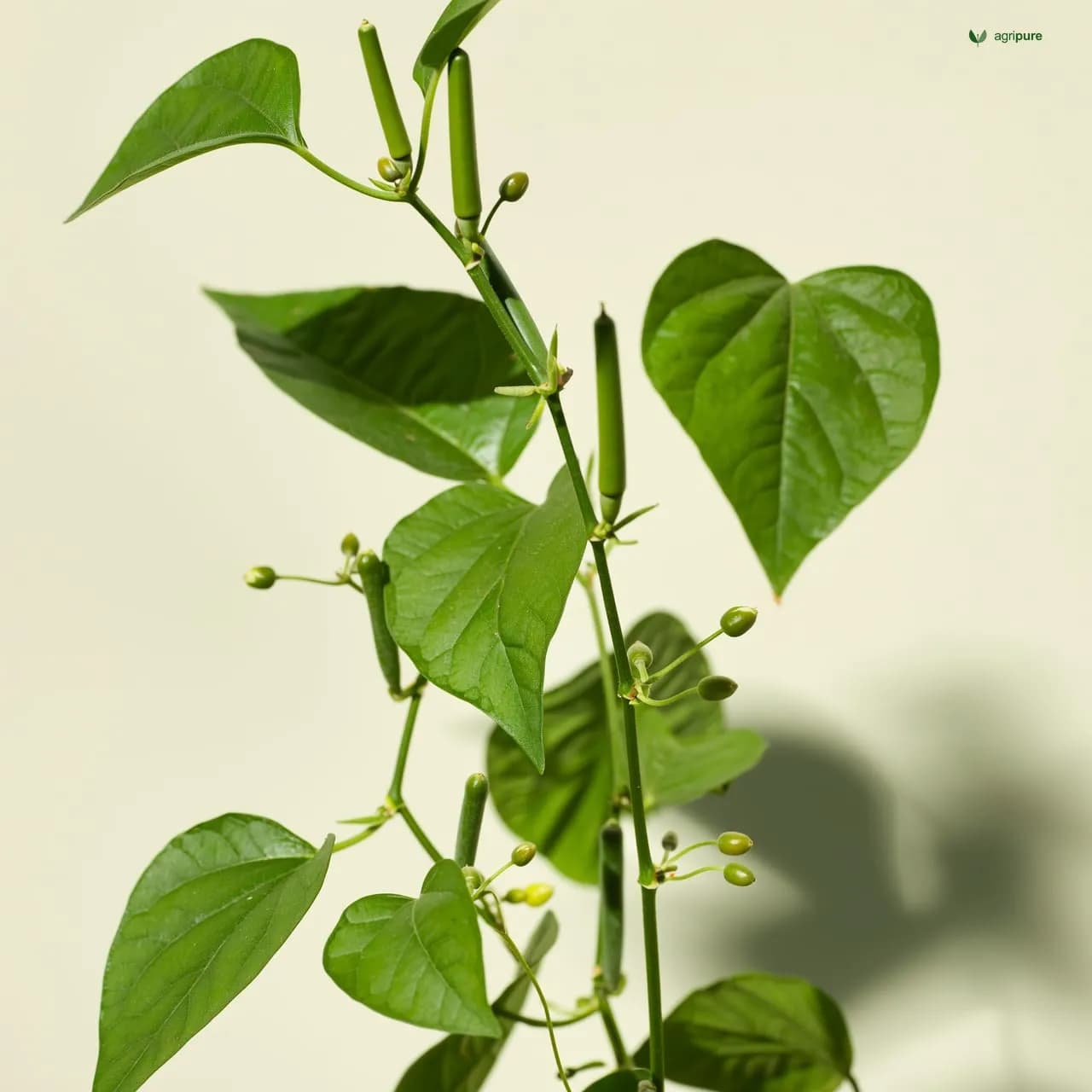
Henna is a much-branched, smooth (glabrous) shrub or small tree, typically 2 to 6 m tall, with older plants developing spine-tipped branchlets, so a mature, untended bush can be genuinely thorny. The greyish-brown bark is smooth on young wood. Leaves are opposite, simple, and entire, elliptic to lance-shaped and roughly 1.5 to 5 cm long, somewhat thick and smooth. The small, strongly fragrant flowers appear in large, many-branched panicles; each has four sepals forming a shallow bowl and numerous stamens, with petals running from white through pink to pinkish-purple and often ageing red. The fruit is a small, round, brown capsule packed with tiny seeds. Together, the opposite thick leaves, spine-tipped branches, panicles of fragrant white-to-pink flowers, and little brown capsules set henna apart from ordinary shrubs.
Growing henna
Henna belongs to warm, frost-free climates and does not tolerate frost, the single most important constraint for a grower. It occurs naturally in semi-arid regions, often along watercourses, yet is genuinely drought tolerant and adapted to low air humidity once established. Across the sites where it grows, recorded mean annual rainfall spans an enormous range, roughly 200 to 4,200 mm, so it copes with near-desert and monsoonal conditions alike, provided temperatures stay high and the soil drains freely. Because primary sources describe its climate without assigning hardiness zones, treat it as a tender, tropical-to-subtropical shrub for roughly USDA zones 9 to 11, container-grown and moved under cover before frost in colder areas. That zone band is an informed horticultural inference from its frost-sensitivity, not a figure from the botanical literature.
- Propagation: The clearly supported method is seed, which is how henna is commonly grown. Germination depends on warmth: the plant requires high temperatures to germinate, grow, and develop, so sow into a warm bed or start seed under heat. (Cuttings are sometimes used, but the reliable sources here do not document a protocol, so seed is the dependable route.)
- Sun: Give it full sun. Every description places henna in open, hot, exposed sites, and it is a full-sun plant by nature.
- Soil: It prefers sandy soils but tolerates clays and poor, stony ground, and thrives in dry environments with poor soil. It grows well across a broad pH range, with an optimum of about 4.3 to 8.4
- Water and drainage: Being adapted to semi-arid, stony ground, henna needs good drainage and very little irrigation once established; keep it lean and dry rather than wet.
Detailed sowing dates, plant spacing, and time-to-harvest figures vary by region and are not consistently documented in the sources here, so they are left out rather than stated with false precision. Treat henna like other warm-season dryland shrubs: sow warm, plant in full sun on free-draining ground, and avoid heavy, waterlogged soils.
Harvest and uses
The harvested product is the leaf, dried and ground to powder, which is the source of lawsone, the reddish dye used on hair, skin, and textiles. Beyond dye, henna leaves have been the subject of pharmacological study, carrying documented antimicrobial and other biological activity that underpins the plant’s long history of traditional medicinal use. As a structural plant it also earns its place — a dense, much-branched, somewhat spiny shrub makes a serviceable living hedge or boundary on a hot, exposed edge.
Safety and cautions
Henna is grown for dye and traditional remedies, not as food, and the sources are explicit that its use carries real toxicity concerns, especially from oral use and in children. A few grounded points for any homesteader handling it:
- The documented concerns centre on ingestion and use in children, so the leaf and its powder should not be eaten or given internally.
- Henna has a long record of traditional medicinal use and its compounds have been studied scientifically, but that is not the same as a proven treatment; this profile makes no claim that henna treats or cures any condition.
As a general principle with any plant used medicinally, anyone who is pregnant or breastfeeding, and anyone treating a child, should seek qualified medical advice before internal use, and no dosage should be self-devised. Grow henna for its dye and its hardiness, and keep the leaf out of reach of small children.
Sources
- Lawsonia inermis — Wikipedia
- Lawsonia inermis L. (henna) classification — USDA PLANTS Database
- Lawsonia inermis — Awkward Botany
- Lawsonia inermis — Agroforestree Database, World Agroforestry Centre (ICRAF)
- Lawsonia inermis L. (henna): a comprehensive review — Researchfloor (Plant)
- Therapeutic potential of Lawsonia inermis Linn — PMC (National Library of Medicine)