climax
Mango
Mangifera indica
Also known as Aam (Pakistan, India).
- punjab plains
- sindh coast
International hardiness
- USDA 10-11
- RHS H1b
- AU: Tropical, Subtropical
Where it grows — regional guide
| Zones / rating | Regional notes |
|---|---|
USDA 10-11 | Grown outdoors in frost-free regions of southern Florida and California; young trees cannot tolerate freezing temperatures. |
| Zones / rating | Regional notes |
|---|---|
H1b (10 to 15C) | No region-specific data yet |
| Zones / rating | Regional notes |
|---|---|
Tropical, Subtropical | A major commercial and garden tree in tropical and frost-free subtropical coastal zones, ripening fruit through warm months. |
| Zones / rating | Regional notes |
|---|---|
USDA 10-11 (USDA scale) Canada uses its own zone system; Canadian zones run roughly one lower than USDA. | No region-specific data yet |
| Zones / rating | Regional notes |
|---|---|
Punjab plains, Sindh coast | Pakistan:The main orchard fruit tree of the irrigated plains; it flowers best when the spring bloom period stays dry and sunny, and the fruit ripens through the hottest part of summer. India:The national fruit tree cultivated across tropical and subtropical plains, flowering in dry winter and ripening through summer. |
Grows alongside
Species that appear with Mango in 21 of our published guides — a starting list for a guild, not a planting plan.
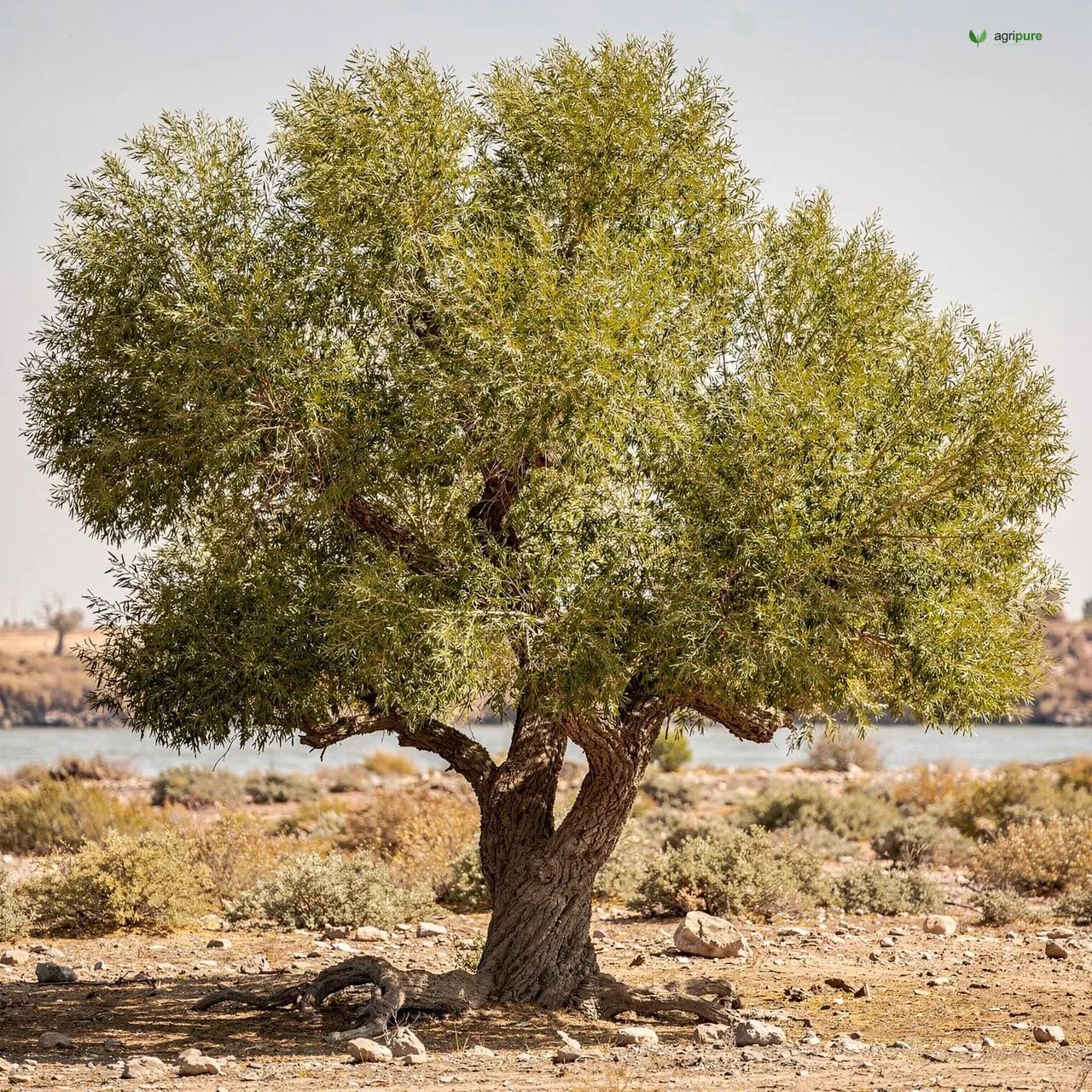
Mango (Mangifera indica) is a large evergreen fruit tree in the cashew family, Anacardiaceae, grown across warm regions for its sweet fruit and broad, shade-giving crown. It is native to southern Asia; USDA NRCS describes its origin as southern Asia, especially Burma and eastern India. For the homesteader, mango is a long-term planting: a single tree settles in for decades, throwing dense shade and a heavy summer fruit crop, so it earns the spot you give it on a warm-climate property.
The tree is large and broad-crowned, commonly reaching about 30 to 60 feet tall with a dense canopy and showy clusters of flowers; new flushes of foliage are often reddish-purple before they harden off to green. Mature size varies a good deal with cultivar and climate: Hawaii CTAHR notes cultivated trees are frequently 3 to 10 metres tall, while trees in general can reach 15 to 30 metres. The fruit is edible and the tree doubles as a shade tree in warm-climate landscapes.
Growing mango
Mango is a tropical-to-subtropical tree that performs best in USDA zones 10B to 11.14 Give it full sun and fertile, well-drained soil with ample moisture. USDA NRCS reports it prefers a dry season for flowering and fruiting, and grows on soils with a pH of roughly 5.5 to 7.5.15 It tolerates a wide spread of soil textures and chemistries, including clay, sand, loam, alkaline, and acidic ground, but poor drainage is unfavorable, so siting on well-drained land matters.
Propagation is commonly by budding or veneer grafting onto seedling rootstocks, which fixes a chosen cultivar rather than relying on variable seedlings. Mango is described as a fast-growing tree, though the time to fruiting maturity is variable with cultivar and site. Because trees can spread 30 to 50 feet across at maturity, standard landscape spacing should reflect that eventual width rather than the size of a young tree. The species also prefers a dry season to set flowers, so growers in climates with a defined dry spell at flowering time are well placed.
Harvest and uses
Harvest timing and yield are strongly cultivar- and site-dependent, and the available sources do not give a single reliable yield figure for a home orchard, so it is best judged against your own variety and conditions rather than a fixed number. The UF/IFAS guide notes that fruit and leaf litter can be abundant enough to become a nuisance, a useful planning point when siting a tree near paths or paving, and that mango trees in south Florida begin flowering in March and early April. Hawaii CTAHR describes the species as bearing edible fruit in tropical and subtropical regions.
The fruit is edible and widely used fresh and as a food crop. Beyond the kitchen, the tree is planted as a hedge, screen, shade, and fruit tree, its dense canopy making it valuable for shade in warm-climate landscapes. The bark contains tannins that are used for dyeing, giving the tree a minor material use. Various parts of the plant also have a documented history of traditional medicinal use in Ayurvedic and indigenous systems.
Safety and cautions
Mango deserves real caution on the allergy front. UF/IFAS notes that some people are allergic to the pollen, the sap, and even the fruit. This is reinforced by the tree’s botanical company: mango belongs to the Anacardiaceae, the family that also includes poison ivy and cashew relatives. The sources do not catalogue every part as poisonous, but they clearly identify pollen, sap, and fruit as potential allergy triggers, so handle pruning and sap exposure with care.
On the medicinal side, the reviewed literature concerns traditional use and pharmacology rather than clinical safety; it does not establish dosage, drug-interaction safety, or who should avoid the plant medicinally. Because pollen, sap, and fruit can all provoke reactions, people with known mango or Anacardiaceae sensitivity should avoid exposure and ingestion unless medically cleared.
Sources
- “Mangifera indica: Mango.” University of Florida IFAS Extension.
- Review of Mangifera indica traditional uses and pharmacology. National Center for Biotechnology Information (PMC).
- “Mangifera indica.” Wikipedia.
- “Mango (Mangifera indica).” University of Hawaii CTAHR, College of Tropical Agriculture.
- USDA NRCS Plant Guide. USDA Natural Resources Conservation Service.