climax
Climbing Wattle (Aila Acacia)
aila / arar
Senegalia caesia
- kpk hills
- pothohar
International hardiness
- USDA 10-11
- RHS H1c
- AU: Tropical, Subtropical
Where it grows — regional guide
| Zones / rating | Regional notes |
|---|---|
USDA 10-11 | No region-specific data yet |
| Zones / rating | Regional notes |
|---|---|
H1c (5 to 10C) | No region-specific data yet |
| Zones / rating | Regional notes |
|---|---|
Tropical, Subtropical | No region-specific data yet |
| Zones / rating | Regional notes |
|---|---|
USDA 10-11 (USDA scale) Canada uses its own zone system; Canadian zones run roughly one lower than USDA. | No region-specific data yet |
| Zones / rating | Regional notes |
|---|---|
KPK hills, Pothohar | Pakistan:A vigorous, prickly native climbing acacia of moist KPK hills and Pothohar; fixes nitrogen high in forest canopies, but bark is toxic to aquatic life. India:Native across the Himalayan foothills of India; scrambles into tree canopies to fix nitrogen and provide fodder, but bark acts as a fish poison. |
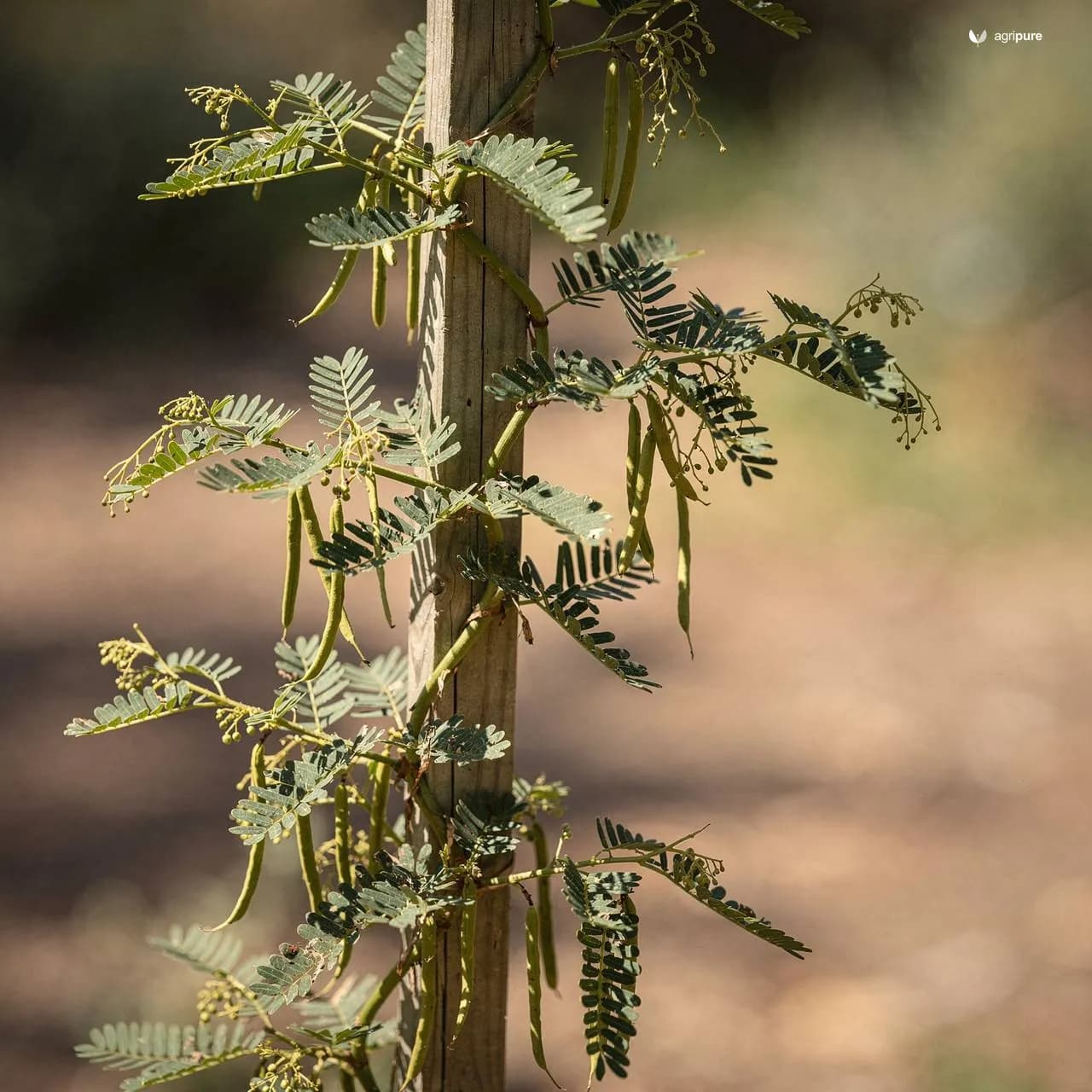
Climbing wattle (Senegalia caesia, aila or arar, long known as Acacia caesia) is a large climbing, prickly nitrogen-fixing acacia of mature sub-Himalayan forest, a woody liana that scrambles high into the canopy of the the KPK hills and the the Pothohar plateau. Its foliage is browsed and its stems are lopped for firewood, and underground it fixes nitrogen. On a syntropic site it is a climax-stage liana and a support species: a long-lived canopy climber that feeds the soil and gives fodder and fuel from the upper layers.
Where it thrives
It is native across the Indian subcontinent to southern China and Indo-China, including the east and west Himalaya, growing in forests, forest margins, and secondary and disturbed woodland at elevations from about 200 to 2,500 m. That range and altitude band place it through the moist hill forests of the KPK belt and the higher Pothohar. It is a plant of standing forest and its edges rather than open ground, using its prickles and scrambling habit to climb established trees, so it belongs to the closed-canopy stage of a system.
Role in the system
Treat it as a climax liana and a support species. Like other acacias it carries a symbiosis with soil bacteria that nodulate its roots and fix atmospheric nitrogen, feeding neighbouring plants — the support role, delivered from a vine rather than a standing tree. It climbs into the canopy of established trees, taking its light high without holding ground at the lower layers, which is why it suits the mature stage of a guild rather than the early years. Its design value is fertility plus browse and fuel won from the upper layers of a forest that is already standing. The trade-off is its vigour and prickles: it can scramble high and dense, so it is placed where that climbing growth is wanted and kept off plants it would overwhelm.
What you get
The returns are fodder, fuel, and fertility. The foliage is browsed and lopped as fodder for stock, and the woody stems cut for firewood, the everyday uses of a climbing acacia on hill farms where every tree and vine is asked to do more than one job. Underground, its nitrogen fixation builds soil for the wider planting, so what it gives below ground outlasts any single harvest above it. The bark carries other traditional uses too — it is rich in saponins and used as a soap substitute and a hair wash, tannin-rich bark is an astringent for diarrhoea and wounds, and the bark and parts of the plant are used as a parasiticide and a fish poison. For a maturing hill forest, it is a single vine that supplies browse, firewood, and nitrogen from the canopy at once, which is a good deal of return from a plant that takes none of the ground.
Sources
- Useful Tropical Plants. “Senegalia caesia.” (climbing prickly habit, nitrogen-fixing root nodules, saponin and tannin bark uses).
- Plants of the World Online. “Senegalia caesia (L.) Maslin, Seigler & Ebinger.” Royal Botanic Gardens, Kew (native range including the Himalaya, elevation, habitat).
Sourcing notes
Raise from scarified seed like other acacias; give it a strong host tree or sturdy support to climb, and expect to manage its prickly growth, which can scramble high into a canopy.