climax
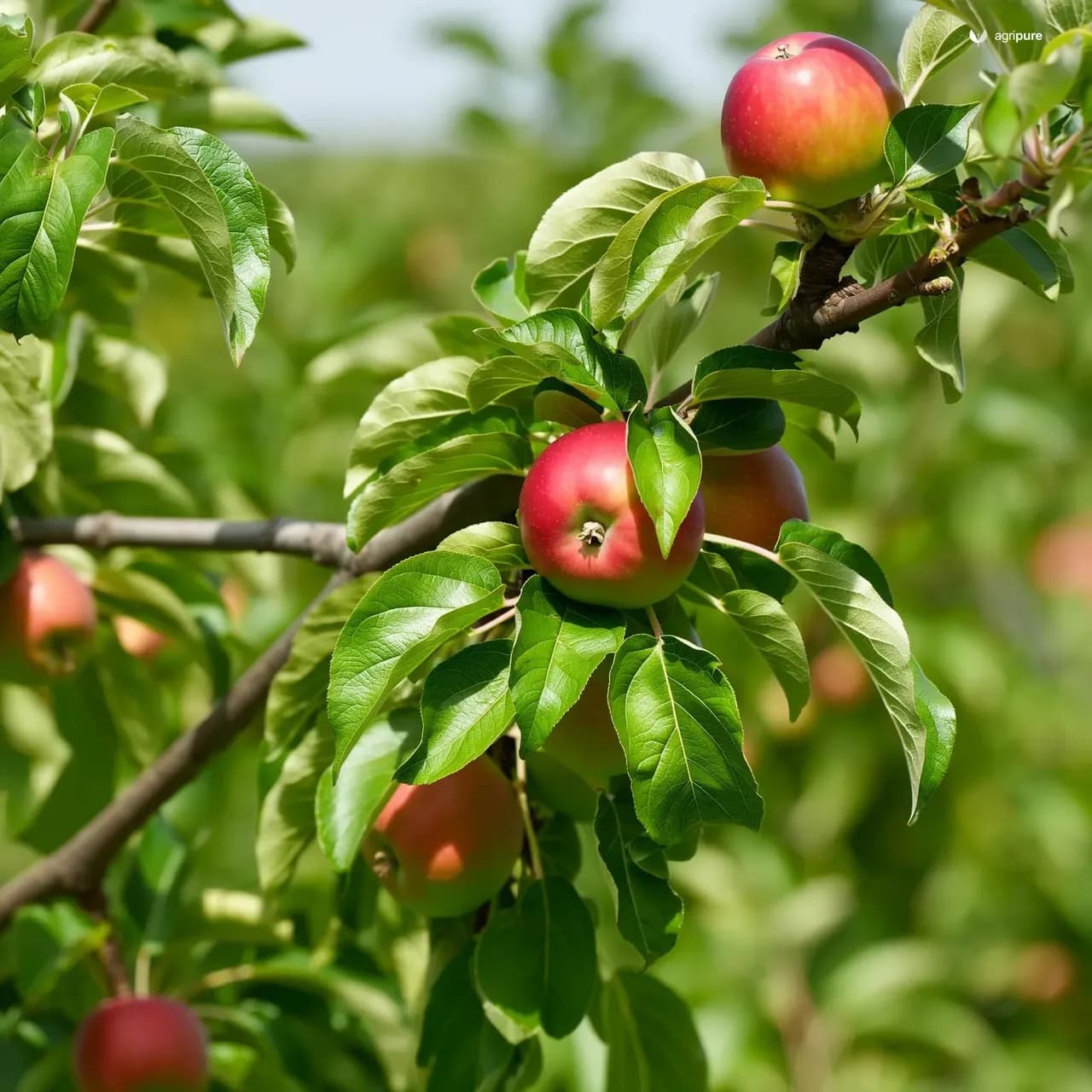
Apple — Mashadi (Early Highland Sweet Apple)
سیب مشہدی
Malus domestica
- balochistan highlands
International hardiness
- USDA 4-8
- RHS H6
- AU: Cool temperate, Warm temperate, Mediterranean
Where it grows — regional guide
| Zones / rating | Regional notes |
|---|---|
USDA 4-8 | No region-specific data yet |
| Zones / rating | Regional notes |
|---|---|
H6 (-20 to -15C) | No region-specific data yet |
| Zones / rating | Regional notes |
|---|---|
Cool temperate, Warm temperate, Mediterranean | No region-specific data yet |
| Zones / rating | Regional notes |
|---|---|
USDA 4-8 (USDA scale) Canada uses its own zone system; Canadian zones run roughly one lower than USDA. | No region-specific data yet |
| Zones / rating | Regional notes |
|---|---|
Balochistan highlands | Pakistan:A local highland apple selection of Balochistan, grown in upland valleys where cold winters supply necessary chill. |
Mashadi (often grouped with early-season Iranian Mashhad and Balochistan/Kashmiri sweet summer apples) is a traditional early-ripening local market apple cultivar grown across the highland valleys of Balochistan (Quetta, Pishin, Ziarat, Kalat, and Mastung) and northern border orchards at elevations between 1,500 and 2,400 metres. Prized for its low-acid, aromatic cream-white flesh and early summer harvest ahead of maincrop Red and Golden Delicious cultivars, it thrives in dry continental mountain climates.
Orchard ecology, rootstocks, and chill requirements
Like other traditional highland cultivars of Malus domestica, Mashadi performs best across USDA Zones 4 to 8 (RHS H6) where winter temperatures provide 500 to 800 hours of chill below 7°C followed by bright, low-humidity summers. Because regional nurseries propagate Mashadi on both vigorous seedling crabapple rootstocks and clonal semi-dwarfing rootstocks (such as MM106, M7, and M9), mature tree height ranges from 2.5–3.5 metres on dwarfing stock to 5–7 metres on seedling roots.
Pollination, irrigation, and syntropic guild design
Mashadi is self-incompatible and requires cross-pollination from a compatible early- to mid-blooming diploid cultivar (such as Red Delicious, Golden Delicious, Gala, or crabapple pollinators) planted within 15 to 25 metres. In upland Balochistan and northern valley orchards, trees are established in mulched basins or contour swales paired with nitrogen-fixing understories (white clover, lucerne, or Russian olive shelterbelts) and bulbous alliums to suppress apple woolly aphid and crown rot.
- Site and soil: Full mountain sun (6–8+ hours daily) in deep, well-drained gravelly loam or alluvial silt loam (pH 6.0–7.2); avoid saline or waterlogged clay basins where Phytophthora crown rot develops.
- Irrigation schedule: Maintain steady soil moisture from pink-bud through June fruit sizing; avoid heavy overhead irrigation that promotes apple scab (Venturia inaequalis) and powdery mildew.
- Harvest and handling: Mashadi ripens early in summer with thin, pale yellow-green skin blushed pink in high-altitude sun; harvest promptly for fresh local market use, as early summer sweet apples have a shorter cold-storage life than late-autumn storage cultivars.
Sources
- Pakistan Agricultural Research Council (PARC). Deciduous Fruit Production in Balochistan and Northern Areas (Malus domestica cultivars and rootstock management). Islamabad.
- Tareen, M.J., Abbasi, N.A. & Hafiz, I.A. Apple cultivar performance and orchard management in highland Balochistan. Pakistan Journal of Agricultural Sciences.