Key takeaways
- Sow cool-season crops like spinach, carrots, and kale in midsummer (July-August) for a fall and winter harvest, extending your gardening season by several months.
- Practice crop rotation by moving plant families to new beds each season to prevent pest buildup and nutrient depletion, aiming for a 3-4 year cycle.
- Implement succession planting by sowing small batches of crops every 2-3 weeks to ensure a continuous supply of fresh vegetables through autumn.
- Consult a USDA zone-specific planting calendar to determine optimal sowing times; for example, gardeners in USDA zone 6 can sow spinach in early August.
- Prepare garden beds with compost and ensure consistent moisture, especially during hot midsummer days, to support germination and early growth.
- Select cold-hardy varieties of crops such as ‘Winterbor’ kale or ‘Bloomsdale Long Standing’ spinach for best results in cool-season gardening.
Quick answer: Extend your harvest by midsummer sowing cool-season crops like spinach, carrots, and kale in July-August for fall and winter yields. This approach, combined with crop rotation and succession planting, maximizes garden productivity in USDA Zones 5-9.
In the humid summer heat of Georgia, or the dry warmth of central California, many gardeners start thinking about winding down their vegetable patches. But for those aiming to extend their harvest well into the cooler months, midsummer — typically July and August — is a critical time for planting. This period is a good opportunity to sow seeds for a bountiful fall and winter yield. It can turn otherwise barren beds into productive spaces, even in USDA zones as cold as 5 or 6.
This approach does more than add food; it makes your garden more resilient and productive year-round. By understanding the principles of crop rotation, strategic succession planting, and a zone-specific planting calendar, you can ensure a consistent supply of fresh vegetables. We’ll explore how to get the most out of your garden during this often-overlooked planting window, building on decades of agricultural knowledge [2].
The logic of midsummer sowing for cool-season crops
Midsummer sowing might seem counterintuitive when temperatures regularly hit 90°F, but it’s a strategic move for many cool-season vegetables. These crops, including lettuce, spinach, kale, and carrots, thrive in the decreasing daylight and cooler temperatures of autumn, but they need time to establish before the first hard frost. For example, a gardener in USDA zone 7 might aim to sow spinach seeds around August 15th to allow 40-50 days for maturity before sustained cold weather arrives [4].
The key is to get seeds germinated and seedlings established during the late summer, when soil temperatures are still warm enough for quick sprouting, but before the intense heat of July has fully faded. Once autumn arrives, the plants benefit from the cooler air and often more consistent rainfall, leading to sweeter, more tender produce. This method can extend the harvest season by 6-8 weeks, sometimes even longer in milder climates like USDA zone 9, where some greens can overwinter with minimal protection.
managing heat and moisture for germination
Successful midsummer sowing requires careful attention to moisture and temperature. Seeds need consistent hydration to germinate, especially when summer sun can dry out soil quickly. Consider using shade cloth to reduce soil surface temperatures by 10-15°F and conserve moisture. Watering deeply in the early morning or late evening, aiming for 1 inch of water per week, matters most for young seedlings. For crops like beets, which can be direct-sown to ensure the soil remains damp for the first 7-10 days after planting is paramount for good germination rates, often exceeding 80% with proper care. Learn more about growing beets, including thinning and cool-season timing.
- Choose heat-tolerant varieties for midsummer sowing.
- Provide consistent moisture, especially during germination.
- Use shade cloth to protect young seedlings from intense sun.
- Sow seeds slightly deeper than in spring, about 0.5 inches for most greens.
- Monitor soil temperature; aim for below 85°F for optimal germination of many brassicas.
Crop rotation for healthy fall beds
Crop rotation is a fundamental practice for maintaining soil health and preventing the buildup of pests and diseases, especially when planning continuous harvests. The basic principle involves moving plant families to different beds each season, ideally on a 3-4 year cycle. For instance, if you grew tomatoes (a Solanaceae) in bed A this summer, avoid planting fall potatoes (also Solanaceae) or other related crops in the same bed. Instead, follow with a different family, such as brassicas like kale or broccoli, which are excellent cool-season choices [1].
This practice helps break disease cycles and prevents specific nutrient depletion. For example, heavy feeders like corn can deplete nitrogen from the soil. Following corn with a legume cover crop or a lighter feeder like carrots can help restore balance. In a typical 100 square foot garden, rotating crops can reduce disease incidence by 40% and improve nutrient availability by 20% over several seasons.
planning your rotation strategy
When planning for fall and winter crops, consider the previous season’s occupants. If a bed hosted a lot of Brassicas (cabbage, broccoli, kale) in the spring, it’s best to move them to a different spot for your fall planting. Instead, plant root crops like carrots or beets, or leafy greens like lettuce or spinach, which have different nutritional needs and pest pressures. For a small garden in USDA zone 6, a simple three-bed rotation might involve: Bed 1 (legumes/root crops), Bed 2 (leafy greens), Bed 3 (brassicas). Timing the cool-season window for broccoli is essential for a successful rotation.
- Divide your garden into 3-4 sections for rotation planning.
- Group crops by family (e.g., Brassicas, Legumes, Solanaceae, Root Crops).
- Avoid planting the same family in the same spot for at least 3 years.
- Follow heavy feeders with light feeders or nitrogen-fixing cover crops.
- Record your planting locations annually to track your rotation progress.
Succession planting for continuous harvests
Succession planting is the practice of making multiple plantings of the same crop, or different crops, in sequence to ensure a continuous harvest rather than a single large yield. For fall and winter gardening, this means sowing small batches of seeds every 2-3 weeks, rather than planting an entire bed at once. This strategy is particularly effective for fast-growing greens like radishes, lettuce, and spinach. For example, in USDA zone 8, you might sow a 3-foot row of ‘Buttercrunch’ lettuce every two weeks from mid-August through September, yielding a steady supply of fresh heads.
This method helps manage gluts and ensures a fresh supply of vegetables over a longer period. Instead of harvesting 20 pounds of spinach all at once, you might harvest 3-5 pounds every week for a month or more. It also provides a buffer against unexpected weather events or pest issues; if one planting fails, another is already on its way. For a typical family garden of 200 square feet, succession planting can increase the total harvest duration by 50%.
choosing crops and timing for succession
When planning succession planting for fall, focus on crops with relatively short maturity times. Radishes, for instance, can go from seed to harvest in as little as 25-30 days, making them ideal for frequent, small plantings. Learn more about growing radishes, the fastest crop. Spinach, with a maturity time of 30-50 days, is another excellent candidate. In USDA zone 5, you might make your last spinach sowing by early September, while in zone 9, you could continue into October. Consider varieties that are known for slow bolting, especially for late summer plantings when temperatures can still be high.
- Plant small amounts of quick-maturing crops every 2-3 weeks.
- Focus on leafy greens, root crops, and bush beans for succession.
- Note the ‘days to maturity’ for each variety to plan your schedule.
- Allow for slightly longer maturity times in cooler fall conditions.
- Plan your last succession planting based on your zone’s average first frost date, subtracting 10-14 days for establishment.
USDA zone planting calendar for midsummer sowing
A USDA plant hardiness zone map is a useful tool, but for fall and winter gardening, it’s more about understanding your average first frost date than just winter lows. Midsummer sowing dates are highly dependent on your specific zone and the typical length of your growing season. For example, gardeners in USDA zone 5, with an average first frost in early October, need to sow cool-season crops like peas by mid-July to ensure maturity. Growing peas from seed to harvest can yield a second fall crop.
Conversely, those in warmer climates like USDA zone 9, where the first frost might not arrive until late November or even December, have a longer window, often able to sow greens well into September. The goal is to give plants enough time to reach a harvestable size before sustained cold weather slows their growth significantly. Most cool-season crops need 40-60 days of growth.
zone-specific crop recommendations
Here’s a general guide for midsummer sowing by USDA zone, focusing on common cool-season vegetables. Always check local extension office resources for precise dates, as microclimates can shift these by 1-2 weeks. For zones 5-6, focus on quicker-maturing varieties of kale, spinach, and carrots, aiming to sow by late July to early August. In zones 7-8, you have more flexibility, able to plant a wider range of brassicas, lettuce, and Swiss chard through August. Gardeners in zone 9 and above can often continue planting leafy greens and even some root crops like turnips into September and October, sometimes harvesting through the entire winter [5].
- USDA Zones 5-6: Sow spinach, kale, collards, and carrots by late July to early August.
- USDA Zones 7-8: Plant lettuce, Swiss chard, beets, and broccoli through August.
- USDA Zone 9+: Continue planting most leafy greens, radishes, and peas into September and October.
- All Zones: Consider cold frames or row covers to extend the harvest by an additional 3-4 weeks.
- All Zones: Select cold-hardy varieties like ‘Vates’ kale or ‘Winter Density’ lettuce for best results.
Protecting your cool-season harvest
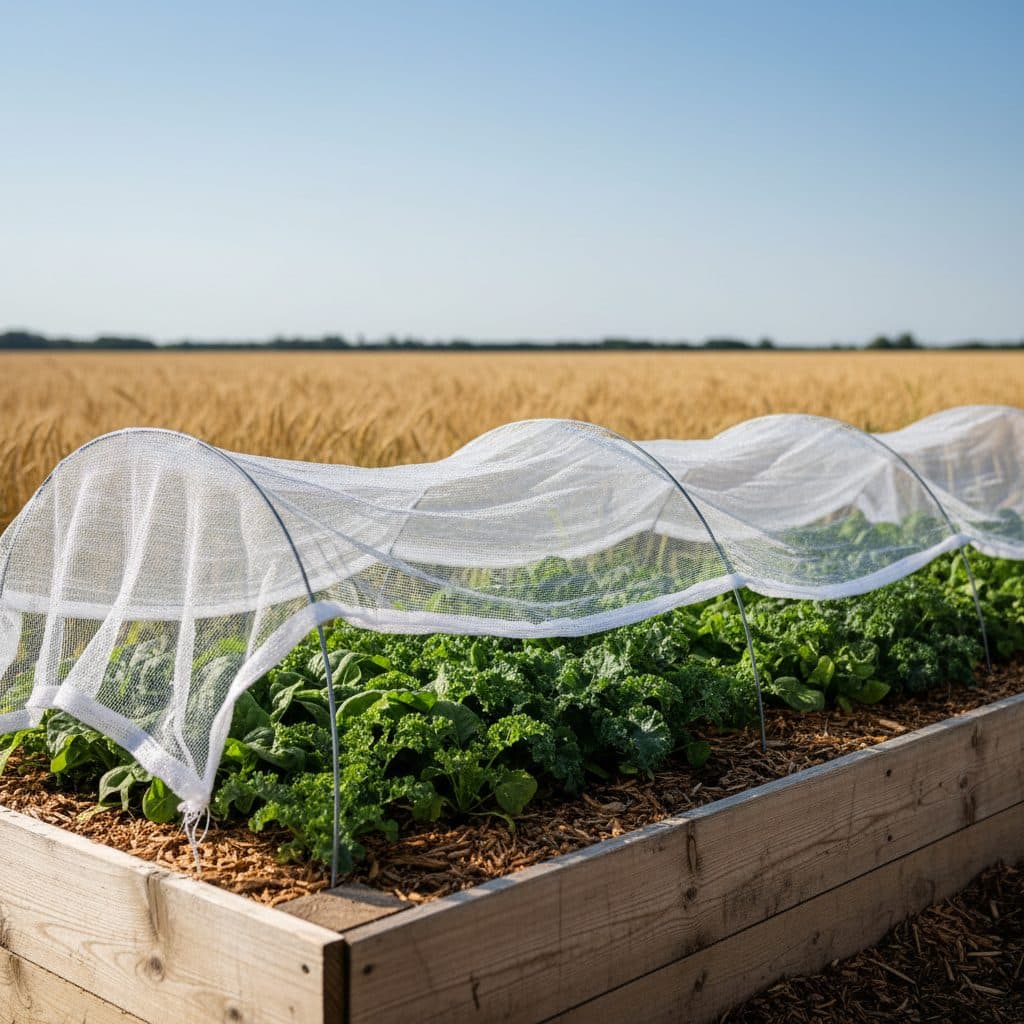
Once your fall and winter crops are established, protecting them from increasingly cold temperatures is key to maximizing your harvest. Even in relatively mild USDA zone 7, temperatures can drop below freezing, damaging tender leaves. Simple row covers made from agricultural fleece can raise the ambient temperature around plants by 5-10°F, significantly extending the harvest season. For more substantial protection, cold frames or hoop houses can keep greens growing even when outside temperatures are consistently below 30°F [3].
Mulching is another effective strategy. A 3-4 inch layer of straw, shredded leaves, or wood chips around plants helps insulate the soil, moderating temperature fluctuations and retaining moisture. This can be particularly beneficial for root crops like carrots and parsnips, which can often be left in the ground and harvested as needed, even in USDA zone 6, provided they have sufficient mulch. Mulching also suppresses weeds, reducing competition for water and nutrients by up to 70%.
winter storage and harvest techniques
For crops that can withstand light frosts, like kale and collards, harvesting after a light freeze can actually improve their flavor, making them sweeter. This is due to the plant converting starches to sugars as a natural antifreeze. For storage, root crops like carrots, beets, and potatoes can be kept in a cool, dark, and humid environment, such as a root cellar or even a cool basement, at temperatures between 35-40°F with 90-95% humidity [2]. Properly stored, many of these vegetables can last 3-6 months. Leafy greens are best harvested fresh, but some, like spinach, can be blanched and frozen for up to 10-12 months. Master the cut-and-come-again harvest for spinach to extend its yield.
- Use row covers or cold frames to protect plants from freezing temperatures.
- Apply a 3-4 inch layer of mulch to insulate soil and retain moisture.
- Harvest root crops before a hard freeze if not heavily mulched.
- Consider leaving hardy root crops in the ground under mulch for fresh winter harvest.
- Blanch and freeze excess greens for long-term storage, preserving up to 80% of nutrients.
Soil Temperature: For optimal germination of many cool-season crops in midsummer, aim to keep soil temperatures below 85°F, often achievable with shade cloth.
Harvest Extension: Strategic midsummer sowing and protection can extend your fresh vegetable harvest by 6-12 weeks, even in USDA zone 5.
Frequently asked questions
What are the best crops to sow in midsummer for a fall harvest?
Excellent choices include leafy greens like spinach, kale, collards, and lettuce, as well as root vegetables such as carrots, beets, and radishes. Many of these can mature in 30-60 days, making them ideal for a quick turnaround before winter.
How does crop rotation benefit my fall garden?
Crop rotation helps prevent the buildup of soil-borne diseases and pests, which can reduce crop yields by 30% or more. It also ensures a more balanced use of soil nutrients, leading to healthier plants and better harvests over a 3-4 year cycle.
Can I really grow vegetables through winter in colder USDA zones?
Yes, with proper protection. In USDA zone 6, for example, cold frames or thick layers of mulch can allow hardy crops like kale and carrots to be harvested even when temperatures drop below 20°F. Some varieties are specifically bred for cold tolerance.
What is succession planting, and why is it important for fall crops?
Succession planting involves making multiple small plantings every 2-3 weeks instead of one large planting. This ensures a continuous supply of fresh vegetables, preventing gluts and extending your harvest period by several weeks, often 4-6 weeks longer than a single planting.
How do I protect young seedlings from the midsummer heat?
To protect young seedlings from midsummer heat, use shade cloth to reduce direct sun exposure and lower soil temperatures by 10-15°F. Consistent watering, especially during the first 7-10 days after sowing, is also critical for successful germination and establishment.
References
- September: Plan For Fall (2019). September: Plan For Fall.
- STORING VEGETABLES FOR WINTER USE (1942). STORING VEGETABLES FOR WINTER USE.
- Winter botany, a companion volume to the author’s Plant materials of decorative gardening (1918). Winter botany, a companion volume to the author’s Plant materials of decorative gardening.
- Fall Vegetables (2007). Fall Vegetables.
- Winter Flowers (2007). Winter Flowers.
- Gardening for health: a regular dose of gardening (2018). Gardening for health: a regular dose of gardening.