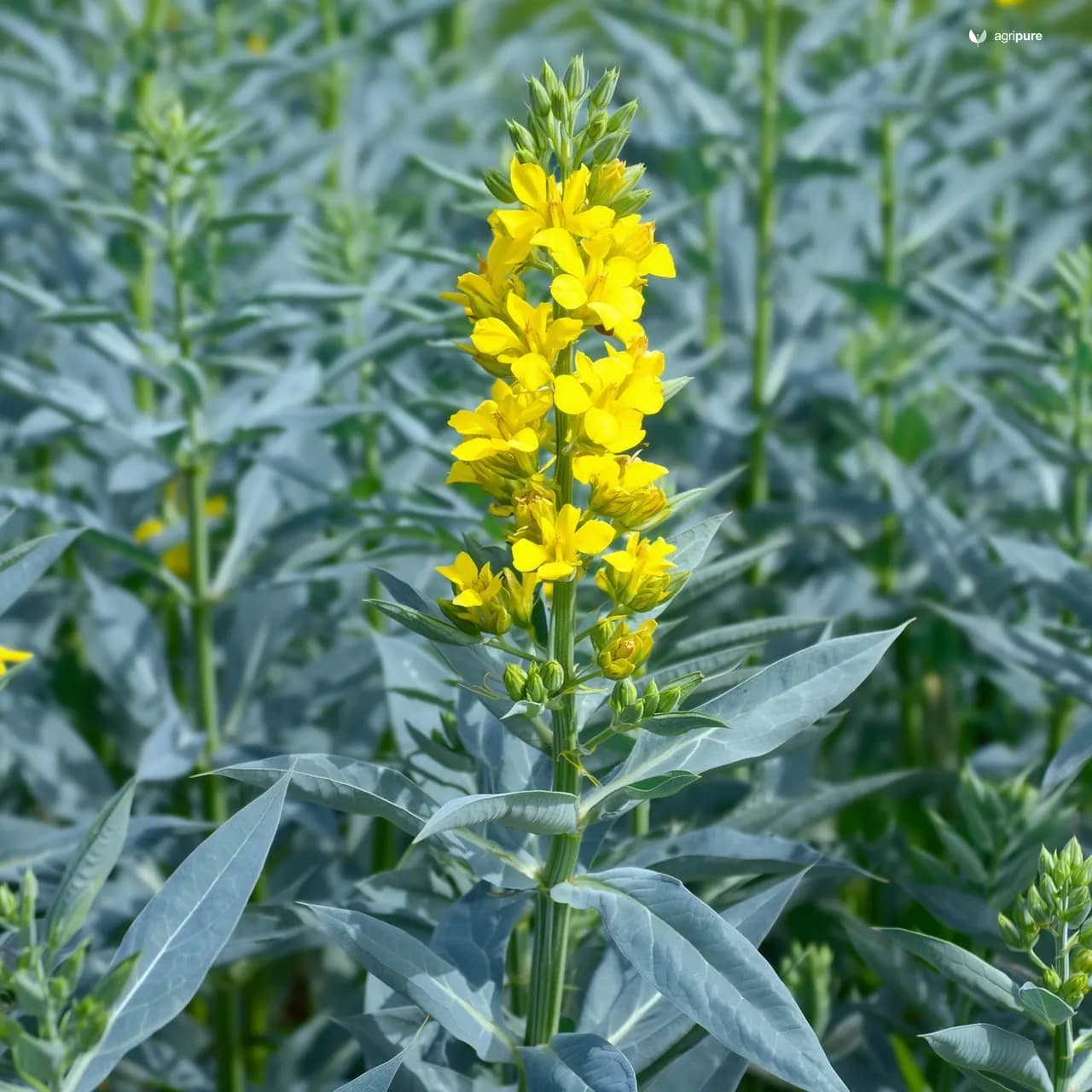
pioneer
Canola
sarson canola
Brassica napus
Also known as Oilseed Rape (UK & Ireland), Rapeseed (United States), Sarson Canola (Pakistan).
- punjab plains
- pothohar
- kpk hills
International hardiness
- USDA 7-10
- RHS H4
- AU: Cool temperate, Warm temperate, Mediterranean
Where it grows — regional guide
| Zones / rating | Regional notes |
|---|---|
USDA 7-10 | Grown as a spring or winter field oilseed across temperate agricultural regions, requiring crop rotation to prevent soil clubroot. |
| Zones / rating | Regional notes |
|---|---|
H4 (-10 to -5C) | Hardy under RHS H4: widely grown as a winter or spring arable oilseed crop, requiring crop rotation to manage brassica clubroot. |
| Zones / rating | Regional notes |
|---|---|
Cool temperate, Warm temperate, Mediterranean | Grown across temperate and Mediterranean broadacre cropping zones as a winter-grown, spring-maturing oilseed break crop. |
| Zones / rating | Regional notes |
|---|---|
USDA 7-10 (USDA scale) Canada uses its own zone system; Canadian zones run roughly one lower than USDA. | Grown as a summer annual spring oilseed across the Canadian Prairies, requiring field rotation to prevent clubroot disease. |
| Zones / rating | Regional notes |
|---|---|
Punjab plains, Pothohar, KPK hills | Pakistan:Grown across the irrigated plains and Pothohar as a winter rabi oilseed crop, benefiting from brassica rotation to avoid clubroot. |
Grows alongside
Species that appear with Canola in 3 of our published guides — a starting list for a guild, not a planting plan.
Canola (Brassica napus) is an annual or biennial member of the cabbage family (Brassicaceae), grown chiefly as an oilseed crop and known by a string of older names including rapeseed, oilseed rape, and colza. The species covers both the modern canola-quality forms and related crop types, and its native range is genuinely unsettled in the botanical literature: one account places its origin along the coastal Mediterranean and the European Atlantic, while others treat it as having multiple centres of origin across a broader geographic span. For a homesteader, the honest framing is that this is a domesticated field crop with no settled wild homeland, bred over many cultivars for production rather than for the kitchen garden.
Botanically, B. napus sits in the tribe Brassiceae within the mustard family. It is typically an erect plant with simple to freely branched stems that are hairless or only sparsely hairy. A reliable identification cue lies in the seed: seed-identification references describe B. napus subsp. napus seed as globose to slightly flattened, often somewhat squarish, with a distinctive honeycomb-reticulate (net-patterned) surface. That squarish, netted seed is one of the clearest ways to tell it apart from its close relative B. rapa, whose seeds tend to be more oval.
Growing canola
Canola is grown as a field crop in two broad strategies: spring types and winter types, a split that has let breeders adapt the species to a wide range of temperate cropping climates. The sources confirm it is cultivated as an annual oilseed and that long-running breeding and selection work has produced many cultivars and crop forms suited to agricultural production.
Beyond that, this profile deliberately stops short of quoting precise seeding rates, row spacing, soil pH bands, irrigation schedules, or days-to-maturity figures. The botanical and biology sources consulted here do not give reliable, species-specific home-growing instructions for propagation, soil, sun, water, or spacing, and stating such numbers would mean inventing precision the evidence does not support. A grower wanting exact agronomy should follow the recommendations published by their own regional extension service or seed supplier for the specific spring or winter cultivar they intend to plant. What the literature does make clear is the basic shape of the crop: a cool-season annual oilseed, sown as a spring or winter type, that has been selected over generations to perform under field cultivation.
Harvest and uses
The seed is the product. Canola is fundamentally an oilseed crop, and the name “canola” specifically denotes B. napus forms whose seed meets defined compositional criteria for the canola standard. That compositional definition is the whole reason the modern crop exists: it separates food-grade canola from older rapeseed types. The sources here, however, do not supply reliable harvest-timing or yield figures for the species, so those are left out rather than guessed.
On the management and ecological side, the most concrete point the research supports concerns disease resistance. Breeding and germplasm programmes in B. napus include lines selected for resistance to clubroot, a soilborne disease of brassicas that is a central concern in keeping the crop healthy and in planning rotations. For a homesteader, the practical read-across is the standard brassica rule: clubroot and related diseases build up where cabbage-family plants are grown too often on the same ground, so rotation matters even at garden scale. The provided sources do not document material uses such as fibre or industrial products, nor any medicinal use, so no such claims are made here.
How to identify it
Pulling together the descriptive features the sources actually support, B. napus can be recognised by this combination:156
- Family and habit: A cabbage-family (Brassicaceae) plant, erect, with simple to freely branched stems that are glabrous or only sparsely hairy.
- Seed shape: Globose to slightly flattened and often somewhat squarish in outline.
- Seed surface: A honeycomb-reticulate, net-like texture across the seed coat.
- Separating it from B. rapa: The squarish, netted seed of B. napus contrasts with the more oval seed of B. rapa.
A note on what is not claimed here
The sources gathered for B. napus are strong on identification, taxonomy, the spring/winter crop split, the canola compositional definition, and clubroot-resistance breeding — and explicitly thin on home-garden agronomy, harvest timing, yield, and toxicity for this species. Rather than fill those gaps with invented figures, this profile leaves them open and points growers to regional, cultivar-specific guidance. Reliable USDA hardiness-zone guidance for the species was likewise not found in these sources and is therefore not stated; the spring-and-winter habit simply implies broad adaptation across temperate cropping climates.
Sources
- The Biology of Brassica napus L. (Canola/Rapeseed) — Canadian Food Inspection Agency
- The Biology of Brassica napus L. (Canola) and B. juncea (Indian Mustard) — Office of the Gene Technology Regulator (Australia)
- Identification and Genetic Mapping of Brassica napus for Resistance to Clubroot — Canola Council of Canada
- Brassica napus — ScienceDirect Topics (agricultural and biological sciences)
- Brassica napus subsp. napus seed fact sheet — Seed ID Guide
- Brassica napus seed identification fact sheet — Seed ID Guide