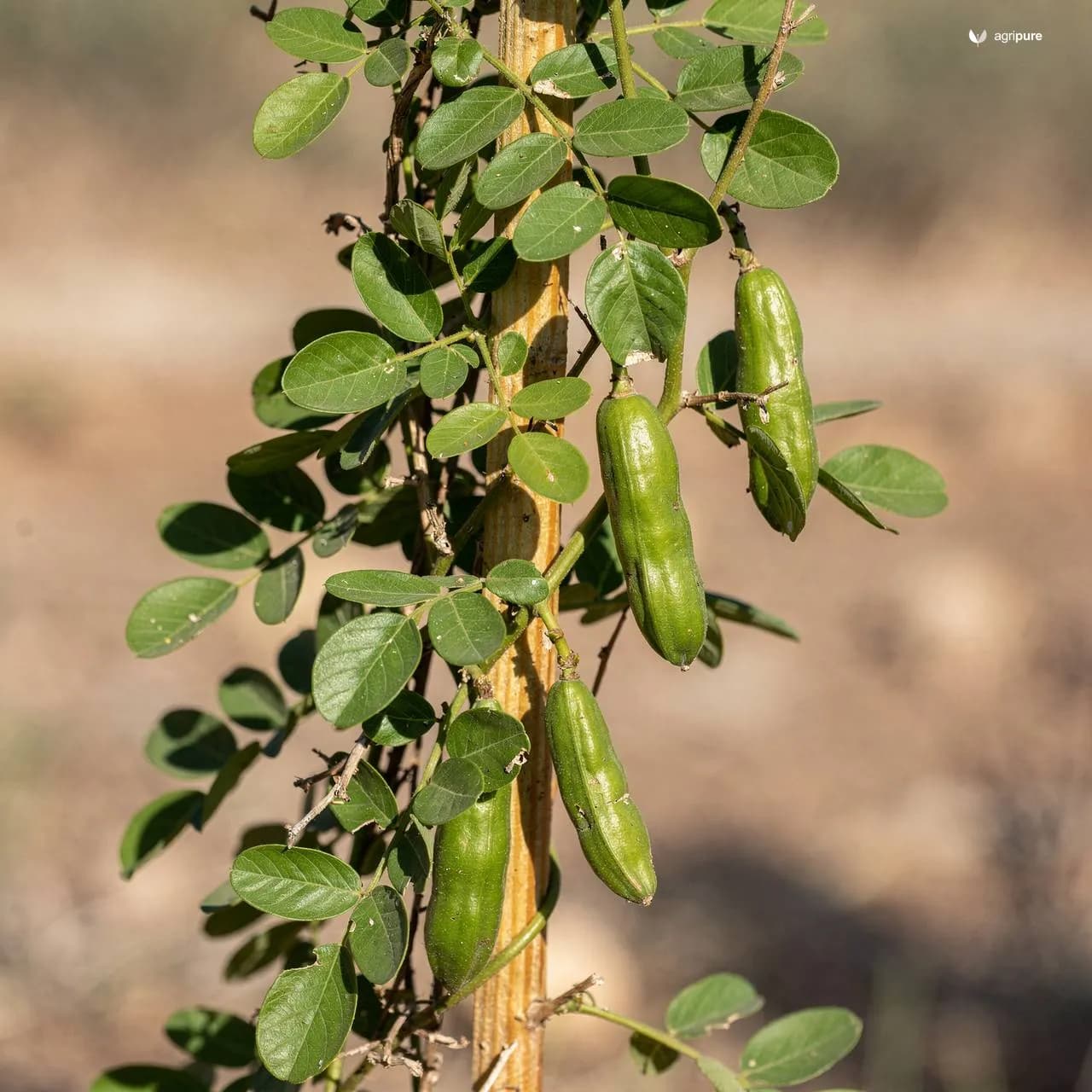
secondary
Hedge Caper (Wild Caper Vine)
hins-bel / kanthar
Capparis sepiaria
Also known as Hins-bel (Pakistan).
- punjab plains
- sindh coast
International hardiness
- USDA 9-11
- RHS H2
- AU: Arid / semi-arid, Subtropical, Warm temperate
Where it grows — regional guide
| Zones / rating | Regional notes |
|---|---|
USDA 9-11 | No region-specific data yet |
| Zones / rating | Regional notes |
|---|---|
H2 (1 to 5C) | No region-specific data yet |
| Zones / rating | Regional notes |
|---|---|
Arid / semi-arid, Subtropical, Warm temperate | No region-specific data yet |
| Zones / rating | Regional notes |
|---|---|
USDA 9-11 (USDA scale) Canada uses its own zone system; Canadian zones run roughly one lower than USDA. | No region-specific data yet |
| Zones / rating | Regional notes |
|---|---|
Punjab plains, Sindh coast | Pakistan:Grown as a spiny boundary hedge across dry plains; site it away from walked paths because its hooked spines catch passers-by. India:Planted along dry boundaries from the Deccan to Rajasthan; take care near walkways because its hooked spines snag clothing. |
Hedge caper (Capparis sepiaria, hins-bel or kanthar) is a scrambling thorny caper used for live thorn-fences on the plains, a much-branched shrub of 3 to 4 m armed with small hooked spines that can climb over taller cover. Its foliage is browsed and its roots are used medicinally, and on a dry-zone site it works as a secondary-stage thorn hedge — a living, stock-proof barrier that also yields browse and fuel. It belongs to the seasonally dry tropics across tropical Africa, India, and South-East Asia.
Where it thrives
It is a prickly, more or less evergreen shrub of dry deciduous forest, foothills, and scrub, most common in arid and semi-arid country. One honest qualification is needed on its Pakistan range: the Flora of Pakistan treats it as doubtfully wild in West Pakistan, noting that although older accounts report it from dry places in Punjab and Sindh, the flora’s author had not himself found it there. So while the dry plains suit its habitat, its standing in Pakistan is uncertain — confirm the plant before relying on it. In India it is well established on dry ground from the Deccan to Rajasthan, where its hooked spines make it a natural hedge plant.
Role in the system
Treat it as a thorny boundary and secondary layer. Planted along an edge it grows into a dense, spiny live fence that keeps stock and intruders out and shelters whatever establishes behind it, the same job a thorn hedge has always done on dry farmland. Its small hooked spines let it grip and scramble over taller cover, so it knits into a thick barrier rather than a thin line, and its evergreen, drought-hardy growth holds that boundary right through the dry season when a deciduous hedge would be bare. A live fence of this kind earns its keep three ways at once: it fences the ground, feeds stock from its browse, and cuts for fuel, so the boundary is a resource rather than dead infrastructure. Set it where you want a permanent stock-proof edge rather than in the middle of a bed, and keep it clear of paths and worked rows, because the hooked spines catch on everything that passes.
Uses
The plant gives three returns off a hedge line. Its shoots are browsed: in the dry country of Rajasthan it is an important fodder for wild grazers such as chital, sambar, and nilgai, and the same foliage feeds livestock. The woody prunings serve as fuel, and the plant is a recognised local source of food, medicine, and firewood across its range, with the roots in particular used in traditional remedies. For a dry plains boundary that needs to feed stock and cut for fuel as well as fence the ground, the caper does several jobs at once, where it can be reliably sourced.
Sources
- Flora of Pakistan. “Capparis sepiaria.” eFloras.org (description, spines, and note on doubtful wild status in West Pakistan).
- Plants of the World Online. “Capparis sepiaria L.” Royal Botanic Gardens, Kew (dry-tropical habitat; food, medicine, and fuel uses).
- Wikipedia contributors. “Capparis sepiaria — hedge use and browse.”
Sourcing notes
Wild status in Pakistan is uncertain — the Flora of Pakistan author had not found it in Sind or West Pakistan despite older reports — so source stock and confirm identity carefully; in India it is grown from seed or cuttings as a thorny live hedge on dry ground.