pioneer
Trefoil Rattlepod
jhunjhunia
Crotalaria medicaginea
Also known as Jhunjhunia (Pakistan).
- punjab plains
- sindh coast
- pothohar
International hardiness
- USDA 9-11
- RHS H1c
- AU: Tropical, Subtropical, Arid / semi-arid
Where it grows — regional guide
| Zones / rating | Regional notes |
|---|---|
USDA 9-11 | No region-specific data yet |
| Zones / rating | Regional notes |
|---|---|
H1c (5 to 10C) | No region-specific data yet |
| Zones / rating | Regional notes |
|---|---|
Tropical, Subtropical, Arid / semi-arid | Found on arid rangelands as pioneer cover; strictly exclude horses from grazing stands, as it carries fatal liver-damaging alkaloids. |
| Zones / rating | Regional notes |
|---|---|
USDA 9-11 (USDA scale) Canada uses its own zone system; Canadian zones run roughly one lower than USDA. | No region-specific data yet |
| Zones / rating | Regional notes |
|---|---|
Punjab plains, Sindh coast, Pothohar | Pakistan:Volunteers across dry plains and the Pothohar as living cover; turn in as green manure, but keep horses away due to toxic alkaloids. India:Pioneer legume of dry pastures; slash as soil-building mulch, but exclude horses and cattle as ingestion causes fatal liver failure. |
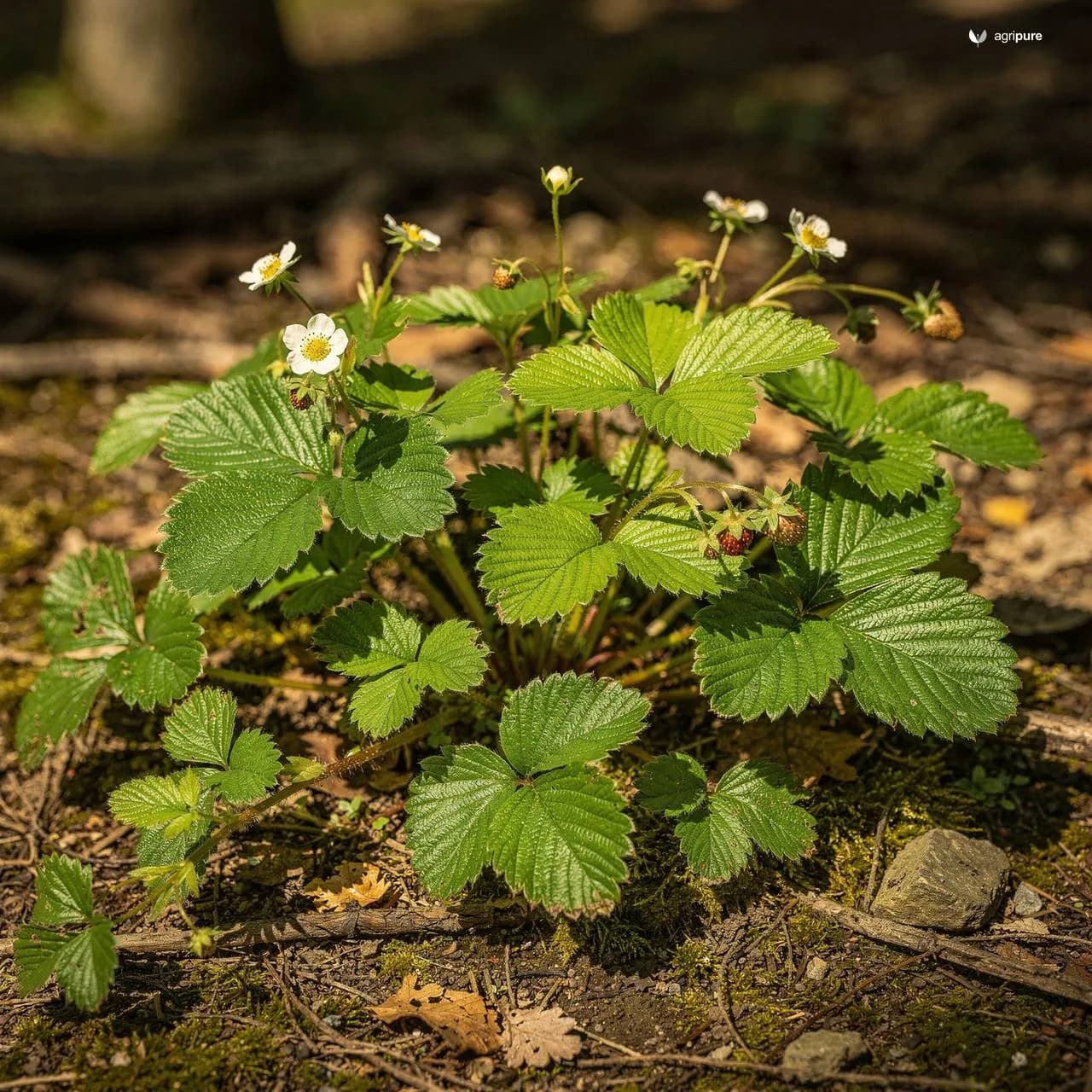
Trefoil rattlepod (Crotalaria medicaginea), jhunjhunia in much of Pakistan for the way its ripe pods rattle, is a low sprawling legume that turns up on its own across disturbed and grazed ground. The honest reason to keep it is that it is a free, self-seeding nitrogen-fixing groundcover that knits over bare soil fast, though it carries a real livestock caution covered below.
Where it thrives
This is a plant of the seasonally dry tropics and warm grassland, widespread from the native range across the Old World tropics, which is why it establishes readily on the Punjab plains, the Sindh coast and the drier Pothohar plateau. It favours open, disturbed, sandy to loamy soils, copes with heat and low fertility, and rides out the dry season as a short-lived annual or weak perennial that returns from seed once the rains come. It is the kind of hardy colonizer that holds ground other forages will not.
Role in the system
Treat it as a pioneer groundcover and a soil-repair tool. As a Fabaceae legume it nodulates and fixes atmospheric nitrogen, so in the early succession of a young planting it works as a living mulch that covers bare earth, slows erosion and feeds nitrogen into the topsoil ahead of the secondary and climax strata. Its place in a guild is the lowest layer: an understorey nitrogen fixer beneath taller pioneers, dropping leafy chop-and-drop biomass when slashed and self-seeding to refill any gap. Because it volunteers and tolerates grazing, it is also used as a rough fodder and green manure on marginal range. The design caution is that it is best cut-and-dropped as mulch or turned in as green manure rather than relied on as a primary forage, for the toxicity reason below; used that way it is a cheap fertility layer that asks almost nothing.
Growing it
You rarely need to plant it deliberately; where it already grows, manage it rather than sow it. If you do establish a stand, broadcast seed onto a roughened, warm seedbed before the rains and let it self-seed thereafter. The decisions that matter are timing and confinement: slash or turn it in before the pods rattle and shed if you want to limit spread and capture the biomass green, and keep it out of paddocks where susceptible stock graze unchecked. It needs no irrigation once the monsoon carries it and no fertiliser, since it makes its own nitrogen.
What you get
The payoff is fast groundcover, erosion control, self-renewing mulch and nitrogen built into the soil at no cost. Be honest about the catch: Crotalaria species contain pyrrolizidine alkaloids that can be hepatotoxic, and C. medicaginea was specifically implicated in the deaths of more than 35 horses from liver failure in northern Australia in 2010, with a new alkaloid isolated from the plant. A wider survey of Crotalaria taxa confirmed that several pose a real pyrrolizidine-alkaloid risk to grazing livestock, with toxicity varying by species and variety. So it can be grazed lightly or used as green manure, but do not stock it heavily or rely on it as the main fodder, especially for horses and cattle.
Sourcing notes
Because it self-seeds freely, most growers collect seed from an existing local stand, which also gives provenance suited to the site; soak hard seed to speed germination. Inoculate fresh ground with cowpea-group rhizobia if no legume has grown there. Pair it as the ground layer in a guild under fruit or timber pioneers that will use the nitrogen, and keep it away from intensively grazed companion pasture given the alkaloid caution.
Sources
- Royal Botanic Gardens, Kew (2024). “Crotalaria medicaginea Lam.” Plants of the World Online.
- Fletcher, M. T., Hayes, P. Y., Somerville, M. J. & De Voss, J. J. (2011). “Crotalaria medicaginea associated with horse deaths in northern Australia: new pyrrolizidine alkaloids.” Journal of Agricultural and Food Chemistry.
- Fletcher, M. T., McKenzie, R. A., Blaney, B. J. & Reichmann, K. G. (2009). “Pyrrolizidine alkaloids in Crotalaria taxa from northern Australia: risk to grazing livestock.” Journal of Agricultural and Food Chemistry.