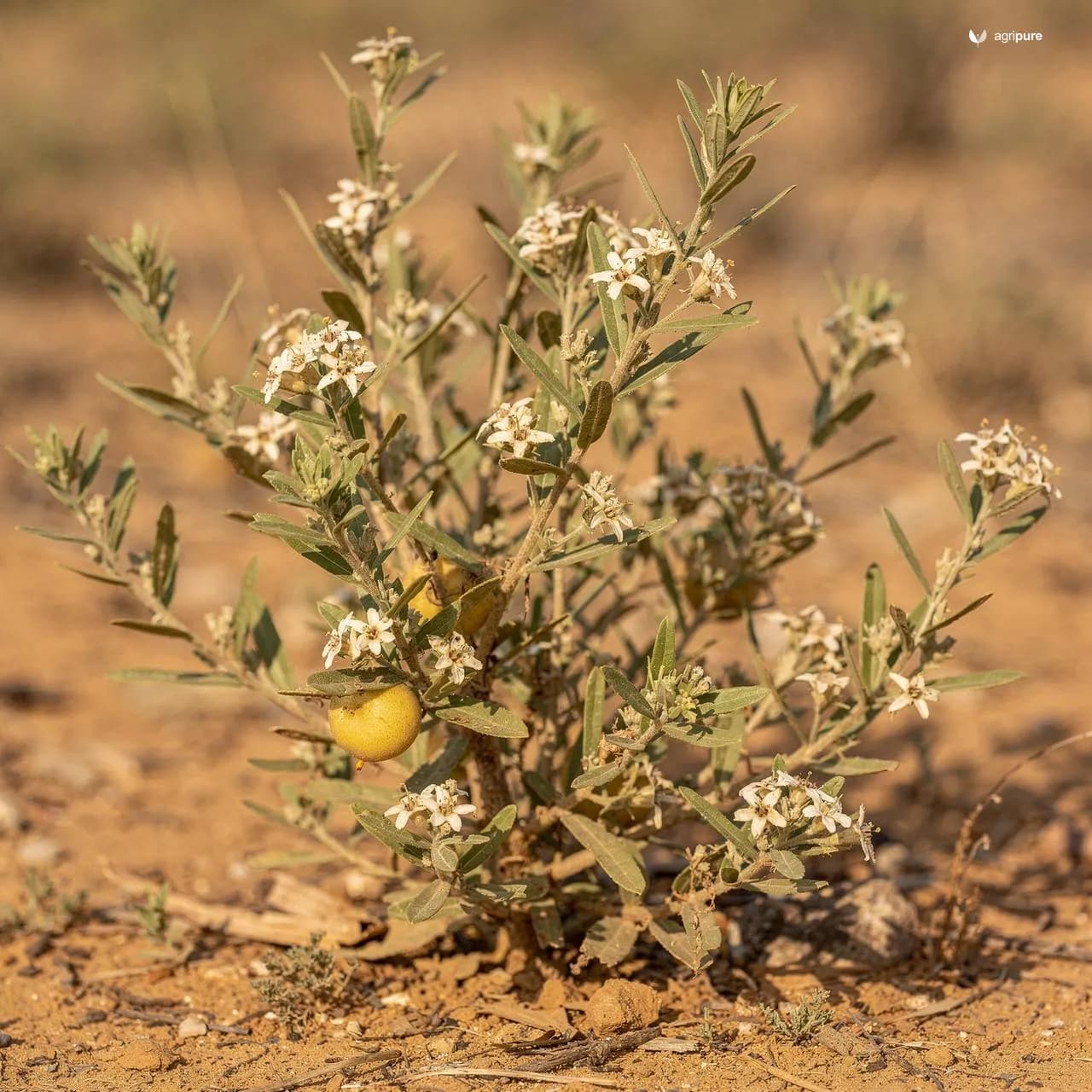
climax
Persimmon (Japanese)
amlok / Japani phal (املوک)
Diospyros kaki
Also known as Kaki (UK & Ireland), Japani Phal (Pakistan).
- kpk hills
- pothohar
International hardiness
- USDA 7-10
- RHS H4
- AU: Warm temperate, Cool temperate, Subtropical, Mediterranean
Where it grows — regional guide
| Zones / rating | Regional notes |
|---|---|
USDA 7-10 | Grown across USDA zones 7 to 10; unripe fruit is astringent and mouth-puckering, so it should not be eaten until it has softened and ripened completely. |
| Zones / rating | Regional notes |
|---|---|
H4 (-10 to -5C) | Hardy at RHS H4; the astringent unripe fruit is mouth-puckering and should not be treated as ready to eat until it softens completely. |
| Zones / rating | Regional notes |
|---|---|
Warm temperate, Cool temperate, Subtropical, Mediterranean | Grown in Mediterranean and warm-temperate zones; unripe fruit is mouth-puckering and astringent, so it must soften completely before it is safe to eat. |
| Zones / rating | Regional notes |
|---|---|
USDA 7-10 (USDA scale) Canada uses its own zone system; Canadian zones run roughly one lower than USDA. | No region-specific data yet |
| Zones / rating | Regional notes |
|---|---|
KPK hills, Pothohar | Pakistan:A deciduous fruit tree of the KPK hills and Pothohar; unripe fruit is mouth-puckering and must soften completely before it is ready to eat. India:Grown as a deciduous fruit tree across its native Indian range; unripe fruit is intensely astringent and must soften completely before being eaten. |
Grows alongside
Species that appear with Persimmon (Japanese) in 3 of our published guides — a starting list for a guild, not a planting plan.
The Japanese persimmon (Diospyros kaki) is a deciduous fruit tree in the ebony family, grown across eastern Asia for centuries and now planted well beyond its homeland. Its documented native range spans China, India, Japan, and Myanmar. Also called Asian persimmon or kaki, it earns its place on a homestead by carrying glossy orange fruit deep into autumn, often clinging to bare branches after the leaves have dropped, when most other fruit is long gone.
It is usually a multi-stemmed tree, though it can be trained to a single trunk, and it forms a rounded, open crown. The bark is a useful identification cue: it is deeply fissured and furrowed in a distinctive pattern of rectangular or square plates. The fruit is round and commonly about 3 to 4 inches across, ripening from yellow-orange to a deep orange. Cultivated trees may be dioecious, carrying male and female flowers on separate plants, though some individuals bear both flower types.
Growing Japanese persimmon
Persimmon suits subtropical to mild-temperate conditions. Extension sources list it as hardy in roughly USDA zones 7a through 10b, and note that it does not tolerate temperatures much below about 10°F. Give it full sun for the best crop. It prefers loamy, moist but well-drained soil — one database favours a deep, well-drained loam at a soil pH around 6.5 to 7.5, while NC State’s profile cites a slightly more acidic range of 6.0 to 6.5 and describes the tree as adaptable to a wide variety of soils.
It is commonly propagated by seed or grafting; for a known fruiting cultivar, grafting is the usual route. Spacing depends on the cultivar’s habit, ranging from about 4.5 by 1.5 metres for more compact forms up to 6 by 6 metres for larger, spreading trees. Patience is required: extension guidance says trees typically need 4 to 6 years before they begin bearing, and the onset of fruiting is shaped by both cultivar and climate. Site it with late frosts in mind, as a late spring frost can damage the bloom and cost you that season’s crop.
Harvest and uses
Fruit is harvested in autumn and may hang on the tree after the leaves have fallen, giving a striking display of bare branches studded with orange. Persimmons are typically eaten when fully ripe and soft, a point that matters especially for astringent types, which are unpleasantly puckering until they soften completely. A forestry database reports yields of roughly 22.6 to 40.8 kg from a young tree and 150 to 250 kg from a full-grown tree.
The primary use is culinary: the fruit is eaten fresh when sweet-ripe, or baked into breads, puddings, and other dishes, and the species is noted for its high vitamin content. In agroforestry it is valued as a forest-garden or mixed-border tree, prized both for its ornamental form and for the canopy structure it provides on a sunny site. Material uses are limited but documented: the juice of small, inedible wild fruits — pressed with the calyx and seeds — has traditionally been made into an insect- and moisture-repellent coating applied to paper or cloth.
Safety and cautions
The main edibility caution is straightforward: persimmons should be eaten only when fully ripe. Unripe and astringent fruit is mouth-puckering and should not be treated as ready to eat; only fully ripe fruit is recommended for consumption. The sources also distinguish the small, inedible wild fruits used for the repellent above from the edible cultivated fruit. Beyond those inedible wild fruits, the available sources do not document a poisonous part of the cultivated fruit, nor a human-poisoning risk from the leaves or flesh.
A few traditional medicinal uses are reported in the agroforestry literature: a decoction of boiled unripe fruit used for bloody stools, and the leaves used as an antiscorbutic because they are rich in vitamin C. These are traditional uses only. The sources here do not establish efficacy, modern safety, dosing, interactions, or safety in pregnancy, breastfeeding, or children, so such uses should not replace medical care.
Sources
- Persimmon (Diospyros kaki) Agroforestry Profile – Growables
- Diospyros kaki – North Carolina Extension Gardener Plant Toolbox, NC State Extension
- Diospyros kaki, Japanese Persimmon – University of Arkansas Division of Agriculture Extension
- Diospyros kaki – Wikipedia
- Diospyros kaki – Balkan Ecology Project