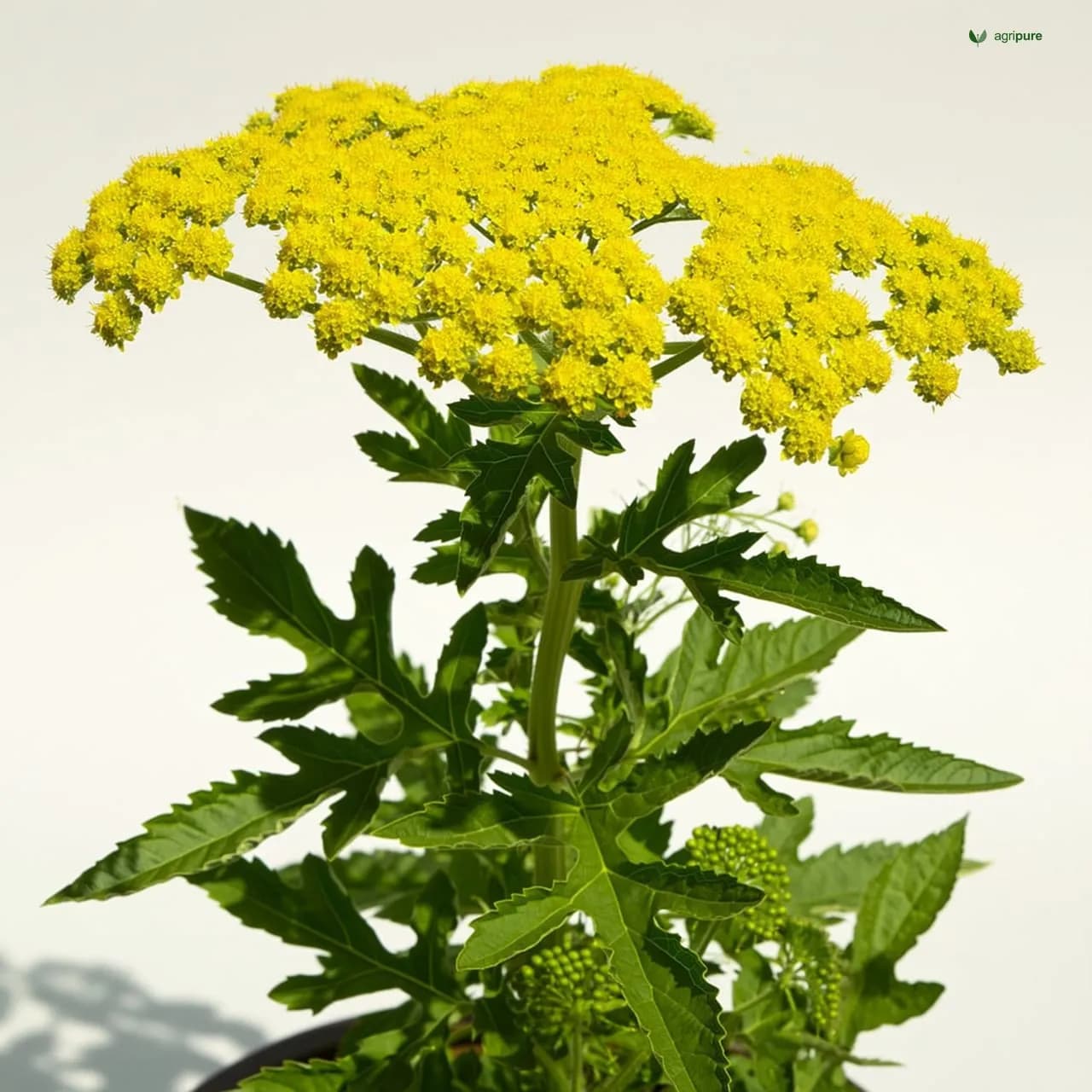
pioneer
Malabar Spinach
poi saag
Basella alba
Also known as Poi Saag (India, Pakistan), Ceylon Spinach (Australia).
- punjab plains
- sindh coast
International hardiness
- USDA 10-12
- RHS H1c
- AU: Tropical, Subtropical
Where it grows — regional guide
| Zones / rating | Regional notes |
|---|---|
USDA 10-12 | Grown as a tender summer annual climber across hot humid zones; medicinal intake warrants care for blood sugar or pregnancy. |
| Zones / rating | Regional notes |
|---|---|
H1c (5 to 10C) | Tender under RHS H1c: grown as a summer glasshouse climber or warm patio pot vine; medicinal use warrants caution in pregnancy. |
| Zones / rating | Regional notes |
|---|---|
Tropical, Subtropical | Grown across tropical and subtropical gardens as a vigorous climbing summer green; caution applies to medicinal use in pregnancy. |
| Zones / rating | Regional notes |
|---|---|
USDA 10-12 (USDA scale) Canada uses its own zone system; Canadian zones run roughly one lower than USDA. | No region-specific data yet |
| Zones / rating | Regional notes |
|---|---|
Punjab plains, Sindh coast | Pakistan:Cultivated in frost-free plains as a climbing summer vegetable that handles high heat; caution applies to medicinal use in pregnancy. India:Widely grown across tropical kitchen gardens as a heat-loving monsoon saag; medicinal use calls for caution during pregnancy. |
Grows alongside
Species that appear with Malabar Spinach in 22 of our published guides — a starting list for a guild, not a planting plan.
Malabar spinach (Basella alba) is a tropical, vining leafy vegetable grown as a heat-loving substitute for true spinach. It is a frost-tender perennial, usually treated as an annual in cooler climates, and is most often described as native to tropical Asia — probably India or Indonesia — though some references note a possible African origin. Today it is grown across India, Central Africa, Brazil, Guiana, and the coastal southeastern United States. For a homesteader, the appeal is practical: it yields tender, edible greens through the hottest, most humid part of the season, when many cool-season crops have already bolted or failed.
It is a vigorous climbing vine with succulent, twining stems that commonly reach about 6 feet in ordinary garden culture but can extend much farther up a support under favorable conditions. In true Basella alba the stems are typically green, whereas the closely related B. rubra has purplish-red stems; the two have sometimes been treated as color forms of one species, but plant databases still maintain Basella alba as a distinct green-stemmed form. The leaves are thick, fleshy, and glossy, usually 2 to 4 inches long and heart-shaped, arranged alternately along the stems; shape ranges from oval and closely spaced to broader and more widely spaced depending on the form. A distinctive trait is their mucilaginous (slightly slimy) texture when cut or cooked.
Growing Malabar spinach
This heat-loving plant does best in hot, humid conditions and is well adapted to high temperatures, even in the 90s °F; growth is described as “disappointing” when temperatures stay below 80 °F, so there is little point in rushing it into cool ground. It is very sensitive to frost and is killed by the first hard freeze. NC State Extension lists it as a perennial in USDA zones 9a to 11b; in cooler regions it is grown as a warm-season annual that will not overwinter.
It is most often grown from seed, which needs warm soil to germinate. To hasten germination, NC State recommends scarifying the seed (nicking or abrading the hard coat), while University of Arkansas Extension advises soaking seeds overnight in warm water before sowing. In zone 7 and warmer, direct-seed 2 to 3 weeks after the last frost date. It is also easily propagated from stem cuttings — even cuttings from market bunches will root — and stems root wherever they touch moist soil, aiding vegetative spread.
For soil, it prefers well-drained but moisture-retentive ground rich in organic matter. It tolerates fairly poor soils and high rainfall, but yield and growth improve markedly in richer soil. Give it full sun for best growth. Because it is a true climber, train it up a trellis, fence, or large container where it can reach full light; this keeps the foliage clean and easy to pick, and the vine doubles as an ornamental screen. Specific spacing and a firm time-to-maturity figure are not consistently given in these sources, so they are omitted here rather than stated with false precision.
Harvest and uses
The harvest is the tender leaves and young stems, eaten as a cooked green much like spinach, with a mucilaginous quality that also helps thicken soups and stews. The plant is generally regarded as edible and non-toxic, and because it grows fast in heat and roots so readily it lends itself to repeated picking over a long warm season.
Beyond the kitchen, the plant produces crowded flower spikes 4 to 8 inches long, carrying small white-to-pinkish flowers about an eighth of an inch long that often barely open; in temperate climates blooming comes late. These are followed by pea-sized, fleshy, single-seeded berries that ripen red to purple. NC State notes that the juice of the ‘Rubra’ fruit yields a red dye, a useful aside for anyone interested in natural colorants.
How to identify it
Malabar spinach is recognizable by this combination of features:1234
- Habit and stems: A vigorous climbing vine with succulent, twining stems — green in Basella alba, purplish-red in the related B. rubra.
- Leaves: Thick, fleshy, glossy green, 2 to 4 inches long, heart-shaped, alternately arranged, and notably mucilaginous when cut or cooked.
- Flowers and fruit: Small white-to-pinkish flowers on crowded spikes 4 to 8 inches long, followed by pea-sized, fleshy, single-seeded berries that ripen red to purple.
Safety and cautions
As a food, Malabar spinach is generally regarded as edible and non-toxic. The sources do note, however, that its traditional medicinal uses and its effects on pregnancy and blood sugar warrant basic caution. This profile makes no medical claims and offers no dosages: while the leaves are a well-established cooked vegetable, anyone considering medicinal rather than culinary use — particularly those who are pregnant or managing blood sugar — should seek qualified guidance first. Note too that the related B. rubra berries yield a strong red dye, so the juicy fruit can stain hands, clothing, and surfaces.
Sources
- Malabar Spinach (Basella alba) – ECHO Community
- Basella alba, Malabar / Climbing Spinach – University of Arkansas Cooperative Extension
- Basella alba – North Carolina Extension Gardener Plant Toolbox (NC State Extension)
- Basella alba – iNaturalist