secondary
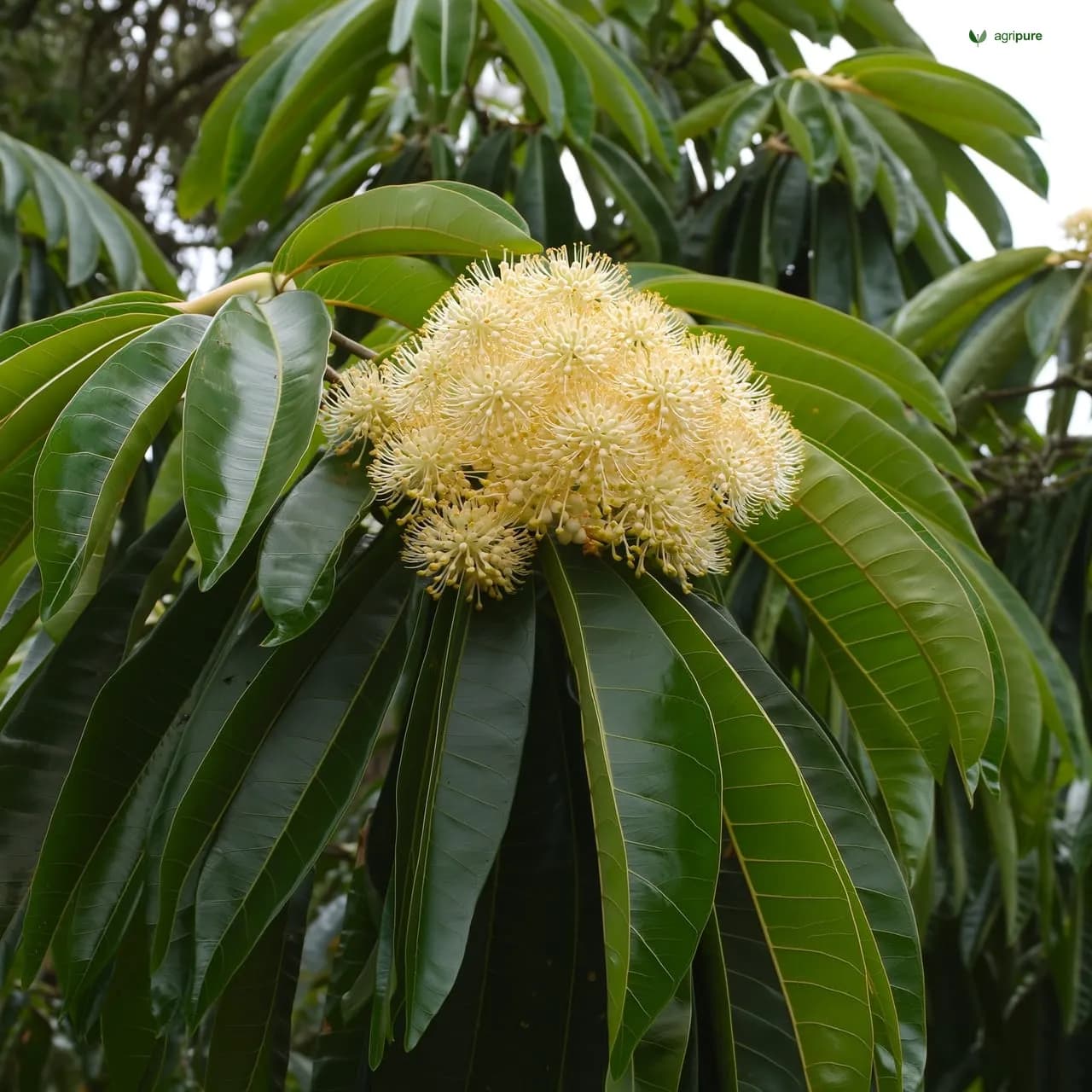
Fig — Brown Turkey
anjeer (انجیر)
Ficus carica cv. Brown Turkey
Also known as Anjeer (Pakistan).
- punjab plains
- pothohar
- sindh coast
International hardiness
- USDA 7-11
- RHS H4
- AU: Mediterranean, Warm temperate, Subtropical, Arid / semi-arid
Where it grows — regional guide
| Zones / rating | Regional notes |
|---|---|
USDA 7-11 | Hardy in USDA zones 7 to 11 as a two-crop dooryard fruit; milky sap causes phytophotodermatitis and is toxic to domestic pets. |
| Zones / rating | Regional notes |
|---|---|
H4 (-10 to -5C) | Deciduous dooryard fruit tree bearing sweet figs; milky sap causes sun-triggered skin dermatitis and is toxic to pets. |
| Zones / rating | Regional notes |
|---|---|
Mediterranean, Warm temperate, Subtropical, Arid / semi-arid | Deciduous dooryard fruit tree bearing sweet figs; milky sap causes sun-triggered skin dermatitis and is toxic to pets. |
| Zones / rating | Regional notes |
|---|---|
USDA 7-11 (USDA scale) Canada uses its own zone system; Canadian zones run roughly one lower than USDA. | No region-specific data yet |
| Zones / rating | Regional notes |
|---|---|
Punjab plains, Pothohar, Sindh coast | Pakistan:Deciduous dooryard fruit tree bearing sweet figs; milky sap causes sun-triggered skin dermatitis and is toxic to pets. |
The Brown Turkey fig (Ficus carica cv. ‘Brown Turkey’) is a cold-hardy cultivar of the common fig, grown as a multi-stemmed deciduous shrub or small tree for its sweet, edible fruit. The species is native to the eastern Mediterranean through Western and Central Asia, and figs have long been a staple of homestead and dooryard plantings. For the home grower, Brown Turkey’s appeal is its forgiving nature: it sets fruit without pollination, it often carries two crops a year, and it is noticeably more tolerant of winter cold than most other figs.
Brown Turkey grows as a woody, deciduous, multi-stemmed shrub or small tree, commonly reaching about 10 to 30 feet tall and wide with a spreading crown; older trunks develop smooth, silver-gray bark that becomes gnarled with age. Its leaves are large, palmate, and deeply lobed into three to five lobes, up to about 10 inches (25 cm) long, with a rough dark-green upper surface and a smoother, lighter underside. The flowers are inconspicuous greenish structures held inside a hollow receptacle near the branch tips, and the “fig” we eat is that fleshy receptacle itself. Fruit is plump with a short stem and a moderately closed eye (ostiole), a trait that helps reduce souring on the tree. Fruits are medium to large, up to about 4 inches (10 cm) long, with bronze to brownish-purple skin and amber to pink-amber flesh that is sweet and mild to rich in flavor.
Growing Brown Turkey fig
Like other common figs, Brown Turkey is propagated vegetatively rather than from seed, which keeps the fruit type true and reliable. The cultivar is parthenocarpic, meaning it develops fruit without pollination, so a single plant crops on its own with no need for a second tree or a pollinator wasp. Figs are adapted to dry, Mediterranean-type climates, and that preference shapes nearly every growing decision: humid summers raise disease and insect pressure and can cause the fruit to split.
Brown Turkey is among the more cold-hardy fig cultivars, but it is still sensitive to hard winter cold. Sources place its reliable range at roughly USDA Zones 6 to 9 (some rate it to Zone 10), with the roots often surviving and resprouting in Zones 5 to 6 when the plant is sheltered. Above-ground wood may be killed below about 10°F (-12°C), though established roots frequently send up new shoots after such a freeze, so the plant needs protection where winters dip below that mark. Give it a warm, sheltered site for the best, most reliable cropping.
Harvest and uses
Brown Turkey fruits on new wood and, in many climates, carries two crops in a season, giving an extended ripening window that often runs from around June into August. The ripe figs are medium to large, with bronze to brownish-purple skin and sweet amber to pink-amber flesh. They are eaten fresh, and figs generally also dry well for storage, making this a productive dooryard fruit for the homestead. Because the cultivar is self-fruitful and needs no pollinator, it fits easily into a mixed planting where a single tree is wanted.
How to identify it
Brown Turkey is distinguished from many other figs by its better winter hardiness, its extended ripening window, and its tendency to bear two crops in a season. Look for the large, deeply three- to five-lobed leaves up to 10 inches long, rough and dark green above; the smooth silver-gray bark of older stems; and the plump, bronze-to-purple fruit with a short stem and a moderately closed eye. The combination of a multi-stemmed, 10-to-30-foot deciduous habit and sweet amber-fleshed figs on new growth is characteristic of this cultivar.
Safety and cautions
The ripe fruit of the fig is edible, but the plant’s milky sap (latex) is an irritant. Fig sap contains furanocoumarins that can cause phytophotodermatitis, a skin reaction triggered when sap contact is followed by exposure to sunlight, so it is wise to wear gloves and protect skin when pruning or harvesting. The fig is also reported to be toxic to pets, so keep foliage and prunings away from animals. Latex and sap contact, as well as excessive medicinal use of fig, warrant caution.
Sources
- NC State Extension. “Ficus carica ‘Brown Turkey’.” North Carolina Extension Gardener Plant Toolbox.
- University of Florida IFAS Extension. “Fig (Ficus carica).” UF/IFAS Santa Rosa County Extension.
- Gardenia. “Ficus carica ‘Brown Turkey’ (Brown Turkey Fig).” Gardenia.net plant database.
- Kiefer Nursery. “Ficus carica ‘Brown Turkey’.” Kiefer Nursery plant listing.