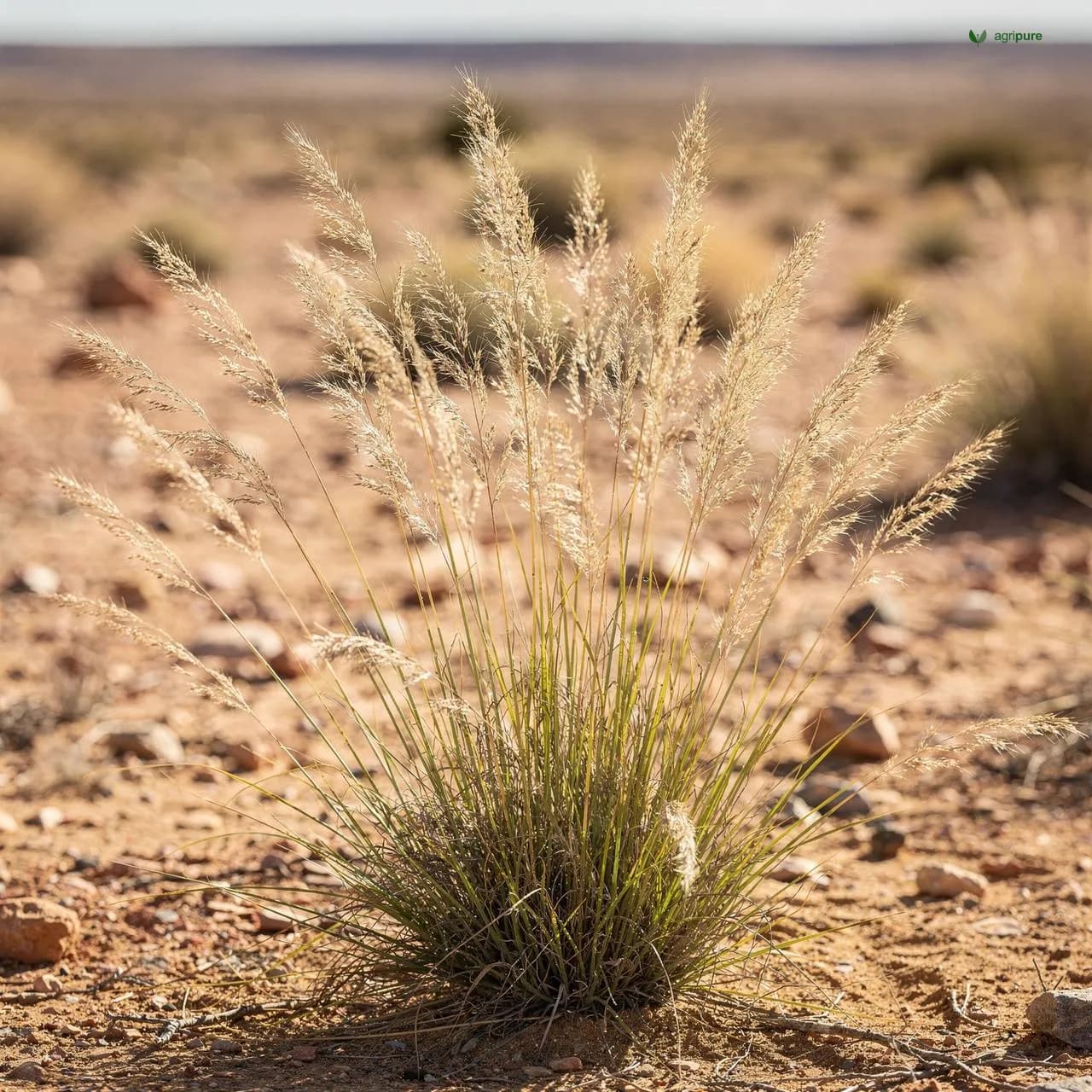
pioneer
Konkan Moringa
jangli sohanjna
Moringa concanensis
Also known as Jangli Sohanjna (Pakistan).
- sindh coast
- balochistan highlands
- punjab plains
International hardiness
- USDA 10-11
- RHS H1c
- AU: Tropical, Subtropical, Arid / semi-arid
Where it grows — regional guide
| Zones / rating | Regional notes |
|---|---|
USDA 10-11 | No region-specific data yet |
| Zones / rating | Regional notes |
|---|---|
H1c (5 to 10C) | No region-specific data yet |
| Zones / rating | Regional notes |
|---|---|
Tropical, Subtropical, Arid / semi-arid | No region-specific data yet |
| Zones / rating | Regional notes |
|---|---|
USDA 10-11 (USDA scale) Canada uses its own zone system; Canadian zones run roughly one lower than USDA. | No region-specific data yet |
| Zones / rating | Regional notes |
|---|---|
Sindh coast, Balochistan highlands, Punjab plains | Pakistan:A drought-hardy wild moringa tree native to dry rocky slopes and cliffs in Sindh and Balochistan; requires full sun, excellent drainage and frost-free warmth. India:Native to semi-arid rocky hills along the Konkan coast and Ghats; a tough, drought-adapted wild tree suitable for arid revegetation in frost-free tracts. |
Konkan moringa (Moringa concanensis) is a small, deciduous drumstick tree in the family Moringaceae, the same genus as the familiar cultivated Moringa oleifera. Sometimes called wild drumstick or kattu murungai, it is native to rocky, semi-arid parts of tropical Asia, particularly western India, where it turns up on dry slopes and stony ground that few other trees colonise. For a homesteader working a hot, well-drained, rock-strewn corner of a property, its appeal is that it is adapted to exactly that kind of harsh, free-draining site rather than to rich, irrigated beds. A practical caution up front: reliable species-specific cultivation data for this wild moringa are genuinely sparse, so what follows is limited to what the botanical record actually supports.
It is a small tree, described as deciduous with thick bark, and one account puts its height at roughly 7 to 10 m with a slender trunk and rough, grey-brown bark. The foliage is pinnate; one description specifies smooth, pinnate leaves carrying about 8 to 12 pairs of oval leaflets roughly 1 to 3 cm long, while floristic keys note that the leaves are mostly twice-pinnate (2-pinnate), a feature used to separate it from other Indian moringas. The tree is recorded as unarmed, that is, without spines or thorns. In the wild it is striking for where it grows: plants have been documented rooting on rocky cliffs and out of cracks in rock faces, with trunks around 20 to 25 cm in diameter in those habitats.
Growing Konkan moringa
The species reproduces by seed, with the seeds dispersed by wind, gravity, and people. Seed is therefore the practical route to propagation, but it comes with a real caveat: germination studies on M. concanensis report substantial variation in seed size and germination, and seeds from various Indian sources often show low germination, on the order of 20 to 30 percent. That means sowing generously and not assuming every seed will take. No reliable, detailed sowing protocols, pre-treatments, sowing temperatures, or spacing figures are published for this species in the available sources, so rather than invent precise numbers, treat it as you would other warm-season dryland trees and adjust by observation.
For site selection, the plant’s own habitat is the best guide. It is classified as a tree of high-light environments, and dense shade is expected to inhibit it, so give it full sun. It grows naturally on very rocky, free-draining ground, including shallow, skeletal soils where it lodges in rock crevices, which points strongly to a preference for sharp drainage rather than heavy, moisture-holding beds. As a tropical, frost-free species it belongs in warm, low-latitude conditions; the available sources describe it as a tree that grows, and could spread, in regions with tropical climates, but they do not assign a specific USDA hardiness zone, and no precise zone is given here because none is published for this species.
Harvest and uses
Honest reporting matters here: the available, species-specific sources document M. concanensis botanically and ecologically but do not provide trustworthy harvest timing, yield figures, or detailed culinary protocols for this particular wild moringa. Rather than borrow numbers from its cultivated relative M. oleifera or invent them, this profile leaves those details out. What the record does establish is that this is a hardy, drought-adapted member of the drumstick genus that establishes on degraded, rocky, semi-arid sites where more demanding trees fail, making it of interest as a pioneer tree for tough ground. Because of how readily it is confused with M. oleifera, anyone sourcing seed or seedlings should confirm the identity of the parent tree before planting.
How to identify it
Correct field identification rests on a combination of features rather than any single one, since M. concanensis is easily mistaken for the common cultivated drumstick. Look for:
- Habit: a small, deciduous tree, reported to roughly 7 to 10 m, with a slender trunk and thick, rough, grey-brown bark.
- Leaves: pinnate and mostly twice-pinnate (2-pinnate), with around 8 to 12 pairs of small oval leaflets about 1 to 3 cm long.
- Armature: unarmed, with no spines or thorns.
- Habitat: characteristically growing on dry, rocky slopes, cliffs, and from cracks in rock faces in semi-arid country.
Its natural range as recorded in the literature spans southeastern Pakistan (Baluchistan, Sind), much of peninsular and western India including Madhya Pradesh, Rajasthan, Gujarat, Maharashtra, Goa, Andhra Pradesh, and Tamil Nadu, and western Bangladesh, with broader distribution also reported across parts of Asia Minor, Africa, and Arabia. It grows especially on rocky slopes and dry, semi-arid sites along India’s Konkan coast and the foothills of the Western and Eastern Ghats.
Sources
- Moringa concanensis — Hawaii-Pacific Weed Risk Assessment
- Seed biology and germination of Moringa concanensis — Irish Interdisciplinary Journal of Science and Research
- Moringa concanensis botanical description — Ask Ayurveda
- Moringa concanensis — eFlora of India