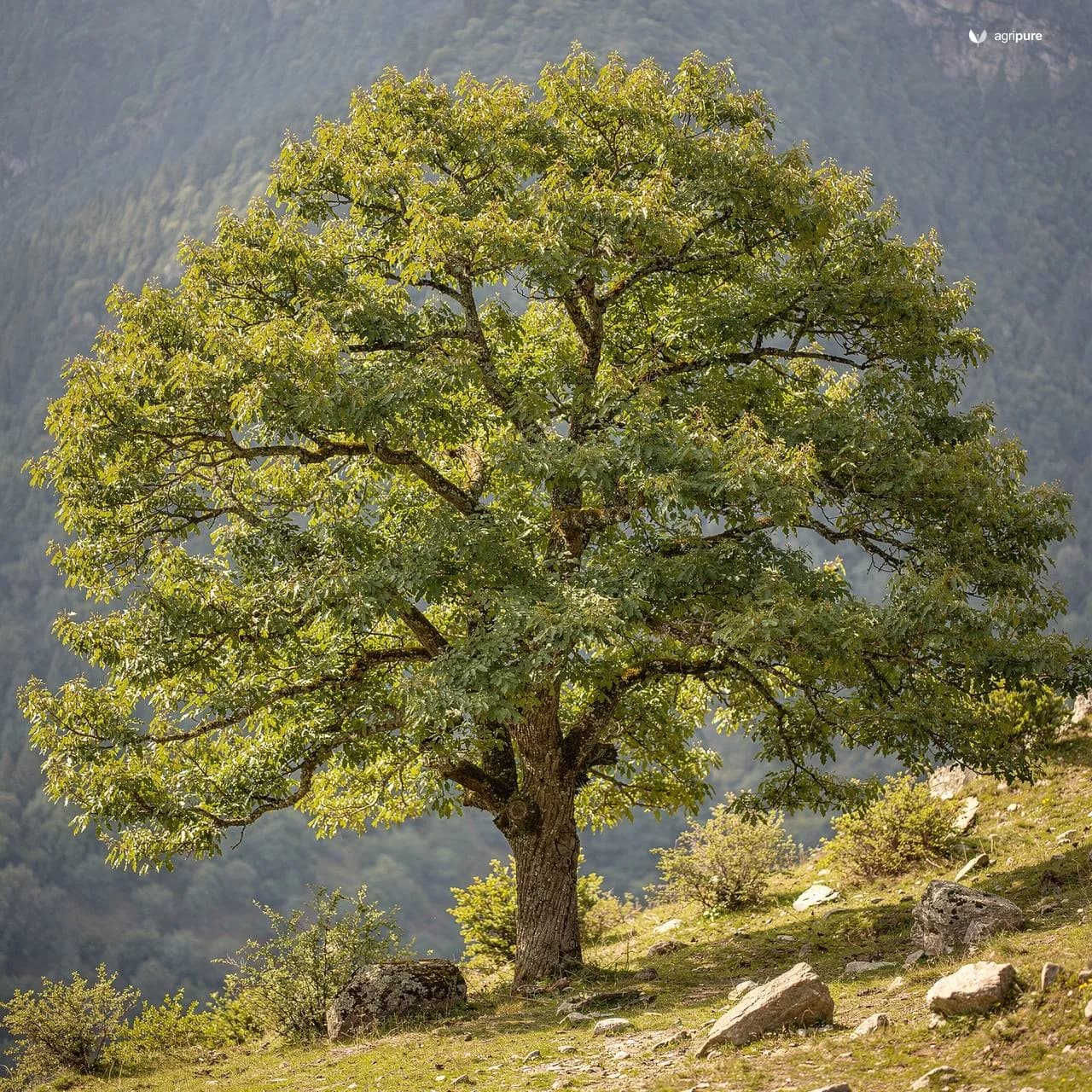
climax
Pear — Bartlett (William’s)
naashpaati (ناشپاتی)
Pyrus communis cv. Bartlett
Also known as Williams (UK & Ireland), Williams Pear (Australia).
- kpk hills
- pothohar
International hardiness
- USDA 4-8
- RHS H6
- AU: Cool temperate, Warm temperate, Mediterranean
Where it grows — regional guide
| Zones / rating | Regional notes |
|---|---|
USDA 4-8 | A classic commercial and home orchard pear across USDA zones 5 to 8; needs winter chill and picks mature-green to ripen off the tree. |
| Zones / rating | Regional notes |
|---|---|
H6 (-20 to -15C) | Hardy at RHS H6 and requires full sun; fruit is typically picked mature-green to ripen off the tree, as on-tree ripening can leave the flesh mealy. |
| Zones / rating | Regional notes |
|---|---|
Cool temperate, Warm temperate, Mediterranean | Grown in cool-temperate and warm-temperate zones where winter chill breaks dormancy; the fruit is picked mature-green to ripen off the tree. |
| Zones / rating | Regional notes |
|---|---|
USDA 4-8 (USDA scale) Canada uses its own zone system; Canadian zones run roughly one lower than USDA. | Grown in short-season areas; it requires full sun and well-drained loamy soil, and the fruit is picked mature-green to ripen off the tree. |
| Zones / rating | Regional notes |
|---|---|
KPK hills, Pothohar | Pakistan:Suited to the KPK hills and Pothohar where cold winters meet its chill requirement; harvest the fruit mature-green to ripen off the tree. |
The Bartlett pear (Pyrus communis cv. Bartlett) is the most widely grown European pear, a cultivar of the common pear known in Europe as Williams or Williams Bon Chrétien. It is a classic, bell-shaped dessert pear with green skin that turns yellow as it ripens, white spring flowers, and smooth, firm flesh with a sweet, aromatic flavour. Rather than tracing back to a wild native range, the cultivar originated in Aldermaston, England, in the 18th century, and went on to become widely grown in the United States after it was introduced there. For the homesteader it is the benchmark cool-climate fruit tree: the pear most nurseries stock, the one buyers recognise on sight, and a dependable producer for fresh eating and home canning once it settles in.
Bartlett is a cultivar of the common pear, Pyrus communis, with the classic pear silhouette, white flowers, glossy green serrated leaves, and fruit that is green when immature and yellow at ripeness. One horticultural description puts mature trees at roughly 15 to 30 feet tall, while commercial nursery listings commonly give a smaller mature range of about 12 to 20 feet or larger depending on the rootstock. Because the eventual height and spread are set largely by the chosen rootstock, the same cultivar can be grown as a tall standard or kept to a compact, easily picked tree.
Growing Bartlett pear
Bartlett is propagated as a grafted fruit-tree cultivar in commercial and nursery production, so the practical route for a home grower is to buy a grafted tree rather than to raise it from seed. It is a cold-climate tree, listed as hardy in USDA Zones 5 to 8 and described as needing about 800 chill hours, which means it wants a genuinely cold winter to break dormancy and fruit reliably. Give it full sun for best results.
For soil, Bartlett does best in well-drained, loamy ground at roughly pH 6.0 to 7.0.3 Spacing follows the mature size of the tree: nursery listings give a mature spread of around 10 to 20 feet, or about 6 to 13 feet wide for smaller rootstock classes, so allow room according to the tree you buy. Patience is part of the bargain, since one nursery source reports that Bartlett typically takes about 4 to 6 years to begin bearing fruit. Critically, Bartlett is listed as requiring a pollinator for fruit set, so a single tree planted on its own is the commonest reason these pears disappoint; plan to grow a compatible second pear nearby.
Harvest and uses
Bartlett fruit are commonly harvested in late August in nursery descriptions, though regional timing varies with climate. The key harvest lesson is one of timing and ripening: UC Davis notes that Bartlett pears reach their best eating quality when picked at the mature-green stage and ripened off the tree, because fruit left to ripen on the tree can turn mealy. Mature-green fruit can be treated with ethylene to ripen uniformly in about 4 to 6 days once warmed for ripening, which is why supermarket pears are sold firm and finish softening at home. A ripe Bartlett is best eaten when it has turned yellow and yields slightly near the neck.
In the kitchen Bartlett is the workhorse pear, used for fresh eating, canning, baking, and general cooking, with one nursery source noting that it holds its shape well when baked or canned. It is also described as the main pear found in stores over a long season, making it an easy and familiar variety to sell at the farm gate or eat through the year. The provided research does not document reliable cultivar-specific medicinal, material, or agroforestry uses for Bartlett, so none are claimed here.
Pollination
Fruit set hinges on pollination: Bartlett is listed as pollinator required, meaning it should be cross-pollinated by a second, compatible pear to crop well. For the homesteader this is a planting decision to make up front, not a fix to add later, so buy the pollinizer at the same time as the Bartlett and set the two trees close enough that bees move freely between their blooms. Supporting strong pollinator activity at flowering time is the practical way to turn a healthy tree into a reliably fruiting one.
Safety and cautions
The provided research does not identify Bartlett pear fruit as poisonous, and it documents no cultivar-specific toxicity, medicinal use, drug interactions, or groups who should avoid it. The one genuine caution is about quality rather than safety: mature-green fruit should be ripened off the tree, because on-tree ripening can leave the flesh mealy and reduce eating quality. As with any tree fruit, normal food-handling and individual-allergy common sense applies.
Sources
- “Bartlett / Williams pear.” Orange Pippin.
- “Bartlett Pear (Pyrus communis) tree identification.” Boulder Tree Care.
- “Bartlett Pear Tree.” Stark Bro’s Nurseries.
- “Differences in Pear Varieties.” Stemilt Growers.
- “Bartlett Pear.” Arbor Day Foundation.
- “Pear, Bartlett: Recommendations for Maintaining Postharvest Quality.” UC Davis Postharvest Technology Center.