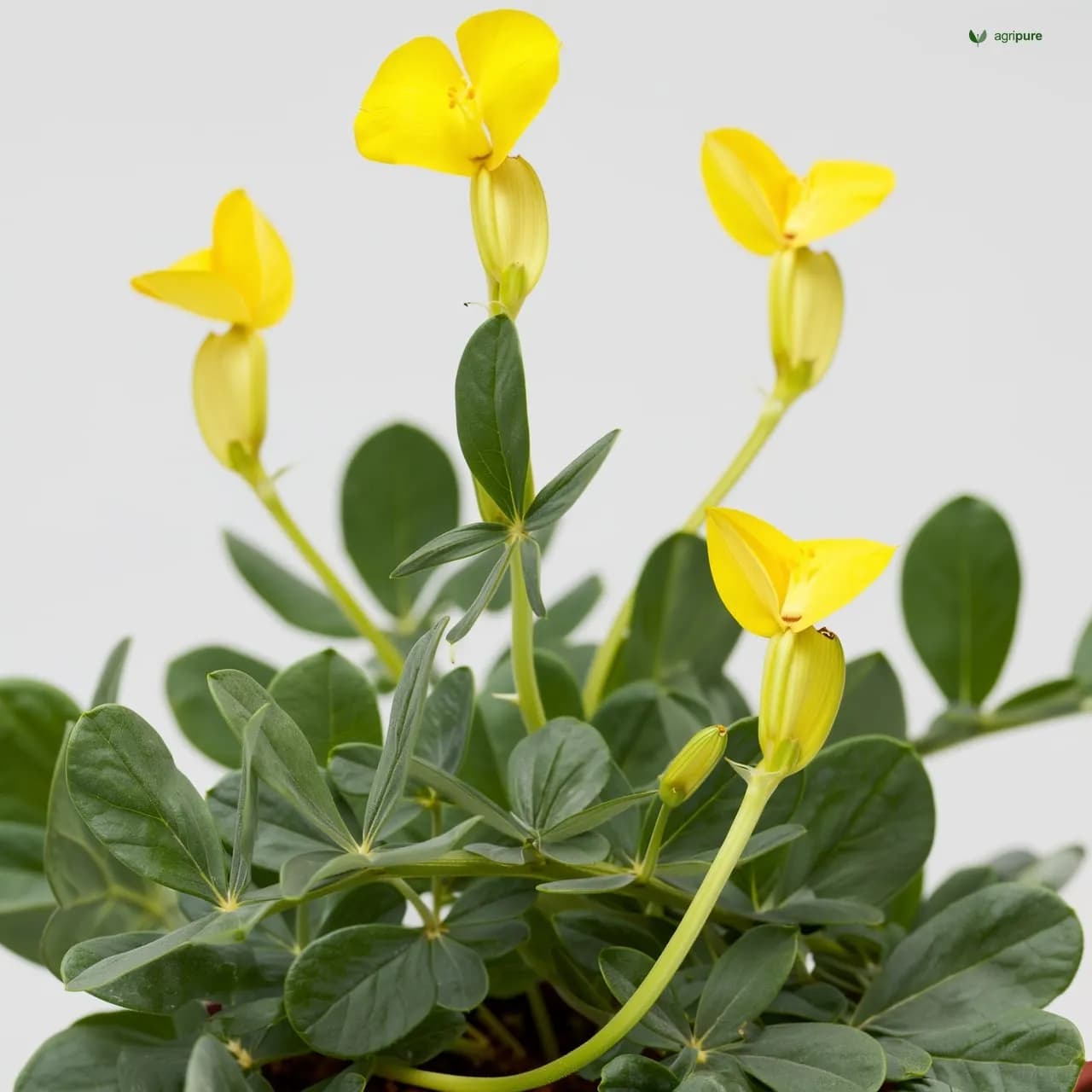
pioneer
Mung Bean
moong
Vigna radiata
Also known as Moong (Pakistan), Green Gram (India).
- punjab plains
- sindh coast
International hardiness
- USDA 10-12
- RHS H1c
- AU: Tropical, Subtropical, Arid / semi-arid
Where it grows — regional guide
| Zones / rating | Regional notes |
|---|---|
USDA 10-12 | Grown as a fast warm-season annual pulse and sprout crop in USDA zones 10 to 12; direct-sow into warm garden beds after all spring frost danger has passed. |
| Zones / rating | Regional notes |
|---|---|
H1c (5 to 10C) | No region-specific data yet |
| Zones / rating | Regional notes |
|---|---|
Tropical, Subtropical, Arid / semi-arid | Suited to tropical, subtropical, and arid cropping belts as a quick summer pulse; provides a short-season rotation crop that fixes soil nitrogen and yields grain. |
| Zones / rating | Regional notes |
|---|---|
USDA 10-12 (USDA scale) Canada uses its own zone system; Canadian zones run roughly one lower than USDA. | No region-specific data yet |
| Zones / rating | Regional notes |
|---|---|
Punjab plains, Sindh coast | Pakistan:A fast-maturing summer kharif pulse across the Punjab plains and Sindh; direct-sow into warm soil after frost danger passes to fix nitrogen and yield edible dal. India:A major warm-season pulse and green manure crop native to the subcontinent; grown during summer and kharif seasons for nutritious seeds, split dal, and sprouts. |
Grows alongside
Species that appear with Mung Bean in 2 of our published guides — a starting list for a guild, not a planting plan.
Mung bean (Vigna radiata, also known as green gram and by the synonym Phaseolus aureus) is a warm-season annual legume in the pea family, Fabaceae, grown for its small edible seeds and sprouts. It is believed to have originated in the Indian subcontinent and then spread throughout South, Southeast, and East Asia; today it is cultivated across Asia, Africa, the Americas, and Australia as a pulse, a vegetable, and a green manure. For the homesteader, its appeal is its short, hot-weather cycle and its legume habit: it fits the gap after a cereal crop, sprouts readily on a kitchen counter, and doubles as a fast cover crop on open ground.
Mung bean is typically an erect, sometimes twining annual herb, usually 30 to 90 cm tall, though some cultivars are more prostrate. The stems are slender, branched, and often hairy, and the leaves are alternate and trifoliate, carrying three leaflets in the manner of many grain legumes. Its pea-like (papilionaceous) flowers are yellowish to pale greenish-yellow, borne in axillary racemes, and open successively; they are typically self-pollinated. The pods are slender and cylindrical, about 6 to 12 cm long and 0.4 to 0.6 cm wide, usually finely hairy, and turn from green to blackish or brown as they dry, each holding roughly 10 to 15 seeds. The seeds are small and nearly cylindrical to oblong, most often green but also found in yellow, brown, or black forms depending on cultivar, and markedly smaller than the common bean (Phaseolus vulgaris), at roughly 3 to 7 g per 100 seeds in cultivated types. It is easily confused with black gram (Vigna mungo), which usually carries larger, duller black seeds and a somewhat different stature.
Growing mung bean
Mung bean is almost exclusively propagated by seed, and the seed is usually direct-sown in place once the danger of frost has passed and the soil has warmed, as with other warm-season legumes. It is a warm-season crop at its best in tropical and subtropical climates, performing optimally at mean temperatures of roughly 25 to 35°C through the growing season, and it is sensitive to frost and to prolonged cool, wet conditions, which reduce both growth and nodulation. Authoritative botanical and floristic sources describe its climate rather than assigning USDA hardiness zones; on the basis of its frost-sensitive, warm-season, 25 to 35°C profile, it is best treated as a summer annual grown in frost-free periods, broadly across about USDA zones 7 to 11 and, in warm microclimates, as a very short-season summer crop in zone 6. That zone range is an inference from climate data, not a figure taken directly from primary sources.
Give mung bean full sun: as a warm-season field legume it is grown in open, unshaded fields for best yield. It grows on a range of soils but does best on well-drained loams or sandy loams with a slightly acidic to neutral pH, roughly 6.2 to 7.2.24 It is sensitive to waterlogging, and excessive soil moisture with poor drainage predisposes the crop to root diseases and poor nodulation, so free-draining ground matters. For water, the plant is moderately drought-tolerant and is widely grown in rainfed systems with moderate rainfall of roughly 600 to 1,000 mm a year, often sown after cereals in South Asia, but it responds well to adequate moisture during flowering and pod filling.
Harvest and uses
Mung bean is grown primarily for its small edible seeds and for sprouts, and it is also valued as a green manure and cover crop. The mature pods turn blackish or brown and dry on the plant, each yielding roughly 10 to 15 small seeds that store as a dry pulse. Beyond food, its role as a legume sown into the gap after a cereal crop makes it a useful soil-building cover in a rotation, a practice long established across South Asian rainfed systems. Where it is grown for sprouts, the same dry seed is simply germinated, giving the homestead two distinct products from one crop: a storable pulse and a quick fresh green.
How to identify it
Look for a slender, branched, often hairy annual herb, usually erect and 30 to 90 cm tall, with alternate trifoliate leaves. In flower it carries small, pea-like, yellowish to pale greenish-yellow blooms in clusters in the leaf axils; in fruit it bears slender, finely hairy, cylindrical pods 6 to 12 cm long that darken to brown or black as they dry. The clearest confirmation is the seed itself: small, nearly cylindrical to oblong, usually green and distinctly smaller than a common bean. Take care to distinguish it from the closely related black gram (Vigna mungo), whose seeds are usually larger and a duller black.
Sources
- Mung bean — Wikipedia
- Vigna radiata review — PMC (National Library of Medicine)
- Vigna radiata (topic overview) — ScienceDirect
- Origin, domestication, taxonomy and botanical description of Vigna radiata — International Journal of Current Research
- Vigna radiata plant profile — USDA PLANTS Database