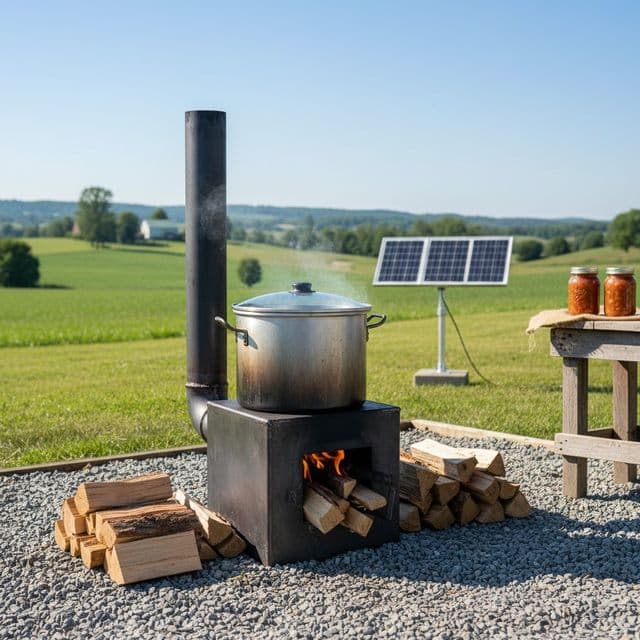
Rocket Stove Cooking & Canning: Off-Grid in USDA Zone 6
Learn to cook and can outdoors with a rocket stove during power outages in USDA Zone 6. Discover efficient, low-emission off-grid cooking methods for homestead resilience.
Tag
19 articles in this tag on agripure.
Learn to cook and can outdoors with a rocket stove during power outages in USDA Zone 6. Discover efficient, low-emission off-grid cooking methods for homestead resilience.
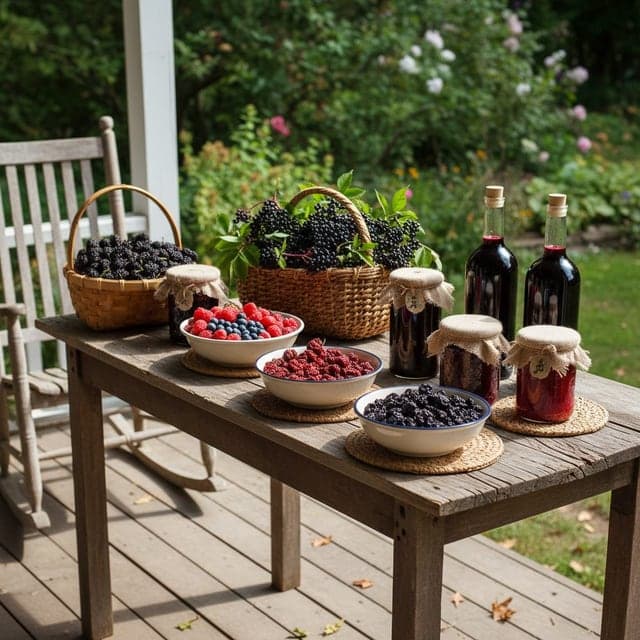
Preserve summer berries without a freezer using USDA/NCHFP boiling-water bath canning with altitude adjustments, 135°F dehydration plus 7-day conditioning, berry fruit leather, and >=5% vinegar shr…
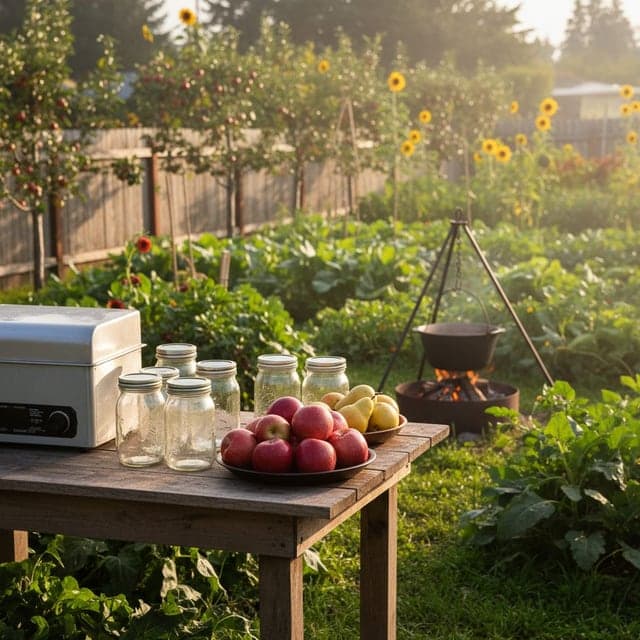
Learn practical methods for preserving apples and pears from abundant harvests in the Pacific Northwest. Extend your fruit’s usability for 6-12 months with dehydrating, canning, and root cellaring.
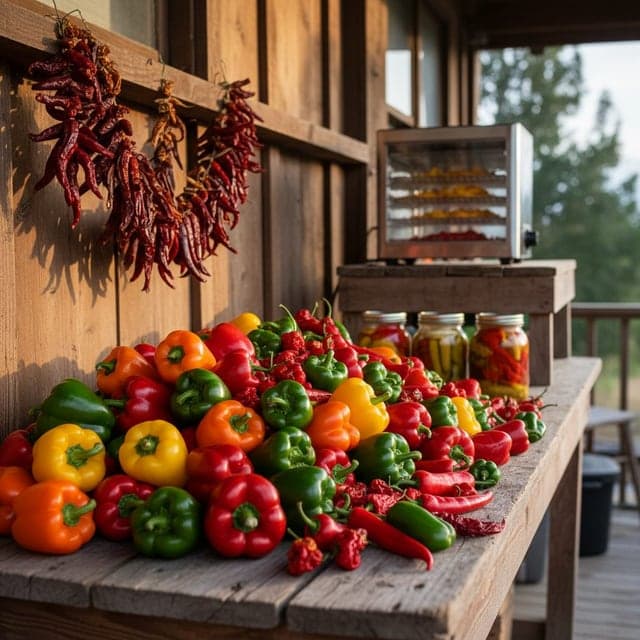
How to preserve your USDA Zone 7 pepper harvest with drying, freezing, fermenting, and pickling techniques to use peppers year-round.
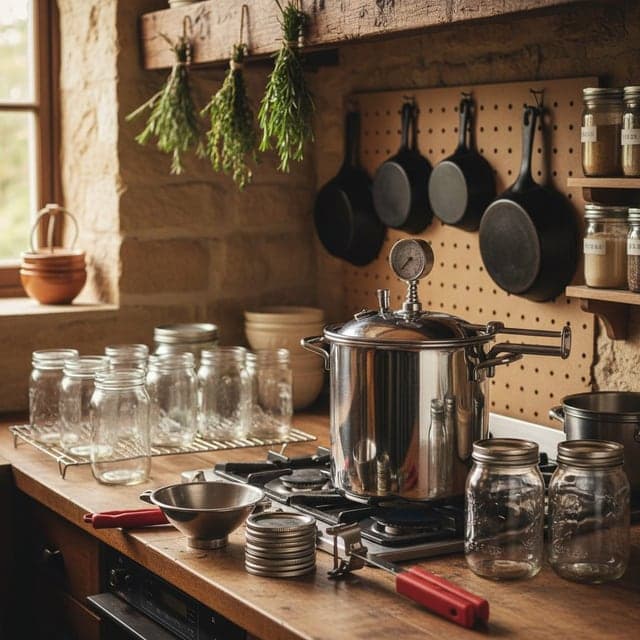
Safely pressure can low-acid vegetables, meats, and soups at 240–250°F: 10-minute steam venting, USDA altitude PSI tables, pint/quart limits, dial-gauge testing, and botulism disposal.
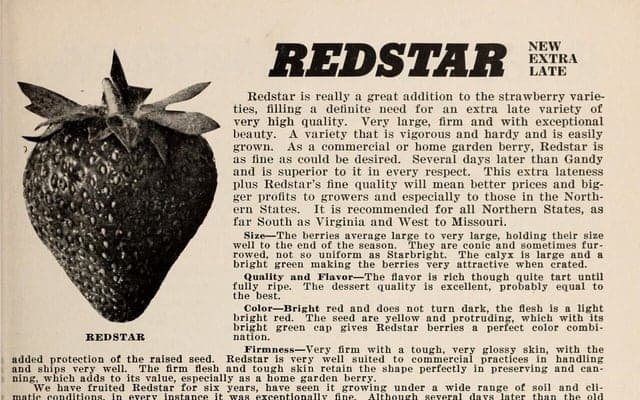
Learn to safely can berry jams and jellies for a year-round supply. This guide covers selecting fruit, essential ingredients, and USDA guidelines for preserves in USDA Zone 5.
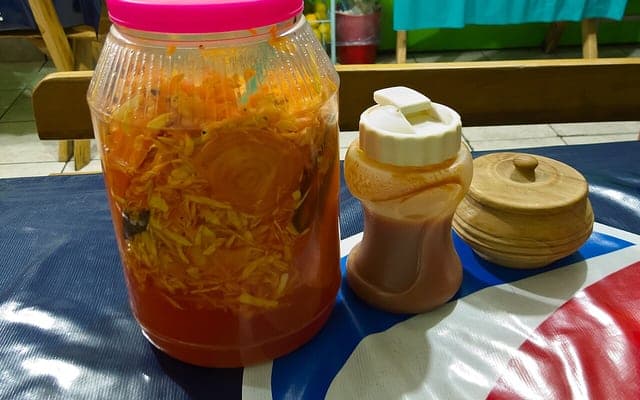
Can tomatoes, tomato sauce, and salsa safely using USDA and NCHFP pH 4.6 acid rules: exact bottled lemon juice or citric acid spoons, altitude tables, and P0 bans.
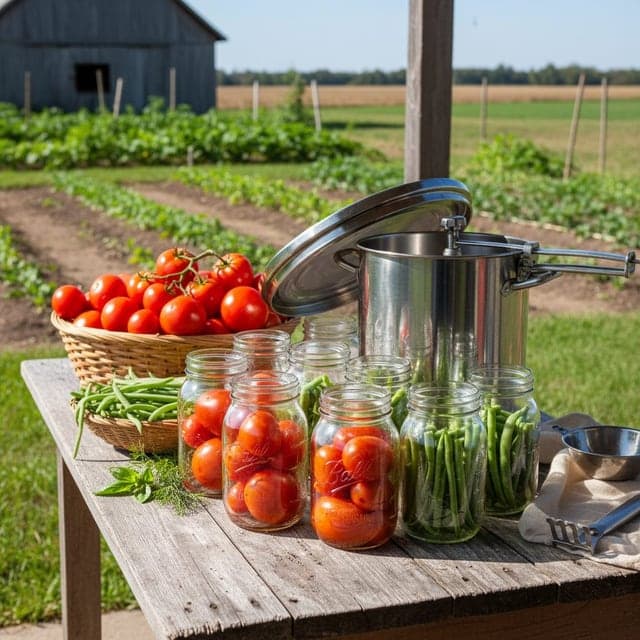
Understand botulism risks in home canning. Learn how altitude, acidity (pH), and proper processing prevent deadly toxins. Essential home canning safety tips for all US homesteaders.

Choose safely between boiling-water bath, atmospheric steam, and pressure canning using the USDA pH 4.6 rule, dial vs. weighted gauge altitude PSI tables, 10-minute venting, and tomato acidificatio…
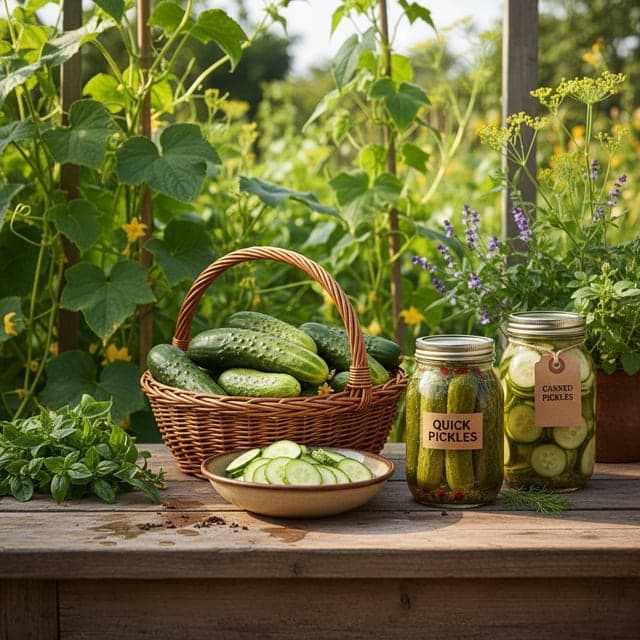
Learn safe pickling methods for your cucumber harvest. Compare quick refrigerator pickles vs. shelf-stable canning for 50 lbs in USDA Zone 5, for food safety and long-term storage.
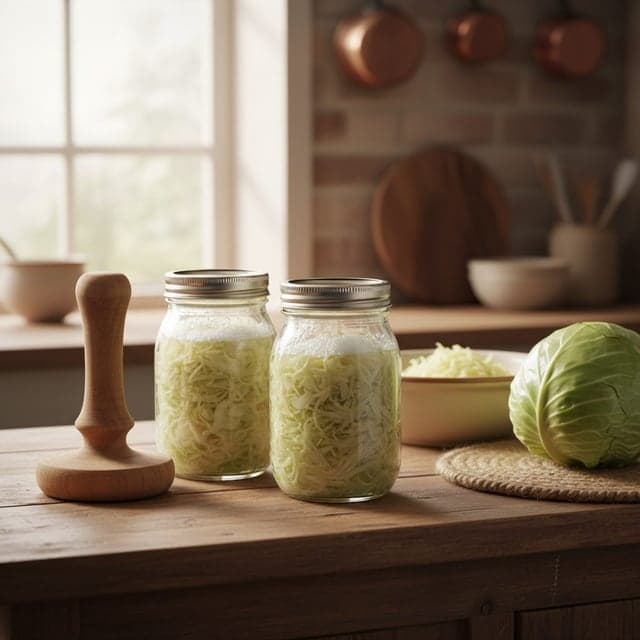
Make crisp, safe Mason jar sauerkraut using NCHFP and USDA extension food science: exact 2.0–2.25% gram-scale salt math, Leuconostoc to L. plantarum pH drop below 4.0, 65–72°F control, airlock head…
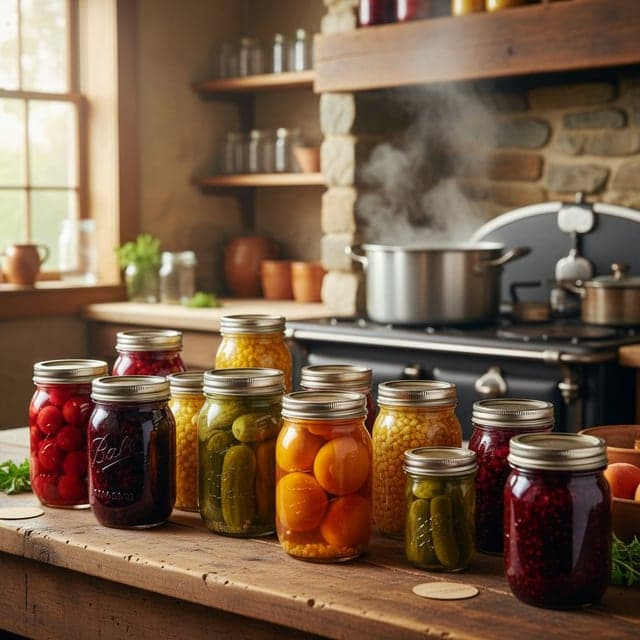
Master safe canning practices for water-bath and pressure canning. Learn essential tips to preserve fruits, vegetables, and meats, avoiding botulism and common mistakes.
Make homemade vinegar, kombucha, and pickles to preserve food at home and save money on groceries. Methods and recipes for reliable fermentation.
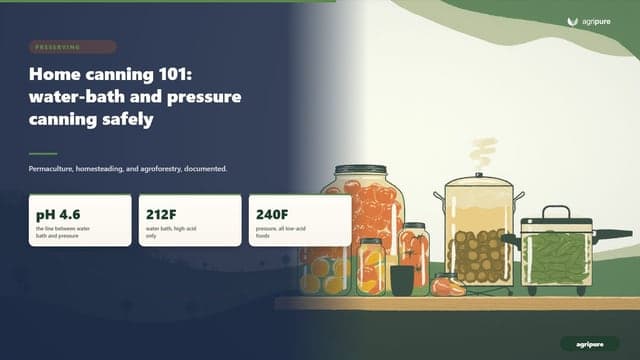
Home canning safely: when to water-bath vs pressure can, the pH 4.6 line, why low-acid foods need pressure, tested recipes, headspace, altitude, and spoilage signs.
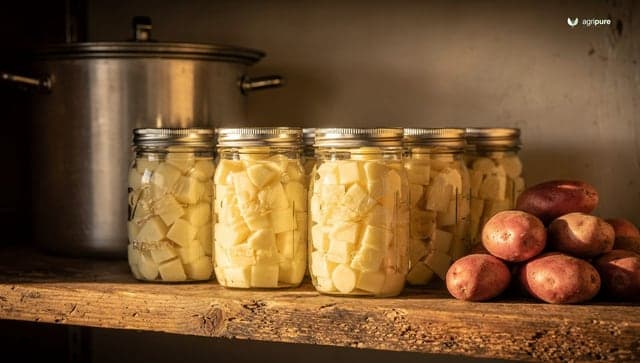
Pressure canning potatoes safely: NCHFP-tested times, variety selection, step-by-step hot pack, altitude table, troubleshooting, and uses from the jar.
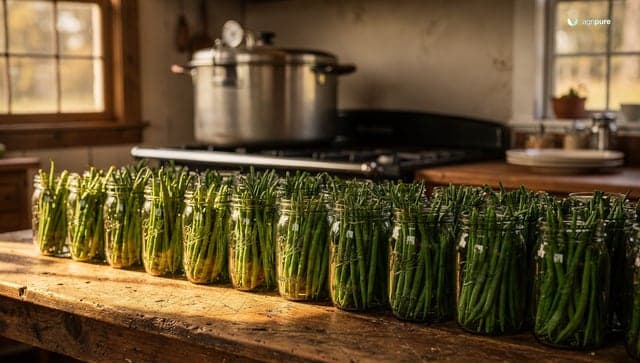
Green beans are low-acid and must be pressure canned — never water-bath. USDA-tested times, altitude pressure table, raw vs hot pack, and troubleshooting.
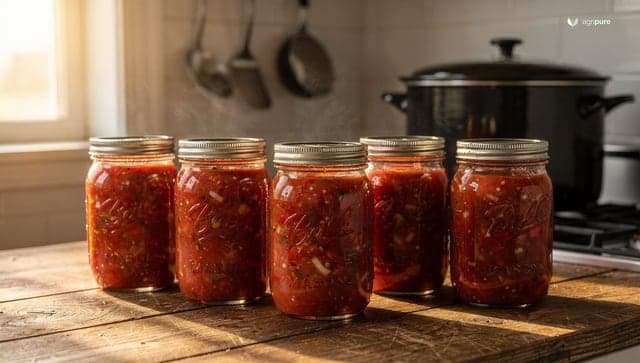
Use the NCHFP-tested Choice Salsa recipe for safe water bath canning: correct acid ratios, step-by-step process, altitude table, and what you cannot change.
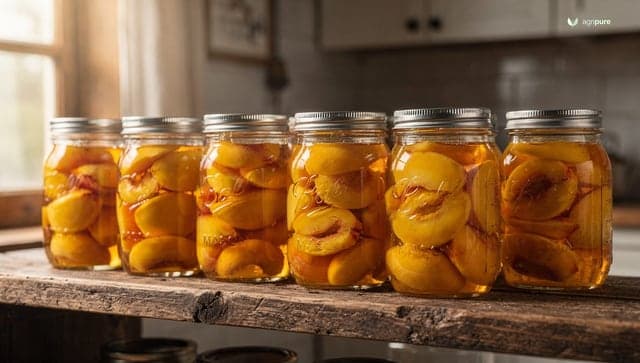
Can yellow-flesh peaches safely with USDA/NCHFP boiling-water and pressure-canner altitude times, 3 g/gal ascorbic acid anti-browning soaks, 5 syrup ratios, and white-peach pH 4.6 safety rules.
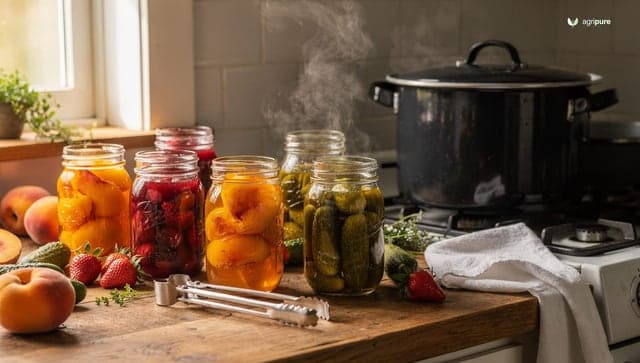
Learn water bath canning step by step: what high-acid foods are safe, jar prep, headspace, processing times, altitude adjustments, and USDA-backed safety rules.