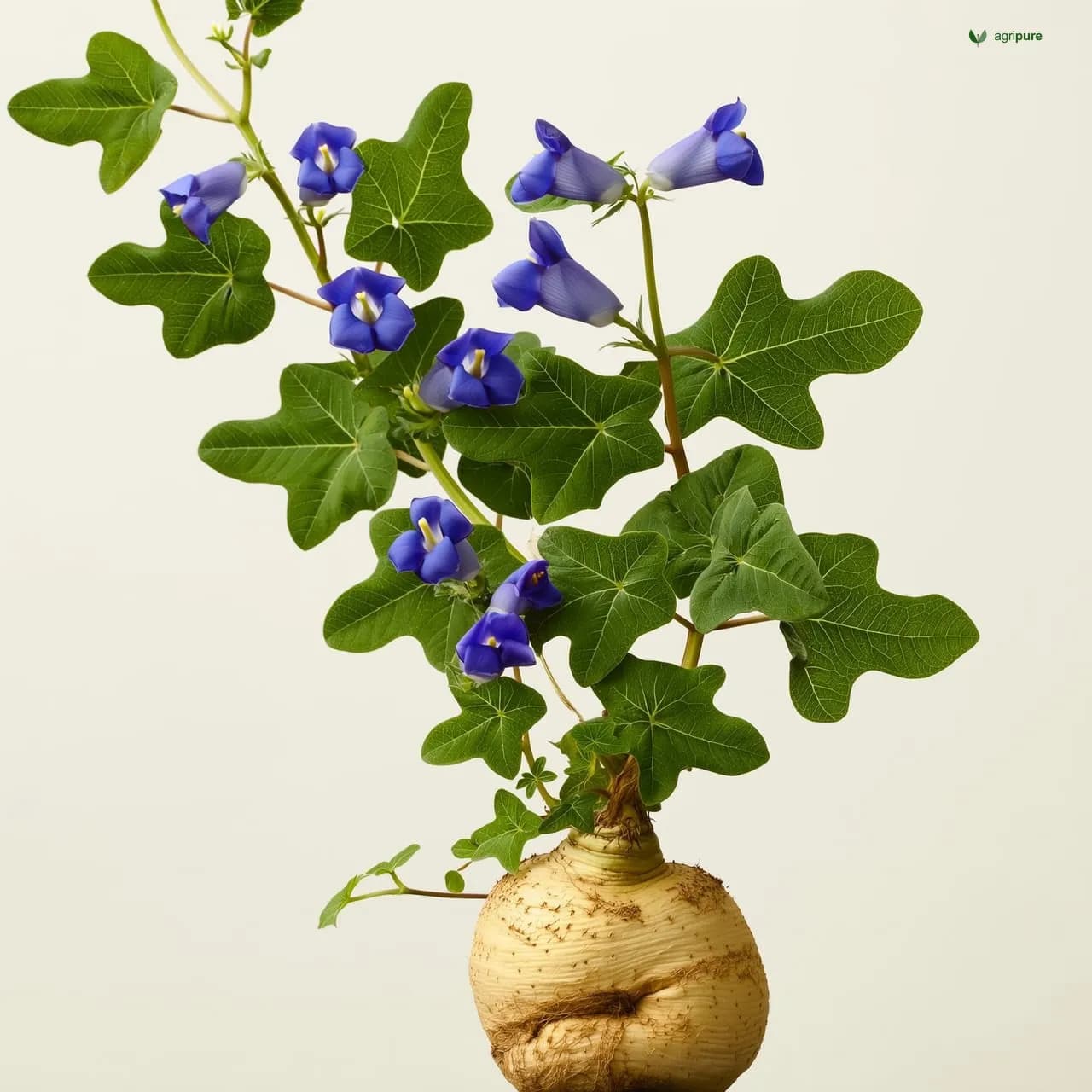
pioneer
Physic Nut
jangli arand
Jatropha curcas
Also known as Jangli Arand (Pakistan).
- punjab plains
- sindh coast
International hardiness
- USDA 10-12
- RHS H1c
- AU: Tropical, Subtropical
Where it grows — regional guide
| Zones / rating | Regional notes |
|---|---|
USDA 10-12 | Grown in frost-free USDA zones 10 to 12 as a drought-hardy living fence; seeds and foliage are severely toxic if ingested. |
| Zones / rating | Regional notes |
|---|---|
H1c (5 to 10C) | No region-specific data yet |
| Zones / rating | Regional notes |
|---|---|
Tropical, Subtropical | Grown in frost-free tropical districts as a boundary barrier; seeds contain dangerous toxins and are poisonous to animals. |
| Zones / rating | Regional notes |
|---|---|
USDA 10-12 (USDA scale) Canada uses its own zone system; Canadian zones run roughly one lower than USDA. | No region-specific data yet |
| Zones / rating | Regional notes |
|---|---|
Punjab plains, Sindh coast | Pakistan:Grown as an unpalatable living boundary fence on dry plains; seeds and foliage are severely toxic to humans and grazing stock. India:Planted along wasteland borders as a stock-proof live hedge; seeds and foliage are severely toxic to people and livestock. |
Jatropha curcas, known in Pakistan as jangli arand, is a hardy oilseed shrub best understood as a living fence that also yields fuel oil. The honest reason to plant it is protection: stock will not eat its toxic foliage, so a row of jatropha makes a stout, animal-proof boundary on dry ground while producing oil-rich seed. The biodiesel hype around it has cooled worldwide, so plant it for the fence and the by-products first and treat any fuel as a bonus, not a business plan.
Where it thrives
Jatropha suits the warm Punjab plains and the Sindh coast, taking poor, stony, and dryish soils in full sun. POWO records it as a shrub or small tree native to Mexico and tropical America, now naturalised across the seasonally dry tropics,1 which is why it establishes here so readily. It is drought-tolerant once rooted and thrives on marginal land, though it does not like frost or waterlogging and yields little oil where it is truly starved of water. For a boundary plant on hot, broken ground it is hard to beat.
Role in the system
Jatropha’s place is on the protective perimeter as a pioneer live-fence and windbreak, not in the edible understory. Planted close along a boundary or contour, it knits into a dense, browse-proof hedge that excludes livestock and slows wind and erosion on exposed land, sheltering the productive guilds inside. It is not a nitrogen fixer; do not list it as one. Its leaves and seeds are toxic to people and animals, so it belongs strictly to the support and barrier layer, well away from anything grazed or eaten. Use it as the tough outer skin of a system, defining edges and protecting the soil while the inner strata do the producing.
Growing it
Two decisions decide success. First, propagation method: jatropha grows fast from large stem cuttings, which make an instant fence but a shallower root system, while seed-grown plants root deeper and live longer, so choose cuttings for a quick barrier and seed where you want durability. Second, expectations: seed and oil yields are notoriously variable and often disappointing on poor sites, so site it for the fence function and manage the oil as a secondary return. Space cuttings 15 to 30 cm apart for a tight hedge, wider for individual plants. Prune to thicken the barrier; little irrigation is needed once established.
What you get
The reliable returns are a permanent live-fence, windbreak, and erosion control, plus non-edible seed oil usable for soap and lamp fuel. The seed cake is protein-rich but toxic and unsafe as feed without detoxification, because of phorbol esters and related toxic compounds. Harvest seed capsules as they ripen and dry. The economic angle is modest and honest: cheap, durable fencing and shelter from a single planting, with small-scale oil and soap as add-ons rather than a cash crop.
Sourcing notes
Propagate from cuttings for a fast fence or fresh seed for longevity; planting material is locally available where it is already grown. Companion it only as an outer barrier around the system, never beside fodder or vegetable plots. Handle seed and cake as toxic, keeping both clear of children and stock, which is the central caution with this plant.
Sources
- POWO (2024). “Jatropha curcas L.” Plants of the World Online, Royal Botanic Gardens, Kew.
- Wang, X.-H., et al. (2020). “Hydroxy-octadecenoic acids instead of phorbol esters are responsible for the Jatropha curcas kernel cake’s toxicity.” Communications Biology.
- Riayatsyah, T.M.I., et al. (2022). “Current Progress of Jatropha Curcas Commoditisation as Biodiesel Feedstock: A Comprehensive Review.” Frontiers in Energy Research.