
Key takeaways
- Integrated Pest Management (IPM) is foundational for organic vertebrate control, combining cultural, physical, and biological methods.
- Physical barriers like fencing, at least 8 feet high for deer and 18 inches deep for voles, are often the most effective initial defense.
- Habitat modification, such as removing brush piles and tall grass, significantly reduces rodent harborage within 50 feet of garden beds.
- Repellents, both commercial and homemade, can deter pests like deer and rabbits, especially when rotated to prevent habituation.
- Trapping, when humane and legal, offers targeted removal of persistent pests like voles and squirrels, particularly in smaller areas.
- Understanding pest behavior and local regulations matters for successful and ethical organic vertebrate pest management.
Quick answer: Organic management of deer, rabbits, and voles in gardens uses Integrated Pest Management (IPM), combining physical barriers, habitat modification, and repellents. This approach prioritizes prevention and humane control.
In the diverse agricultural landscape of the United States, from the fertile valleys of California to the humid plains of Georgia, growers face persistent challenges from vertebrate pests. Deer, rabbits, voles, and squirrels can decimate a season’s hard work, consuming crops, damaging trees, and undermining garden infrastructure. For those committed to organic practices, the solutions must follow principles of ecological balance and minimal environmental impact, avoiding synthetic chemicals and harmful traps. This approach requires a thoughtful, multi-faceted strategy that prioritizes prevention and humane control.
Successfully managing these animals without resorting to conventional pesticides demands a deep understanding of their behaviors, habitats, and vulnerabilities. This article will outline practical, organic strategies for protecting your crops and landscape, grounded in real-world experience and scientific understanding. We’ll explore methods that have proven effective for growers across various USDA zones, from constructing robust physical barriers to employing natural repellents and understanding the role of beneficial predators in maintaining a healthy garden ecosystem.
understanding the pests and ipm principles
Before tackling any pest issue, it helps to understand the specific animals causing trouble in your garden. Deer, for example, are browsers, preferring tender shoots and leaves, often damaging plants up to 6 feet high. Rabbits, on the other hand, are grazers, typically eating plants close to the ground, especially young seedlings like garden peas. Voles, small rodents resembling mice, create intricate tunnel systems just beneath the soil surface, gnawing on roots and bulbs. Squirrels, while sometimes charming, can be notorious for digging up seeds and bulbs, and raiding fruit trees.
the integrated pest management framework
An Integrated Pest Management (IPM) approach is the cornerstone of organic vertebrate control. It’s a systematic process that combines various strategies to manage pests while minimizing risks to people and the environment [0, 4]. For instance, a grower in upstate New York might first identify deer damage, then monitor their activity, and only then implement control measures. This framework emphasizes prevention, monitoring, and targeted intervention, rather than reactive chemical applications. In 2010, the Vertebrate Pest Control Research Advisory Committee in California highlighted the importance of a comprehensive approach to managing these challenges [1].
- Identify the specific pest species causing damage.
- Monitor pest activity and population levels regularly.
- Understand the pest’s life cycle and feeding habits.
- Establish damage thresholds before implementing controls.
- Combine multiple control methods for increased effectiveness.

physical barriers: the first line of defense
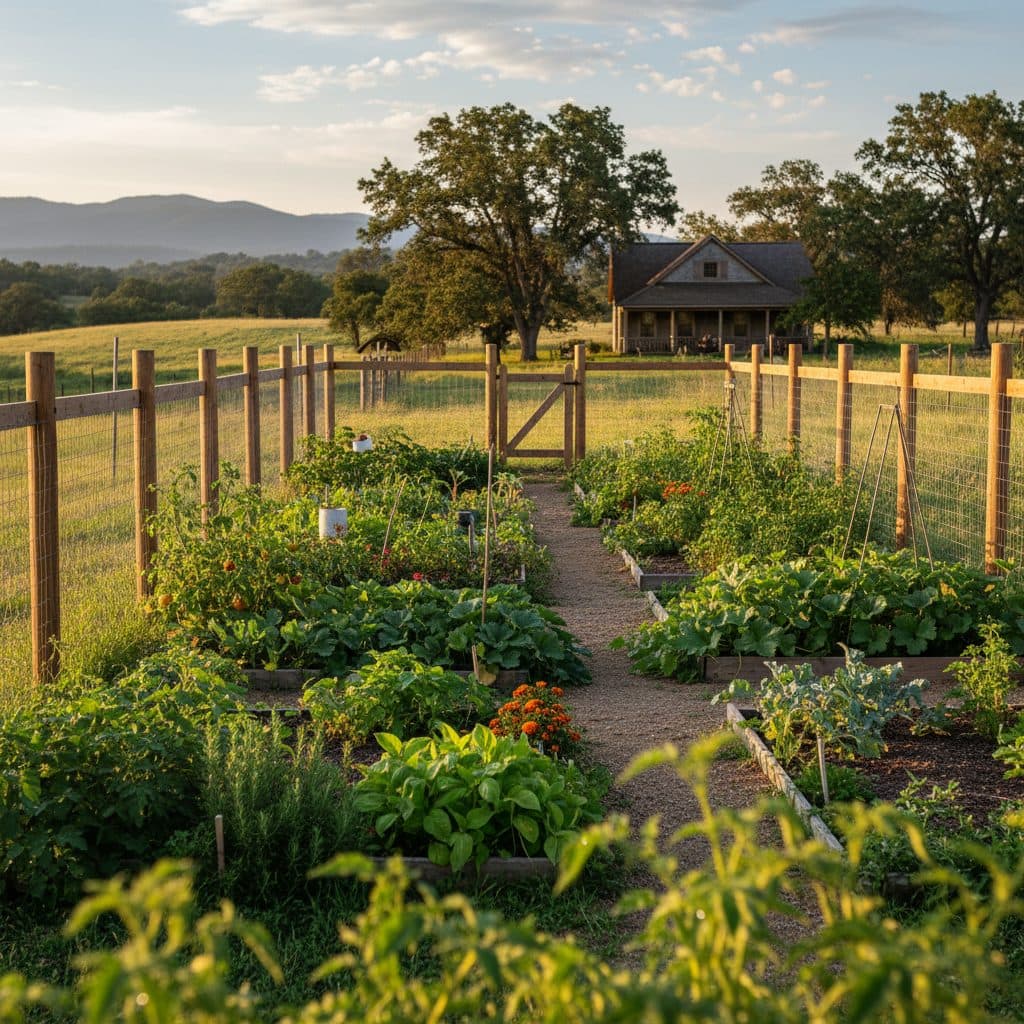
For many organic growers, physical barriers are the most reliable and often the most effective method for controlling vertebrate pests. A well-constructed fence can deter deer, rabbits, and even voles, protecting your crops. For deer, a fence needs to be substantial — at least 8 feet high to prevent jumping, or a double fence with two parallel fences 4 to 5 feet high and 4 feet apart. In a trial in Pennsylvania, an 8-foot woven wire fence reduced deer browsing by 95% on a 1-acre plot.
designing effective fencing
When dealing with rabbits, a fence of at least 24 inches high, made of 1-inch mesh chicken wire, will usually suffice. Bury the bottom 6 inches of the fence to prevent rabbits from digging underneath. For voles, which tunnel, the barrier needs to extend 18 inches deep into the soil, often using hardware cloth with a 1/4-inch mesh. This can be particularly effective around raised beds or individual fruit trees, protecting root systems from damage that can girdle a young tree in a single season. Consider using a sturdy lightweight garden hand trowel for digging these trenches.
- Use woven wire or electric fencing for deer control.
- Ensure deer fences are at least 8 feet tall, or use a double-fence system.
- Bury rabbit fencing 6 inches deep and ensure it’s 24 inches high.
- Install hardware cloth 18 inches deep for vole exclusion around beds.
- Regularly inspect barriers for breaches or damage from weather or pests.
cultural practices and habitat modification
Beyond physical barriers, modifying the habitat around your garden can significantly reduce its attractiveness to vertebrate pests. Many small rodents, like voles and rabbits, prefer areas with dense cover, such as tall grass, brush piles, or overgrown weeds. By maintaining a clean perimeter around your garden — a buffer zone of at least 10 to 15 feet — you can make your property less inviting. This means regularly mowing grass, removing fallen branches, and keeping compost piles tidy and away from planting areas. A wooden-handle garden fork can be useful for clearing debris.
managing garden structure
Proper garden design also plays a role. Planting vulnerable crops, like young lettuce or carrots, closer to the house or within highly protected areas can offer additional security. Consider companion planting with strong-smelling herbs like garden sage, which can sometimes deter rabbits and deer, though this method is often less reliable than physical barriers. In a study in Oregon, maintaining a 20-foot mowed perimeter around vegetable plots reduced vole activity by 40% compared to plots with adjacent tall grass. This type of habitat modification can be a powerful, long-term preventative strategy.
- Remove brush piles, tall weeds, and debris within 50 feet of garden beds.
- Keep grass mowed short around garden perimeters, ideally a 10-foot buffer.
- Store firewood and lumber piles away from the garden to eliminate rodent harborage.
- Prune lower branches of shrubs and trees to reduce cover for small mammals.
- Use raised beds, which can offer some protection from burrowing pests like voles.
repellents and deterrents
Repellents offer another layer of defense, especially for pests that occasionally breach other barriers or for areas where fencing isn’t practical. These can be olfactory (smell-based), gustatory (taste-based), or auditory deterrents. Commercial organic repellents often contain ingredients like putrescent egg solids, capsaicin, or garlic oil, which are unpleasant to animals but harmless to plants and humans. For instance, a repellent containing 15% putrescent egg solids, applied every 2 to 4 weeks, has shown to reduce deer browsing by up to 70% in suburban gardens in Ohio.
applying and rotating repellents
Homemade repellents, such as a mixture of hot pepper spray, garlic, or even human hair, can also be tried, though their effectiveness varies and they often require more frequent application, especially after rain. The key to successful repellent use is rotation and consistent application. Animals can become accustomed to a single repellent over time, so switching between two or three different types every few weeks can maintain their effectiveness. Always apply repellents according to product instructions, ensuring good coverage on vulnerable plants. Using an expandable hose with a 7-pattern spray nozzle can help with even application.
- Choose repellents with active ingredients like putrescent egg solids or capsaicin.
- Apply repellents every 2 to 4 weeks, or after heavy rain, for consistent protection.
- Rotate between different types of repellents to prevent pest habituation.
- Consider granular repellents for perimeter protection against voles and squirrels.
- Combine repellents with other methods for better pest deterrence.
trapping and exclusion
When other methods prove insufficient, particularly for smaller pests like voles and squirrels, trapping can be a targeted solution. For voles, snap traps or live traps placed near their runways or burrow entrances can be effective. Baiting with apple slices, peanut butter, or oatmeal often yields good results. In a garden in central California, a grower successfully reduced vole damage by 80% using snap traps placed every 10 feet along active runways. Always check local regulations regarding trapping, as rules vary by state and municipality, especially concerning live trapping and release.
humane and effective trapping
For squirrels, live traps are often used, baited with nuts or seeds. Once caught, squirrels should be released several miles away, if permitted by local laws, to prevent their return. When setting traps, consider using gloves to avoid leaving human scent, which can deter cautious animals. Remember that animal welfare is an important consideration in pest control, as noted in research dating back to 1989 [2]. For burrowing rodents, a garden hand-tool set can help you locate and clear burrow entrances for trap placement.
- Use snap traps for voles, placing them perpendicular to runways.
- Bait vole traps with apple slices, peanut butter, or oatmeal.
- Employ live traps for squirrels, baited with nuts or seeds.
- Check traps daily and release or dispatch animals humanely and legally.
- Consult local wildlife authorities for regulations on trapping and relocation.
Comparison of Organic Vertebrate Pest Control Barriers
Pest | Minimum Height / Depth | Material Type | Relative Cost (1-5) |
|---|---|---|---|
Deer | 8 ft high | Woven wire, electric fence | 4 |
Rabbits | 24 in high, 6 in buried | Chicken wire (1-inch mesh) | 2 |
Voles | 18 in deep | Hardware cloth (1/4-inch mesh) | 3 |
Squirrels | Enclosed cages, netting | Hardware cloth, bird netting | 3 |
Deer Fence Height: A deer fence needs to be at least 8 feet high to effectively deter most deer from jumping over it.
Vole Barrier Depth: For effective vole exclusion, barriers like hardware cloth must extend at least 18 inches deep into the soil.
Rabbit Fence Specs: Rabbit fencing should be at least 24 inches high and buried 6 inches deep to prevent digging and jumping.
Frequently asked questions
What is the most effective organic method for deterring deer?
The most effective organic method for deterring deer is typically a physical barrier. A fence at least 8 feet high, or a double fence system with two 4-foot fences spaced 4 feet apart, can reduce deer browsing by over 90% in many garden settings.
How deep should I bury fencing to keep voles out?
To effectively keep voles out of garden beds, fencing, usually hardware cloth with a 1/4-inch mesh, should be buried at least 18 inches deep. This prevents them from tunneling underneath and accessing roots and bulbs.
Are homemade repellents as good as commercial organic repellents?
Homemade repellents can offer some deterrence, but their effectiveness often varies and they typically require more frequent application, sometimes daily or after every rain. Commercial organic repellents, often containing ingredients like putrescent egg solids, are formulated for greater persistence and can reduce deer damage by up to 70% with consistent use every 2 to 4 weeks.
What are the best baits for organic vole trapping?
For organic vole trapping using snap traps or live traps, effective baits include apple slices, peanut butter, and oatmeal. Placing these baits near active vole runways or burrow entrances can significantly increase your trapping success rate.
How does habitat modification help control garden rodents?
Habitat modification helps control garden rodents by making your property less attractive to them. Removing brush piles, tall grass, and cluttered areas within a 10 to 50-foot perimeter around your garden eliminates their preferred cover and nesting sites, reducing their presence by up to 40% in some cases.
References
- Vertebrate Pest Control Research Advisory Committee (VPCRAC): California’s Approach to Supporting Vertebrate Pest Control (2010). Vertebrate Pest Control Research Advisory Committee (VPCRAC): California’s Approach to Supporting Vertebrate Pest Control.
- Vertebrate Pest Control and Animal Welfare (1989). Vertebrate Pest Control and Animal Welfare.
- Comparisons Between Vertebrate Pest Control Materials: Essential Considerations (1983). Comparisons Between Vertebrate Pest Control Materials: Essential Considerations.
- Key Word Standardization in Vertebrate Pest Control (1988). Key Word Standardization in Vertebrate Pest Control.
- The development, regulation and use of biopesticides for integrated pest management (2011). The development, regulation and use of biopesticides for integrated pest management.
- Natural enemy interactions constrain pest control in complex agricultural landscapes (2013). Natural enemy interactions constrain pest control in complex agricultural landscapes.