secondary
Jujube (Chinese Date)
unnab
Ziziphus jujuba
Also known as Unnab (Pakistan).
- kpk hills
- pothohar
International hardiness
- USDA 6-11
- RHS H5
- AU: Warm temperate, Subtropical, Arid / semi-arid, Mediterranean
Where it grows — regional guide
| Zones / rating | Regional notes |
|---|---|
USDA 6-11 | Hardy in USDA zones 6 to 11, it is a resilient deciduous fruit tree for hot, sunny summers; requires winter chilling and tolerates poor soil where other fruit trees fail. |
| Zones / rating | Regional notes |
|---|---|
H5 (-15 to -10C) | Hardy to RHS H5, it requires an open position in full sun to ripen fruit; it survives cold winters but relies on a hot, dry summer to fruit well. |
| Zones / rating | Regional notes |
|---|---|
Warm temperate, Subtropical, Arid / semi-arid, Mediterranean | Suited to Mediterranean and warm-temperate regions with hot, dry summers; it withstands drought and produces fruit that can be eaten fresh or dried. |
| Zones / rating | Regional notes |
|---|---|
USDA 6-11 (USDA scale) Canada uses its own zone system; Canadian zones run roughly one lower than USDA. | No region-specific data yet |
| Zones / rating | Regional notes |
|---|---|
KPK hills, Pothohar | Pakistan:A cold-hardy deciduous fruit tree of the KPK hills and Pothohar; produces sweet date-like fruit that is eaten fresh, dried, or brewed into traditional syrups. |
Grows alongside
Species that appear with Jujube (Chinese Date) in 3 of our published guides — a starting list for a guild, not a planting plan.
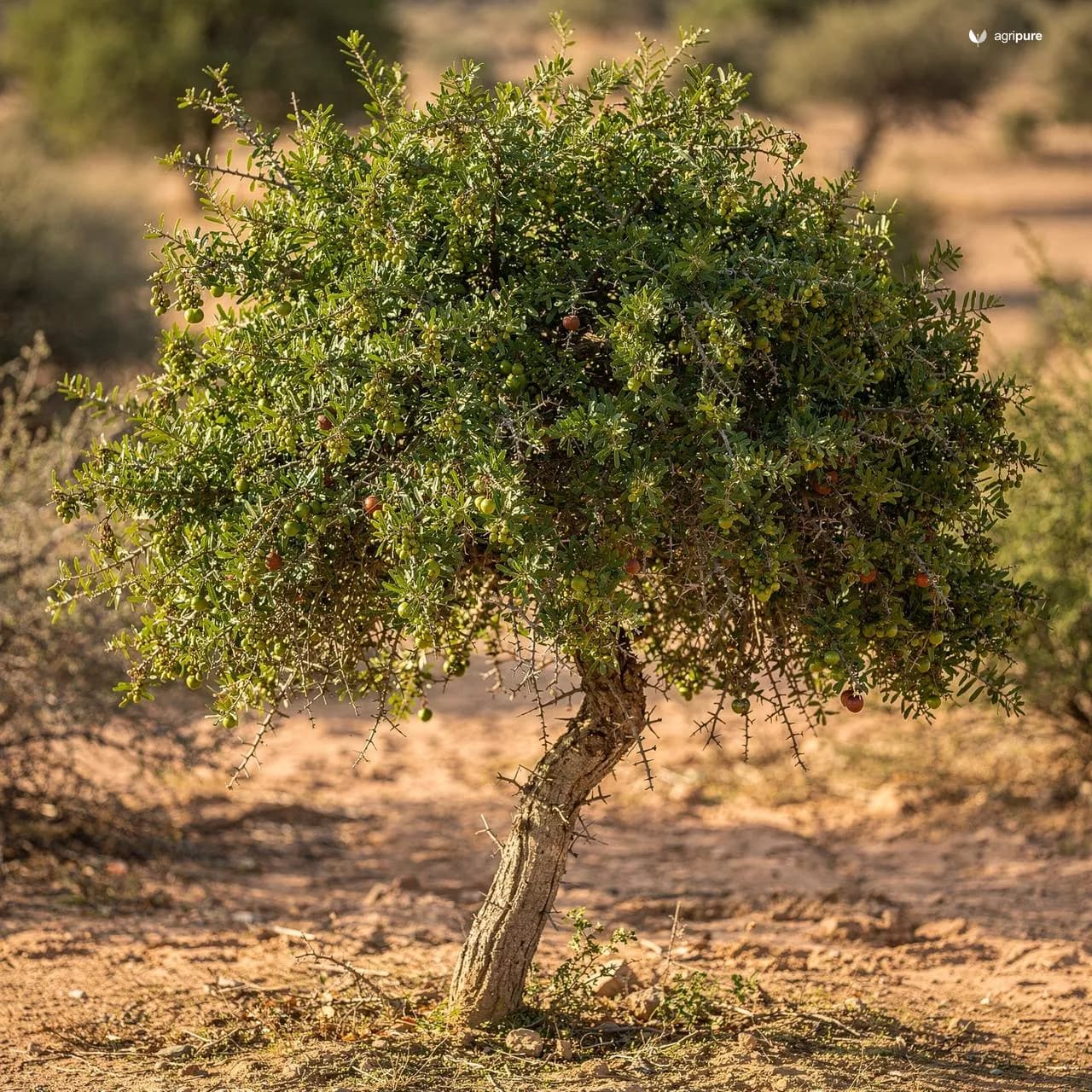
Jujube (Ziziphus jujuba, unnab) is the cultivated Chinese date of the cooler north, grown through the KPK hills and the Pothohar for a fruit that is eaten fresh, dried, and brewed into one of the most common herbal remedies in the country. This is the true unnab, distinct from the small wild desert ber of the plains, and on a syntropic site it sits in the secondary stratum: a hardy, deep-rooted small tree that carries an annual fruit and medicine crop on dry, marginal ground while slower trees fill in around it.
Where it thrives
Unlike most of its genus, jujube takes real cold. It tolerates hard winters, surviving to around −15 °C, yet still needs a hot, dry summer to ripen good fruit, which is exactly the swing the dry-temperate north delivers. It is well adapted to arid and semi-arid country and is undemanding about soil, holding ground that many fruit trees will not, which is why it suits the Pothohar scrub and the lower KPK valleys rather than wet flats. In Pakistan the genus as a whole is valued precisely for its nutrition, medicinal worth, and drought resistance, traits that make it a candidate for food security in dry regions.
Role in the system
Treat unnab as a secondary-stage fruit tree for dry ground. It is small, hardy, and deep-rooted, so it slots into the middle of a guild on rainfed land, putting a productive tree onto sites that pioneers have begun to stabilise. Its return is annual rather than deferred: a fruit crop for the household and for sale, and the same fruit dried as a staple of Unani medicine. Because it copes with poor soil and drought, it earns its place less as a high-yield orchard tree than as a tough, multipurpose component that keeps producing where conditions are hard, while prunings come back as firewood. It shades and shelters the layers below it without the dense canopy of a forest tree, so the understorey keeps its light.
Establishment
Unnab is grown from seed and from grafted selections, and on a working plot grafting onto seedling rootstock is the route to reliable fruit, since seedlings vary. Plant it on well-drained, even stony ground and give it the open position it wants, because it needs full sun and a hot, dry summer to set good fruit. Once the roots are down it is genuinely drought-hardy and asks for little, which is half its value on rainfed land. Keep it off wet flats, prune it to an open frame so light reaches the fruiting wood, and take prunings as firewood. It is a patient tree rather than a fast one, so the work is establishment and then a light annual hand.
What you get
The fruit is the point. Mealy and sour-sweet, it is eaten fresh or dried like a date and cooked into puddings, breads, and soups, and the dried fruit is reckoned the best-tasting form. It carries vitamin C, B vitamins, and minerals such as calcium, iron, and potassium, so it is food and tonic at once. In the Unani tradition the dried unnab is a long-standing remedy for chest and throat complaints, which is why northern markets carry it by the sackful. Prunings and old wood give firewood. For a dry-north plot, that mix of food, medicine, and fuel off a drought-hardy tree is the whole case for planting it.
Sources
- Plants For A Future. “Ziziphus jujuba — Jujube.”
- Ahmad, S., et al. (2022). “The Nutritional, Medicinal, and Drought-Resistance Properties of Ziziphus Mill. Make It an Important Candidate for Alleviating Food Insecurity in Arid Regions — A Case of Pakistan.” Horticulturae.
Sourcing notes
Unnab is grown from seed and from grafted selections; saplings are available through northern fruit nurseries in KPK and the Pothohar. Source from a healthy local tree adapted to cold winters and dry summers, since fruit quality depends on that climate swing.