secondary
Persian Lilac Jujube (Elanai)
elanai / bera
Ziziphus oxyphylla
Also known as Bera (Pakistan).
- balochistan highlands
- kpk hills
International hardiness
- USDA 8-10
- RHS H3
- AU: Warm temperate, Subtropical
Where it grows — regional guide
| Zones / rating | Regional notes |
|---|---|
USDA 8-10 | No region-specific data yet |
| Zones / rating | Regional notes |
|---|---|
H3 (-5 to 1C) | No region-specific data yet |
| Zones / rating | Regional notes |
|---|---|
Warm temperate, Subtropical | No region-specific data yet |
| Zones / rating | Regional notes |
|---|---|
USDA 8-10 (USDA scale) Canada uses its own zone system; Canadian zones run roughly one lower than USDA. | No region-specific data yet |
| Zones / rating | Regional notes |
|---|---|
Balochistan highlands, KPK hills | Pakistan:A spiny hill jujube shrub native to dry uplands in Balochistan and the KPK hills; gathered for medicinal stems and fruit, but avoid overcutting wild stands. |
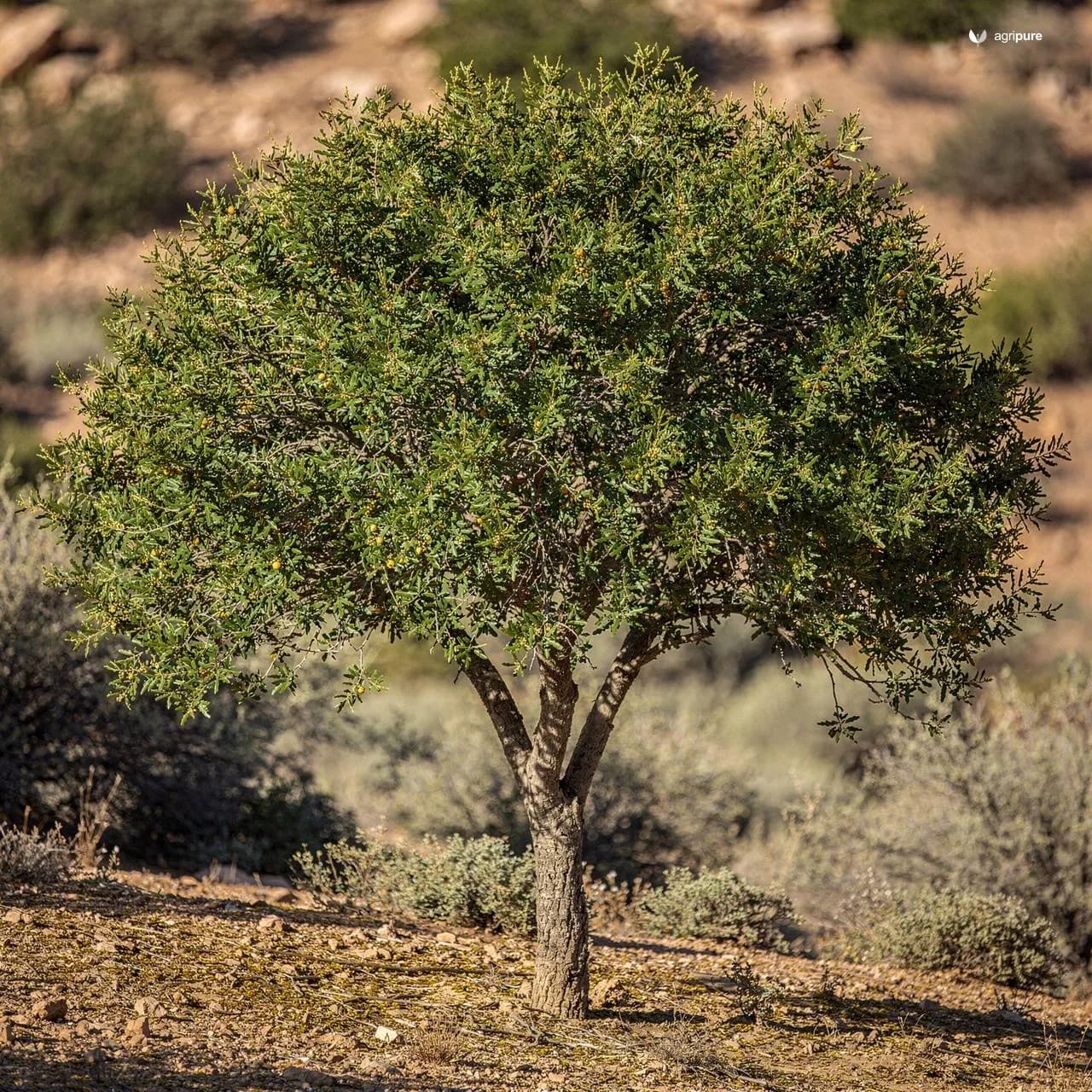
Elanai (Ziziphus oxyphylla, elanai or bera) is the hill jujube of the dry uplands, growing through the Zhob and Sherani country of Balochistan and the hills of KPK. It is a small spiny tree with edible fruit, but its standing in the region rests on medicine: stems, leaves, and fruit are among the most widely used folk remedies of the northern hills, above all for diabetes. On a syntropic site it works as a hardy secondary-stage tree that holds dry ground while returning a medicinal and food crop year on year.
Where it thrives
Elanai is a small glabrous tree carrying short recurved spines and oval edible fruit, at home in the subtropical and warm-temperate dry hills. It is recorded in the Flora of Pakistan from the country’s hill country, and in practice grows from Dir, Kohistan, Swat, Buner, Hazara, and Malakand in KPK through the dry highland country of Zhob and Sherani in Balochistan.3 Like the rest of its genus it is drought-hardy and heat-resistant, growing well under high temperature and low rainfall on stony hill ground rather than irrigated land. This is a tree of the slopes between cropland and forest, not of the plains.
Role in the system
In a dry-hill guild elanai sits in the secondary stratum, a tough small tree that establishes on marginal slopes and carries an annual yield while it shades and anchors the ground. Its main return is medicinal rather than caloric, so it earns its place as a multipurpose component, supplying a home pharmacy alongside food and fuel, more than as a fruit crop on its own. Because it is hardy and deep-rooted it stabilises eroding hill ground and shelters the layers below it, and prunings come back as firewood. The design logic is the same as for the other jujubes: a resilient productive tree for sites that defeat softer species.
Uses
Elanai is one of the most-cited folk medicines of the northern hills. The plant is used to treat diabetes, jaundice, liver disease, hypertension, and digestive complaints, with the stems and fruit drawn on most often. Phytochemical work has isolated alkaloids, flavonoids, phenols, and terpenoids from the species and linked them to antidiabetic and antimicrobial activity, which goes some way to explaining the traditional use. The oval fruit is edible, and old wood and prunings serve as fuel, so a single hardy tree supplies medicine, food, and firewood off difficult ground.
Establishment
Raise elanai from seed gathered off healthy wild trees, the way it propagates in its home range, and plant it on the dry hill band where it already grows rather than on the plains, where it has no place. Expect slow, hardy growth and give young trees some protection from browsing until they are above reach, since grazing and heavy collection both press on wild stands. Site it on stony, well-drained slopes and let it take its time; as a drought-tolerant tree it asks for little once established, and its value is steadiness on hard ground rather than speed. Pair it with other dryland fruit and fodder species in a hill guild so the work of feeding stock and holding the soil is shared.
Sources
- Ali, A., et al. (2024). “Ethno-Pharmacognosy and Diversity Encourage Conservation of Wild Ziziphus Species Collected from KP, Pakistan.” Agricultural Research & Technology.
- Ahmad, B., et al. (2017). “Ziziphus oxyphylla: Ethnobotanical, ethnopharmacological and phytochemical review.” Biomedicine & Pharmacotherapy.
- Flora of Pakistan. “Ziziphus oxyphylla.” eFloras.org.
Sourcing notes
Elanai is gathered and propagated from seed in its home range across KPK and the Balochistan highlands. Source seed from healthy wild trees on dry hill ground, and harvest stems and fruit for medicine without overcutting, since heavy collection pressures wild stands.