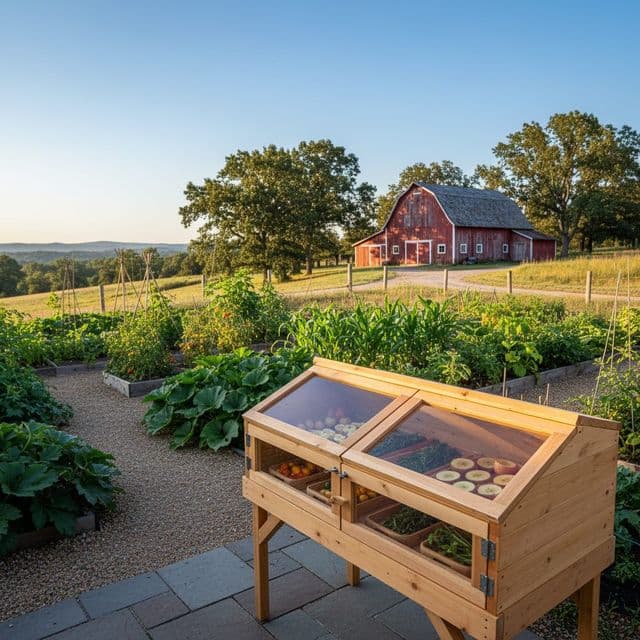
DIY Solar Dehydrator: Preserve Garden Produce, Save Costs
Learn to build a DIY solar dehydrator for your homestead. Preserve garden produce efficiently, cut energy costs, and extend your harvest with this off-grid solution.
Topic
Keep your harvest eating-ready all year. This hub covers the core home food-preservation methods—water-bath and pressure canning, fermenting, dehydrating, root cellaring, and home dairy—with safety-first, beginner-friendly guides. Learn which technique suits each fruit or vegetable, how to avoid spoilage, and how to build a self-reliant pantry from scratch.
92 articles in this topic on agripure. — page 1 of 4
Learn to build a DIY solar dehydrator for your homestead. Preserve garden produce efficiently, cut energy costs, and extend your harvest with this off-grid solution.
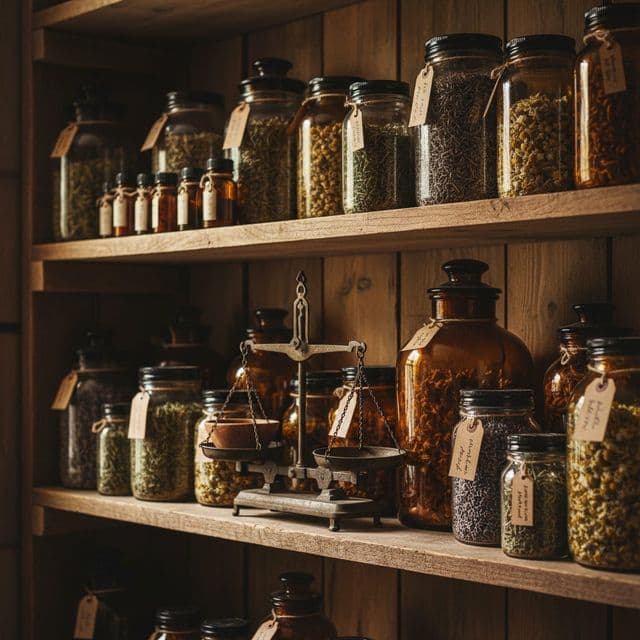
How to store dried herbs for your home apothecary. Learn how oxygen, light, heat, and moisture degrade potency, with suitable containers, conditions, and realistic shelf-life.
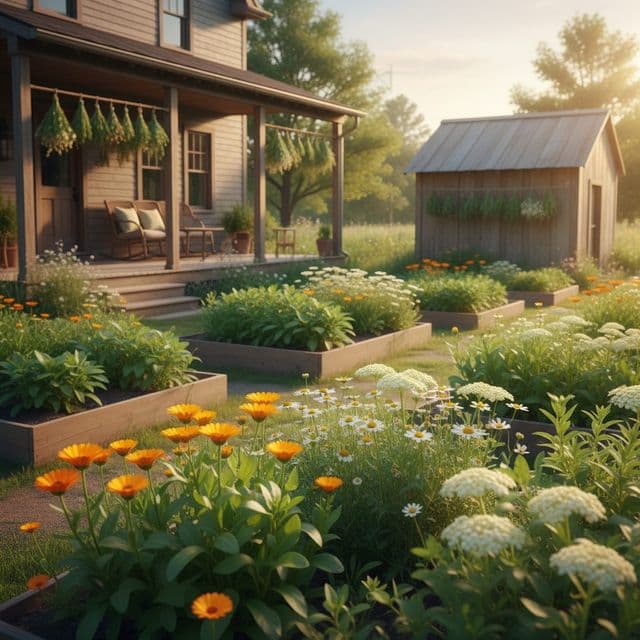
How to dry calendula, chamomile, and elderflower in USDA Zone 6 to preserve flower color and potency, covering harvest timing, drying temperatures, and storage.
Learn the best methods for drying medicinal herbs in USDA Zone 6. Discover air-drying, dehydrators, and oven techniques to preserve potency for your home apothecary.
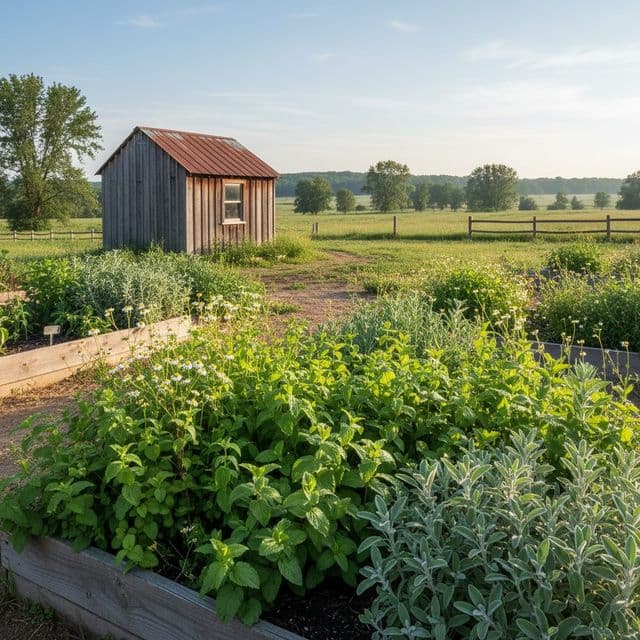
Learn to harvest, dry, and blend your own homemade loose-leaf tea. This guide covers herb selection for USDA zones 3-11, optimal harvesting, and drying techniques for fresh, custom blends.
Learn to extend oxymel and shrub shelf life up to 18 months. Discover optimal ratios, straining, and storage tips for preserving medicinal herbs from your homestead garden in USDA Zone 6.
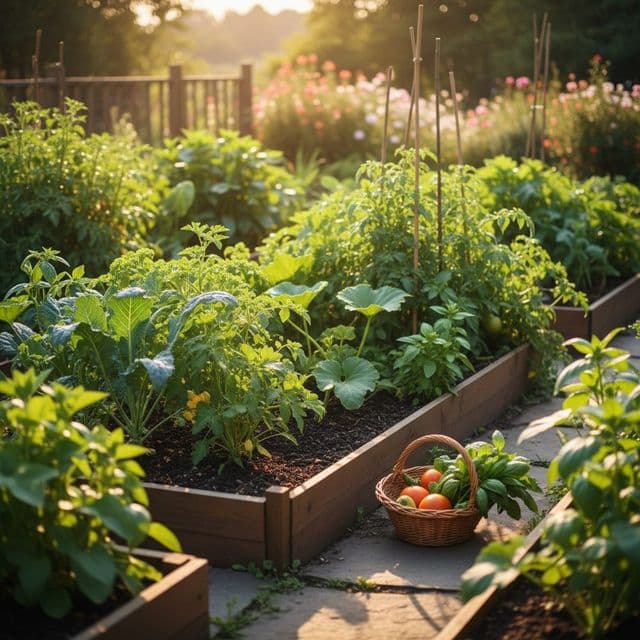
Learn to make spicy fire cider, a traditional herbal tonic for winter wellness. Discover how to grow key ingredients in USDA zones 4-9 for a potent home remedy.
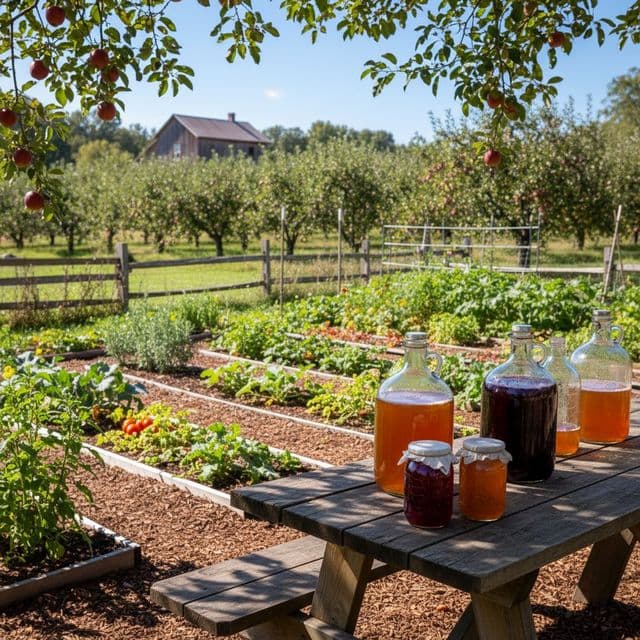
Learn to make homemade apple cider vinegar (ACV) for herbal preparations. Save 30% over store-bought, understand fermentation, and choose the best apples for potent remedies.
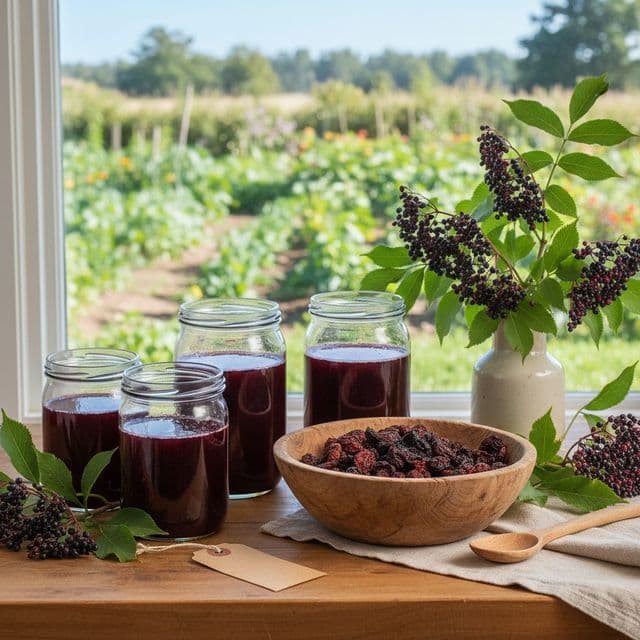
Learn to craft elderberry oxymel with a 3:1 honey-to-vinegar ratio. Grow and harvest elderberries in USDA zones 3-9 for immune support. Includes planting, drying, and recipe.
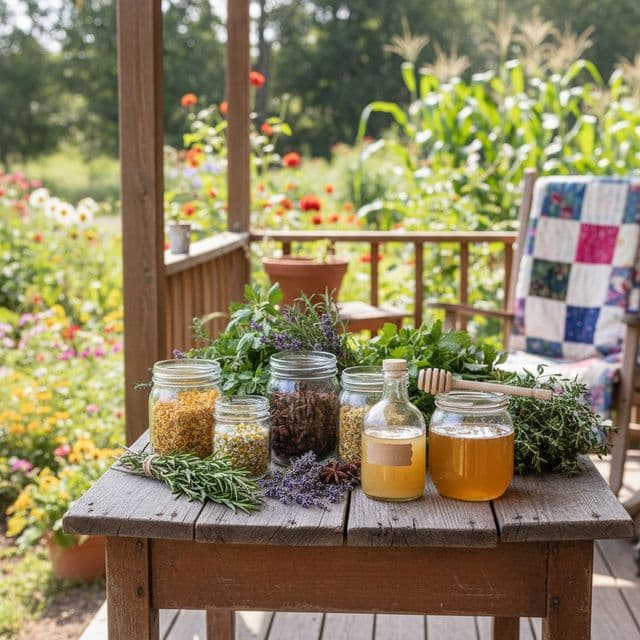
Learn oxymel formulation: discover what oxymels are, ideal vinegar-to-honey ratios, and how to use herbs from your USDA Zone 6 garden for natural remedies.
Learn to make traditional fire cider tonic at home. This guide covers ingredients, recipe, and benefits for US growers in USDA zones 3-9, using garden-grown herbs.
How to make infused honey safely at home by properly drying herbs and controlling water activity to prevent botulism.
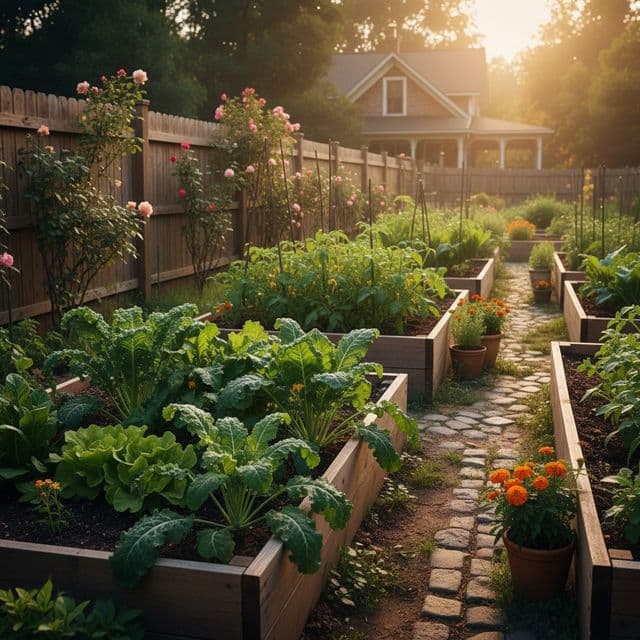
How to make and store herb-infused honeys in USDA Zone 6, covering ratios, infusion times, and storage methods for lemon balm, sage, and ginger honeys.
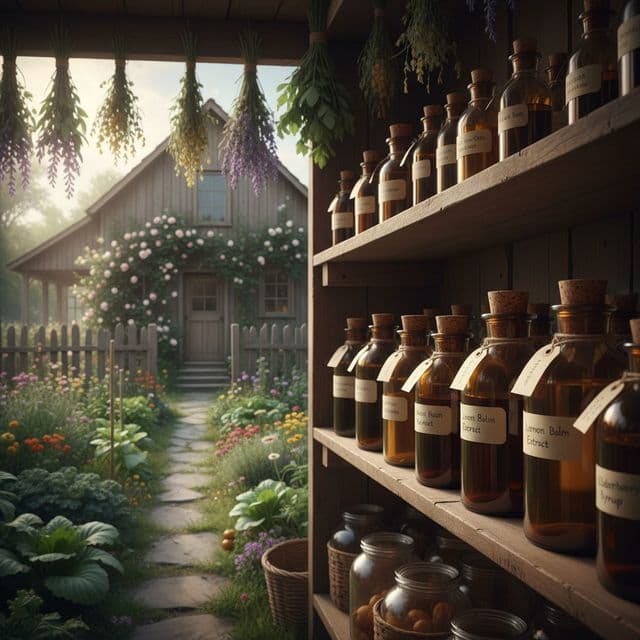
Learn how to maximize tincture shelf life and potency. Discover proper storage techniques, ideal conditions, and signs of spoilage for your home apothecary.
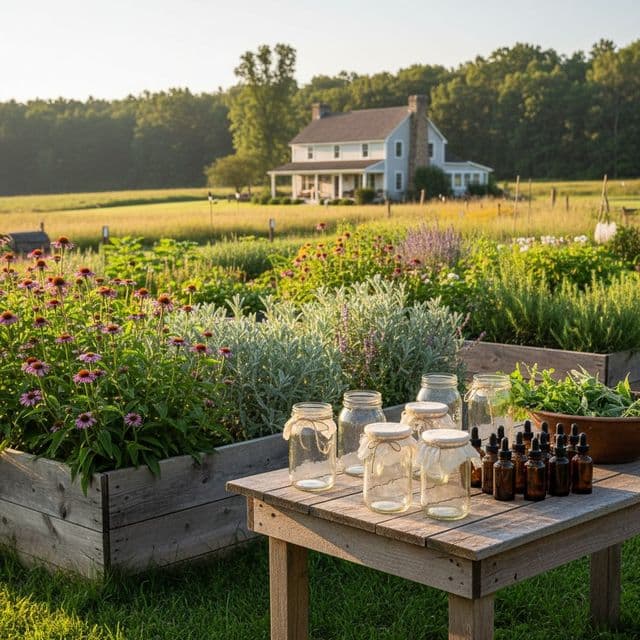
How to prepare herbal tinctures from garden herbs in USDA Zone 6, covering solvent selection, maceration times, straining, and dropper-dose calculations.
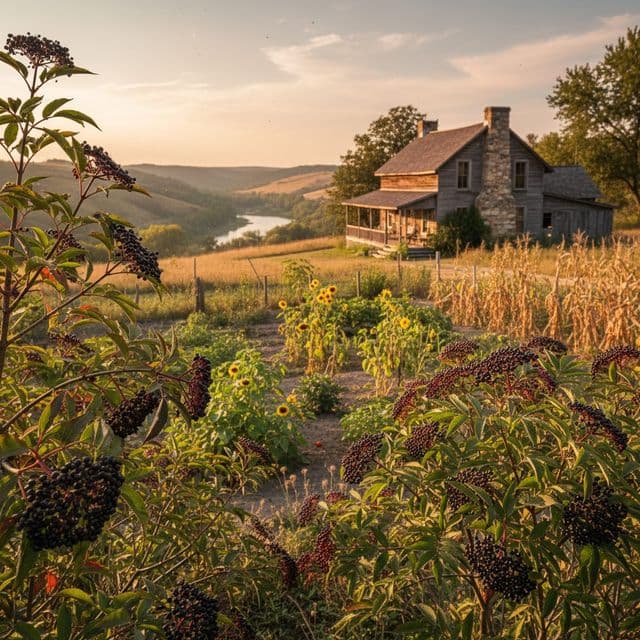
Learn how to make elderberry tincture from US-grown berries. This guide covers harvesting, identification, and a potent elderberry tincture recipe for your home apothecary.
Learn to choose the best menstruum for your herbal tinctures. Compare alcohol, glycerin, and vinegar for optimal extraction, potency, and shelf life of medicinal herbs.
A comparison of folk methods and weight-to-volume measurements for making herbal tinctures from fresh and dried garden herbs.
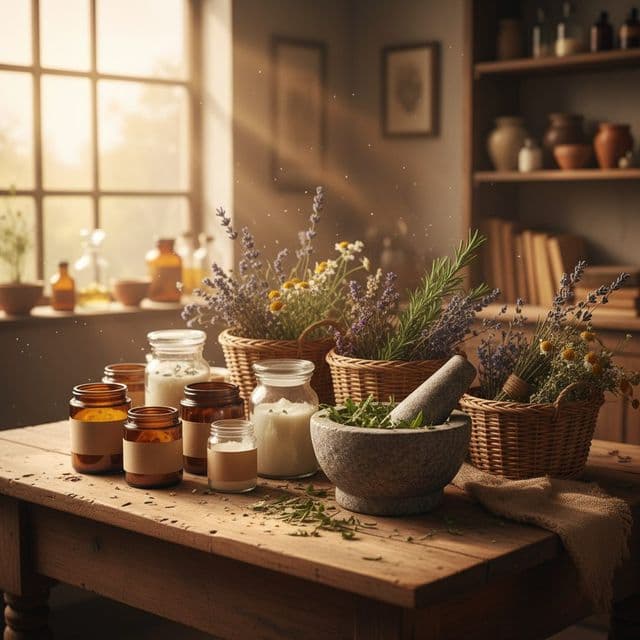
Learn practical tips to extend salve shelf life and prevent mold, especially in humid US climates. Master herb drying, storage, and natural preservatives for your homemade apothecary.
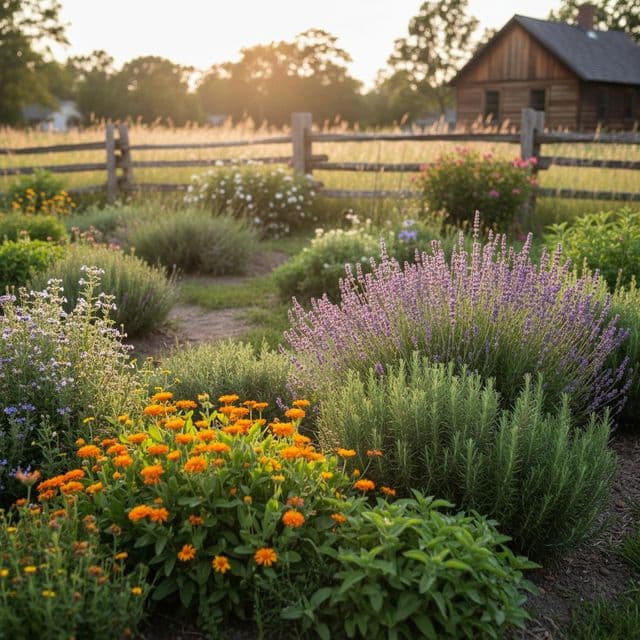
Three methods for infusing herbs into oil for a home apothecary: slow-cooker, solar, and double-boiler techniques for dried herbs in USDA zones 4-9.
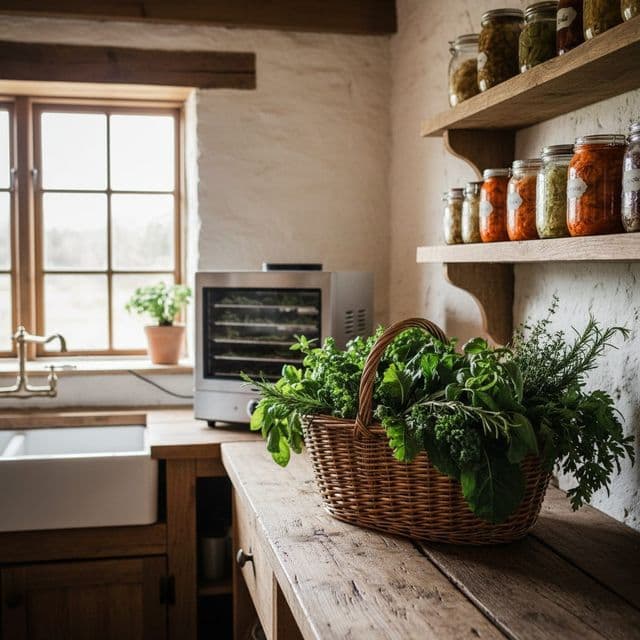
How dehydration, fermentation, and freezing preserve leafy greens and herbs, reducing the 30% food waste typical in home kitchens.
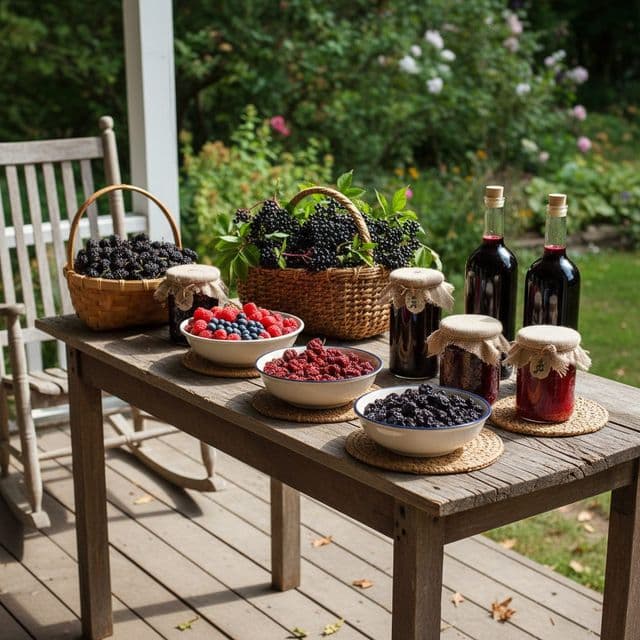
Learn time-tested no-freezer berry preservation methods for USDA Zone 6 homesteaders. Dehydrate, ferment, or make sugar preserves to enjoy your harvest year-round.
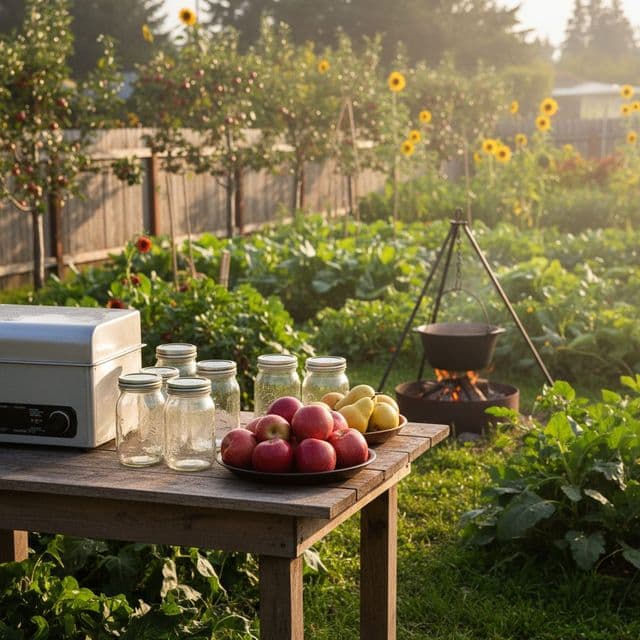
Learn practical methods for preserving apples and pears from abundant harvests in the Pacific Northwest. Extend your fruit’s usability for 6-12 months with dehydrating, canning, and root cellaring.
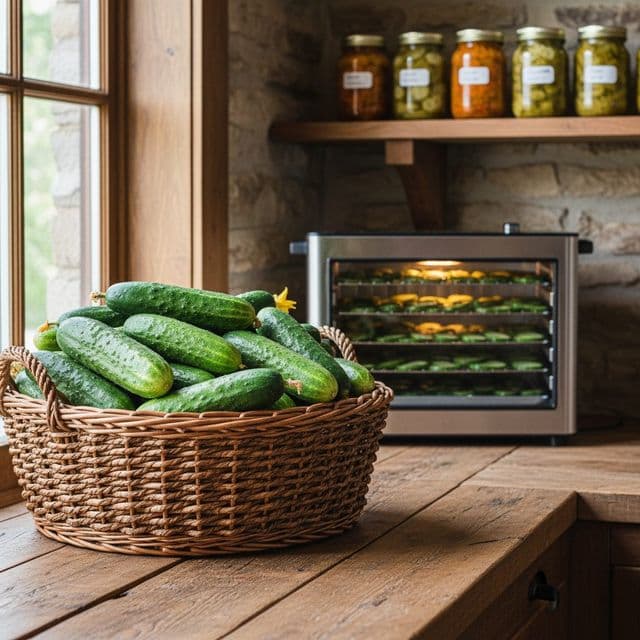
How to preserve a cucumber harvest, from dehydrating chips and powder to fermenting relishes and krauts to prevent waste.