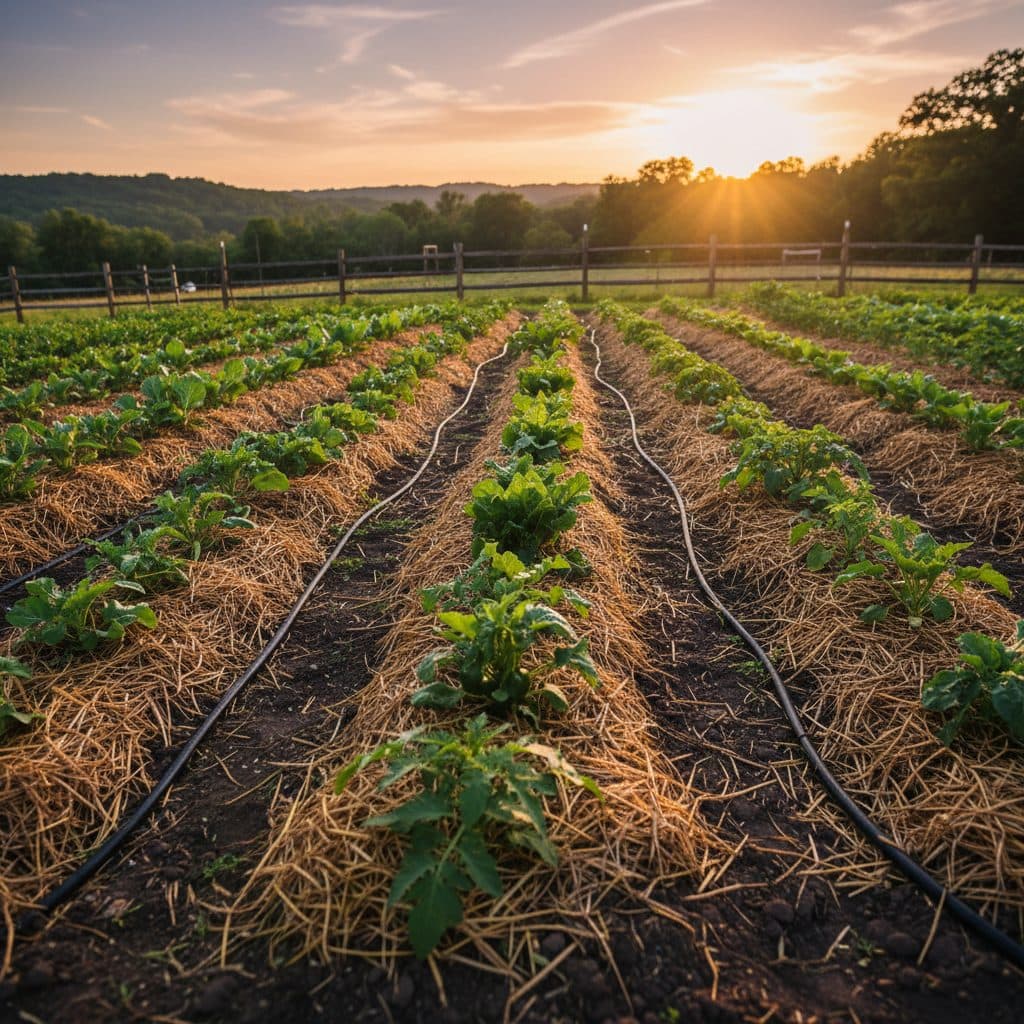
Harden Off Transplants: Boost Tomato & Pepper Survival in Zone 6
Key takeaways
- Gradually acclimate young plants to outdoor conditions over 7-14 days to prevent shock.
- Monitor soil moisture closely during the hardening off period to avoid drought stress.
- Planting new transplants in the late afternoon minimizes immediate exposure to peak sun and heat.
- Select heat-tolerant plant varieties for better establishment and yield in warmer US regions.
- Proper soil preparation, including organic amendments, is crucial for strong root development.
- Apply 2-3 inches of organic mulch around transplants to retain moisture and stabilize soil temperature.
In Arizona’s Sonoran Desert, average summer temperatures can exceed 100°F for weeks, making transplanting a significant challenge for gardeners. Even in more temperate climates like USDA zone 6, sudden shifts from indoor comfort to outdoor rigors can stress young plants, often leading to stunted growth or outright failure. The good news is that two fundamental practices — hardening off seedlings and strategically timing your transplanting to the late afternoon — can dramatically improve plant survival and vigor, even when facing the intense heat and dry conditions increasingly common across the US.
These methods aren’t just for arid regions; they offer a substantial advantage for any gardener aiming for robust plant establishment. By understanding how to gradually introduce your seedlings to the elements and when exactly to place them in their permanent home, you can boost their resilience against heat, wind, and fluctuating moisture levels. This approach can increase transplant survival rates for sensitive plants like tomatoes and peppers by as much as 35% in many US gardens, ensuring a more productive growing season.
Understanding hardening off: why it matters for plant survival
These takeaways points carry into this section, too.
Hardening off is the critical, gradual process of acclimating indoor-grown seedlings to outdoor conditions before they are permanently transplanted into the garden. Without this transition, delicate plants, accustomed to the consistent temperatures and gentle light of a grow tent or indoor setup, face immediate shock from direct sun, wind, and temperature swings. For instance, a tomato seedling moved directly from a 70°F indoor environment to an 85°F sunny garden with a 10 mph breeze can suffer severe leaf scorch and wilting within hours.
the physiological benefits of gradual exposure
This process triggers physiological changes in the plant, such as thickening cell walls, developing a waxy cuticle on leaves, and adjusting stomatal control to reduce water loss. These adaptations are vital for species like broccoli, cabbage, and peppers, which are often started indoors weeks before the last frost. A study in 2015 highlighted that gradual acclimation over 7-14 days can reduce transplant shock by 30%, leading to stronger, more productive plants [0]. Neglecting this step can result in up to a 50% loss of young plants, especially in regions with unpredictable spring weather, such as the upper Midwest.
- Increased drought tolerance by 20-25%
- Enhanced resistance to wind damage
- Improved ability to withstand temperature fluctuations
- Reduced susceptibility to sunscald
- Faster establishment of root systems
The hardening off process: a step-by-step guide
That work on understanding hardening off sets up what follows here.
The hardening off process should span 7 to 14 days, depending on the plant species and local weather conditions. Begin by placing seedlings outdoors in a sheltered, shady spot for just two to three hours on the first day, ideally when temperatures are above 50°F. A covered porch or a north-facing wall can provide initial protection from direct sun and strong winds, which can easily damage tender foliage.
gradual exposure to elements
Each subsequent day, gradually increase the duration of outdoor exposure by one to two hours, moving plants to slightly brighter locations. After three to four days, introduce them to partial sun for a few hours. By day seven, if conditions allow, they should be able to tolerate full sun for most of the day. Throughout this period, closely monitor soil moisture, as plants in small containers can dry out quickly in the wind and sun. A Soil Moisture Meter can be invaluable here, ensuring plants receive adequate water without being overwatered. Ensure plants are brought indoors if night temperatures are expected to drop below 45°F, especially for warm-season crops like basil and zucchini.
- Day 1-2: 2-3 hours in full shade
- Day 3-4: 4-5 hours in dappled shade
- Day 5-6: 6-7 hours in morning sun, afternoon shade
- Day 7-14: Full day in increasing sun exposure
- Final days: Overnight outdoors if temperatures stay above 50°F
Timing your transplant: avoiding peak heat stress
This builds directly on hardening off process.
The precise timing of transplanting can be as crucial as the hardening off process itself, particularly in regions prone to intense summer heat. Planting in the late afternoon, typically between 3 PM and 6 PM, offers several distinct advantages for young seedlings. During these hours, the sun’s intensity is significantly reduced compared to midday, and air temperatures begin to cool, often dropping by 10-15°F from their peak. This gentler environment allows plants several hours to begin settling into their new soil before facing the full stress of the following day’s sun.
benefits of late afternoon planting
Late afternoon planting provides a critical overnight recovery period, during which the plant can start to extend its roots into the surrounding soil and rehydrate without the immediate demand of transpiration under peak sunlight. This strategy is especially beneficial for crops like lettuce and spinach, which bolt quickly in high heat, or for broccoli, which prefers cooler temperatures for head formation. A 2015 study on nutrient timing for plants noted that optimizing planting time can improve initial growth rates by 15% in many garden vegetables [0]. Avoiding peak midday sun, typically between 12 PM and 4 PM, is crucial for delicate transplants in summer months, when soil temperatures can reach 120°F in exposed areas of USDA zone 9.
- Reduced immediate water loss from leaves
- Lower risk of leaf scorch from intense sun
- More stable soil temperatures overnight
- Allows roots to begin establishing in cooler soil
- Minimizes overall transplant shock
Preparing the planting site for success
Those timing transplant habits matter here as well.
Successful transplanting extends beyond just hardening off and timing; it fundamentally relies on the quality of the planting site. Before you even think about putting a seedling in the ground, ensure your soil is well-prepared. This means amending heavy clay soils with organic matter like compost to improve drainage and aeration, or adding compost to sandy soils to boost water retention. Aim for a rich, loamy soil that drains well but can hold moisture, ideally with a pH between 6.0 and 7.0 for most vegetables.
soil amendments and mulching
Dig a hole that is at least twice as wide as your seedling’s root ball and deep enough so the plant sits at the same level it was in its container. Incorporate a handful of balanced organic fertilizer, such as Fermented Soybean Meal Organic Fertilizer, into the bottom of the hole to provide slow-release nutrients. After planting, apply a 2-3 inch layer of organic mulch — like straw, wood chips, or shredded leaves — around the base of the plant, keeping it an inch or two away from the stem. The USDA Natural Resources Conservation Service recommends maintaining 2-3 inches of mulch to conserve soil moisture by up to 25% and regulate soil temperature [5], which is crucial for new transplants in fluctuating climates.
- Loosen soil to a depth of 6-8 inches
- Incorporate 2-4 inches of compost or aged manure
- Test soil pH and amend if necessary (e.g., lime for acidity)
- Ensure good drainage to prevent waterlogging
- Clear weeds and debris from the planting area
Post-planting care: establishing resilient plants
These preparing planting site lessons apply to the steps below, too.
The first few days and weeks after transplanting are critical for a plant’s long-term success. Immediately after placing your hardened-off seedling in the prepared soil, give it a thorough watering. This helps settle the soil around the roots and eliminates air pockets, which can dry out delicate root hairs. For a standard 4-inch transplant, approximately 0.5 to 1 gallon of water should be sufficient for the initial drench.
monitoring and protection
Over the next week, maintain consistent soil moisture, providing about 1 inch of water per week, either from rainfall or irrigation. Avoid letting the soil dry out completely or become waterlogged. If a sudden heatwave is predicted with temperatures exceeding 90°F, consider providing temporary shade for the first few days using shade cloth that blocks 30-50% of direct sunlight. This can significantly reduce stress on the plant. Strategic watering after transplanting can reduce wilting by 40% in the first week, according to general horticultural observations. Regularly check for signs of stress, such as wilting, yellowing leaves, or stunted growth, and address them promptly to ensure a robust start for your plants in USDA zone 7 and beyond.
- Deeply water immediately after planting
- Maintain consistent soil moisture for 7-10 days
- Provide temporary shade if temperatures exceed 90°F
- Protect from strong winds with barriers if necessary
- Monitor for pests and diseases, addressing issues early
Choosing heat-tolerant varieties for US regions
For gardeners in regions like the Southeast (USDA zone 8) or the Southwest (USDA zone 9), where summer temperatures regularly climb above 95°F, selecting heat-tolerant plant varieties is a foundational strategy for success. These varieties have been bred or naturally adapted to withstand higher temperatures, intense sunlight, and often, drier conditions, offering a significant advantage over their more sensitive counterparts. For example, ‘Arkansas Traveler’ is a popular heirloom tomato known for its ability to set fruit in heat that would cause other varieties to drop blossoms.
specific plant recommendations
When planning your garden, research varieties specifically recommended for your climate zone. For peppers, ‘California Wonder’ bell peppers show good heat resistance, while ‘Jalapeño M’ thrives in hot conditions. In the squash family, ‘Tatume’ (also known as Calabacita) is a vigorous producer even in intense summer heat. For greens, consider ‘Malabar Spinach’ or ‘New Zealand Spinach’, which tolerate temperatures up to 90°F, unlike traditional spinach that bolts at 75°F. These choices can mean the difference between a sparse harvest and a bountiful one, especially when facing prolonged periods of high temperatures, which are becoming more common across 70% of US agricultural regions.
- ‘Arkansas Traveler’ tomato (USDA zones 4-9)
- ‘California Wonder’ bell pepper (USDA zones 5-11)
- ‘Black Beauty’ eggplant (USDA zones 4-10)
- ‘Contender’ bush bean (USDA zones 3-9)
- ‘Clemson Spineless’ okra (USDA zones 4-11)
| Characteristic | Hardened Transplant | Unhardened Transplant |
|---|---|---|
| Survival Rate | Up to 90% in challenging conditions | Often below 50% in challenging conditions |
| Growth Vigor | Strong, steady growth from day one | Stunted, slow growth for 1-2 weeks |
| Stress Resistance | High resistance to wind, sun, temperature swings | Very susceptible to environmental stressors |
| Water Needs | More efficient water use, less prone to wilting | Higher initial water demand, frequent wilting |
| Root Establishment | Faster, deeper root development within 7 days | Delayed root growth, prone to root shock |
Grow stronger, more resilient plants
Equip your garden with tools and knowledge for success in any climate.
Frequently asked questions
How long does hardening off typically take?
Hardening off usually takes 7 to 14 days, gradually increasing exposure to outdoor conditions. This period allows plants to adapt to temperature swings and direct sunlight, reducing transplant shock by up to 30%.
Can I skip the hardening off process for my seedlings?
Skipping hardening off is not recommended, as it can lead to severe transplant shock, including stunted growth, leaf scorch, or even the loss of 50% or more of your young plants, especially for warm-season crops.
What time of day is best for transplanting plants?
The best time to transplant is in the late afternoon, typically between 3 PM and 6 PM. This timing allows plants to recover overnight in cooler temperatures before facing the full intensity of the next day’s sun, improving establishment by 15%.
What should I do if a heatwave hits right after planting?
If a heatwave with temperatures above 90°F occurs, provide temporary shade with a 30-50% shade cloth for the first few days. Ensure consistent moisture, providing 1 inch of water per week, to help plants cope with the stress.
How much water do new transplants need in the first week?
New transplants require consistent moisture. Provide a thorough initial watering of 0.5 to 1 gallon per plant, then ensure they receive about 1 inch of water per week, either from rain or irrigation, for the first 7-10 days.
Are some plants more sensitive to transplant shock than others?
Yes, plants like corn, cucumbers, squash, and melons (cucurbits) are notoriously sensitive to transplant shock. They often establish better when direct-sown or transplanted very carefully from biodegradable pots to minimize root disturbance, as up to 25% can be lost with rough handling.
References
- The Nutrient Timing Advantage (2015). The Nutrient Timing Advantage.
- Timing Guidelines for Athletes (2015). Timing Guidelines for Athletes.
- Heat Treatment Precipitation-Hardening Corrosion-Resistant, Maraging, and Secondary Hardening Steel Parts (2023). Heat Treatment Precipitation-Hardening Corrosion-Resistant, Maraging, and Secondary Hardening Steel Parts.
- Heat Treatment Precipitation-Hardening Corrosion-Resistant, Maraging, and Secondary Hardening Steel Parts (2023). Heat Treatment Precipitation-Hardening Corrosion-Resistant, Maraging, and Secondary Hardening Steel Parts.
- Heat Treatment Precipitation-Hardening Corrosion-Resistant, Maraging, and Secondary Hardening Steel Parts (2023). Heat Treatment Precipitation-Hardening Corrosion-Resistant, Maraging, and Secondary Hardening Steel Parts.
- USDA Natural Resources Conservation Service (2024). USDA Natural Resources Conservation Service.