Foraging North American wild edibles: regional guide
A regional guide to foraging North American wild edibles, covering edible flowers and tree foods across US zones with identification tips and sustainable harvesting practices.
Tag
366 articles in this tag on agripure. — page 1 of 16
A regional guide to foraging North American wild edibles, covering edible flowers and tree foods across US zones with identification tips and sustainable harvesting practices.
Learn essential safe foraging practices for wild edibles in North America. This guide covers identification, avoiding toxic look-alikes, and best practices for harvesting.
Discover how to identify, harvest, and prepare edible wild greens like stinging nettle and mallow across US regions. Learn safe foraging practices and nutritional benefits.
Discover safe edible backyard weeds across US regions. Learn to identify common wild edibles like dandelion & lamb’s quarters for beginners. Forage safely!
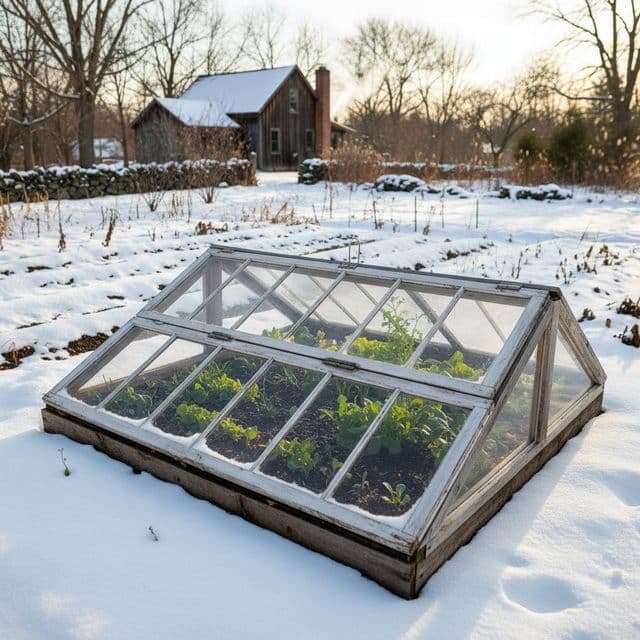
Extend your growing season by weeks with a DIY cold frame. Learn to build a low-cost, effective cold frame for winter growing in USDA Zone 6, using salvaged materials for under $50.
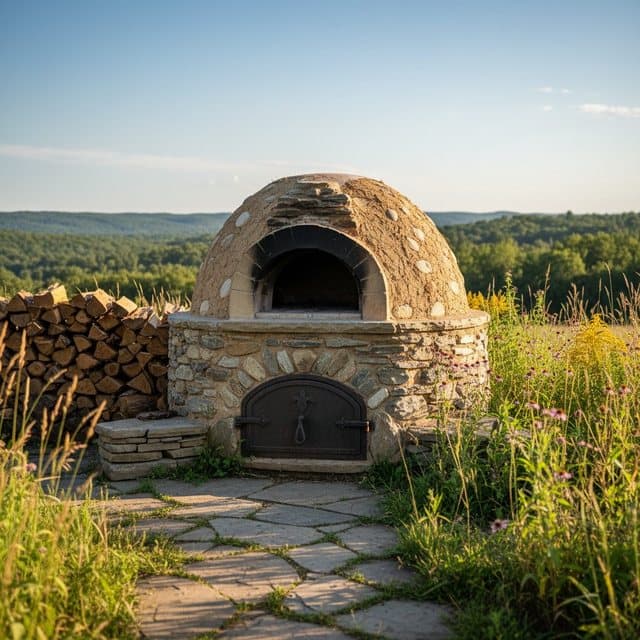
How to build durable, low-cost wood-fired earth ovens that reduce cooking fuel costs by 25-35% and support off-grid self-sufficiency with natural materials.
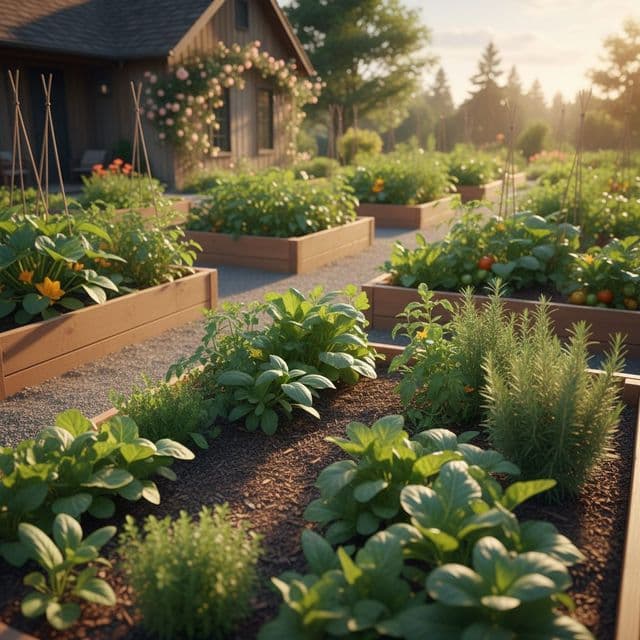
Explore durable, low-cost earth building methods like cob, earthbag, adobe, and rammed earth for your homestead. Learn how these natural techniques offer energy efficiency and resilience.
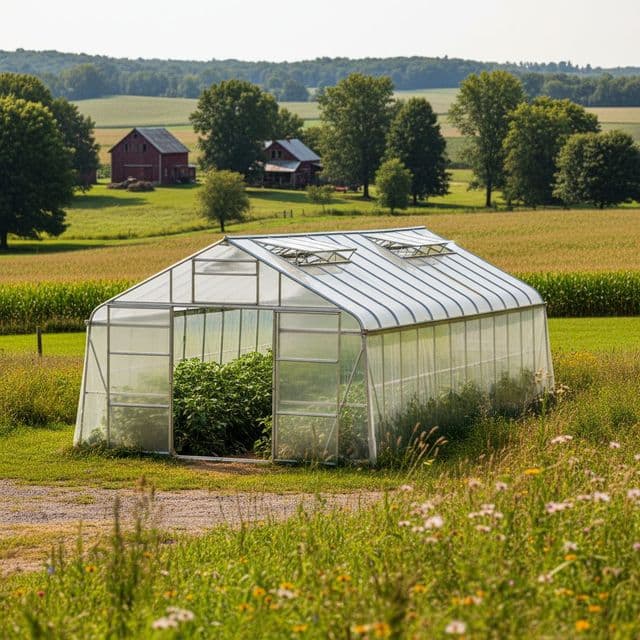
Master off-grid greenhouse cooling with passive ventilation, strategic shading, and evaporative methods. Keep your plants thriving in USDA Zone 7+ without electricity.
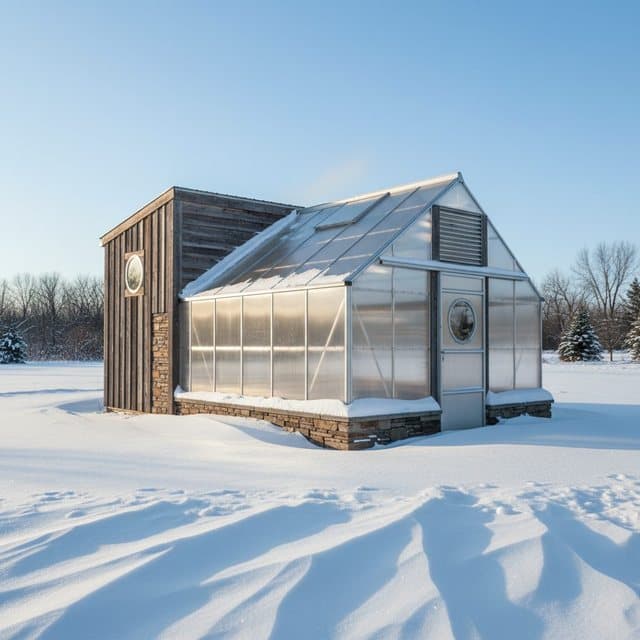
How to build a budget passive solar greenhouse in USDA Zone 5, using solar orientation, thermal mass, and insulation to extend the growing season by up to six months.
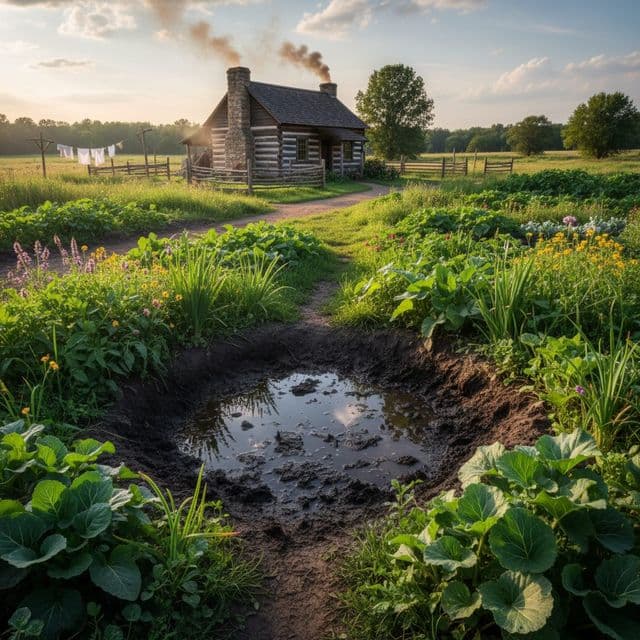
Struggling with wet garden spots? Discover how to select the best plants for poorly drained soil. Learn strategies to improve drainage & cultivate a thriving garden.
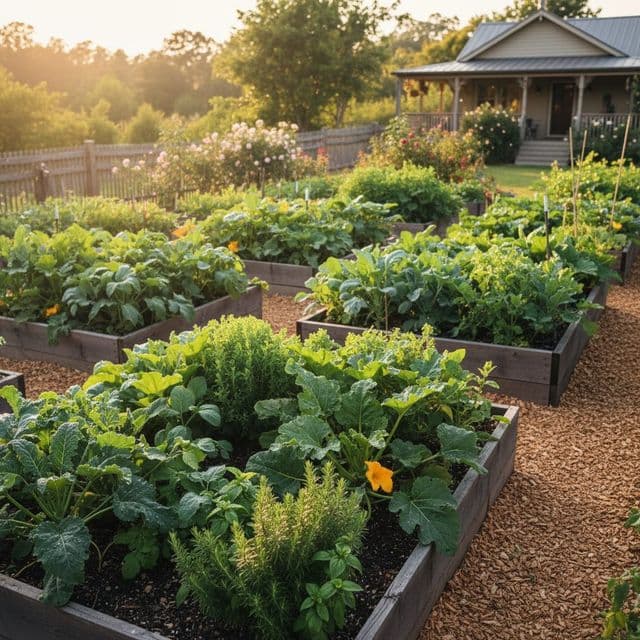
Discover plants that thrive in salty and saline soils. Learn how to select species for coastal areas and near de-iced roads, mitigate salt damage, and cultivate resilient landscapes in challenging…
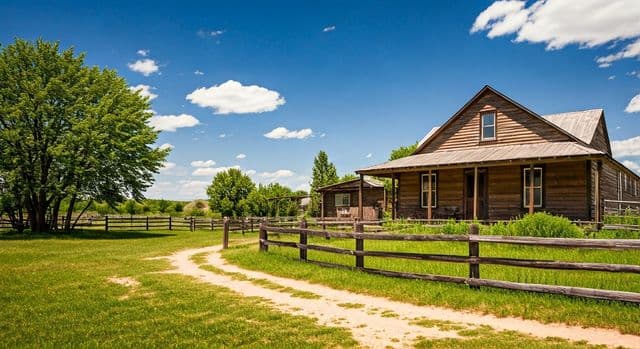
Discover the best plants for erosion control and slope stabilization in US Zone 6. Learn how root structures, site conditions, and bioengineering protect your land effectively.
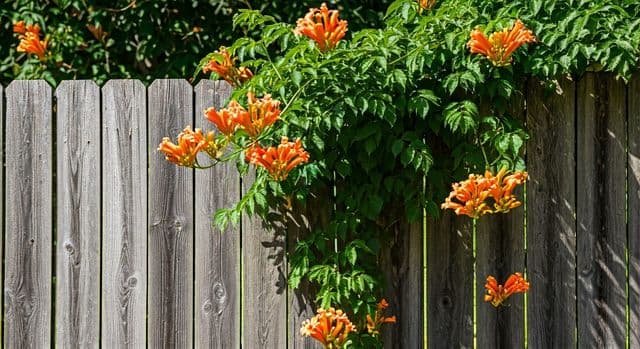
Fast-growing vines for USDA Zone 7 that provide screening and cover in a single season, with selection and care guidance.
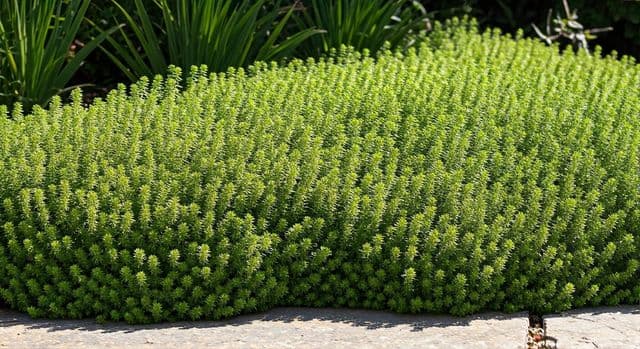
Discover effective USDA Zone 5 groundcovers that reduce weed emergence by up to 80%. Learn to select plants for your soil & light to create a low-maintenance, healthy garden.
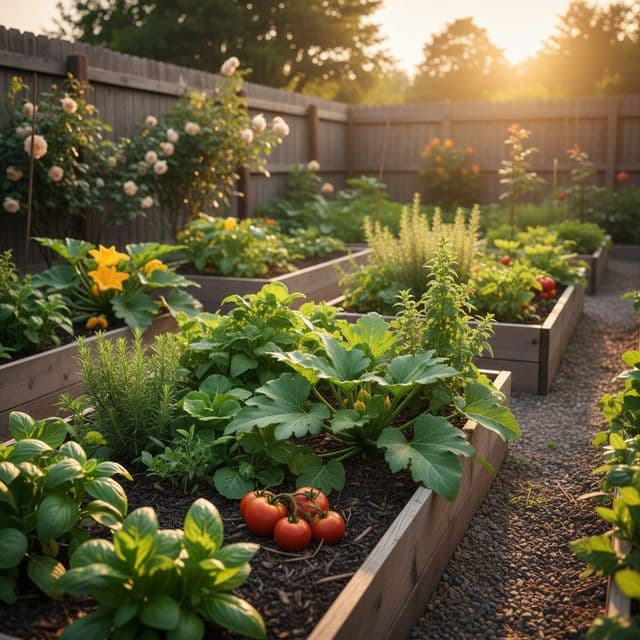
Learn how to adjust soil pH for acid-loving plants like blueberries in USDA Zone 6. Discover soil testing methods, effective amendments like elemental sulfur, and tips for optimal plant health.
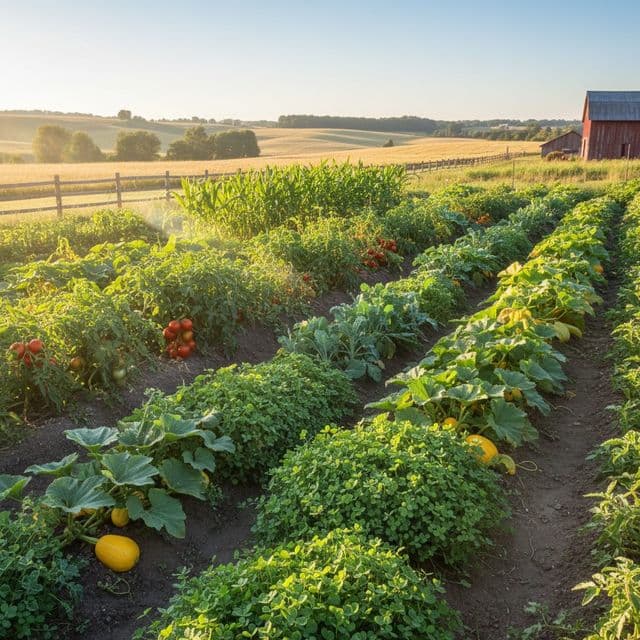
Enhance your USDA zone 6 garden’s soil with green manures and cover crops. Improve fertility, structure, and water retention using permaculture principles for a resilient garden.
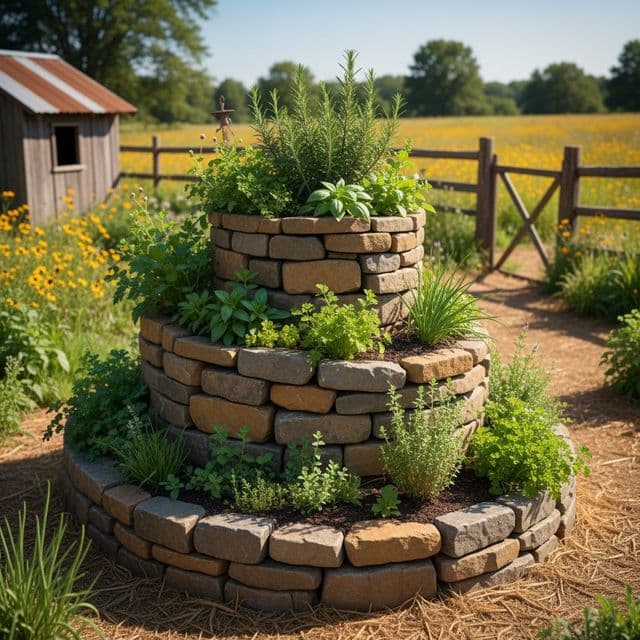
Learn to build an herb spiral, a permaculture design creating diverse microclimates for herbs in small spaces. Maximize sun, water, and yield in your USDA Zone 6 garden.
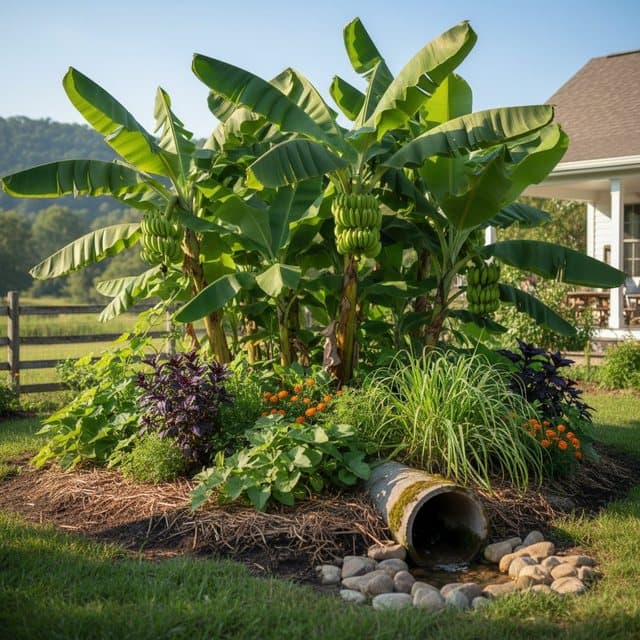
Learn to build a banana circle for greywater recycling and growing heat-loving crops in USDA Zones 8-10. Enhance soil fertility and reduce water use.
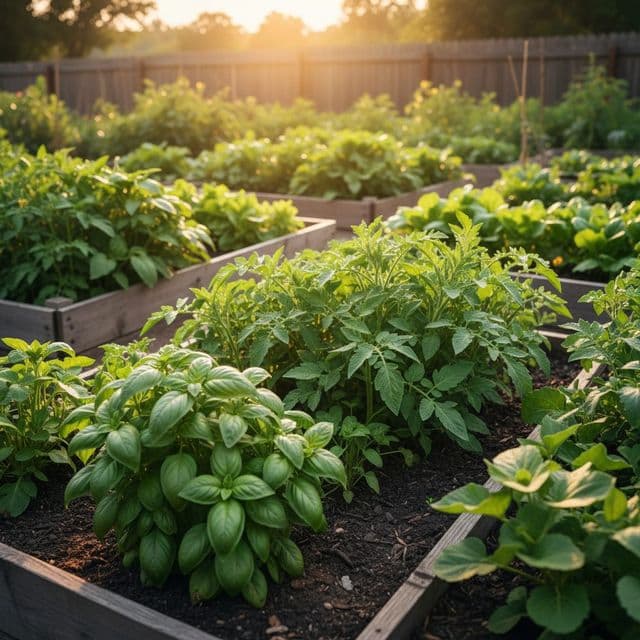
Discover how permaculture plant guilds create self-supporting ecosystems, reducing inputs and boosting productivity. Learn to design resilient guilds for your USDA Zone 6 homestead.
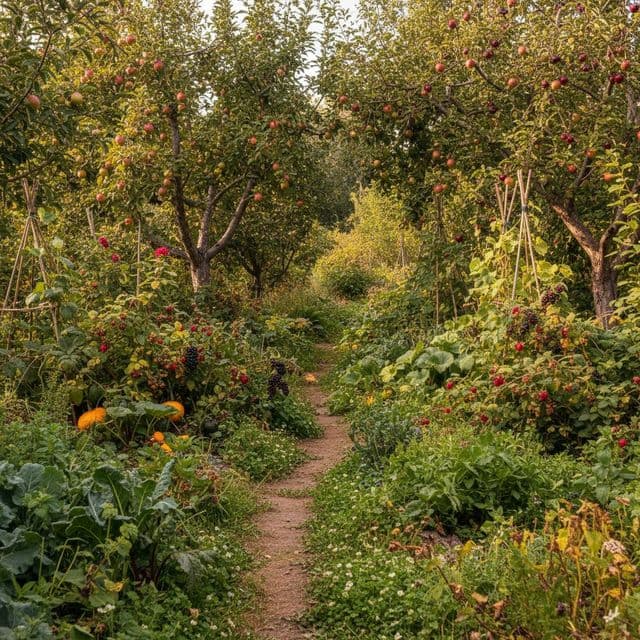
Learn how to start a food forest in your US backyard. This guide covers 7-layer permaculture design, site assessment, and plant selection for USDA zones 3-9 to create a resilient, bountiful ecosystem.
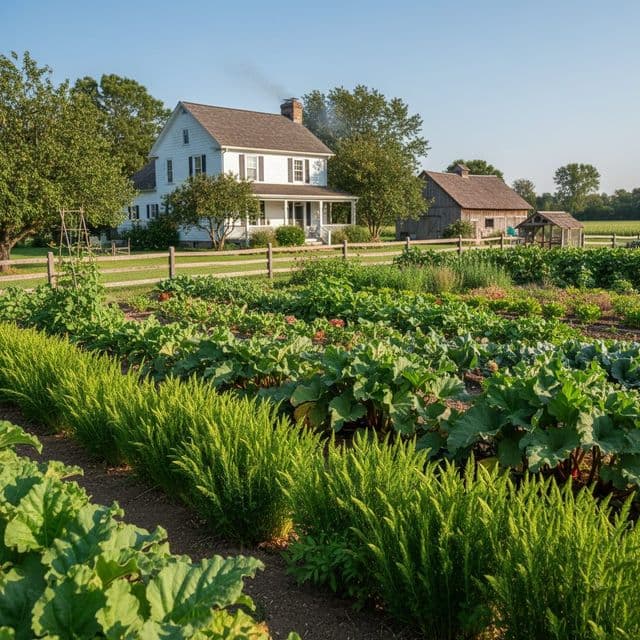
How to cultivate perennial vegetables for a low-maintenance garden, covering site prep, soil health, and top picks for long-term yields in USDA Zone 6 and beyond.
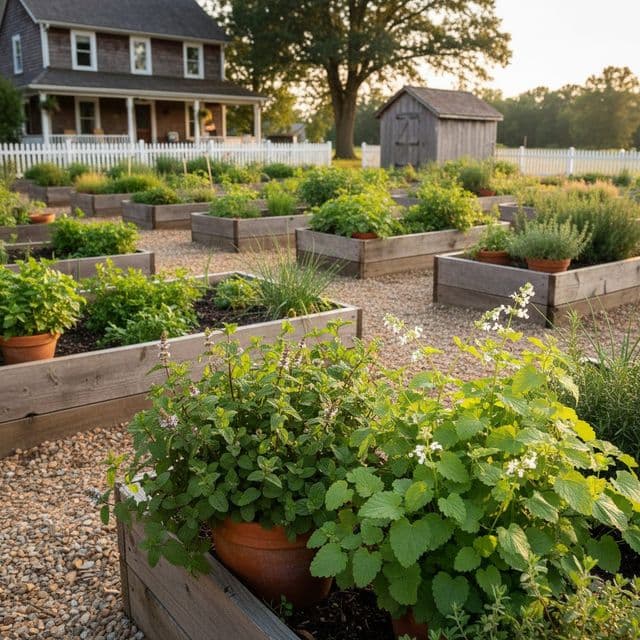
Prevent mint and lemon balm from taking over your US garden. Learn effective strategies for managing mint and lemon balm spread, including containers, root barriers, and strategic placement.
How to grow and use yarrow (Achillea millefolium) in USDA zones 3-9, covering cultivation, harvesting, and home apothecary preparations.
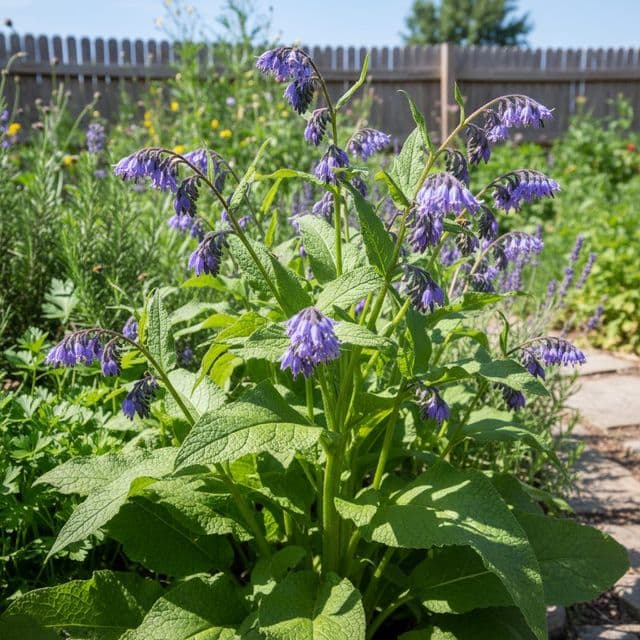
How to propagate comfrey from root cuttings to turn a single mature plant into new crowns for mulch and topical preparations.