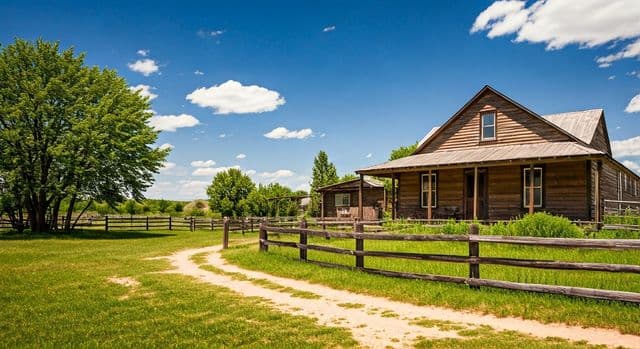
Best Plants for Erosion Control & Slope Stabilization in Zone 6
Discover the best plants for erosion control and slope stabilization in US Zone 6. Learn how root structures, site conditions, and bioengineering protect your land effectively.
Tag
157 articles in this tag on agripure. — page 1 of 7
Discover the best plants for erosion control and slope stabilization in US Zone 6. Learn how root structures, site conditions, and bioengineering protect your land effectively.
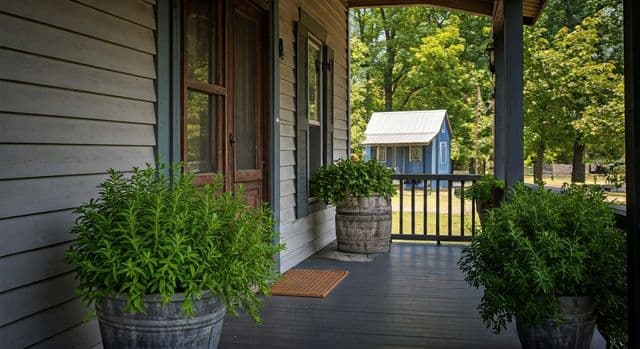
Cultivate vibrant, drought-tolerant container plants in USDA zones 4-10 with less water. Learn plant selection, smart watering, and mulching tips to save time & up to 40% on your water bill.
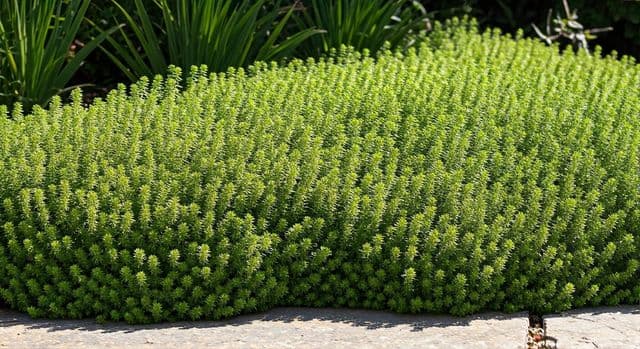
Discover effective USDA Zone 5 groundcovers that reduce weed emergence by up to 80%. Learn to select plants for your soil & light to create a low-maintenance, healthy garden.
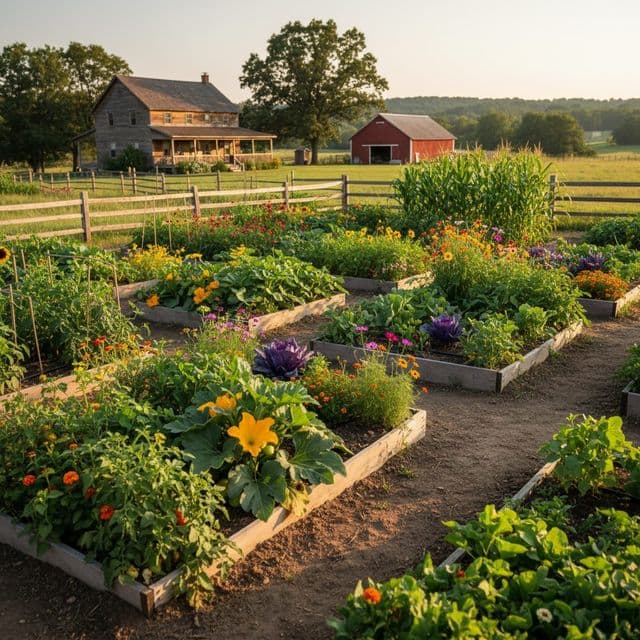
How to fix three common US garden soils (heavy clay, droughty sand, and compacted lawn beds): diagnostic steps, organic amendments, and aeration techniques.
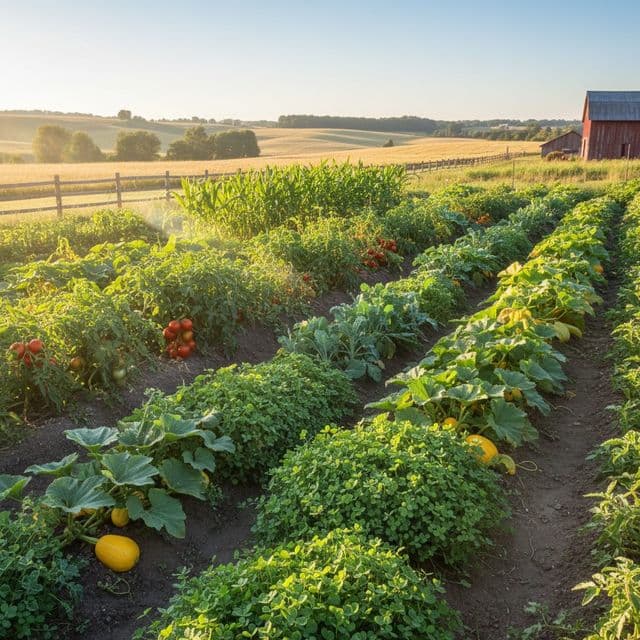
Enhance your USDA zone 6 garden’s soil with green manures and cover crops. Improve fertility, structure, and water retention using permaculture principles for a resilient garden.
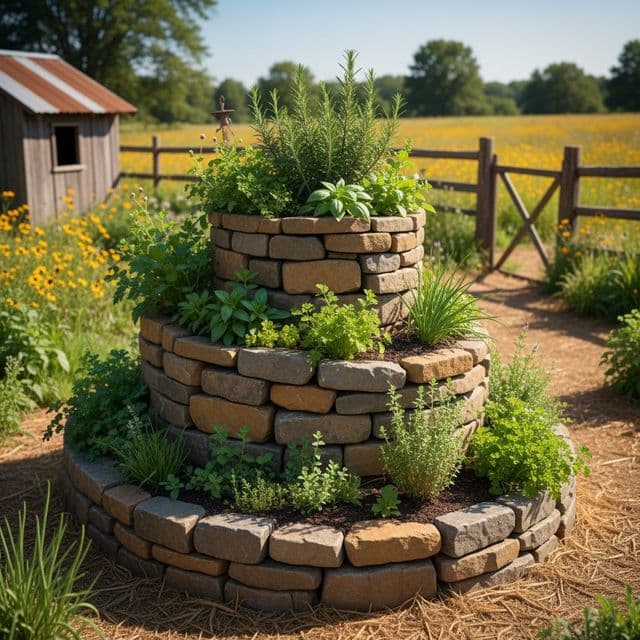
Learn to build an herb spiral, a permaculture design creating diverse microclimates for herbs in small spaces. Maximize sun, water, and yield in your USDA Zone 6 garden.
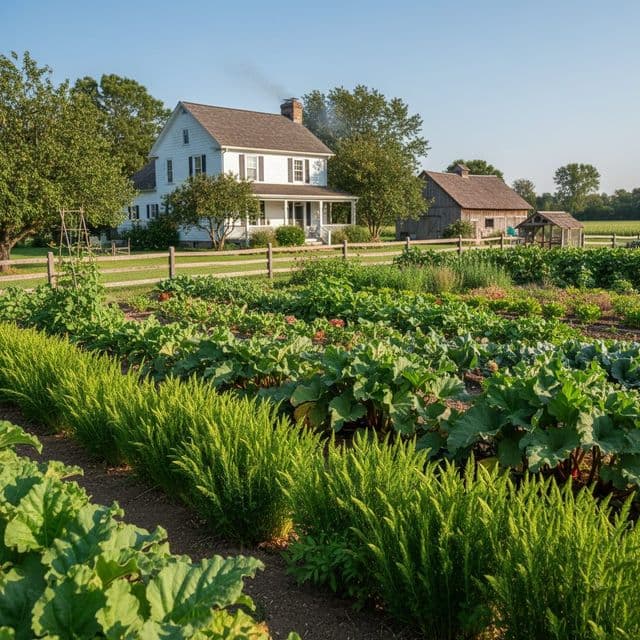
How to cultivate perennial vegetables for a low-maintenance garden, covering site prep, soil health, and top picks for long-term yields in USDA Zone 6 and beyond.
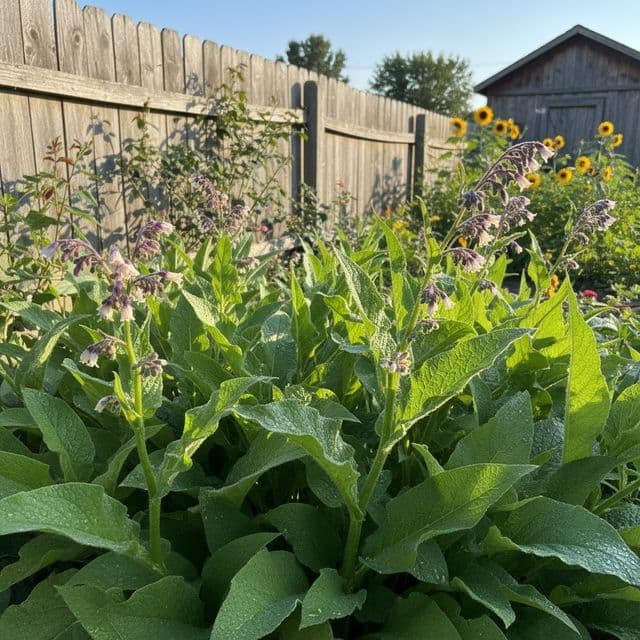
Unlock soil health with Comfrey, a sterile hybrid (Bocking 14) for USDA zones 4-9. Its deep roots mine nutrients, making it a powerful compost activator and water-saving mulch.
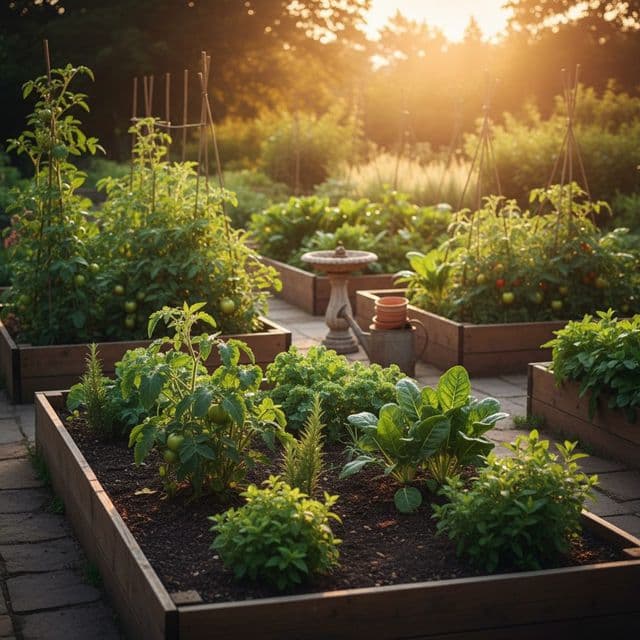
How to grow Bocking 14 comfrey in US gardens without spreading: planting, care, and containment techniques for this sterile, nutrient-rich herb.
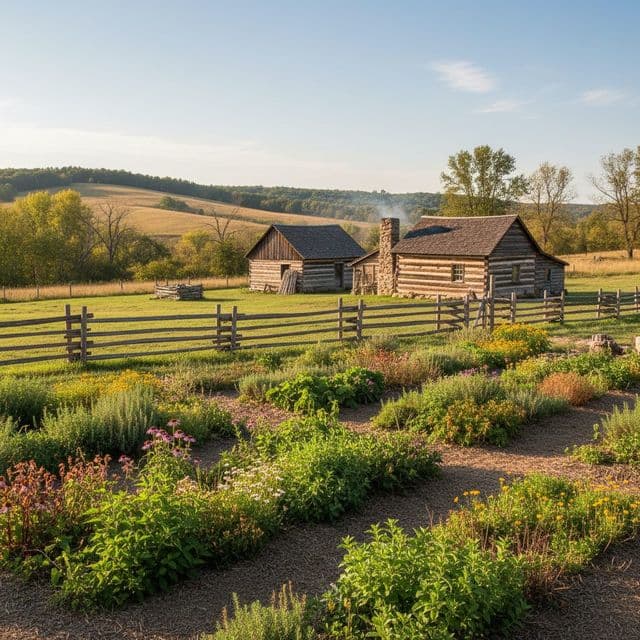
Cultivate a thriving medicinal herb garden in USDA Zones 3-5. Learn plant selection, soil management, and preservation for a home apothecary in cold climates.
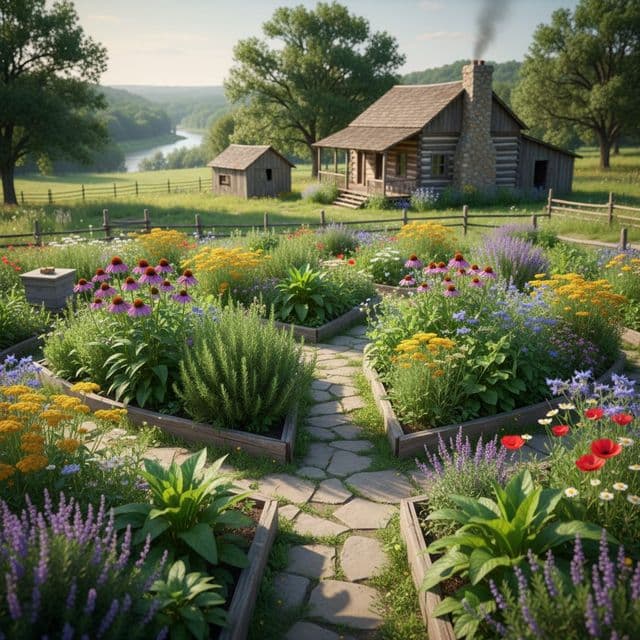
Decide between perennial and annual medicinal herbs for your home apothecary. Learn about their life cycles, cultivation needs, and best choices for USDA zones 3-10 to create a thriving herb garden.
What to plant in November in the US by USDA zone, covering garlic, cold-hardy greens, root crops, spring bulbs, bare-root fruit trees, and late-season garden winterization.
What to plant in July in the US, featuring targeted sowing schedules for USDA zones 3 through 10, succession strategies, and essential summer garden maintenance.
Keep your Gulf garden alive in extreme heat using precise drip irrigation, pre-dawn watering schedules, and safe domestic greywater diversion for hardy ornamentals.
Building productive soil in Gulf desert sand requires consistent organic matter, heavy windproof mulches, and permanent biochar structures to hold water and nutrients.
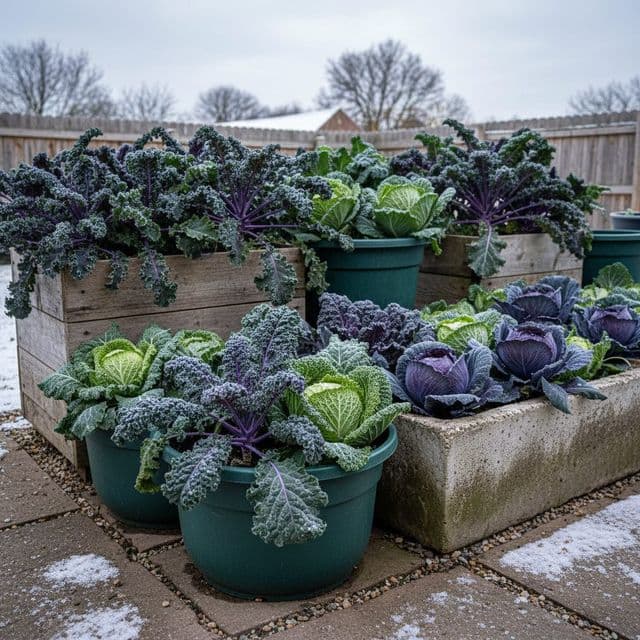
Learn to select the best frost-proof containers to protect plants and extend your growing season by 30 days in USDA Zone 5. Discover durable materials like wood, concrete, and HDPE.
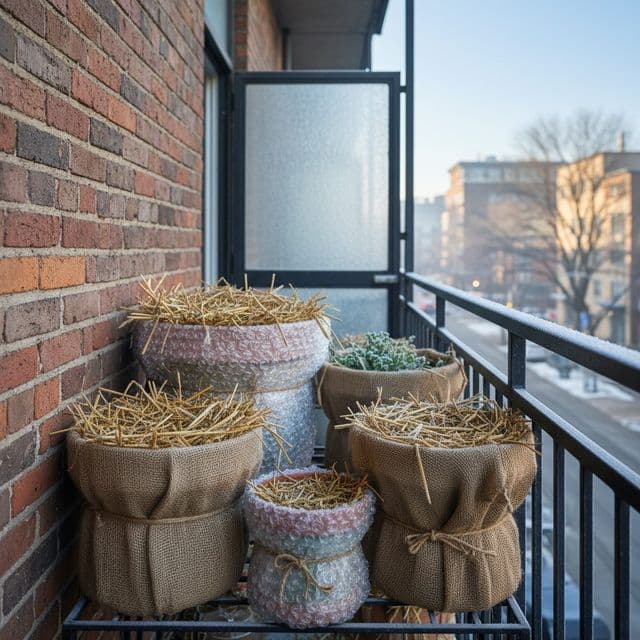
Learn essential techniques to protect container plants from freezing temperatures in USDA Zone 6. Discover wrapping, clustering, and mulching for successful container plant winter protection.
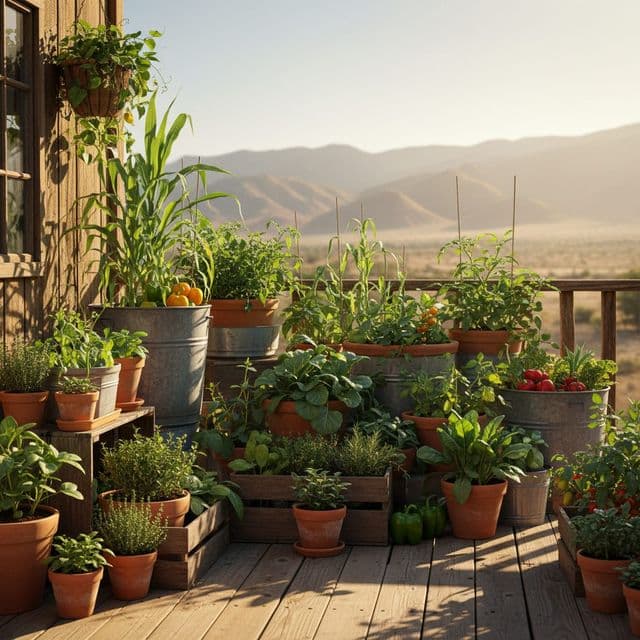
Learn how grouping container plants creates microclimates, reducing water loss by up to 25% in arid US regions. Optimize layouts for healthier plants and less watering.
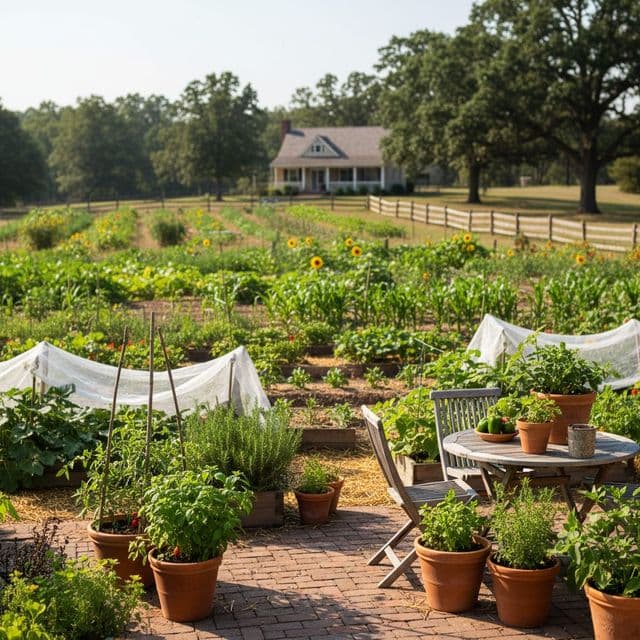
Master heat-tolerant container gardening on hot patios in USDA zones 7+. Discover plant varieties, container choices, watering tips, and shading strategies for a thriving garden.
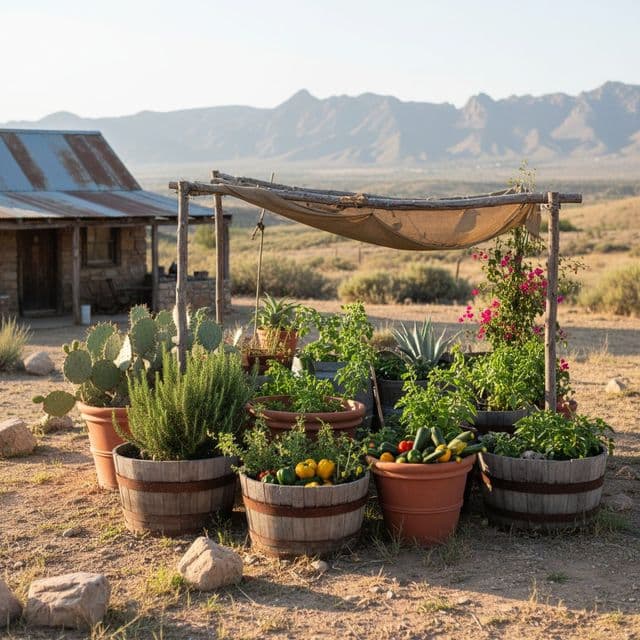
Learn how to protect container plants from extreme heat (100°F+) in USDA Zones 8-10. Discover shade cloth tips, watering strategies, and placement for container plant heat protection.
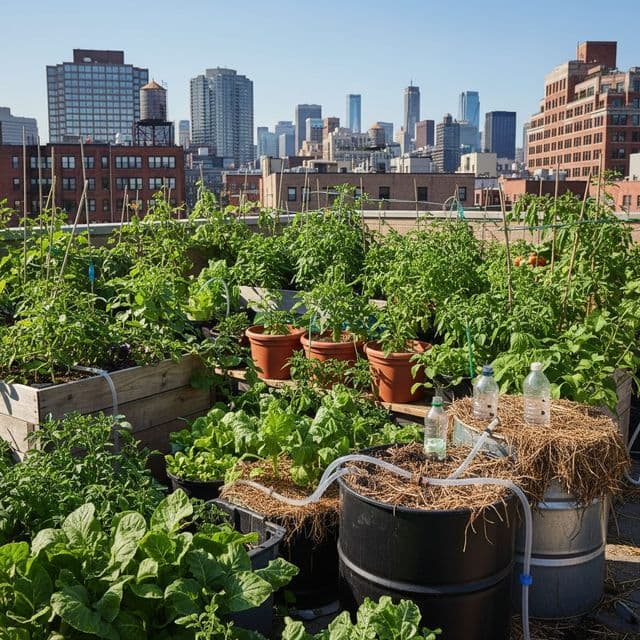
How to keep container plants thriving for two weeks in USDA Zone 7 without daily watering, using container sizing, shade, mulch, and passive wicking systems.
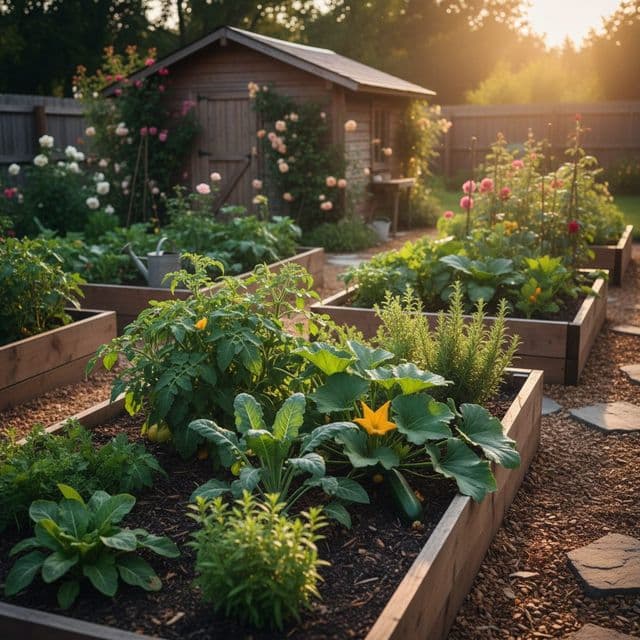
Master container garden watering in hot climates like USDA Zone 7. Learn how pot size, material, and weather impact frequency to keep your plants thriving.
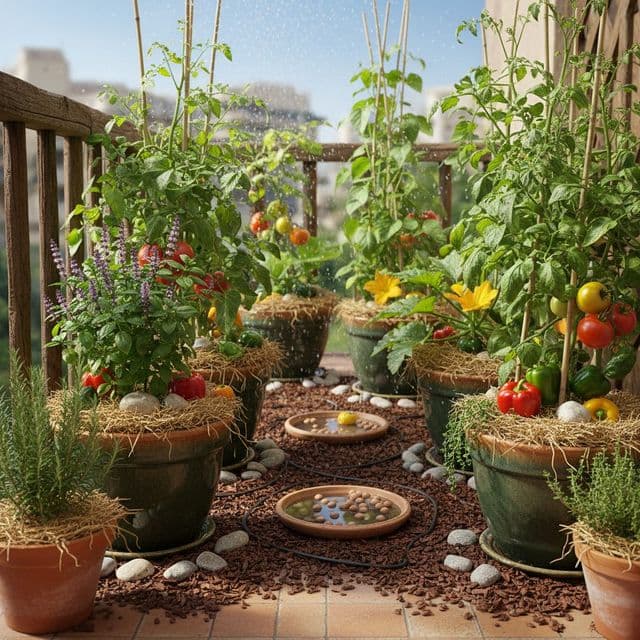
How double-potting and surface mulching reduce container root temperatures in USDA Zones 8-10, protecting plants from heat stress and stabilizing soil moisture.
Master rooftop container gardening by learning how to reduce soil temperatures. Discover practical tips for pot selection, elevation, and shading to protect roots and boost yields in hot climates.