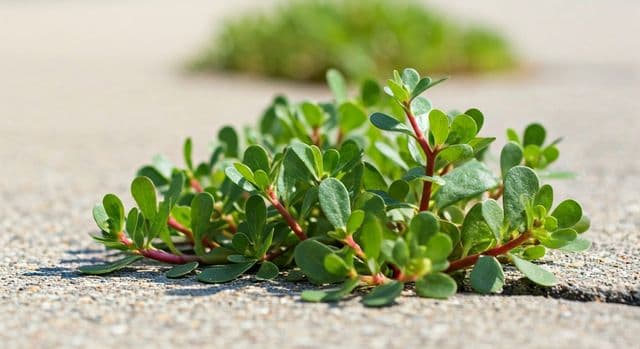
Purslane: Omega-3 Rich Edible Weed for Foraging & Nutrition
Discover purslane, a common edible weed packed with omega-3s. Learn to identify, forage, and cultivate this nutritious plant for health benefits across US USDA zones 3-10.
Tag
300 articles in this tag on agripure. — page 1 of 13
Discover purslane, a common edible weed packed with omega-3s. Learn to identify, forage, and cultivate this nutritious plant for health benefits across US USDA zones 3-10.
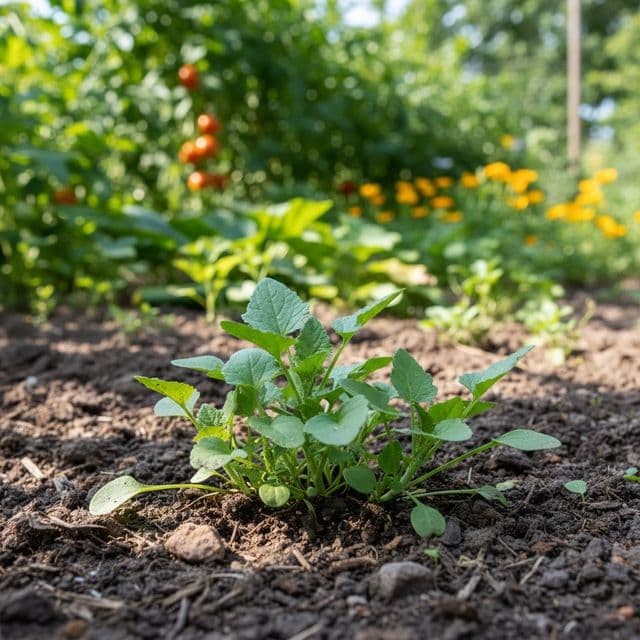
Discover lamb’s quarters, a nutritious wild edible thriving across US USDA zones 3-10. Learn safe identification, harvesting, and culinary uses for this ‘wild spinach’ in our foraging guide.
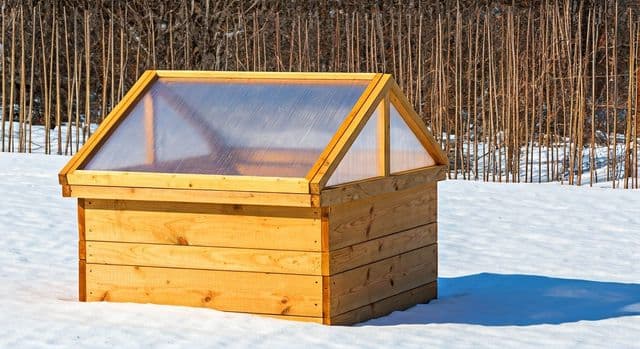
Learn how cold frames enable winter growing in USDA Zone 5, adding 60+ days to your harvest. Discover design tips, crop selection, and off-grid benefits for year-round food.
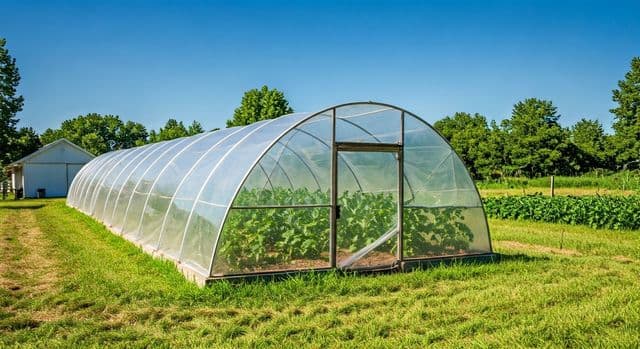
Extend your harvest in USDA Zone 6 with high tunnel summer crops. Learn heat-tolerant varieties, cooling strategies, and off-grid power solutions for successful summer growing.

Learn how to extend summer harvests of lettuce and spinach in USDA zones 6-8 using 30-50% shade cloth. Prevent bolting, reduce heat stress, and boost yields for fresh greens.

Shade strategies for tomatoes and peppers in the US Southwest, covering shade cloth, companion planting, and water management to prevent sunscald.

Learn to select the right shade cloth density for your crops in USDA zones 4-10. Protect plants from intense sun, reduce temperatures, and extend your growing season.

Grow productive greens, root crops, and culinary herbs in limited light. Quantify direct-sun hours and DLI thresholds, separate tree-root dry shade and black walnut juglone from north-wall bright s…
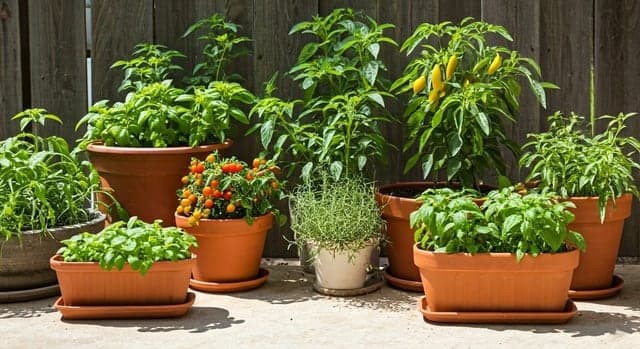
Master resilient container gardening across US climate zones. Learn to grow low-maintenance herbs, peppers, and cherry tomatoes with expert tips for success in any space.

Engineer a container garden that survives Phoenix, Tucson, Las Vegas, El Paso, and Inland SoCal summers (105–118°F air, <15% RH, 130–150°F stucco/paver reradiation): pot thermal materials, pumice-b…

Discover how self-sowing plants like dill, cilantro, arugula, and lettuce create a low-effort kitchen garden in USDA Zone 6. Save time & enjoy fresh produce.
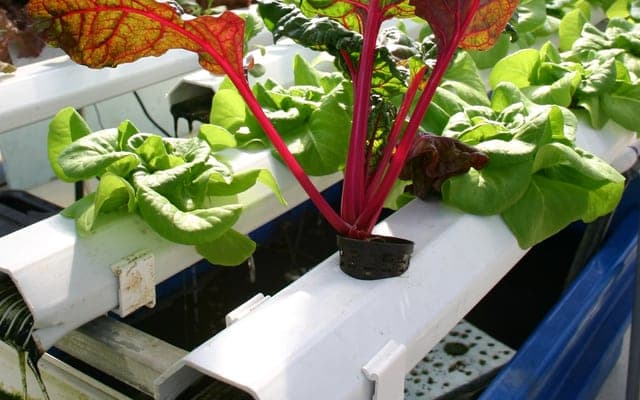
Discover the best aquaponics plants for your system, from leafy greens to fruiting crops. Learn pH, light, and nutrient needs to maximize yields and ensure system stability.
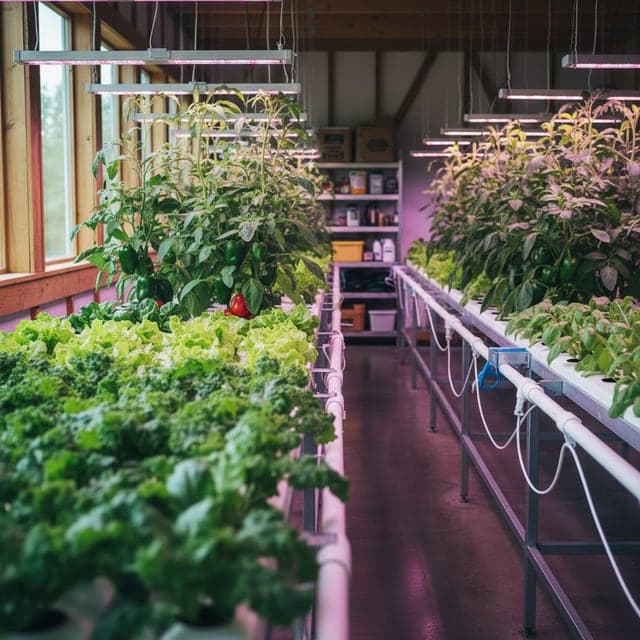
Nutrient schedules for fruiting crops in controlled environments: how to adjust NPK ratios, pH, and EC for vegetative and bloom stages to support tomato yields.

Master outdoor Dutch bucket hydroponics for tomatoes & cucumbers in hot climates. Achieve up to 30% higher yields & save 70-90% water with this efficient system.
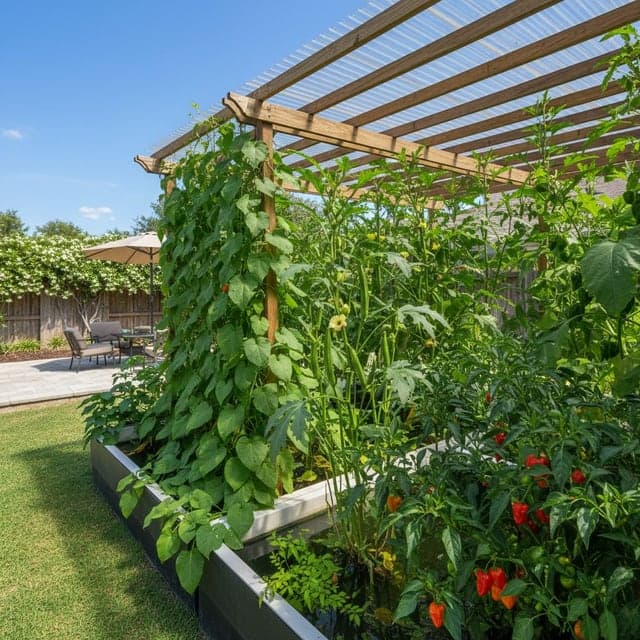
Discover how to grow heat-tolerant hydroponic crops like Malabar spinach, okra, and peppers in the US Sunbelt. Learn critical tips for managing nutrient solution temperatures and maximizing yields…

Compare whole-head and cut-and-come-again harvesting for hydroponic lettuce. Learn how each method impacts yield, labor, and plant life, optimizing your grow for maximum output.
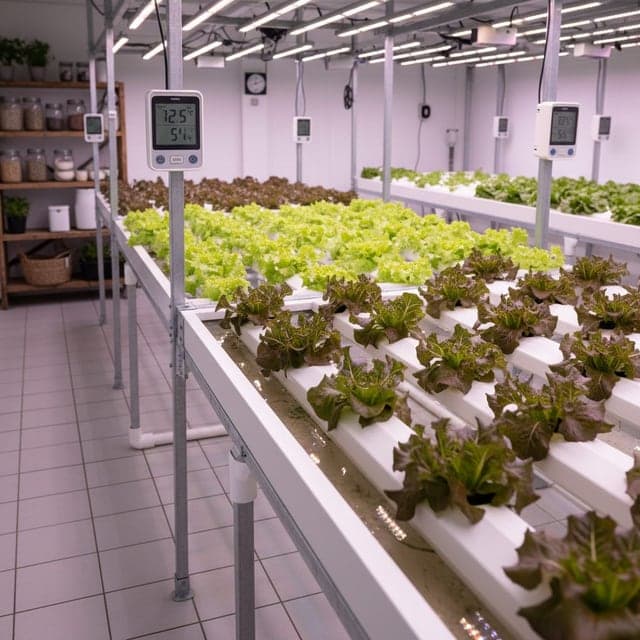
Master hydroponic lettuce temperature and humidity to prevent bolting. Learn ideal ranges (65-75°F, 60-70% RH) for crisp, flavorful greens and optimal growth.

Discover the best lettuce and green varieties for indoor hydroponics. Learn how buttercrunch, romaine, and arugula thrive in controlled environments for year-round harvests.
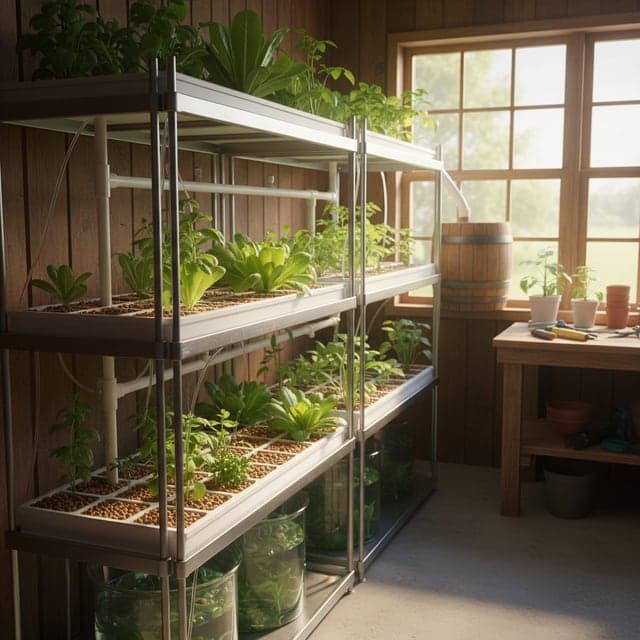
Prepare and manage LECA expanded clay pebbles for US hydroponics and semi-hydroponics: outdoor clay-dust rinsing, 24–48 hour pH soak, 1/3 reservoir fill geometry, EC and ppm targets, white salt flu…

Understand blossom-end rot in tomatoes and why inconsistent watering causes calcium deficiency in fruit. Prevent the issue with proper moisture management and soil care.
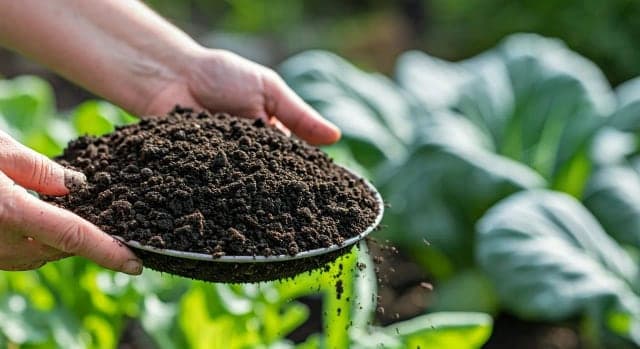
Skip concrete-forming sand and non-sodic gypsum myths. Learn the squeeze-drop wet-clay rule, compost and surface wood-chip depths, Daikon radish bio-drilling, and an honest 3-year clay soil timeline.
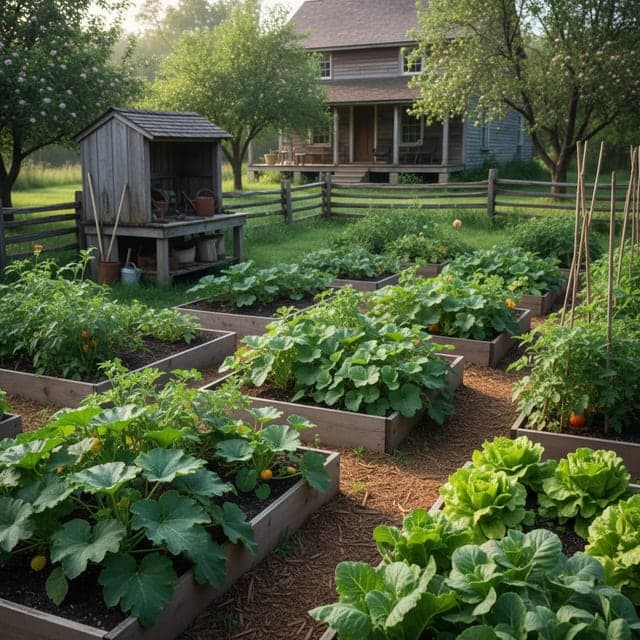
Learn how soil pH testing and amendments can dramatically increase nutrient availability and crop yields. Get a roadmap to a healthier, more productive garden.

Soil pH decides what your plants can take up. Learn how accurate soil pH testing impacts nutrient uptake for healthier plants. Explore DIY methods: test strips, digital meters, and kitchen tests fo…

Grow crisp cilantro leaves and aromatic coriander seeds from one planting across USDA Zones 3–10 by cracking double-embryo husks, choosing slow-bolt cultivars, sowing every 14–21 days, and harvesti…