US foraging: identify toxic look-alikes & poisonous plants
How to identify poisonous plants and toxic look-alikes across US regions: distinguishing features of wild carrots, hemlock, death camas, and emergency response steps.
Tag
313 articles in this tag on agripure. — page 1 of 14
How to identify poisonous plants and toxic look-alikes across US regions: distinguishing features of wild carrots, hemlock, death camas, and emergency response steps.
Learn essential safe foraging practices for wild edibles in North America. This guide covers identification, avoiding toxic look-alikes, and best practices for harvesting.
Discover how to identify, harvest, and prepare edible wild greens like stinging nettle and mallow across US regions. Learn safe foraging practices and nutritional benefits.
Discover safe edible backyard weeds across US regions. Learn to identify common wild edibles like dandelion & lamb’s quarters for beginners. Forage safely!
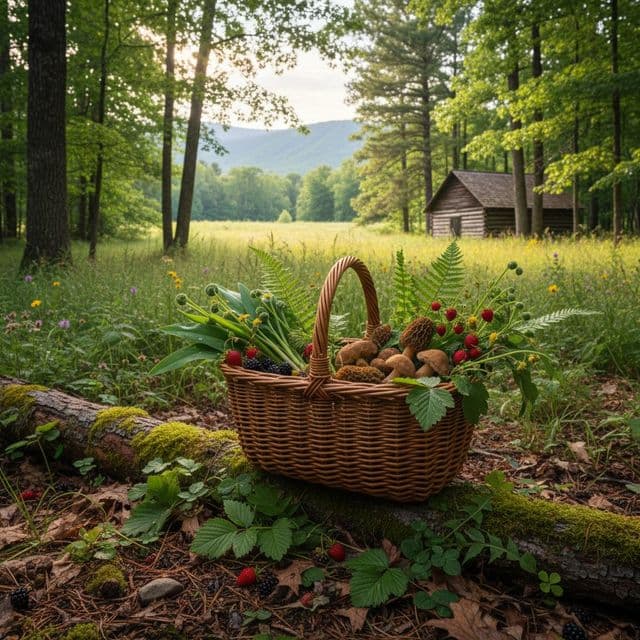
Discover the US foraging calendar! Learn what wild edibles to harvest by season and region, from spring ramps to autumn nuts. Includes safety tips and USDA zone guidance.
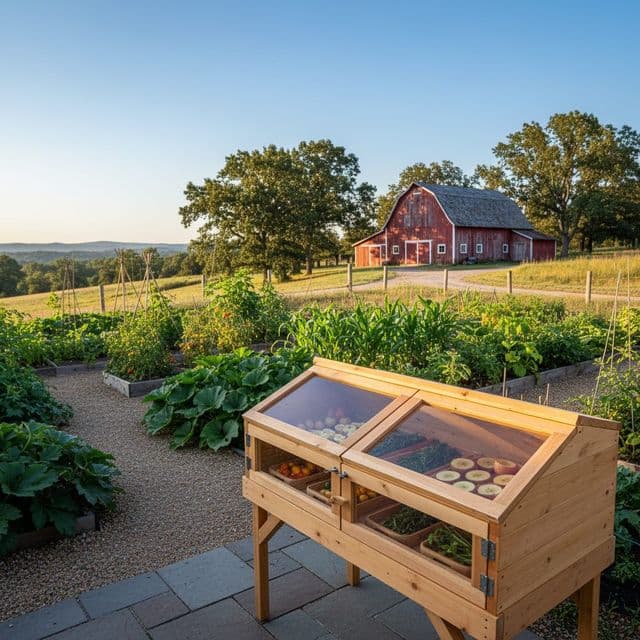
Learn to build a DIY solar dehydrator for your homestead. Preserve garden produce efficiently, cut energy costs, and extend your harvest with this off-grid solution.
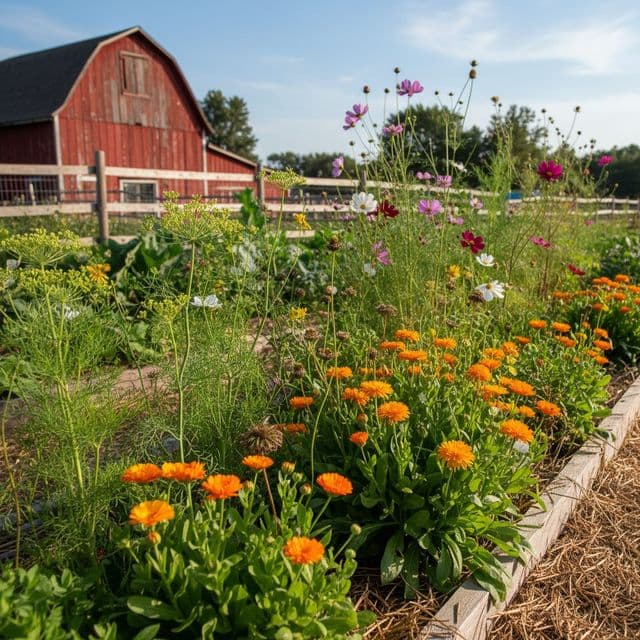
Self-seeding flowers, herbs, and vegetables for USDA zones 4-9 that drop viable seed and return reliably each year with minimal replanting.
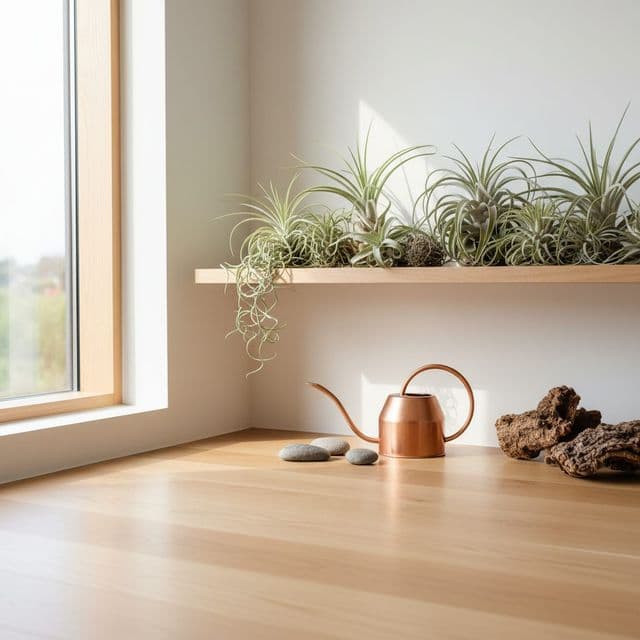
Care for Tillandsia indoors in your US home or apartment with guidelines on light, water, humidity, and air circulation.
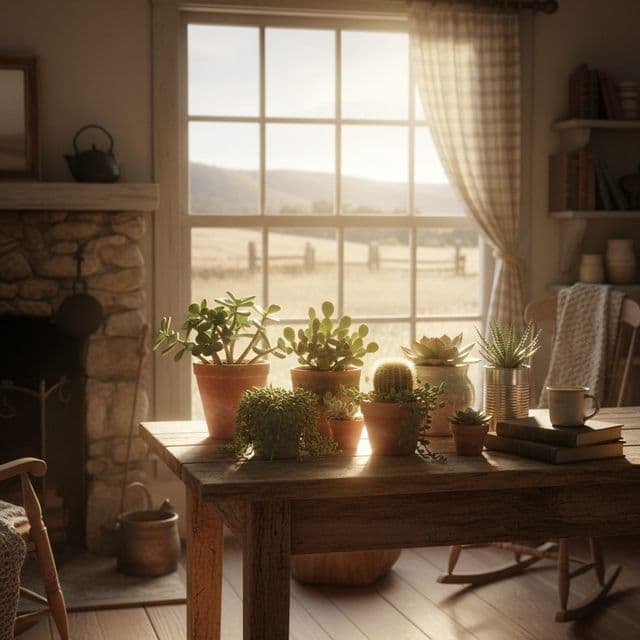
Master growing succulents indoors and cacti in US homes. Learn essential tips for light, soil, watering, and pest control to help your desert plants thrive from Arizona to Maine.
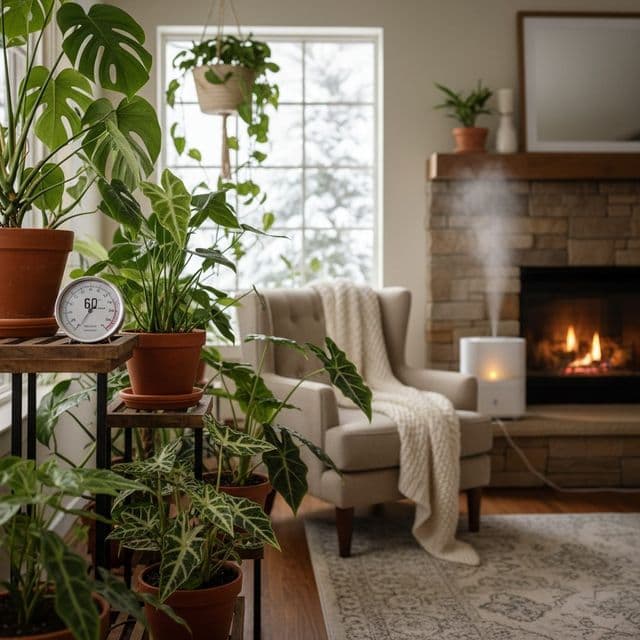
Combat dry US winter air to keep tropical houseplants thriving. Learn to monitor humidity, boost levels with pebble trays & humidifiers, and protect plants from pests.
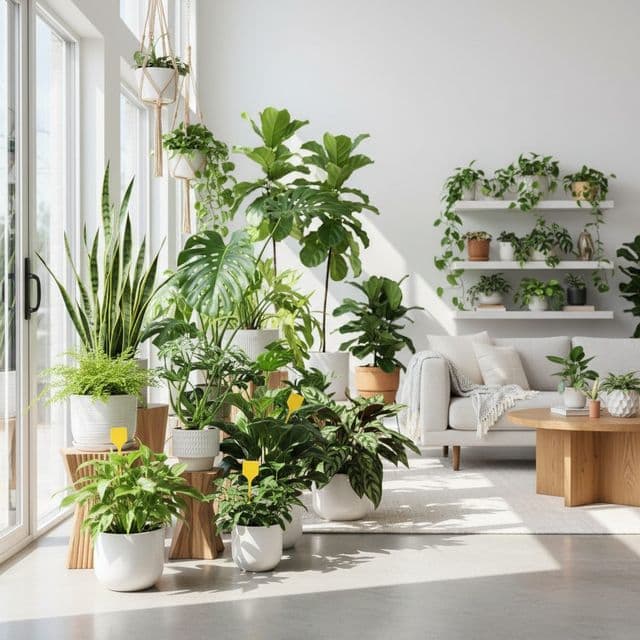
Effectively manage common houseplant pests like fungus gnats, mealybugs, and spider mites in US homes. Learn proven houseplant pest control strategies for a thriving indoor garden.
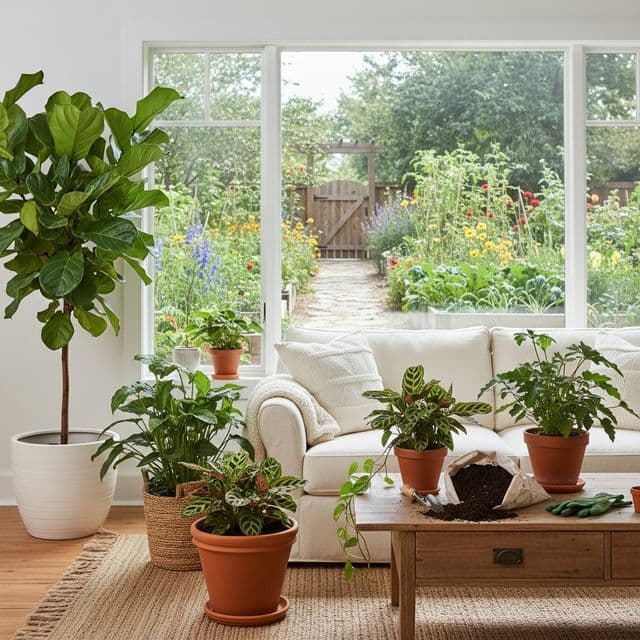
Master houseplant repotting with this guide. Learn timing, soil mix, and root-bound signs for thriving indoor plants. Prevent issues and ensure healthy growth.
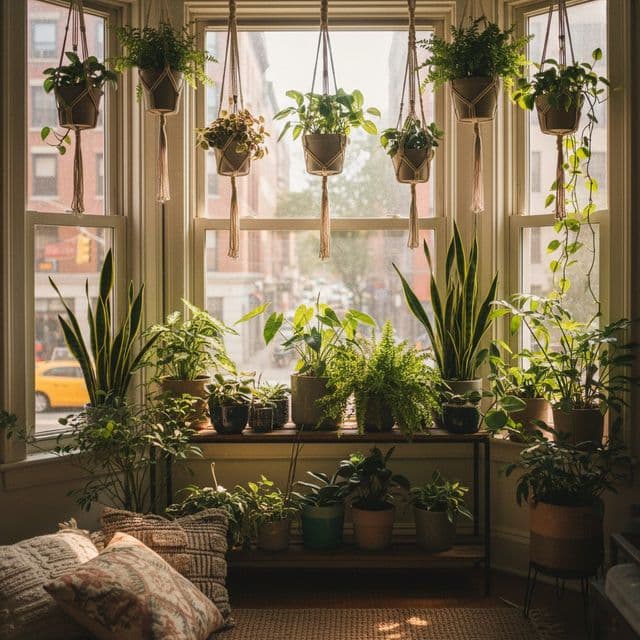
Learn to diagnose common houseplant ailments like yellow leaves, wilting, and brown spots. This guide covers watering, light, pests, and humidity for healthy houseplants in US homes.
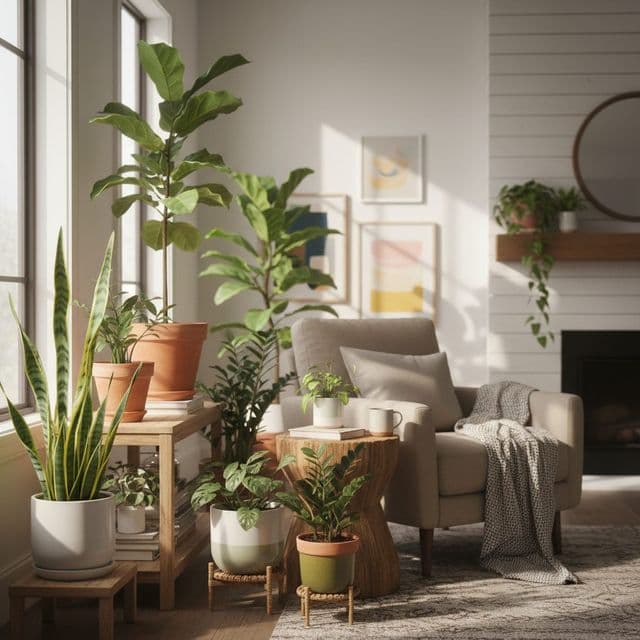
Master houseplant watering to prevent root rot and ensure healthy growth. Learn data-backed methods for soil moisture, pot choice, and techniques for US homes.
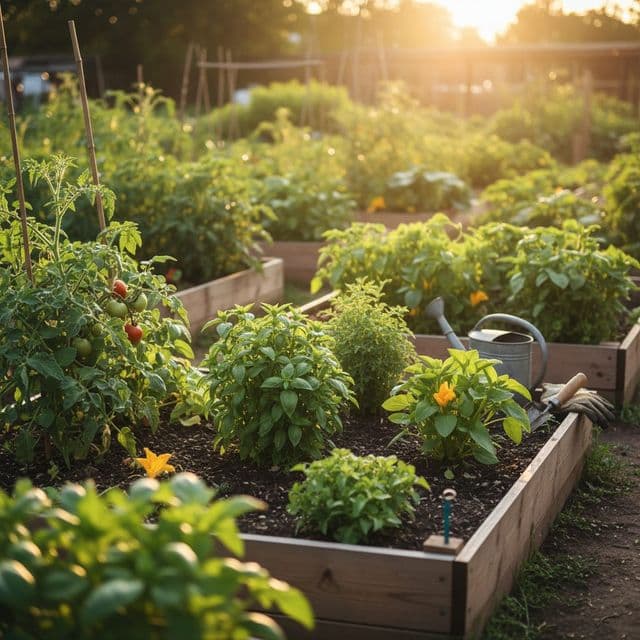
Low-light indoor plants for north-facing rooms, basements, and shaded US apartments, with watering intervals and placement guidance for dim conditions.
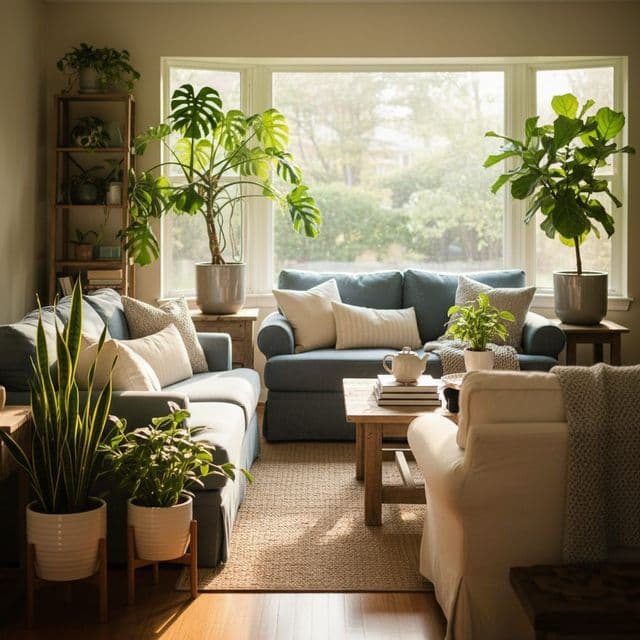
Discover how to choose and care for US houseplants that thrive in typical 60-75°F indoor conditions. Learn about light, watering, and humidity for healthy plants.
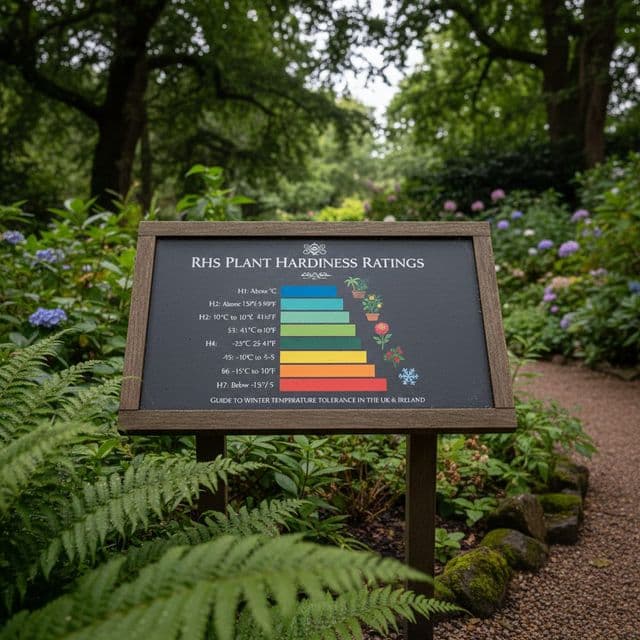
Set up backyard tilapia aquaponics with optimal water conditions, rapid growth (1.5 lbs in 6-9 months), and efficient water use for fish and vegetables.
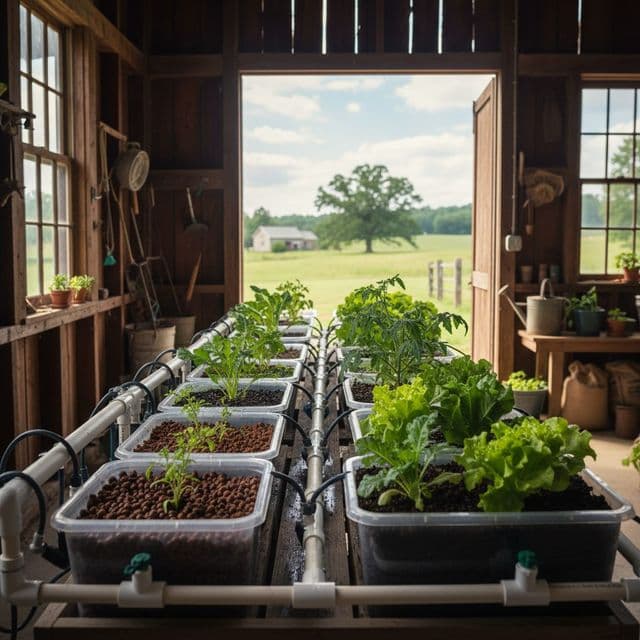
Comparing perlite, LECA, rockwool, and coco coir for hydroponic systems in USDA Zone 7 to balance aeration, water retention, and reusability.
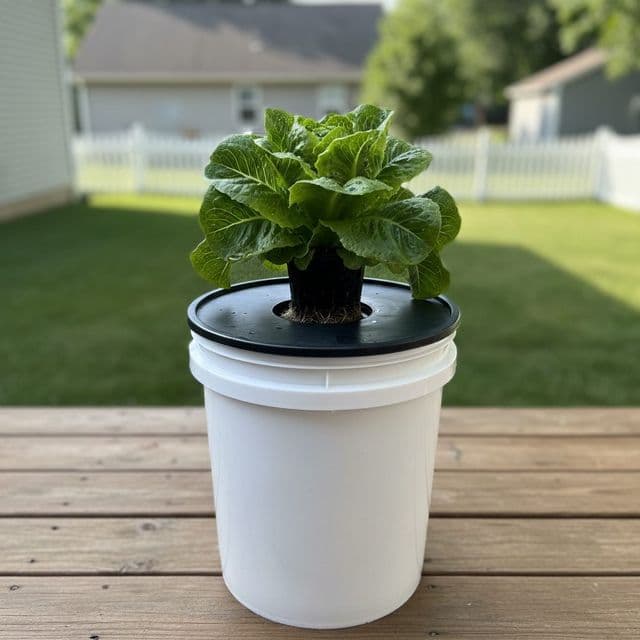
Discover the simple Kratky hydroponics method to grow fresh lettuce in a 5-gallon bucket. This passive, low-cost system uses 90% less water, perfect for beginners in USDA Zone 7.
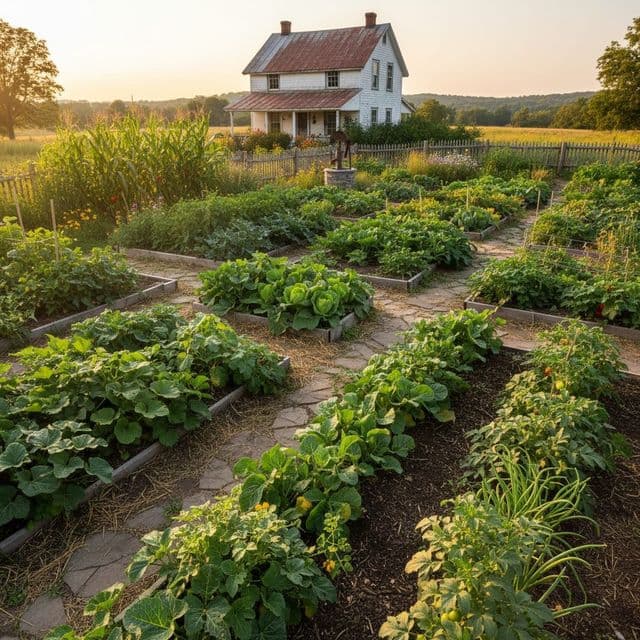
Learn the optimal soil pH for vegetable gardens, how to test soil accurately, and apply amendments like lime or sulfur for thriving plants. Get expert tips.
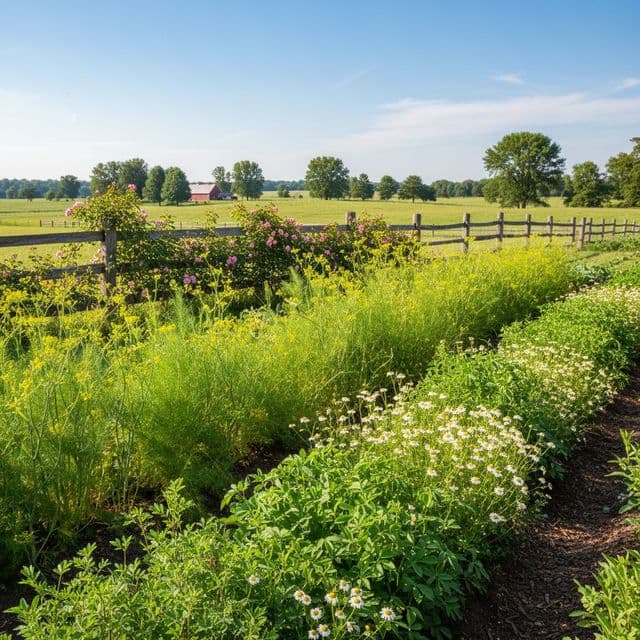
Learn to grow chamomile, fennel, and fenugreek across US USDA Zones 4-10. This guide covers soil, sunlight, watering, spacing, and harvesting for a bountiful annual herb garden.
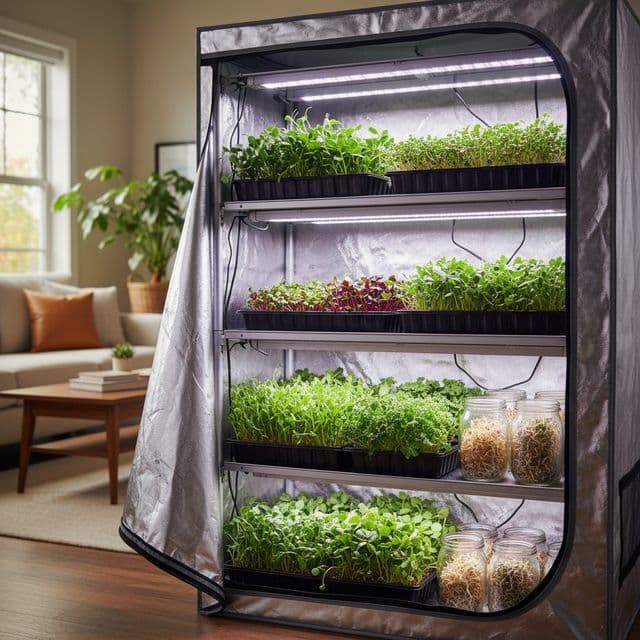
Learn how to grow nutrient-dense microgreens and sprouts indoors year-round, regardless of your US climate. This guide covers setup, cultivation, and harvest for fresh produce.
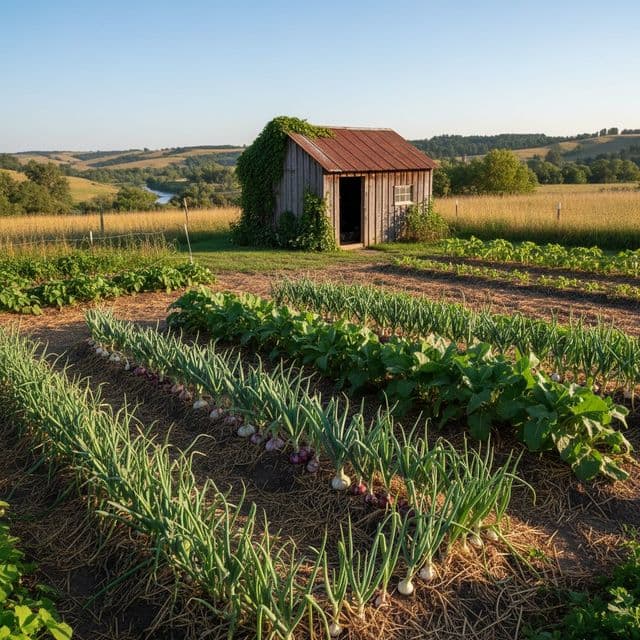
How to grow alliums like onions, garlic, and leeks across US Zones 3-9: planting, care, soil preparation, and harvest timing for home gardens.
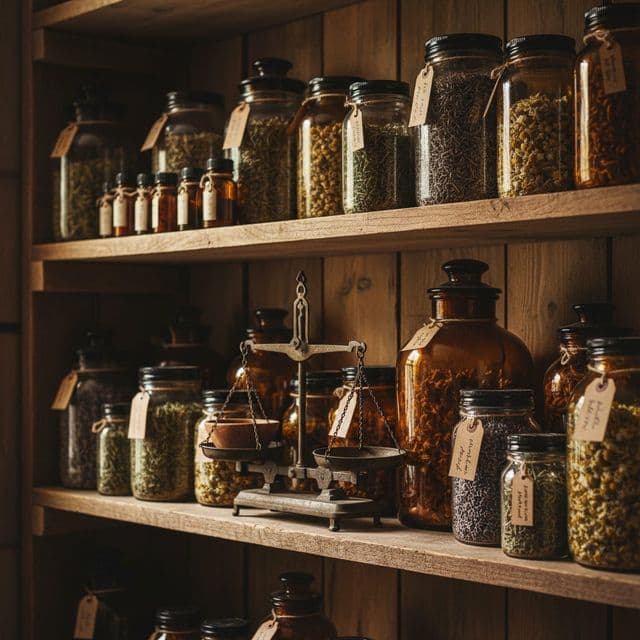
How to store dried herbs for your home apothecary. Learn how oxygen, light, heat, and moisture degrade potency, with suitable containers, conditions, and realistic shelf-life.