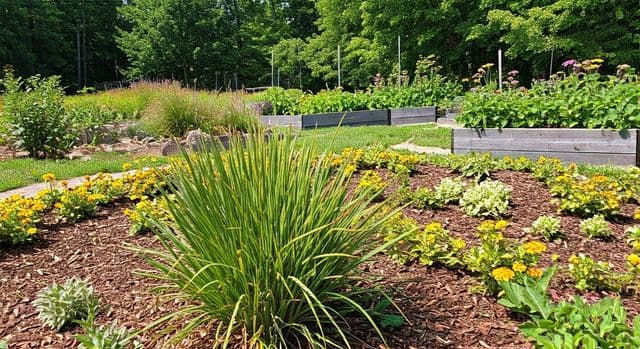
Lawn to food: save water & grow produce in USDA zone 7
Transform your lawn into a productive food garden. Learn how a lawn to food conversion in USDA Zone 7 can save 15,000 gallons of water annually, reduce costs, and yield fresh produce.
Topic
Everything you need to grow vegetables at home, whatever your space. These guides cover individual crops—tomatoes, lettuce, garlic, carrots, and potatoes—plus square-foot layouts, companion planting, and beginner FAQs. Learn soil prep, spacing, watering, and harvest timing so every bed produces more food with less guesswork.
491 articles in this topic on agripure. — page 1 of 21
Transform your lawn into a productive food garden. Learn how a lawn to food conversion in USDA Zone 7 can save 15,000 gallons of water annually, reduce costs, and yield fresh produce.
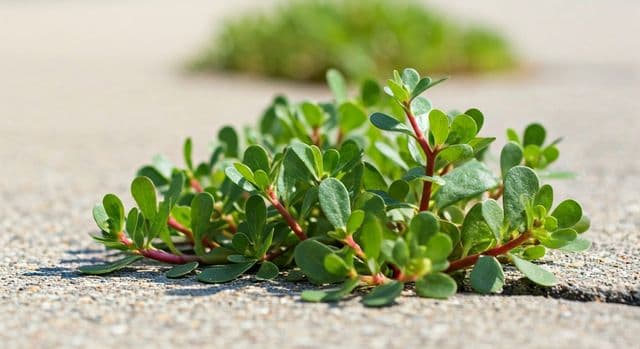
Discover purslane, a common edible weed packed with omega-3s. Learn to identify, forage, and cultivate this nutritious plant for health benefits across US USDA zones 3-10.
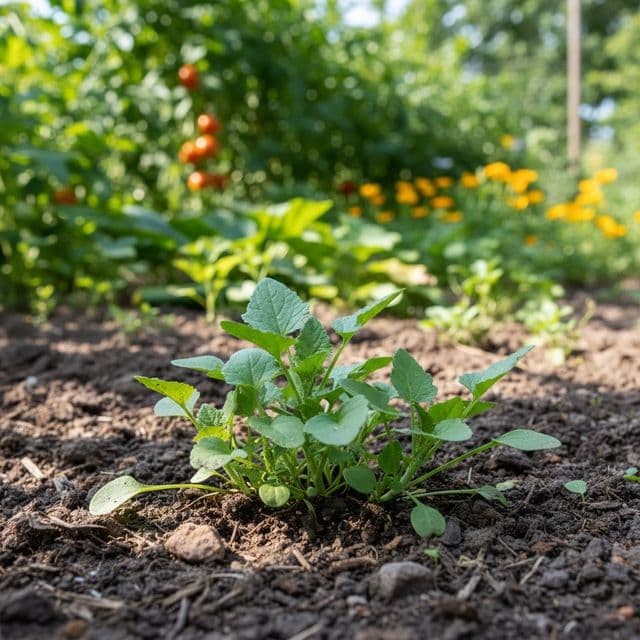
Discover lamb’s quarters, a nutritious wild edible thriving across US USDA zones 3-10. Learn safe identification, harvesting, and culinary uses for this ‘wild spinach’ in our foraging guide.
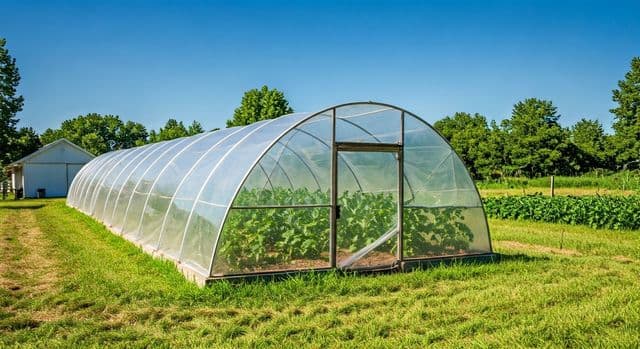
Extend your harvest in USDA Zone 6 with high tunnel summer crops. Learn heat-tolerant varieties, cooling strategies, and off-grid power solutions for successful summer growing.

Learn how to extend summer harvests of lettuce and spinach in USDA zones 6-8 using 30-50% shade cloth. Prevent bolting, reduce heat stress, and boost yields for fresh greens.

Learn to select the right shade cloth density for your crops in USDA zones 4-10. Protect plants from intense sun, reduce temperatures, and extend your growing season.

Engineer coastal vegetable raised beds that handle both airborne sea spray and saline groundwater using 40–60% porous windbreaks, marine-grade hardware, USDA salinity EC crop tiers, and post-storm…

Grow productive greens, root crops, and culinary herbs in limited light. Quantify direct-sun hours and DLI thresholds, separate tree-root dry shade and black walnut juglone from north-wall bright s…

Discover how self-sowing plants like dill, cilantro, arugula, and lettuce create a low-effort kitchen garden in USDA Zone 6. Save time & enjoy fresh produce.

Compare microclover ('Pirouette', 'Pipolina'), Dutch white clover, strawberry clover, and creeping thyme for US gardens and orchards. Learn how Rhizobium nitrogen really transfers via chop-and-drop…
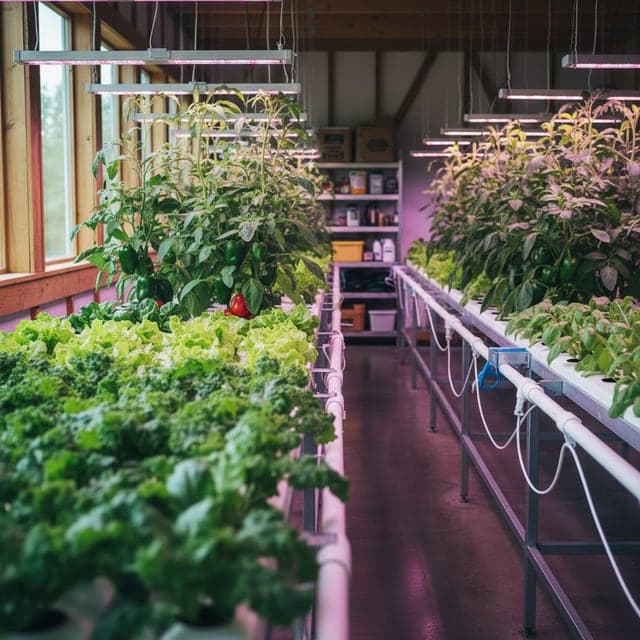
Nutrient schedules for fruiting crops in controlled environments: how to adjust NPK ratios, pH, and EC for vegetative and bloom stages to support tomato yields.

Master outdoor Dutch bucket hydroponics for tomatoes & cucumbers in hot climates. Achieve up to 30% higher yields & save 70-90% water with this efficient system.

Learn expert strategies to prevent tip burn and bitterness in indoor lettuce. Optimize humidity, nutrients, and temperature to boost your hydroponic lettuce yields by up to 20%.

Compare whole-head and cut-and-come-again harvesting for hydroponic lettuce. Learn how each method impacts yield, labor, and plant life, optimizing your grow for maximum output.

Discover the best lettuce and green varieties for indoor hydroponics. Learn how buttercrunch, romaine, and arugula thrive in controlled environments for year-round harvests.

Understand blossom-end rot in tomatoes and why inconsistent watering causes calcium deficiency in fruit. Prevent the issue with proper moisture management and soil care.

Learn how to take a representative soil sample for your USDA Zone 6 garden. Accurate soil sample testing improves amendment decisions, plant health, and can boost yields by 10-25%.

Learn simple DIY soil tests like worm counts & jar shakes to understand your garden’s health. Improve soil structure, biology, and nutrient availability for sturdy plants.

Soil pH decides what your plants can take up. Learn how accurate soil pH testing impacts nutrient uptake for healthier plants. Explore DIY methods: test strips, digital meters, and kitchen tests fo…

Grow crisp cilantro leaves and aromatic coriander seeds from one planting across USDA Zones 3–10 by cracking double-embryo husks, choosing slow-bolt cultivars, sowing every 14–21 days, and harvesti…

Grow fenugreek (Trigonella foenum-graecum) across USDA Zones 3–10 for 7-day microgreens, 25–35 day cut-and-come-again methi leaves, low-heat kasuri methi, and 90–120 day toasted spice seeds.

Separate Florence bulbing fennel from perennial herb fennel across US gardens, defeat the 5 biological triggers of bolting, harness late-summer fall sowing and blanching, isolate allelopathic crown…
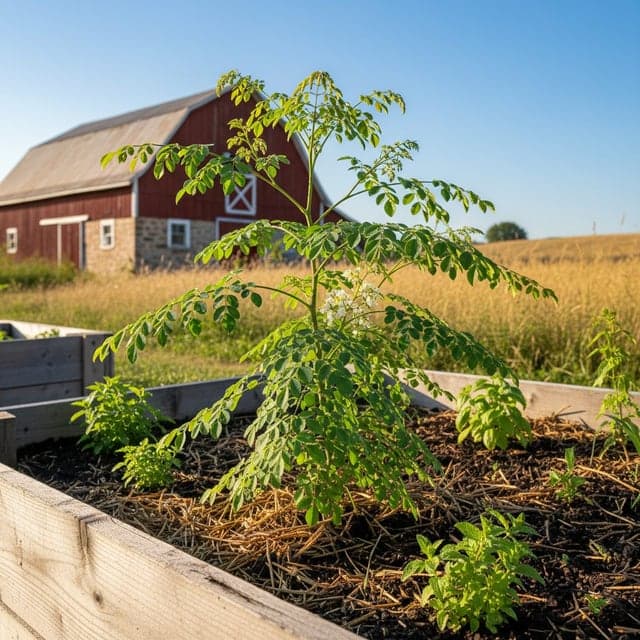
Complete seed-to-harvest moringa cultivation handbook for US soils and climates: 6–12 mo seed viability, lukewarm soak, 10–14 in root trainers, pH 6.2–7.0 sandy loam, nitrogen vs. PKM-1 pod care, d…

Cultivate Egyptian walking onions (Allium × proliferum) across USDA Zones 3–10: sterile hybrid genetics, fall topset planting, 3–4 year basal division, Allium leafminer netting, and ASPCA pet safety.