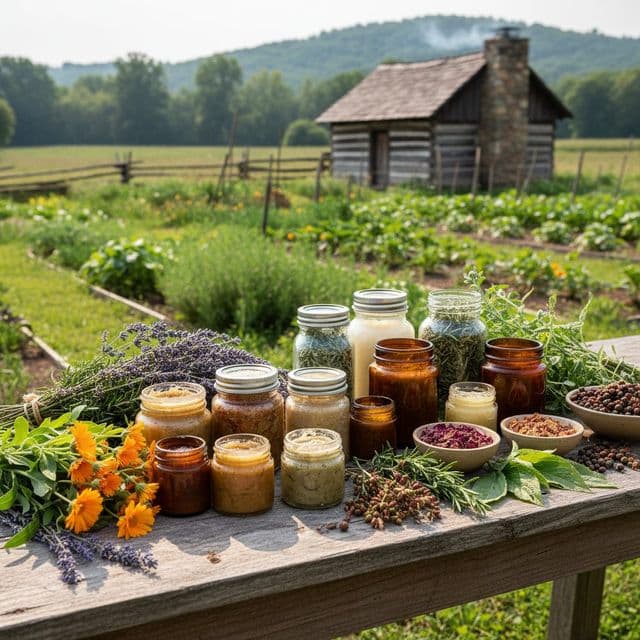
Craft Herbal Salves & Balms: Grow Herbs in USDA Zone 6
Learn to craft your own herbal salves and balms from garden-grown medicinal herbs in USDA Zone 6. Control ingredients, avoid synthetics, and enjoy natural skincare.
Topic
Grow more of your own food with practical, beginner-friendly gardening guides. From starting seeds and planning beds to companion planting, square-foot layouts, herbs, mushrooms, greenhouses, and soilless systems, these articles walk you through every step—what to plant, when to plant it, and how to keep crops healthy from sowing to harvest.
901 articles in this topic on agripure. — page 1 of 38
Learn to craft your own herbal salves and balms from garden-grown medicinal herbs in USDA Zone 6. Control ingredients, avoid synthetics, and enjoy natural skincare.
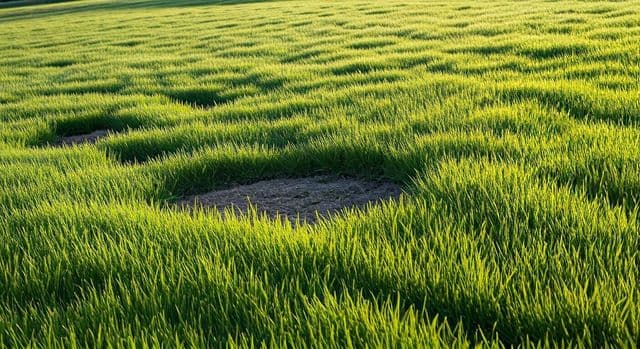
How to repair bare spots and thinning turf, covering diagnosis, soil preparation, seeding rates, and watering schedules.
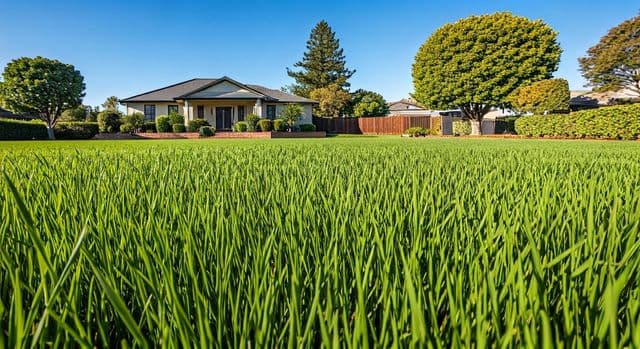
Master seasonal lawn care for bermudagrass & fescue in USDA zones 6-8. Learn optimal timing for fertilizing, aerating, and dethatching to ensure a healthy lawn.
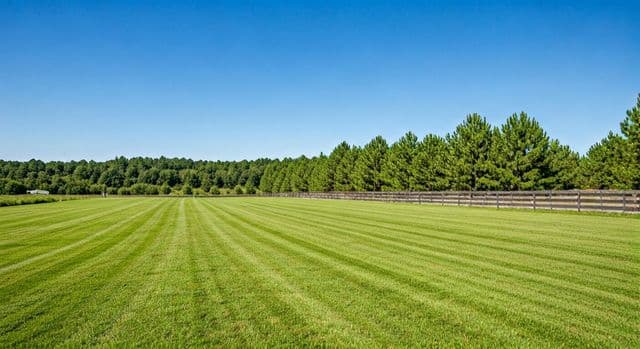
A comparison of seed and sod costs, labor, and benefits for US homeowners, covering grass types, soil preparation, and planting timing.
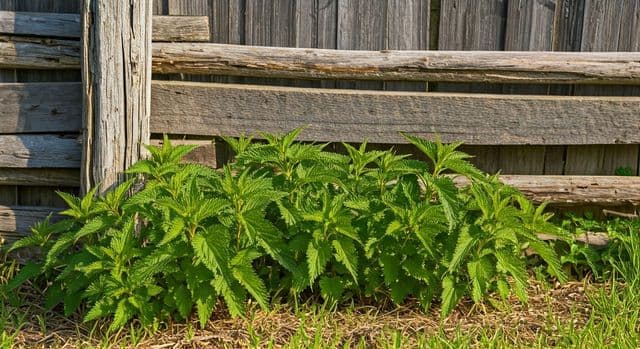
Learn to safely identify, harvest, and neutralize stinging nettle in USDA zones 3-10, including its nutritional value and culinary uses.
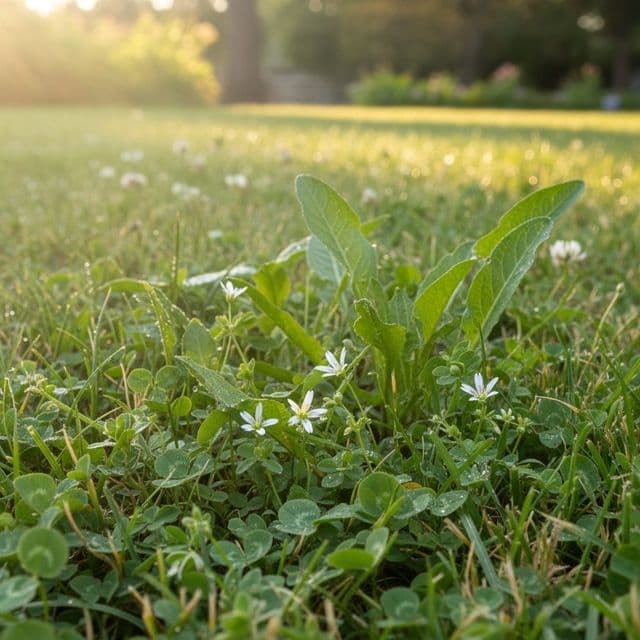
How to identify, forage, and prepare chickweed, plantain, and clover, three common edible lawn weeds across the US.
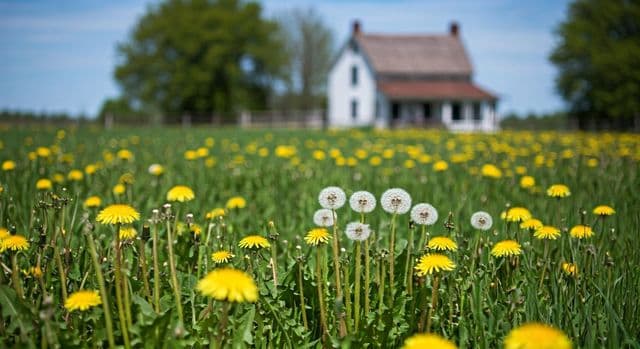
Learn how to identify, harvest, and prepare dandelions from root to flower. This guide covers dandelion foraging in USDA Zone 6, offering tips for greens, roots, and flowers.
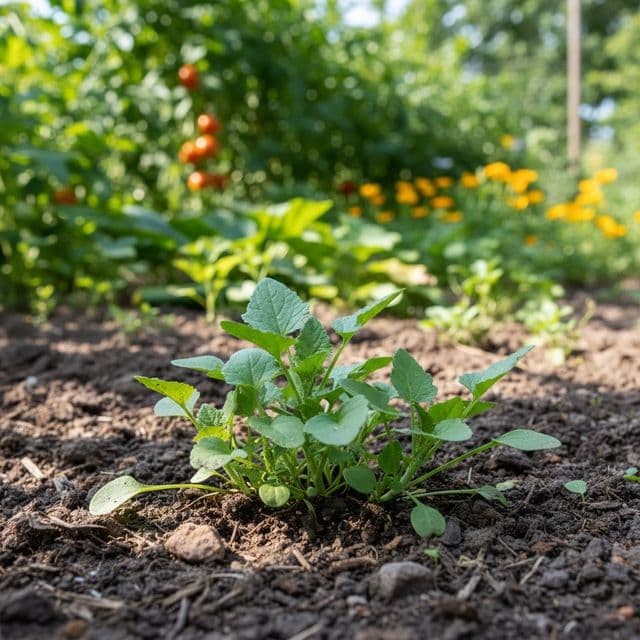
Discover lamb’s quarters, a nutritious wild edible thriving across US USDA zones 3-10. Learn safe identification, harvesting, and culinary uses for this ‘wild spinach’ in our foraging guide.
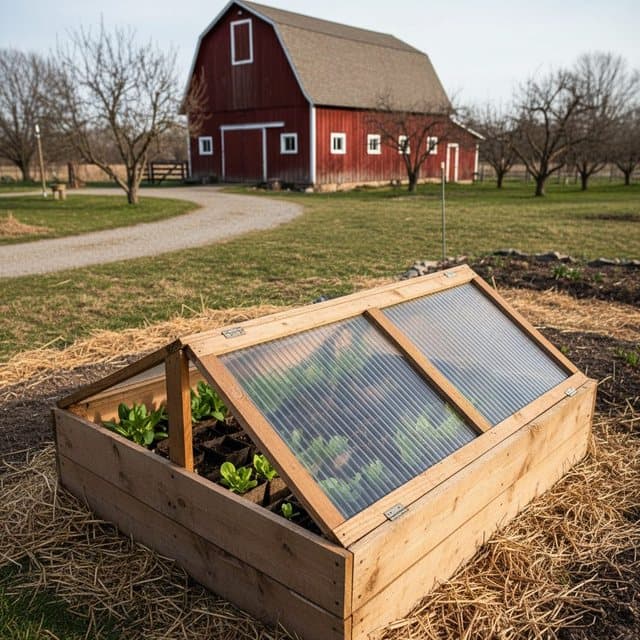
Prevent cold frame overheating on your Kansas homestead. Learn strategic siting, optimal 45-degree glazing, and venting to protect plants and extend your growing season.
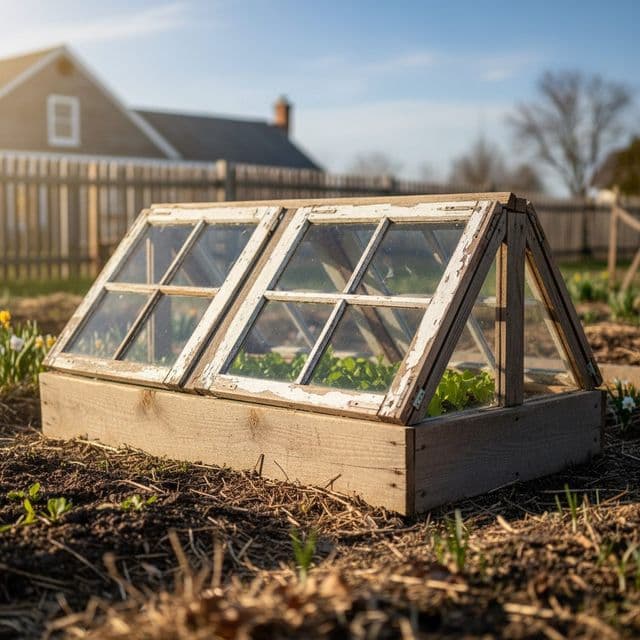
Extend your growing season in USDA Zone 6 by building a cost-effective cold frame from salvaged windows. Learn design, material sourcing, and maintenance for earlier planting and later harvests.

Learn how to extend summer harvests of lettuce and spinach in USDA zones 6-8 using 30-50% shade cloth. Prevent bolting, reduce heat stress, and boost yields for fresh greens.

Build a wind-safe 4×8 ft raised-bed shade frame using gray UV electrical PVC or galvanized EMT conduit. Compare 10-year costs, 30%–60% crop shade percentages, rebar anchoring, and storm safety.

Learn to select the right shade cloth density for your crops in USDA zones 4-10. Protect plants from intense sun, reduce temperatures, and extend your growing season.

Transform soggy USDA Zone 6 areas with plants that thrive in wet conditions. Discover solutions for poor drainage & downspout runoff, improving soil & attracting wildlife.

Discover edible plants like elderberry, cranberry, watercress, and taro that thrive in wet soils across US growing zones 3-9. Turn boggy areas into productive food sources.

Perennials and groundcovers for wet ground in US yards, covering species that tolerate saturated soils across USDA zones 3 to 9.

Engineer a mosquito-safe US rain garden for USDA Zones 3–10: run a 24-hour perc test (>=0.5 in/hr), enforce foundation, septic, and 811 setbacks, size basins at 20–30% of roof area, and plant a 3-z…

Diagnose perched water tables, compacted clay pans, and soil redox mottling with a 12-inch two-fill perc test, clear septic, sewer, Call 811, and Clean Water Act Section 404 gates, plant on >3:1 ro…

Engineer resilient US roadside and driveway plantings across USDA Zones 3–9: compare NaCl, CaCl2, MgCl2, CMA, urea, and beet-juice brines, separate airborne plow mist from root-zone EC/SAR toxicity…

Build a resilient coastal garden across USDA Zones 4–11: map wind and salt-spray barrier distances, interpret soil EC (dS/m) salinity tiers, flush post-storm surge salts, and pick region-proven tre…

Select the best shade plants for your garden. Compare needs for Southern USDA Zone 9 (heat/humidity) vs. Northern Zone 5 (cold hardiness). Get plant lists & soil tips.

Select flowering perennials for US deep shade (USDA Zones 3–9, DLI under 5–8 mol/m²/d): contrast dry maple root beds with moist north walls, pair spring ephemerals with 3-season foliage, avoid Host…

Grow culinary and medicinal herbs under 4 hours of direct sun. Learn why Mediterranean terpene oils drop in shade while tender-leaf herbs thrive across north walls, woodland canopies, and indoor wi…

Grow reliable edible perennials in 3–6 hours of sun across US Zones 3–9: ramps, currants, gooseberries, hostas, rhubarb, ostrich fern, aronia, and alpine strawberries with yields, soil pH, and P0 s…