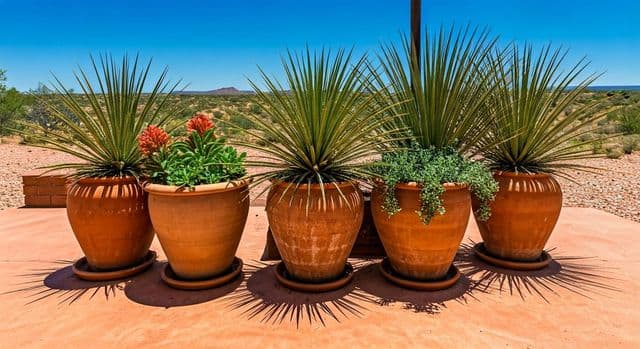
Heat-tolerant container plants for Southwest & Texas summers
Heat-tolerant container plants for Southwest and Texas summers, with care guidelines for edibles, flowers, and herbs in extreme heat.
Tag
547 articles in this tag on agripure. — page 1 of 23
Heat-tolerant container plants for Southwest and Texas summers, with care guidelines for edibles, flowers, and herbs in extreme heat.
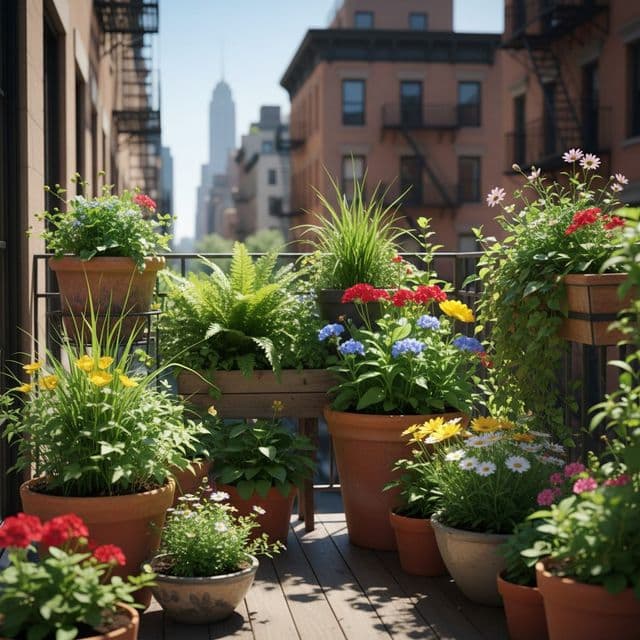
Drought-tolerant container plants for sunny balconies and patios in USDA zones 7+, covering species selection, pot materials, and watering methods to reduce water use by 30-50%.
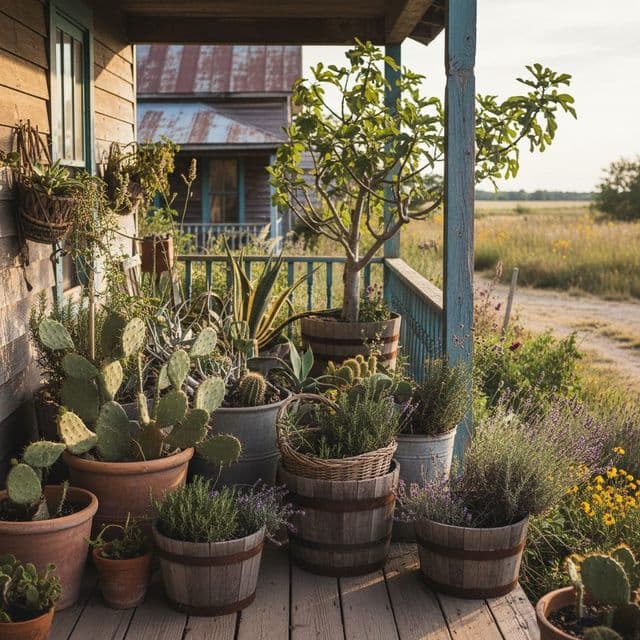
Discover 25 indestructible container plants that thrive from USDA zones 4-11. Learn essential care tips for drought-tolerant, low-light, and hardy perennial species.
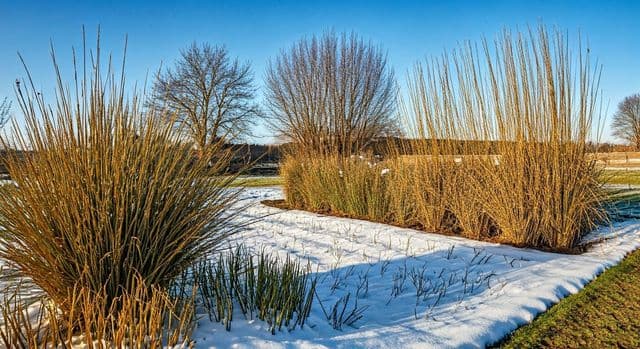
How to select and manage self-seeding plants for USDA Zones 3-5 and 8-10, using cold-hardy and warm-climate varieties that reduce garden labor.
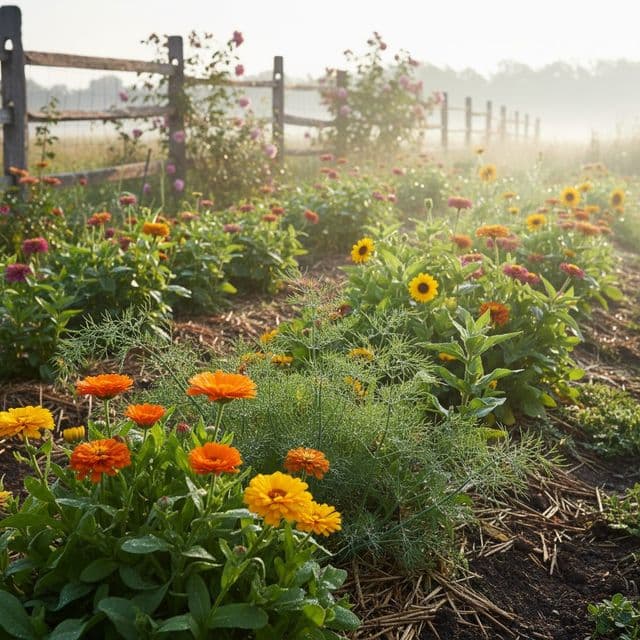
Learn effective strategies to manage volunteer plants and self-seeders in USDA Zone 6. Discover how deadheading, mulching, and selective weeding can reduce garden maintenance.
How to establish self-seeding native wildflower pollinator meadows across US growing zones, reducing maintenance and watering needs over time.
Native vines provide quick coverage across USDA zones 5-9 without the ecological damage caused by invasive species like kudzu, English ivy, and non-native wisteria.
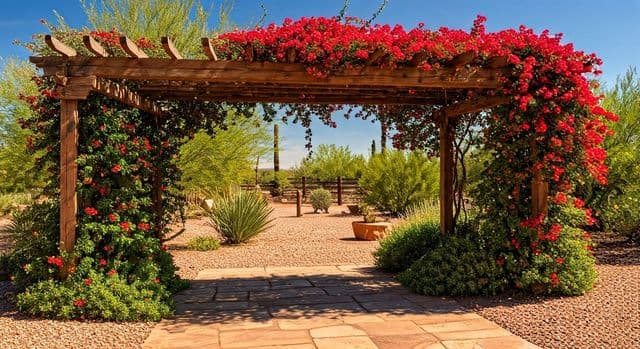
Discover 5 vigorous Southwest climbing plants thriving in 100°F summers. Get shade & privacy with heat-tolerant vines for fences & pergolas in USDA Zones 7-10.
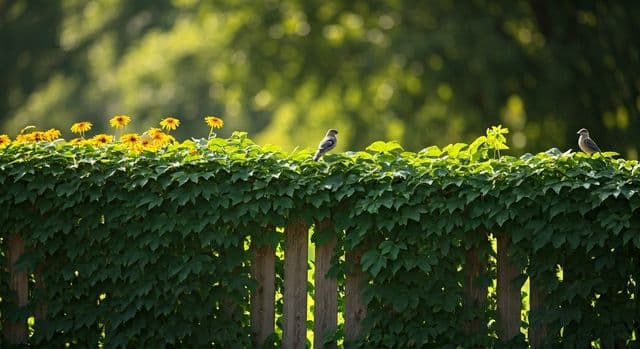
How to choose native vines for fences by US region to support pollinators, birds, and local biodiversity with less maintenance.
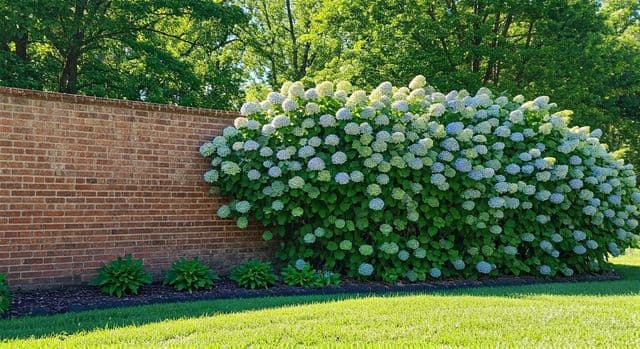
Fast-growing climbing plants for shade and north-facing walls in USDA zones 4-9, covering species selection, soil preparation, and support structures.
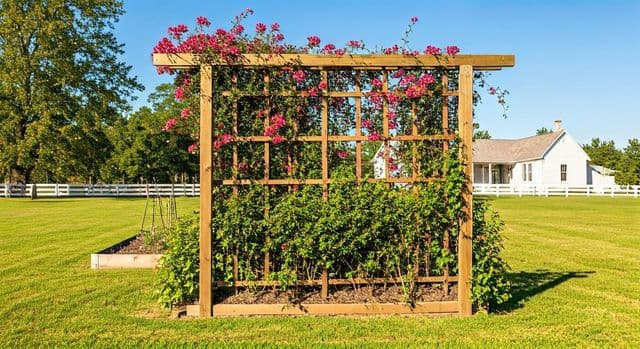
Quickly cover unsightly areas in USDA Zone 6. Learn to choose between fast-growing annual vines and long-lasting perennial climbers for your homestead. Get tips on planting & care.
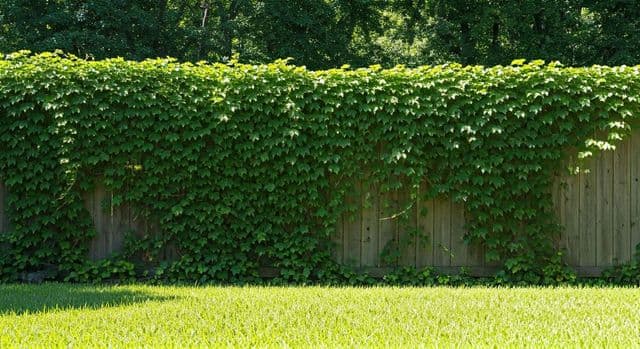
Discover the best fast-growing evergreen vines to create a dense 30-foot privacy screen in USDA Zone 8 within three years. Learn species, planting, and care tips.
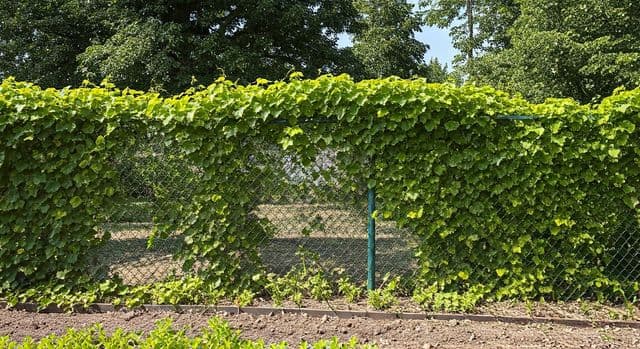
Twelve fast-growing vines can cover a chain-link fence in USDA zones 4-9 within one season, providing privacy and reducing noise along property lines.

How fast-spreading groundcovers can reduce runoff by 30% and prevent erosion on slopes across US regions, including plant selection and establishment methods.
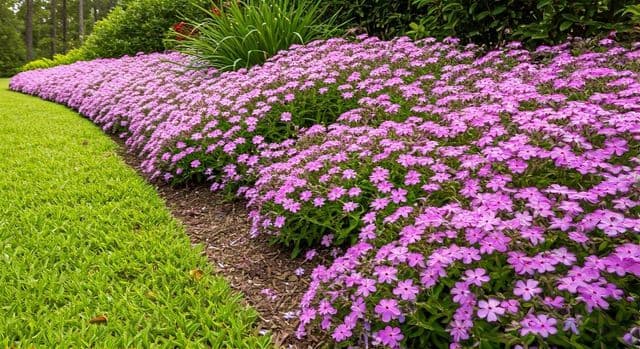
Discover the best weed-smothering groundcovers for challenging clay soil in the Southeast US. Reduce weeding with plants like Creeping Phlox, Sedum, and Liriope, improving soil health.
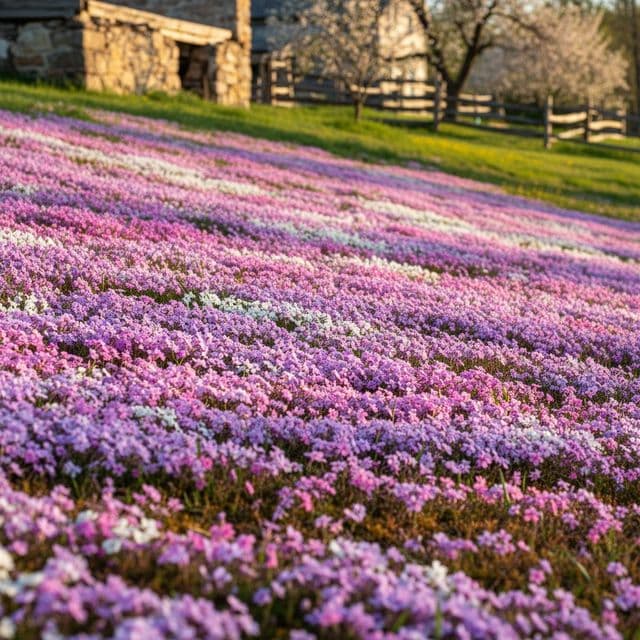
Discover how native groundcovers reduce weeds significantly in Northeast, Southeast, Midwest, and Pacific Northwest US regions. Save labor & boost yields with these low-maintenance plants.
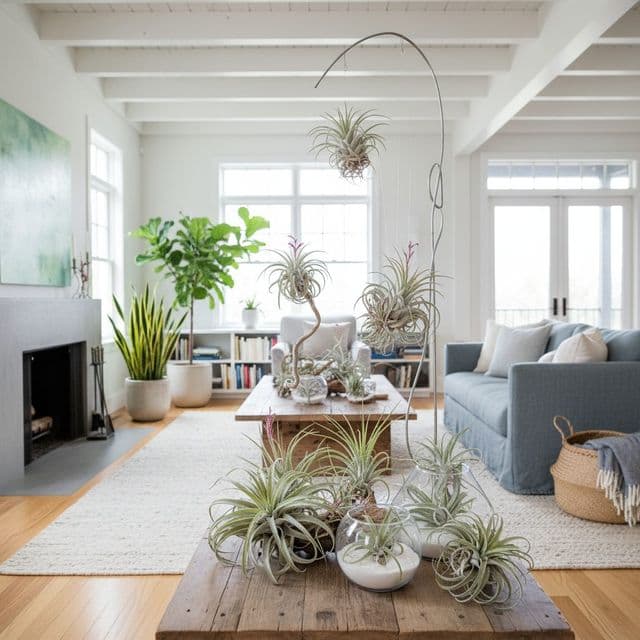
How to encourage air plant blooms and pups in your US home, covering light, watering, and nutrition for healthy Tillandsia flowers and new plant growth.
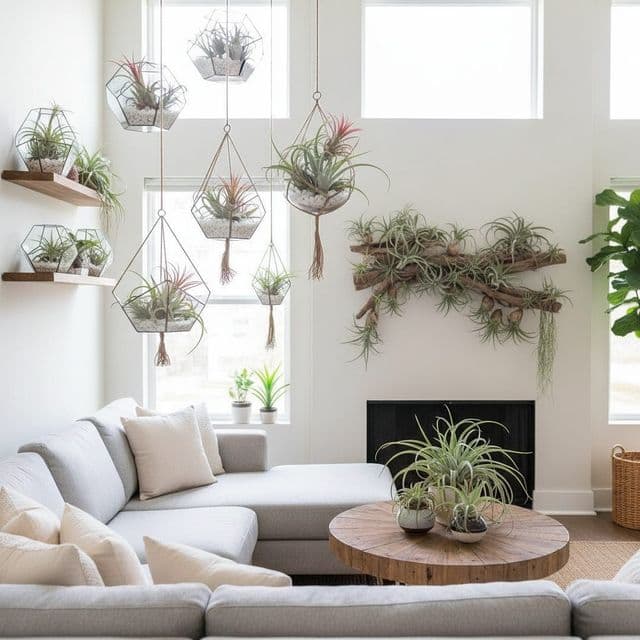
Creative air plant displays for your US home or apartment. Learn about ideal humidity (50-70%), proper watering, mounting, and open terrarium designs for Tillandsia.
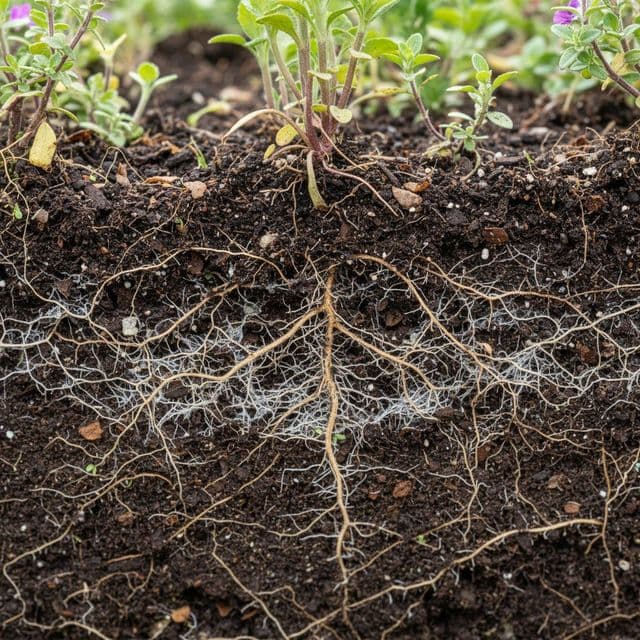
Learn air plant care for US homes, covering soaking, light, and air circulation to keep Tillandsia healthy and prevent rot.
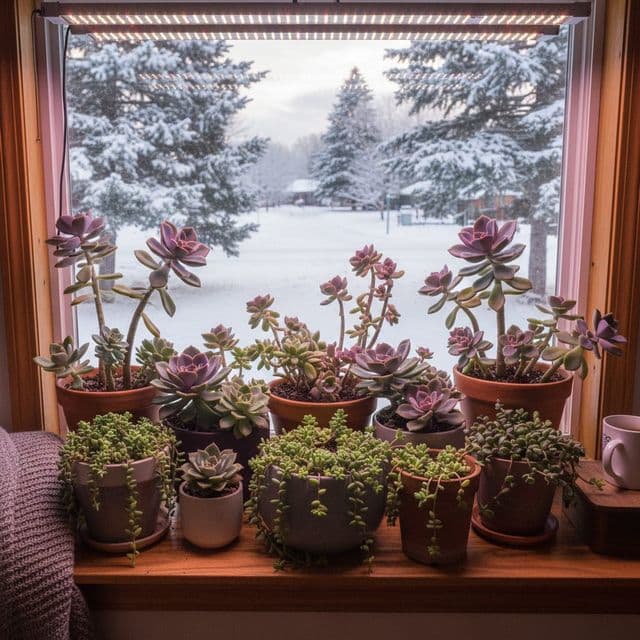
Learn how to successfully overwinter tender succulents indoors in USDA Zone 6. Discover essential tips for light, temperature, watering, and pest management to keep plants thriving.
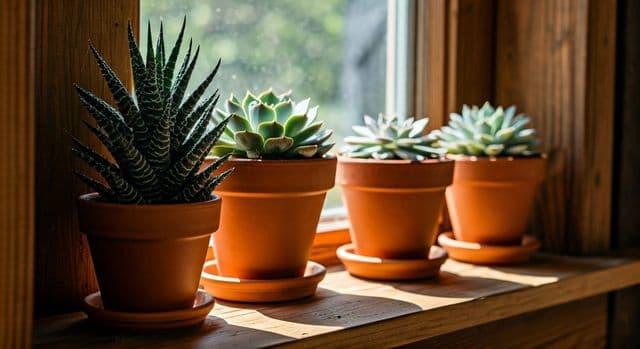
Learn the soak-and-dry method for watering indoor succulents to prevent root rot and maintain healthy plants in US homes.
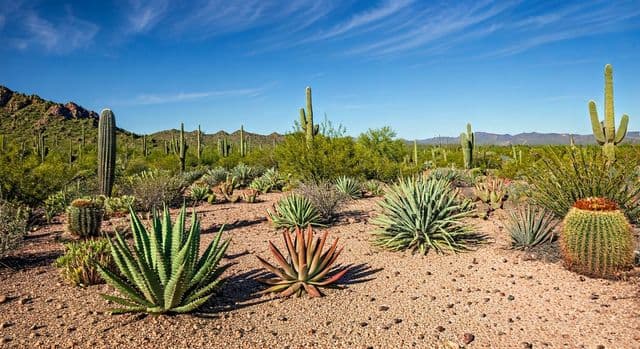
Discover the ideal gritty succulent soil mix for thriving succulents & cacti in USDA Zone 8. Learn why regular potting soil causes root rot and how to choose the right components for healthy plants.
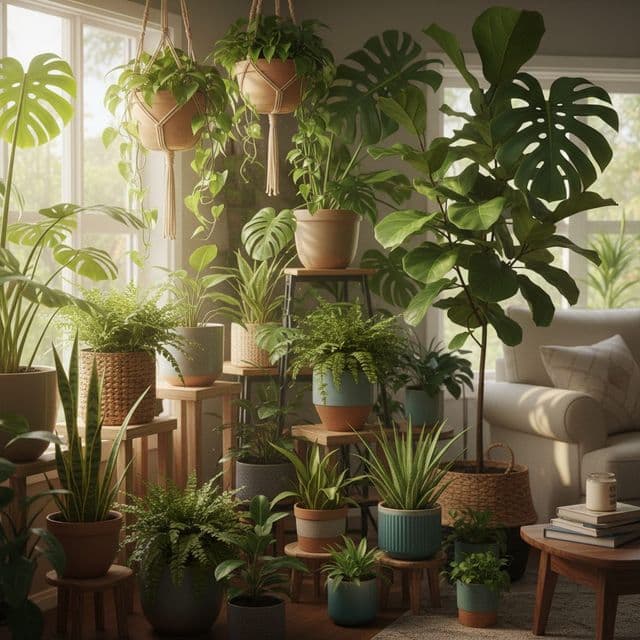
Discover how grouping houseplants can naturally raise indoor humidity by 5-10%, creating a healthier microclimate for tropical plants in US homes. Learn tips for optimal plant care.
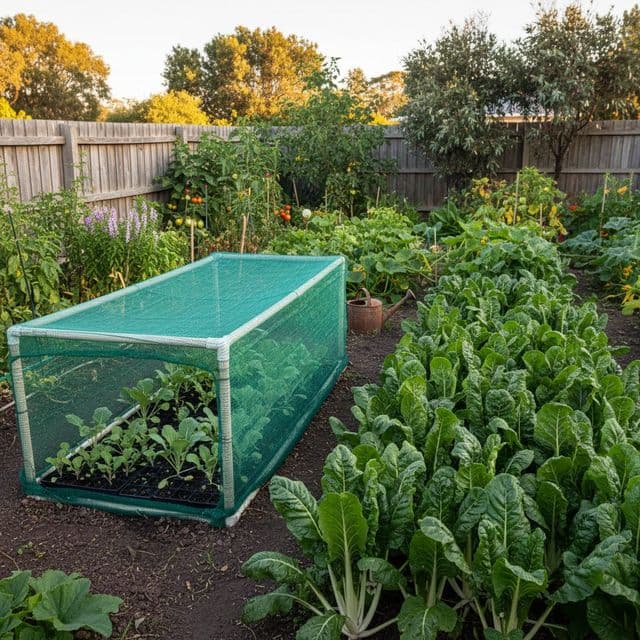
Discover the best plant room humidifiers and optimal placement to maintain 50-70% humidity for thriving houseplants. Prevent dry air stress, pests, and mold with our expert guide.