Foraging North American wild edibles: regional guide
A regional guide to foraging North American wild edibles, covering edible flowers and tree foods across US zones with identification tips and sustainable harvesting practices.
Tag
478 articles in this tag on agripure. — page 1 of 20
A regional guide to foraging North American wild edibles, covering edible flowers and tree foods across US zones with identification tips and sustainable harvesting practices.
How to identify poisonous plants and toxic look-alikes across US regions: distinguishing features of wild carrots, hemlock, death camas, and emergency response steps.
Learn essential safe foraging practices for wild edibles in North America. This guide covers identification, avoiding toxic look-alikes, and best practices for harvesting.
Discover how to identify, harvest, and prepare edible wild greens like stinging nettle and mallow across US regions. Learn safe foraging practices and nutritional benefits.
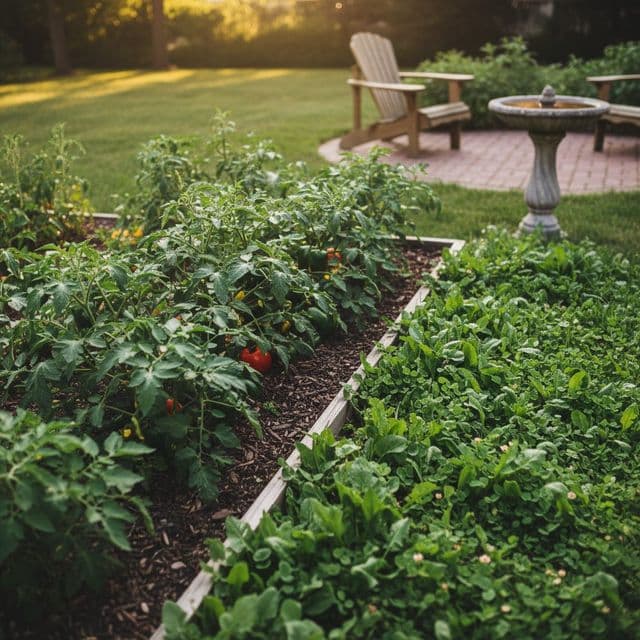
Discover safe edible backyard weeds across US regions. Learn to identify common wild edibles like dandelion & lamb’s quarters for beginners. Forage safely!
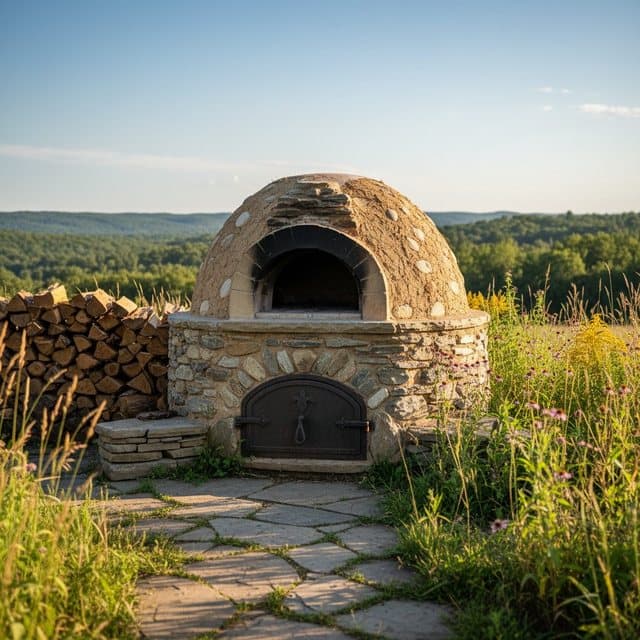
How to build durable, low-cost wood-fired earth ovens that reduce cooking fuel costs by 25-35% and support off-grid self-sufficiency with natural materials.
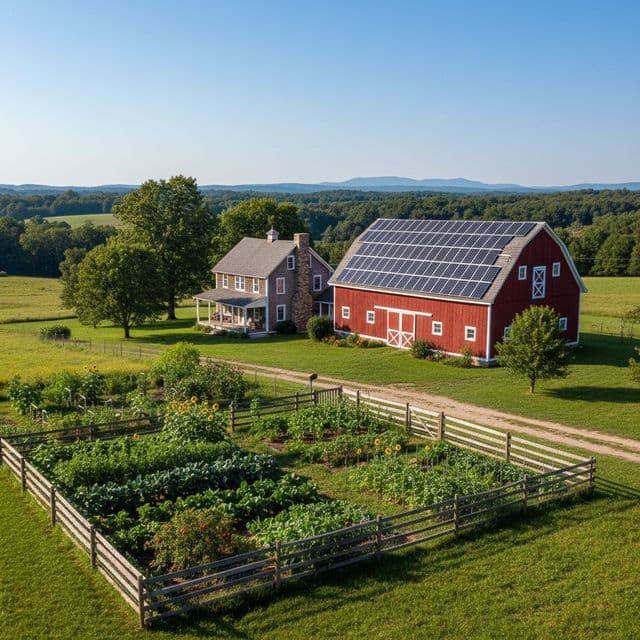
Achieve energy independence on your homestead with off-grid solar & battery systems. Learn about sizing, LiFePO4 batteries, and cost savings for reliable power in USDA Zone 6.
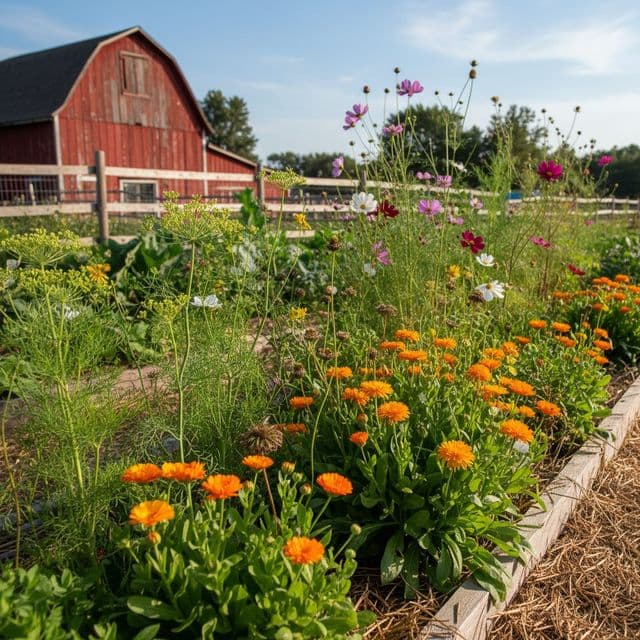
Self-seeding flowers, herbs, and vegetables for USDA zones 4-9 that drop viable seed and return reliably each year with minimal replanting.
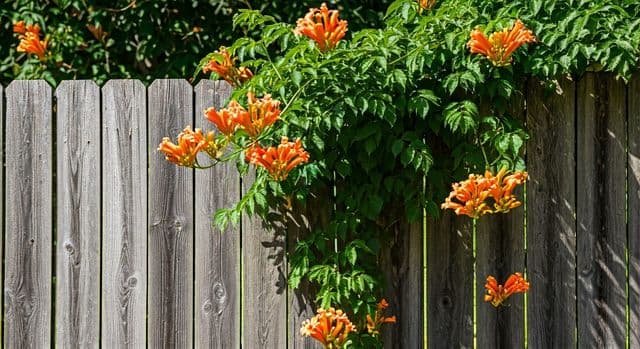
Fast-growing vines for USDA Zone 7 that provide screening and cover in a single season, with selection and care guidance.
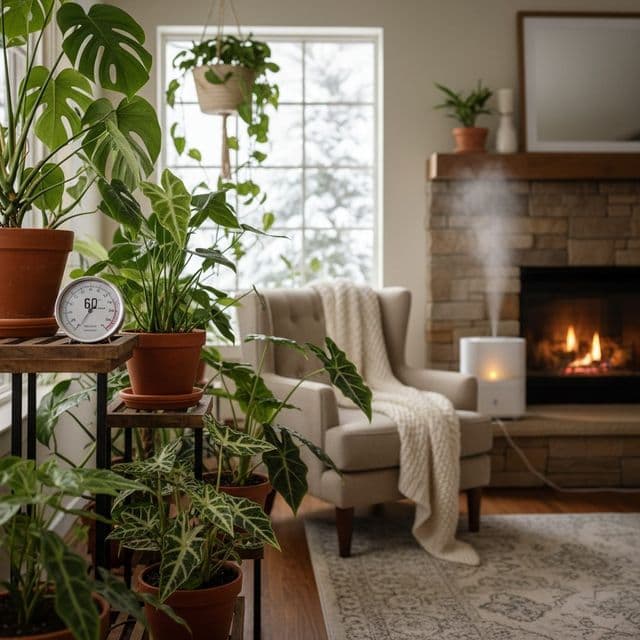
Combat dry US winter air to keep tropical houseplants thriving. Learn to monitor humidity, boost levels with pebble trays & humidifiers, and protect plants from pests.
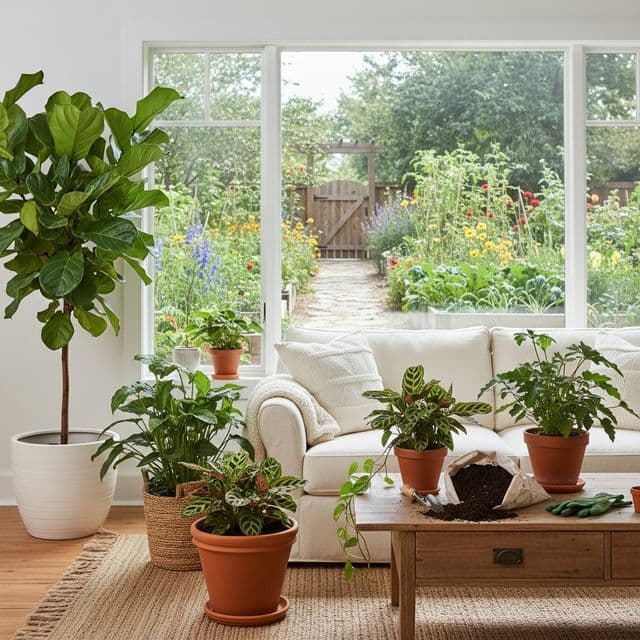
Master houseplant repotting with this guide. Learn timing, soil mix, and root-bound signs for thriving indoor plants. Prevent issues and ensure healthy growth.
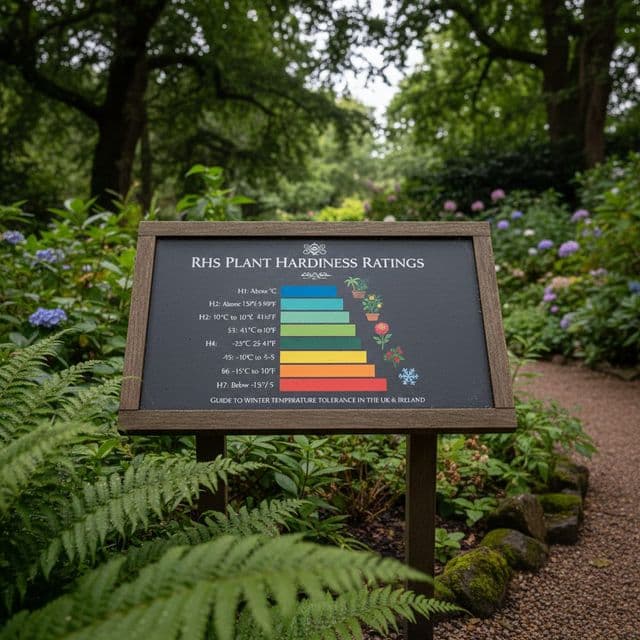
Set up backyard tilapia aquaponics with optimal water conditions, rapid growth (1.5 lbs in 6-9 months), and efficient water use for fish and vegetables.
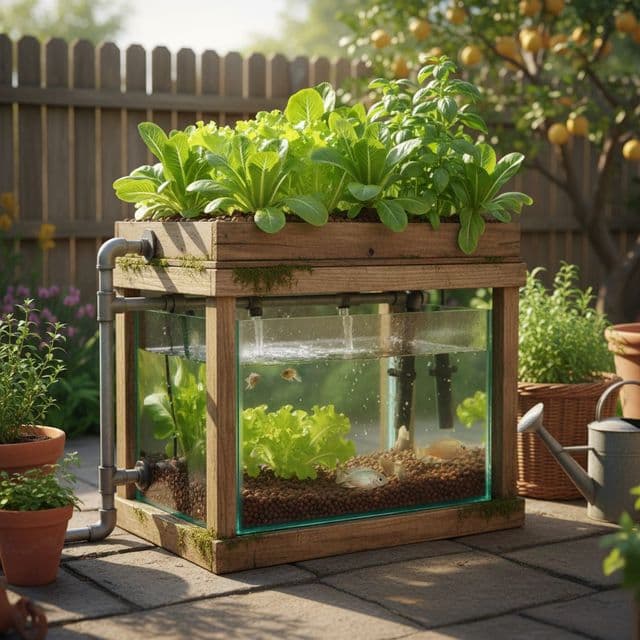
Learn to grow 15 lbs of tilapia and 20-30 lbs of lettuce annually in a 50-gallon home aquaponics system. Discover setup, nitrogen cycle, and plant/fish choices for efficient food production.
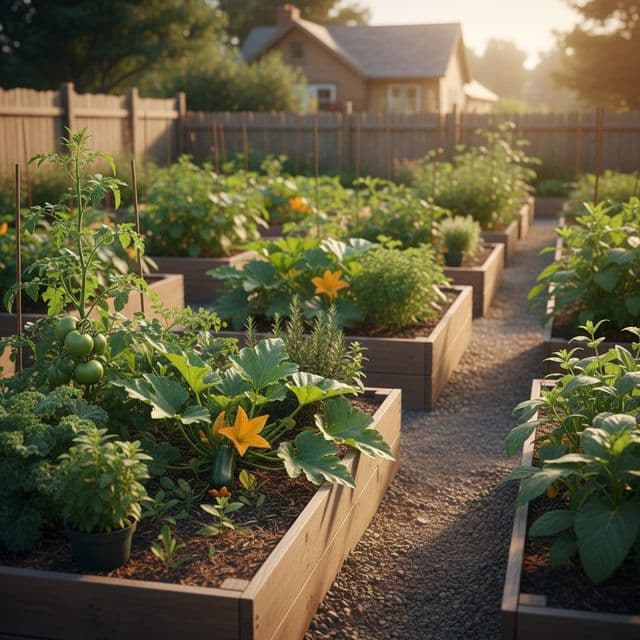
Master hydroponic reservoir cooling in extreme heat like Arizona’s Sonoran Desert. Learn passive & active strategies to keep water below 75°F for optimal plant health.
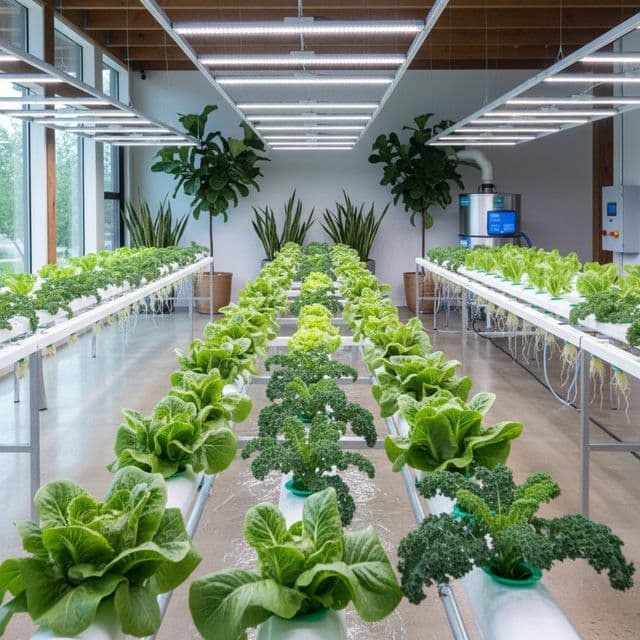
Grow year-round fresh lettuce and greens indoors in USDA Zone 5 with hydroponics. Learn system types, environmental controls, and benefits like 90% less water.
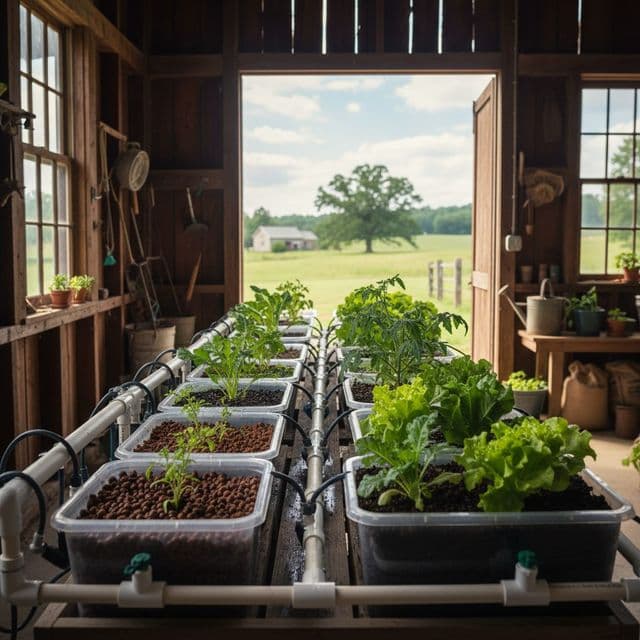
Comparing perlite, LECA, rockwool, and coco coir for hydroponic systems in USDA Zone 7 to balance aeration, water retention, and reusability.
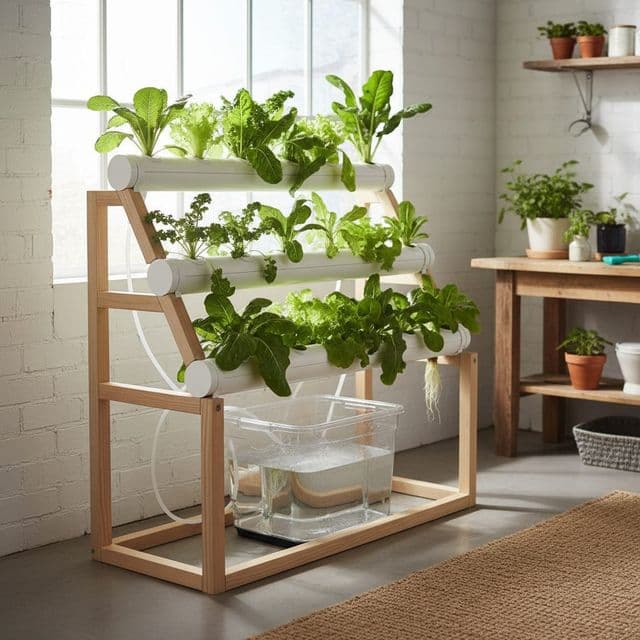
Learn to build and run a Nutrient Film Technique (NFT) hydroponic system at home. Achieve 20% faster lettuce growth and save up to 90% water with this efficient recirculating method.
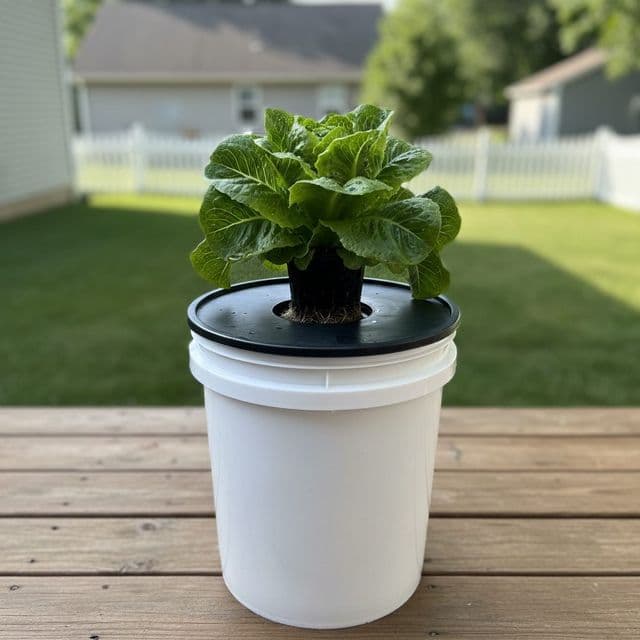
Discover the simple Kratky hydroponics method to grow fresh lettuce in a 5-gallon bucket. This passive, low-cost system uses 90% less water, perfect for beginners in USDA Zone 7.
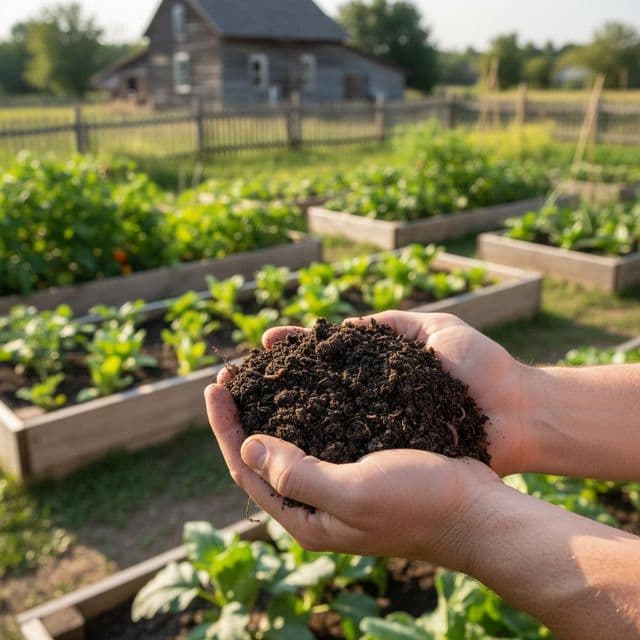
Learn DIY garden soil testing for texture, pH, and drainage, then match your amendments to what the tests actually show. Essential for Zone 6.
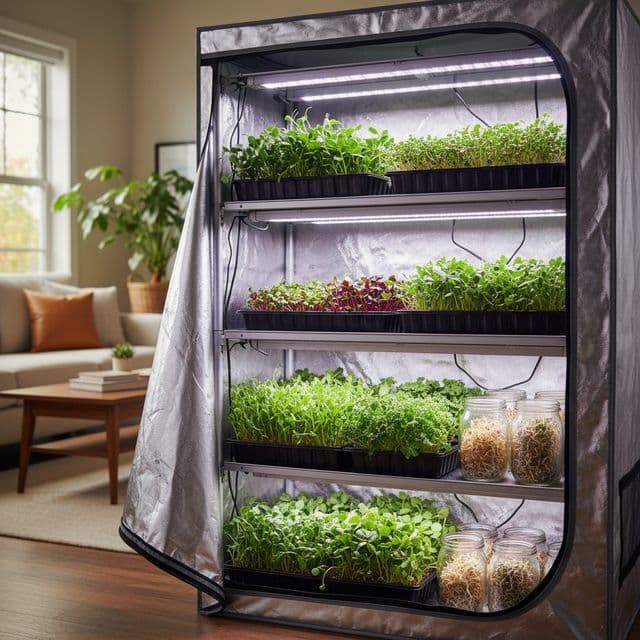
Learn how to grow nutrient-dense microgreens and sprouts indoors year-round, regardless of your US climate. This guide covers setup, cultivation, and harvest for fresh produce.
Learn to grow valerian and passionflower for natural sleep support in USDA zones 4-9. This guide covers planting, care, harvesting, and drying for your home apothecary.
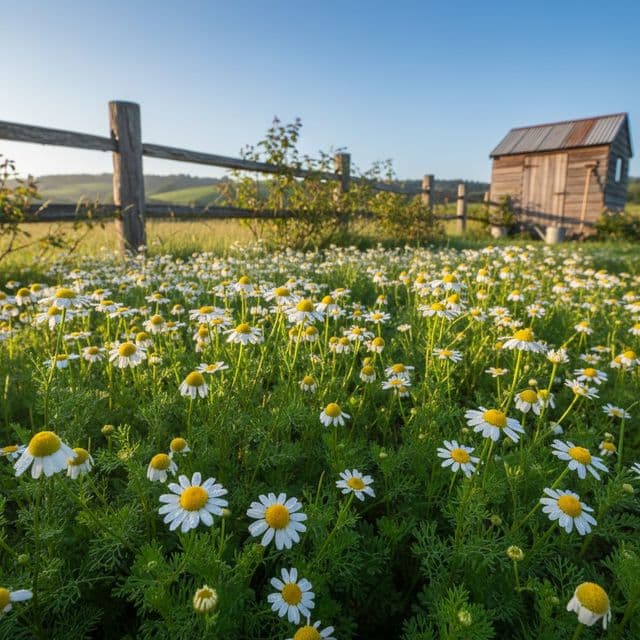
Learn to grow German and Roman chamomile for your home apothecary. This guide covers cultivation, USDA zones 2-9, harvesting, and drying for teas and tinctures.
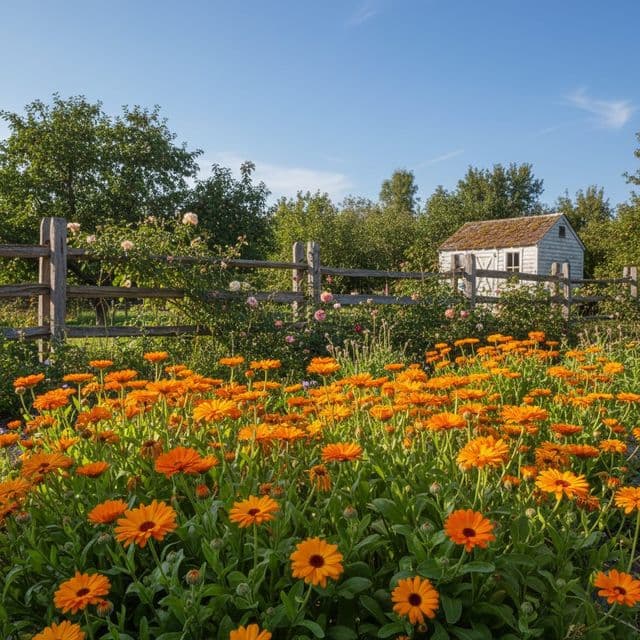
How to grow calendula, the adaptable ‘pot marigold,’ for a home apothecary, covering planting tips, soil needs, and how to harvest this medicinal skin-soothing flower.
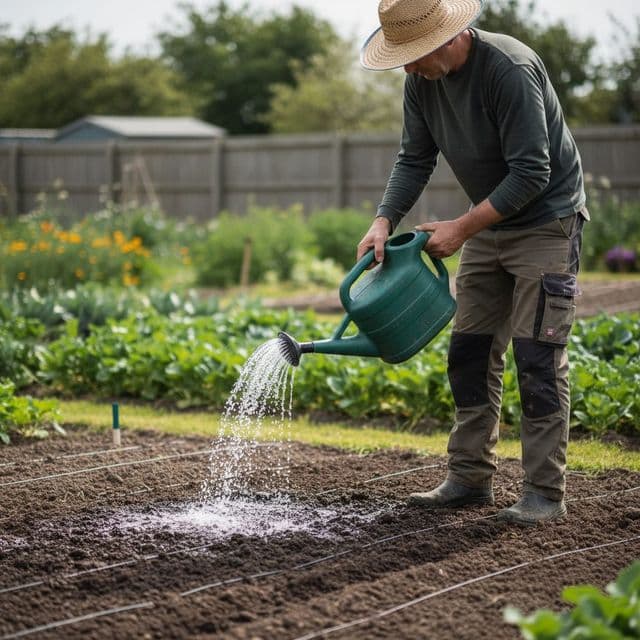
Learn to grow aloe vera for your home apothecary, with care guidance for indoor and outdoor cultivation in US USDA zones 9-11, from soil and light to harvesting gel.