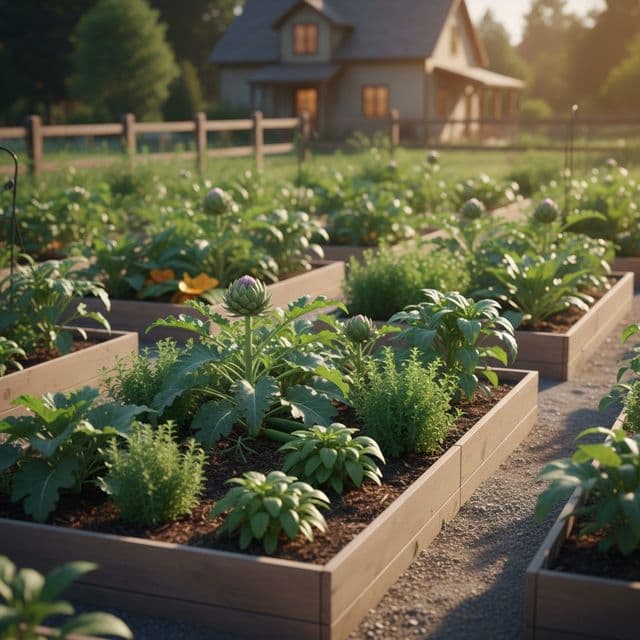
Foraging North American wild edibles: regional guide
A regional guide to foraging North American wild edibles, covering edible flowers and tree foods across US zones with identification tips and sustainable harvesting practices.
Topic
Permaculture covers the design principles that turn any patch of land into a self-maintaining growing system. Articles span food forests, no-dig beds, plant guilds, zone planning, and the practices that feed soil biology rather than bypass it — building fertility that compounds over time.
110 articles in this topic on agripure. — page 1 of 5
A regional guide to foraging North American wild edibles, covering edible flowers and tree foods across US zones with identification tips and sustainable harvesting practices.
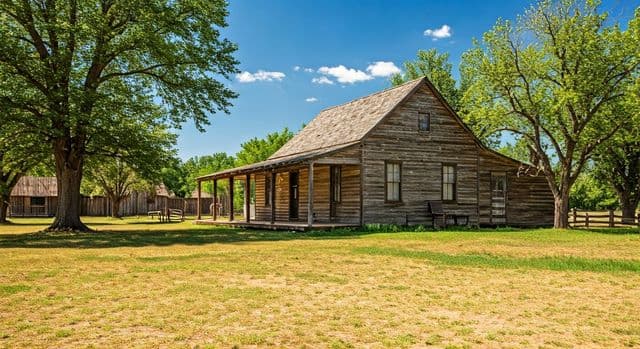
How to identify poisonous plants and toxic look-alikes across US regions: distinguishing features of wild carrots, hemlock, death camas, and emergency response steps.
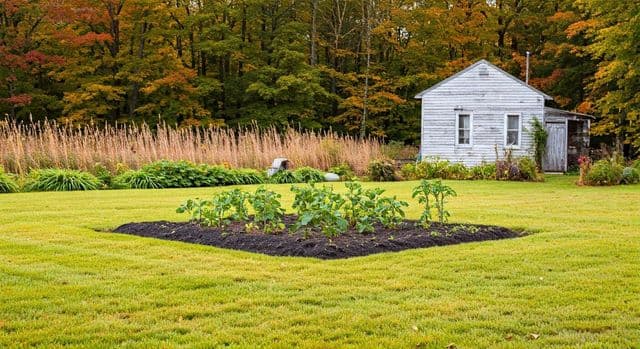
Learn essential safe foraging practices for wild edibles in North America. This guide covers identification, avoiding toxic look-alikes, and best practices for harvesting.
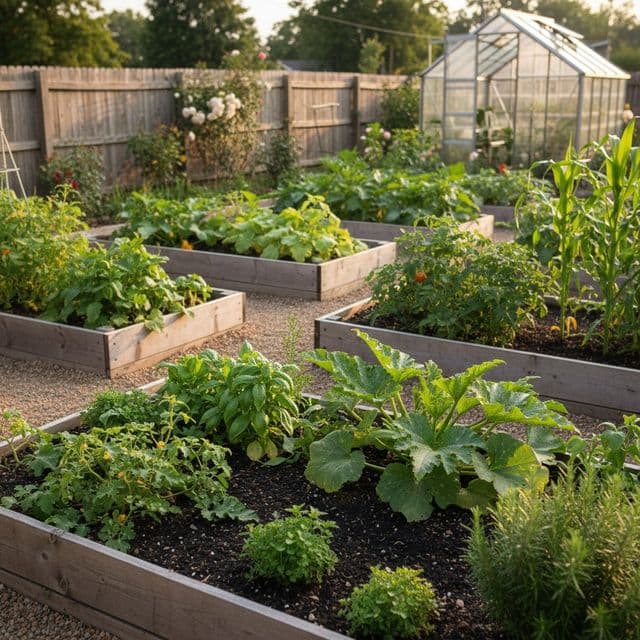
Discover how to identify, harvest, and prepare edible wild greens like stinging nettle and mallow across US regions. Learn safe foraging practices and nutritional benefits.
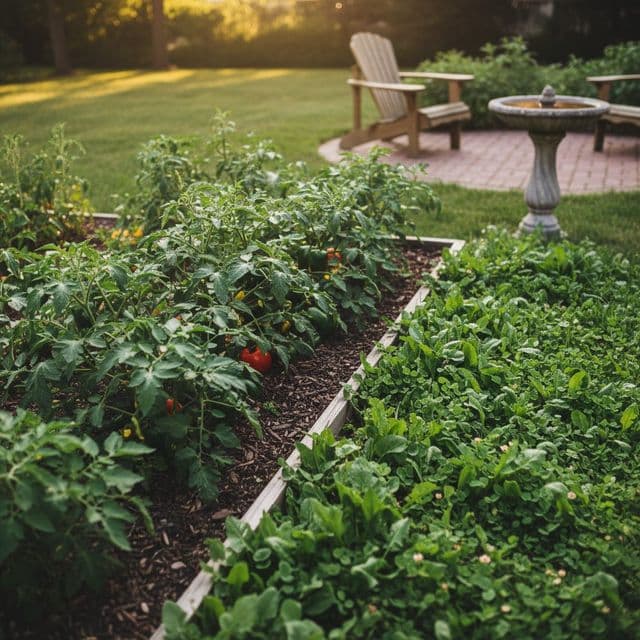
Discover safe edible backyard weeds across US regions. Learn to identify common wild edibles like dandelion & lamb’s quarters for beginners. Forage safely!
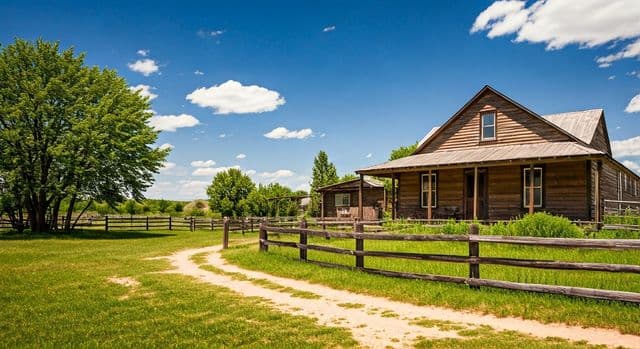
Discover the best plants for erosion control and slope stabilization in US Zone 6. Learn how root structures, site conditions, and bioengineering protect your land effectively.
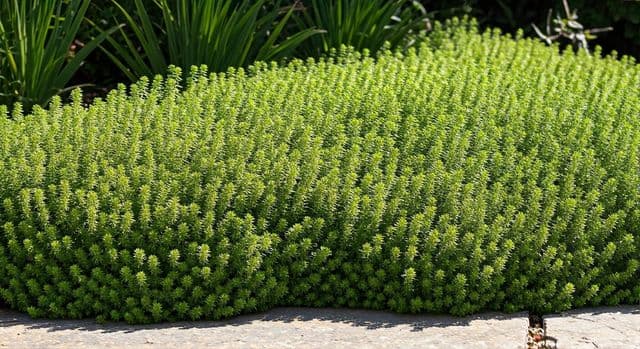
Discover effective USDA Zone 5 groundcovers that reduce weed emergence by up to 80%. Learn to select plants for your soil & light to create a low-maintenance, healthy garden.
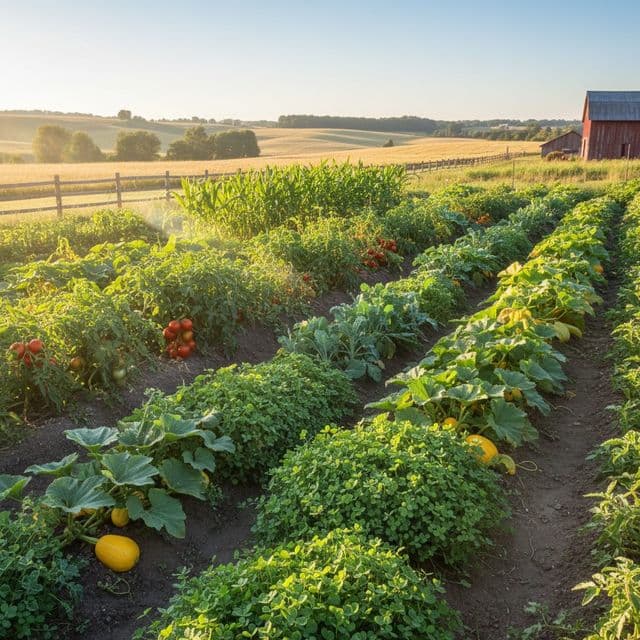
Enhance your USDA zone 6 garden’s soil with green manures and cover crops. Improve fertility, structure, and water retention using permaculture principles for a resilient garden.
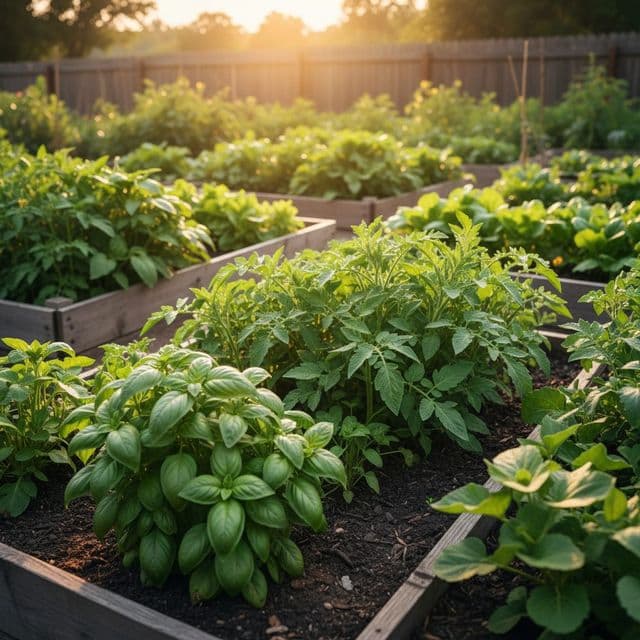
Discover how permaculture plant guilds create self-supporting ecosystems, reducing inputs and boosting productivity. Learn to design resilient guilds for your USDA Zone 6 homestead.
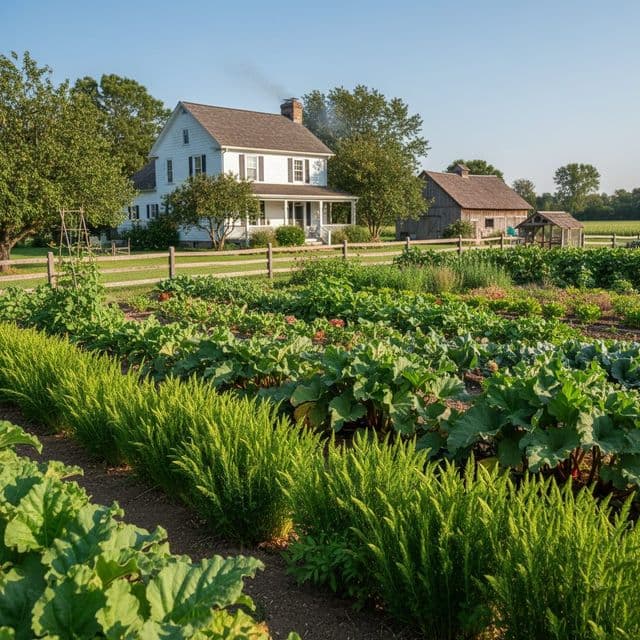
How to cultivate perennial vegetables for a low-maintenance garden, covering site prep, soil health, and top picks for long-term yields in USDA Zone 6 and beyond.
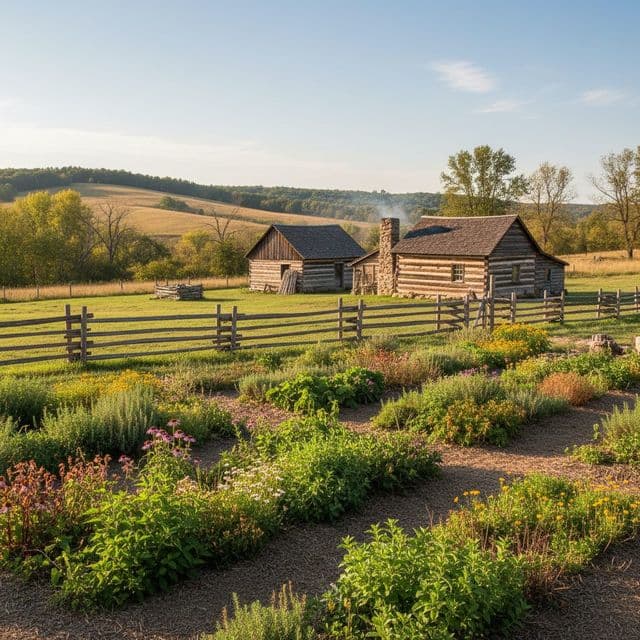
Cultivate a thriving medicinal herb garden in USDA Zones 3-5. Learn plant selection, soil management, and preservation for a home apothecary in cold climates.
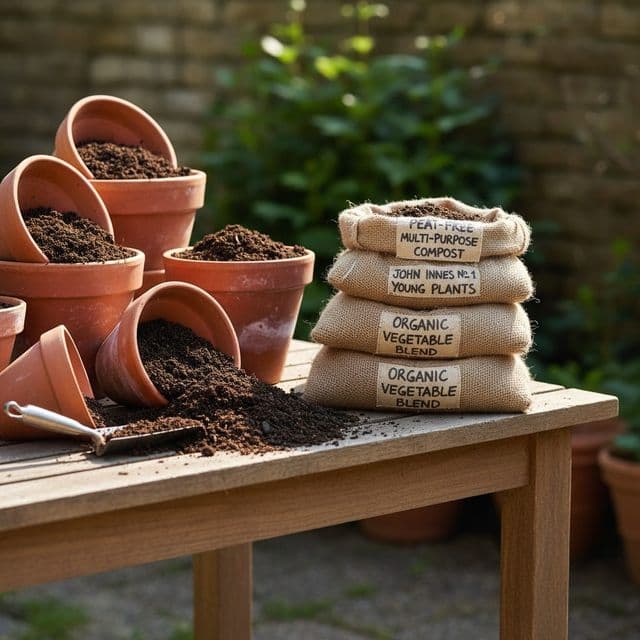
A guide to four-group crop rotation for USDA Zone 6 gardens, explaining how legumes, brassicas, alliums, and nightshades manage soil nutrients and reduce pests.
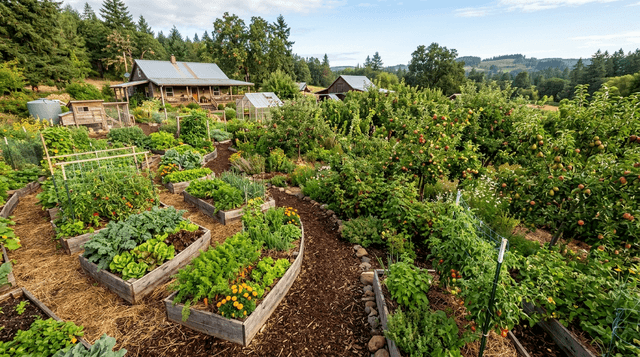
The three permaculture ethics (earth care, people care, and fair share) provide the moral boundaries for ecological design, balancing living systems, human needs, and resource redistribution.
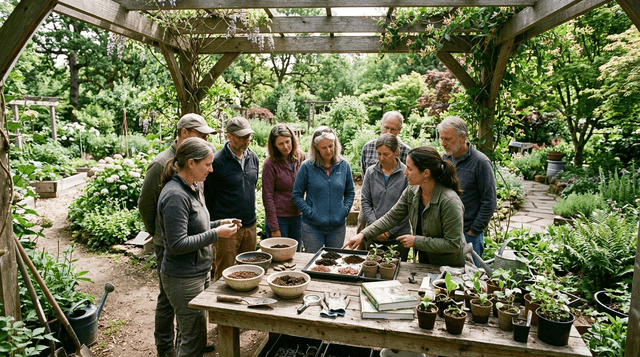
The Permaculture Design Certificate (PDC) is a standard 72-hour design-thinking course covering ecological land assessment, water systems, soil regeneration, and integrated site design.
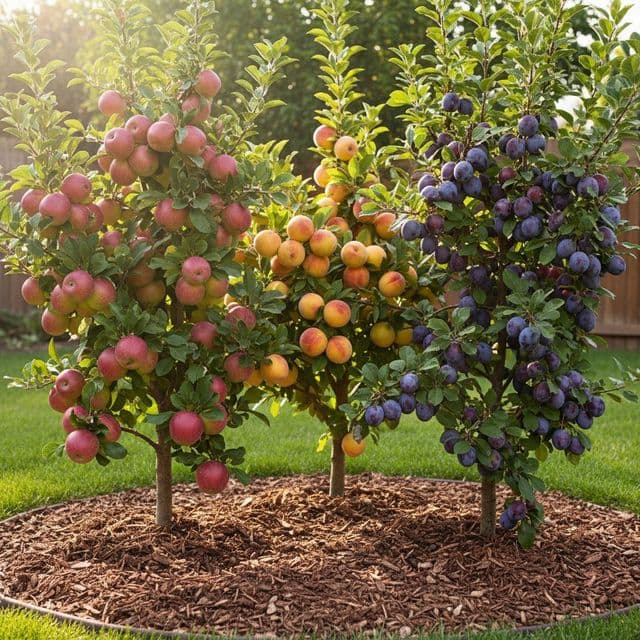
Planting 2-4 fruit trees in one hole extends the harvest by weeks and saves space in small backyards.
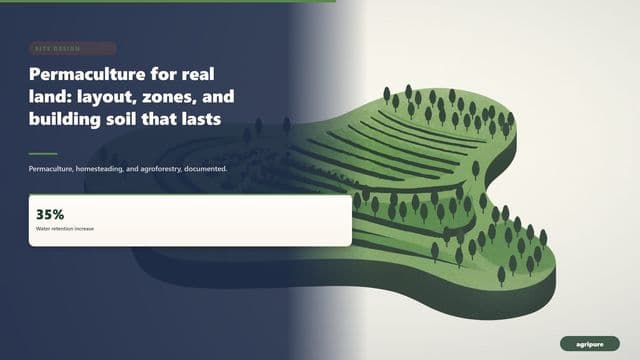
How permaculture zone analysis, contour swales, sheet mulching, and plant guilds build water retention and living soil on temperate North American homesteads.
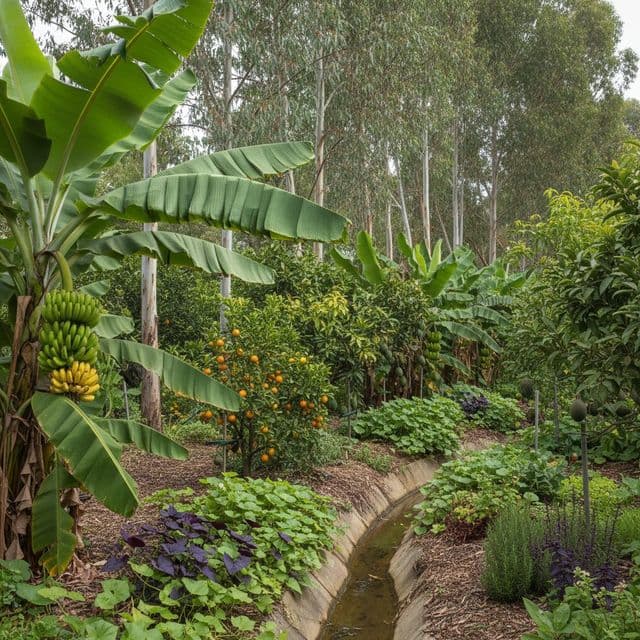
Compare syntropic farming and permaculture across design philosophy, pruning intensity, succession mechanics, spatial stratification, and land integration.
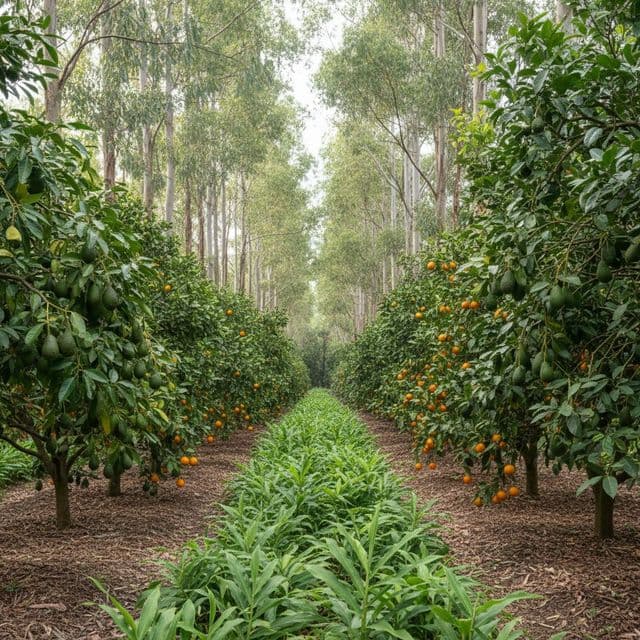
Syntropic farming layers organize crops into emergent, high, medium, and low strata to optimize photosynthesis and biomass production in dense agroforests.
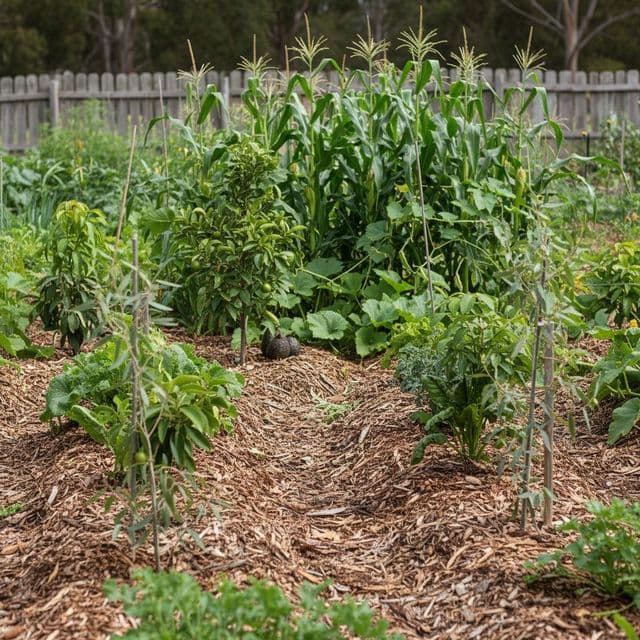
Learn how to start syntropic farming for beginners on a small scale, mastering Ernst Götsch stratification, succession planting, and chop-and-drop pruning.
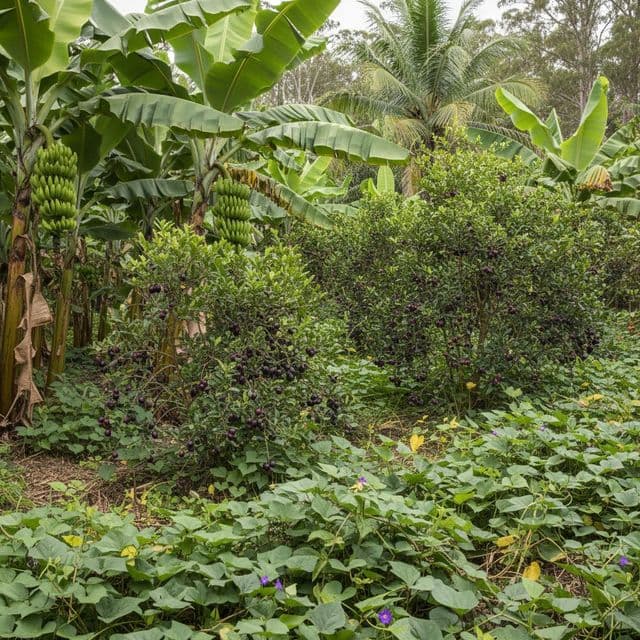
Design a high-yield subtropical food forest in Australia with multi-layered canopies, nitrogen-fixing pioneer species, and hardy perennial food crops.
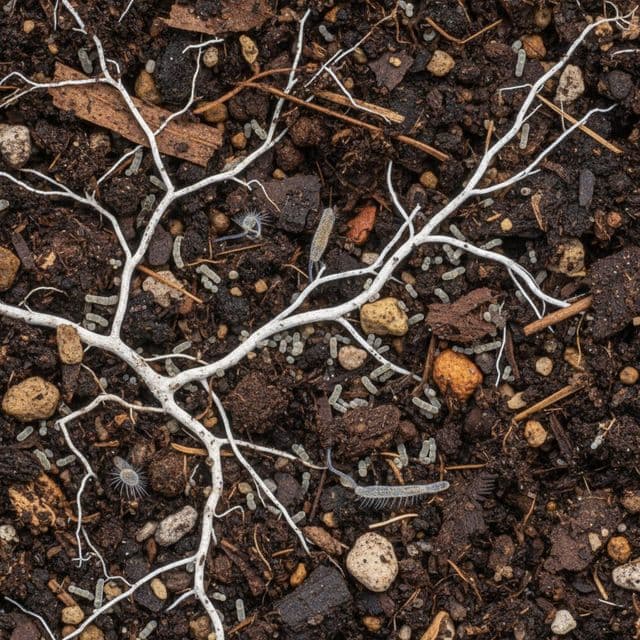
The soil food web is the underground biological community that cycles nutrients, improves soil structure, and suppresses plant disease naturally.
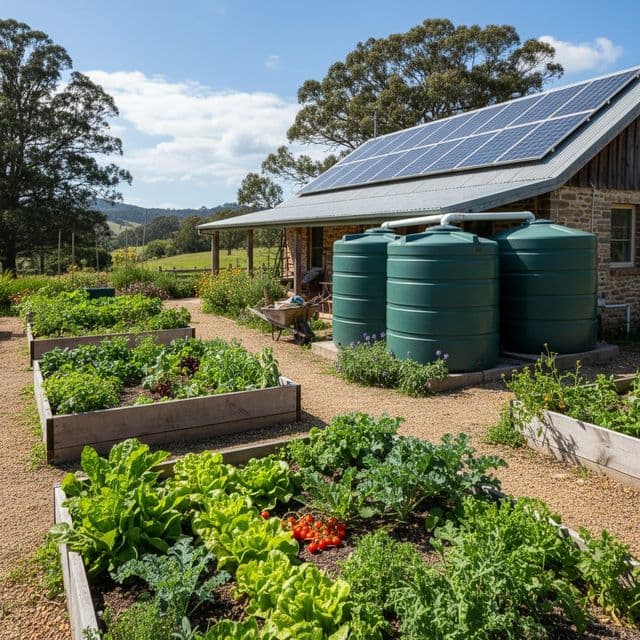
Learn how to build self-sufficient living systems: kitchen food production, rainwater catchment, passive energy, waste cycling, and practical domestic skills.
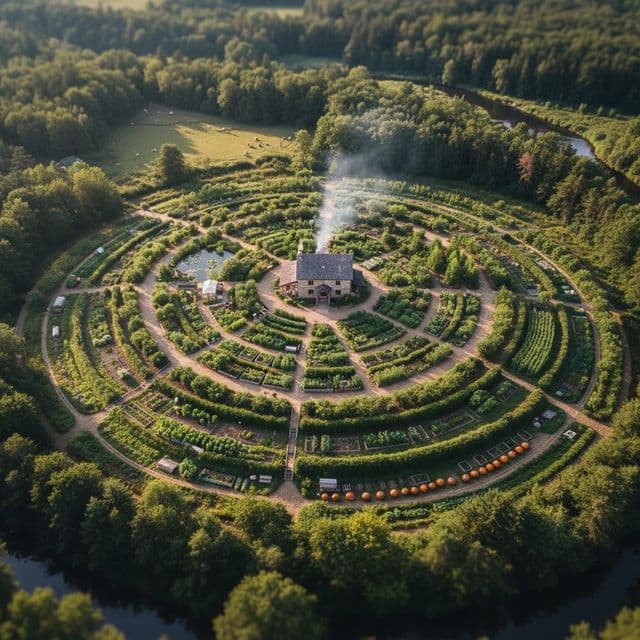
Permaculture zones organize your land by frequency of use, placing high-maintenance elements close to the home to save daily labor and boost productivity.
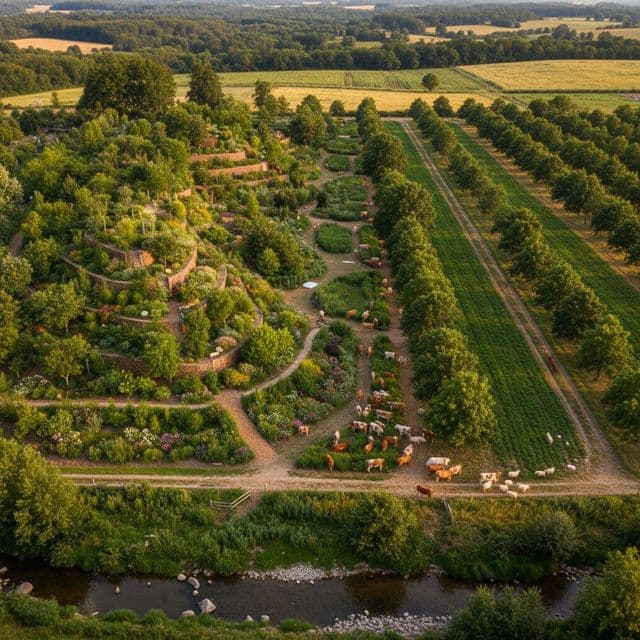
Compare permaculture and agroforestry, analyzing broad holistic design ethics against applied agricultural tree-crop science for sustainable land stewardship.