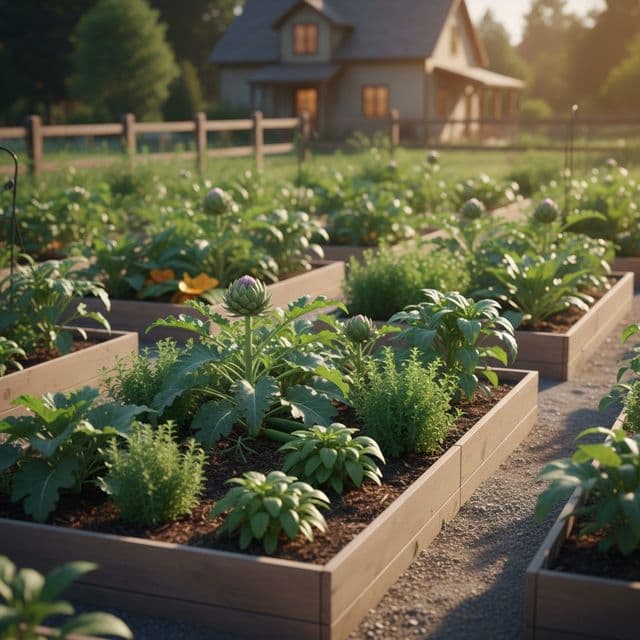
Foraging North American wild edibles: regional guide
A regional guide to foraging North American wild edibles, covering edible flowers and tree foods across US zones with identification tips and sustainable harvesting practices.
Topic
Homestead skills addresses the hands-on kitchen and preservation work that turns raw harvests into food that lasts — canning, fermenting, curing, drying, and baking from scratch. Each article builds a specific, teachable technique so readers leave with a process they can repeat, not just inspiration to try something someday.
146 articles in this topic on agripure. — page 1 of 7
A regional guide to foraging North American wild edibles, covering edible flowers and tree foods across US zones with identification tips and sustainable harvesting practices.
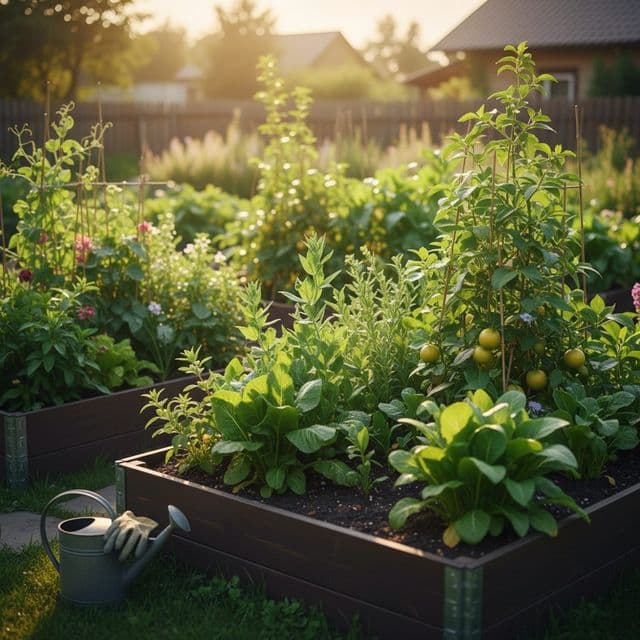
Discover how to safely forage US wild fruits and berries across different regions. Learn identification, sustainable harvesting, and nutritional benefits for a bountiful harvest.
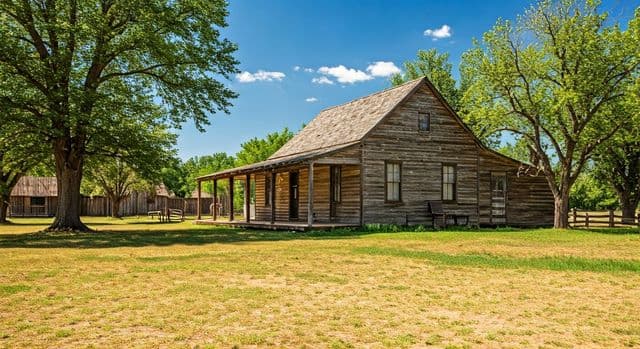
How to identify poisonous plants and toxic look-alikes across US regions: distinguishing features of wild carrots, hemlock, death camas, and emergency response steps.
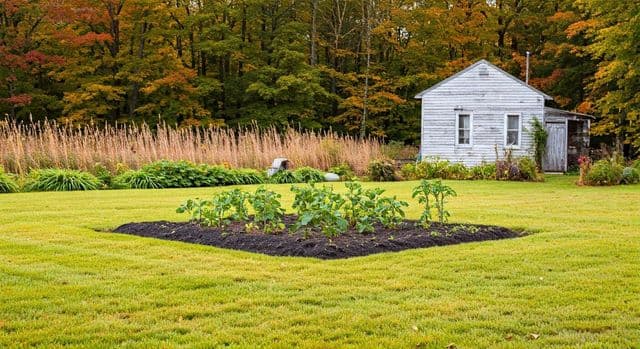
Learn essential safe foraging practices for wild edibles in North America. This guide covers identification, avoiding toxic look-alikes, and best practices for harvesting.
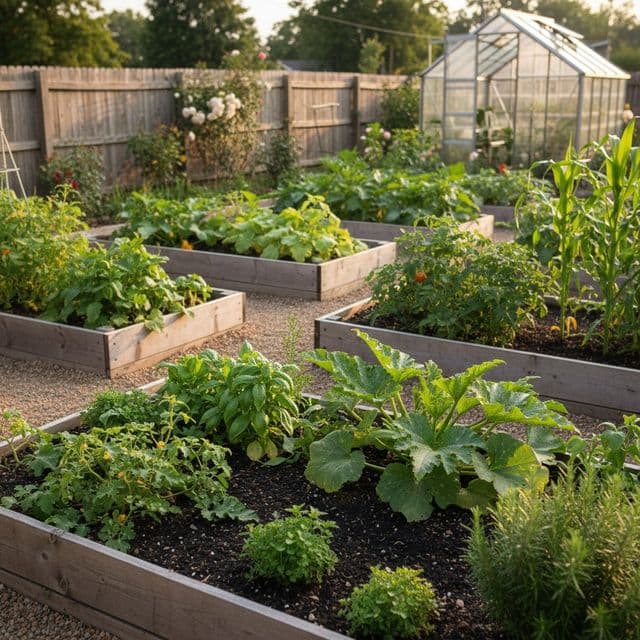
Discover how to identify, harvest, and prepare edible wild greens like stinging nettle and mallow across US regions. Learn safe foraging practices and nutritional benefits.
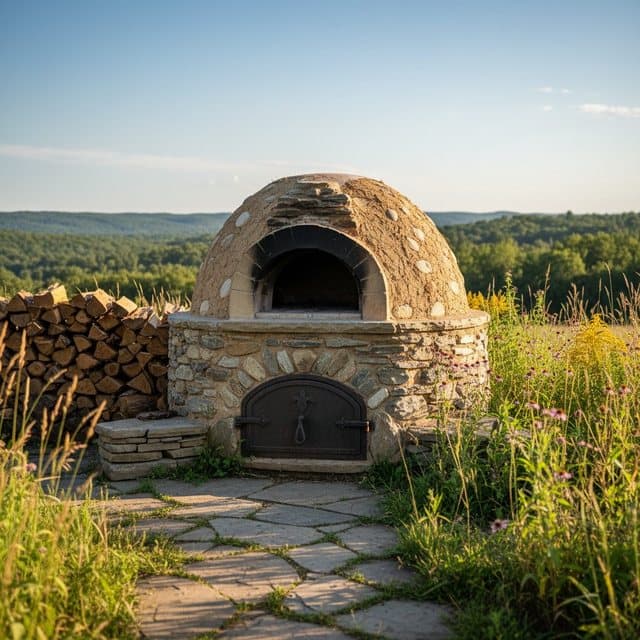
How to build durable, low-cost wood-fired earth ovens that reduce cooking fuel costs by 25-35% and support off-grid self-sufficiency with natural materials.
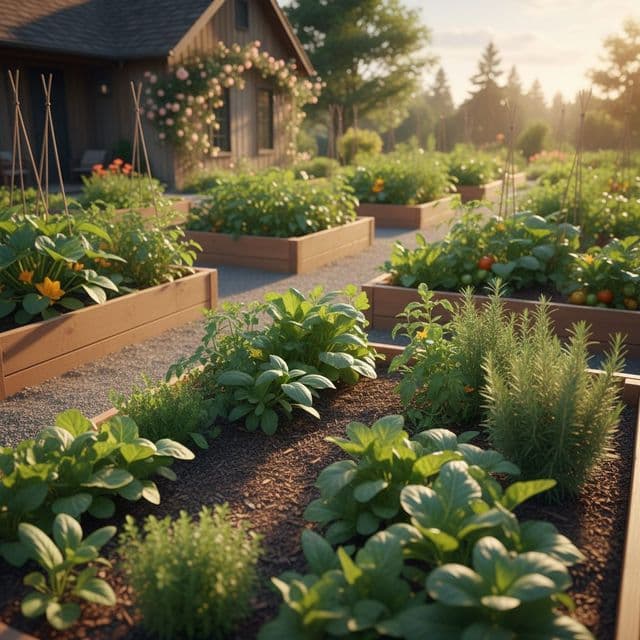
Explore durable, low-cost earth building methods like cob, earthbag, adobe, and rammed earth for your homestead. Learn how these natural techniques offer energy efficiency and resilience.
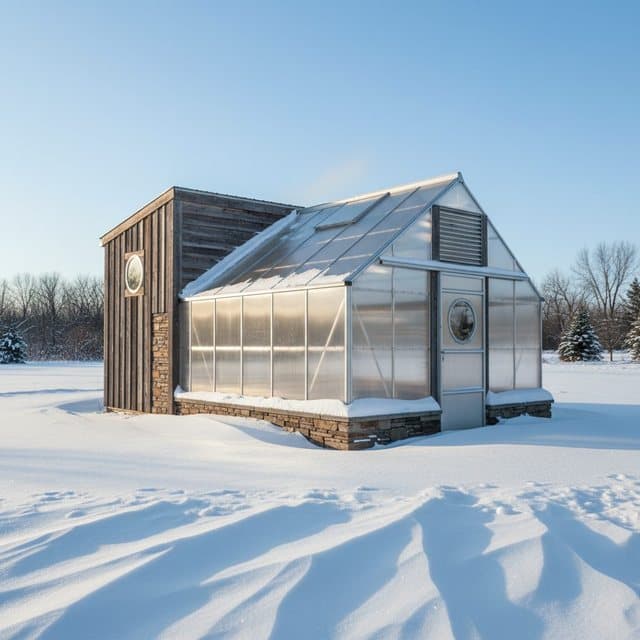
How to build a budget passive solar greenhouse in USDA Zone 5, using solar orientation, thermal mass, and insulation to extend the growing season by up to six months.
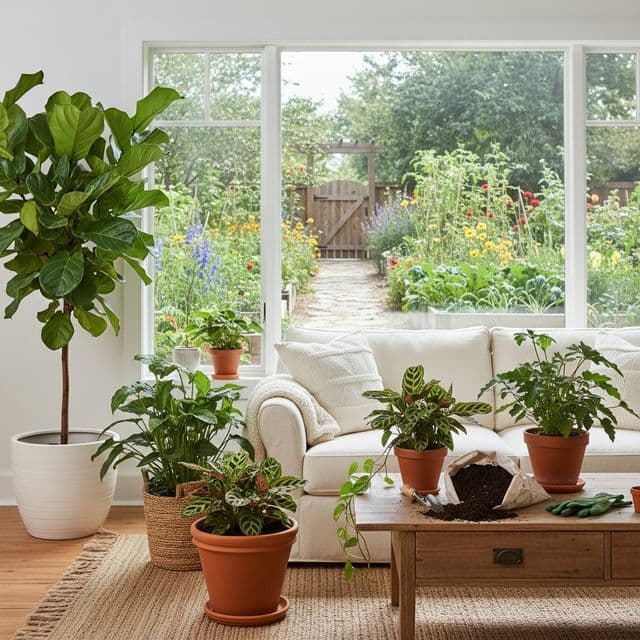
Master houseplant repotting with this guide. Learn timing, soil mix, and root-bound signs for thriving indoor plants. Prevent issues and ensure healthy growth.
Learn to grow valerian and passionflower for natural sleep support in USDA zones 4-9. This guide covers planting, care, harvesting, and drying for your home apothecary.
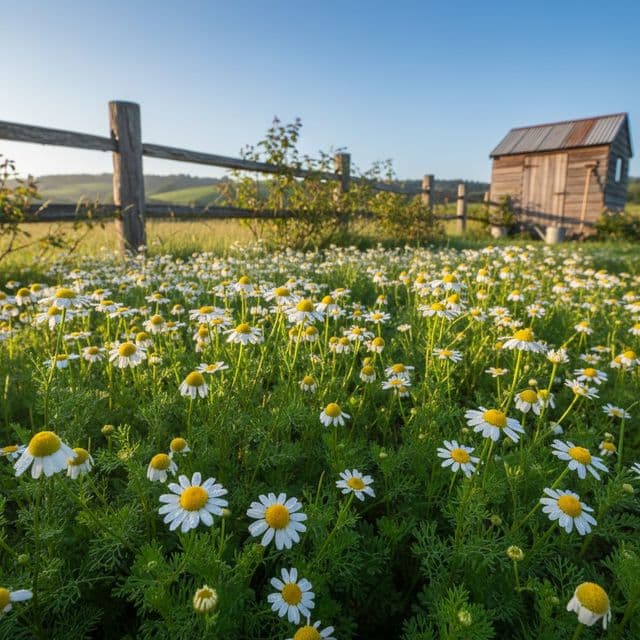
Learn to grow German and Roman chamomile for your home apothecary. This guide covers cultivation, USDA zones 2-9, harvesting, and drying for teas and tinctures.
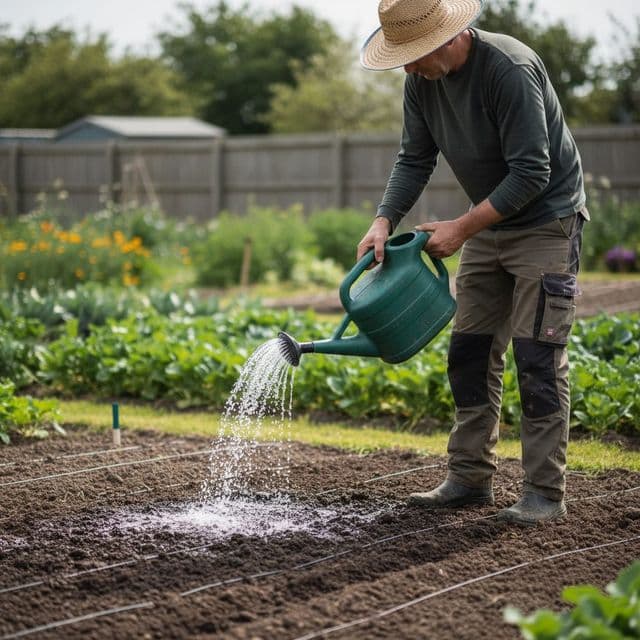
Learn to grow aloe vera for your home apothecary, with care guidance for indoor and outdoor cultivation in US USDA zones 9-11, from soil and light to harvesting gel.
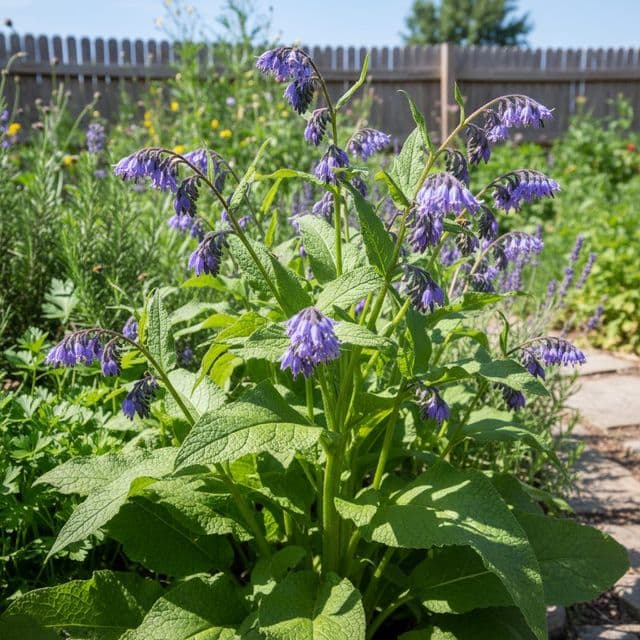
How to propagate comfrey from root cuttings to turn a single mature plant into new crowns for mulch and topical preparations.
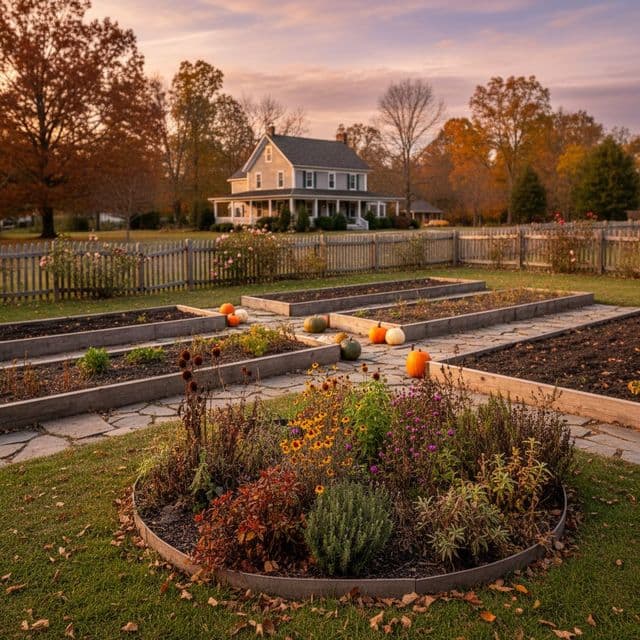
Learn to harvest and dry medicinal roots like echinacea, valerian, dandelion, and burdock in USDA Zone 6. Maximize potency, ensure proper storage, and build your home apothecary.
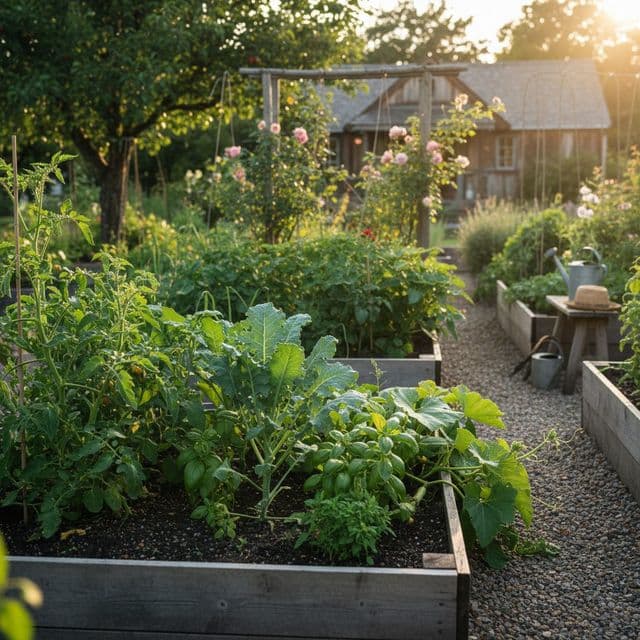
Maximize medicinal herb potency in your home apothecary. Learn optimal harvesting times for leaves, flowers, and roots in the US Midwest to boost active compounds by 15%.
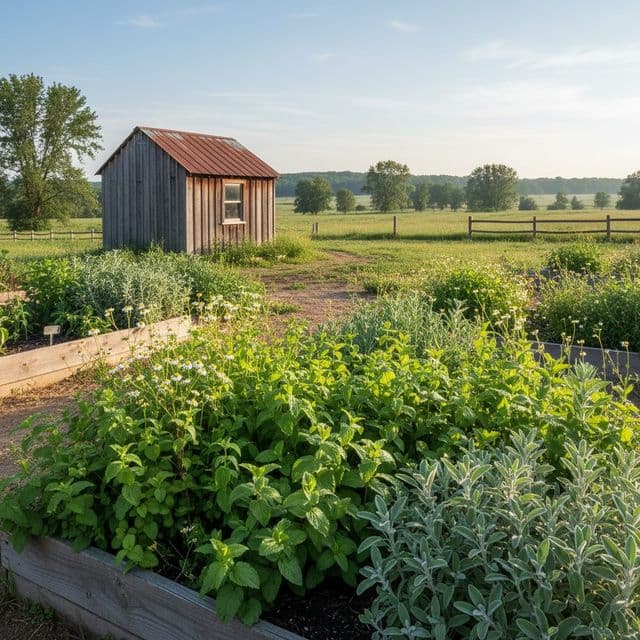
Learn to harvest, dry, and blend your own homemade loose-leaf tea. This guide covers herb selection for USDA zones 3-11, optimal harvesting, and drying techniques for fresh, custom blends.
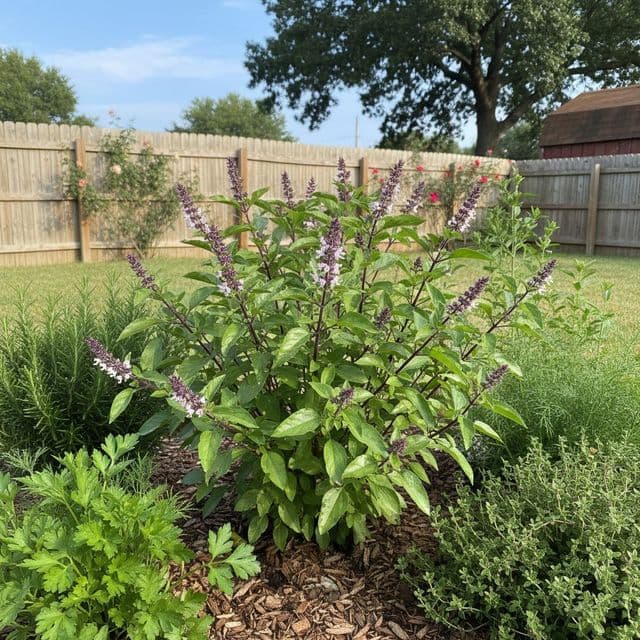
Learn to grow tulsi (holy basil) in your US garden, from seed to harvest. Discover how to dry and blend this adaptogenic herb for a daily wellness tea. Get practical tips for all climates.
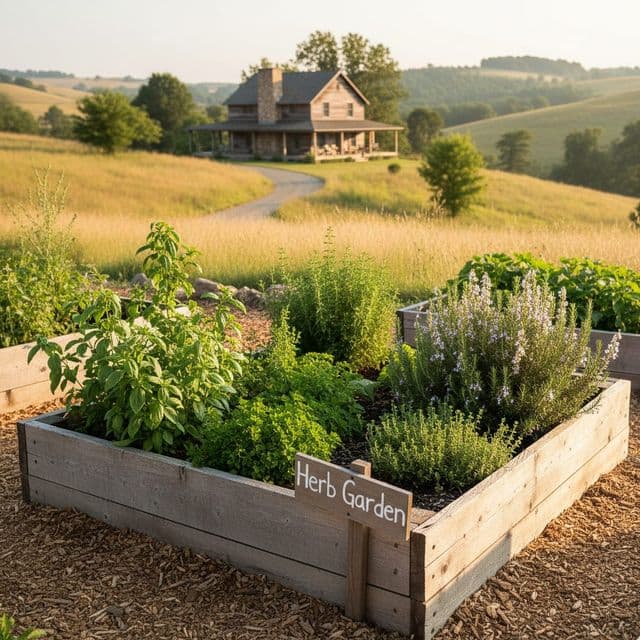
How to grow peppermint, fennel, ginger, and chamomile in USDA Zone 6 for a homemade digestive tea blend.
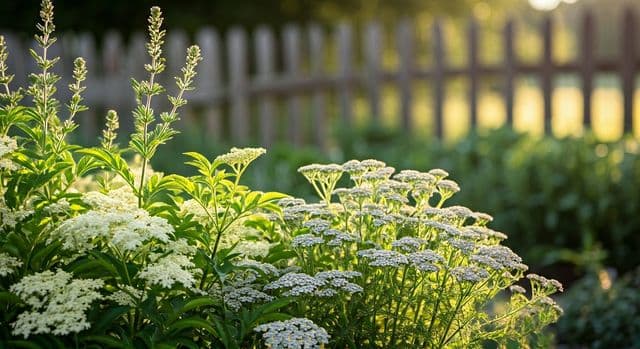
Learn to grow elderflower, yarrow, and peppermint in your USDA zone 6 medicinal herb garden. Discover cultivation, harvesting, and drying tips to craft a potent cold-and-flu tea.
Learn to formulate balanced herbal tea blends with a 3-part approach. Discover base, supporting, and accent herb ratios for gardeners in USDA Zone 6. Maximize potency and flavor.
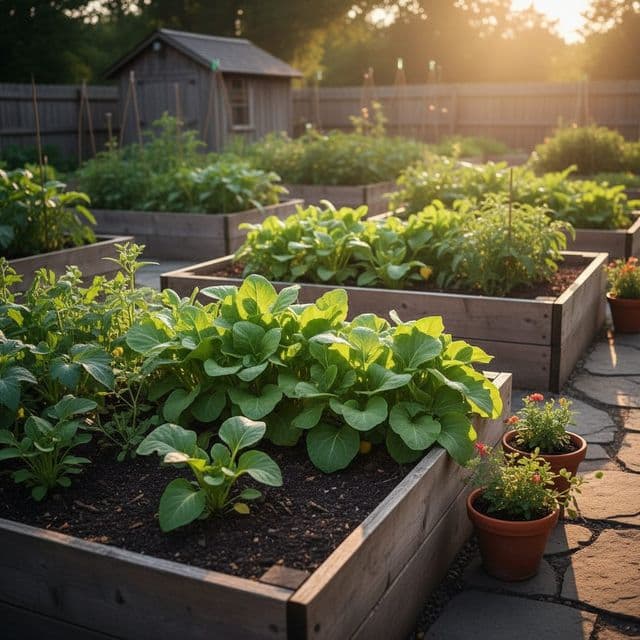
Learn to extend oxymel and shrub shelf life up to 18 months. Discover optimal ratios, straining, and storage tips for preserving medicinal herbs from your homestead garden in USDA Zone 6.
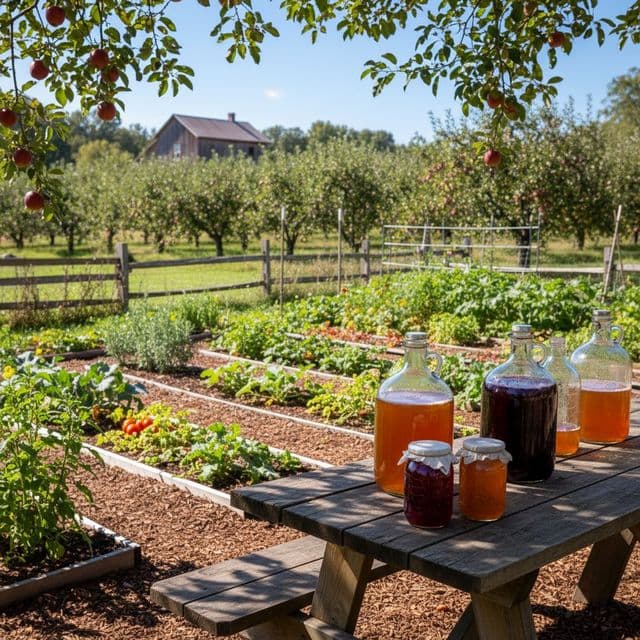
Learn to make homemade apple cider vinegar (ACV) for herbal preparations. Save 30% over store-bought, understand fermentation, and choose the best apples for potent remedies.
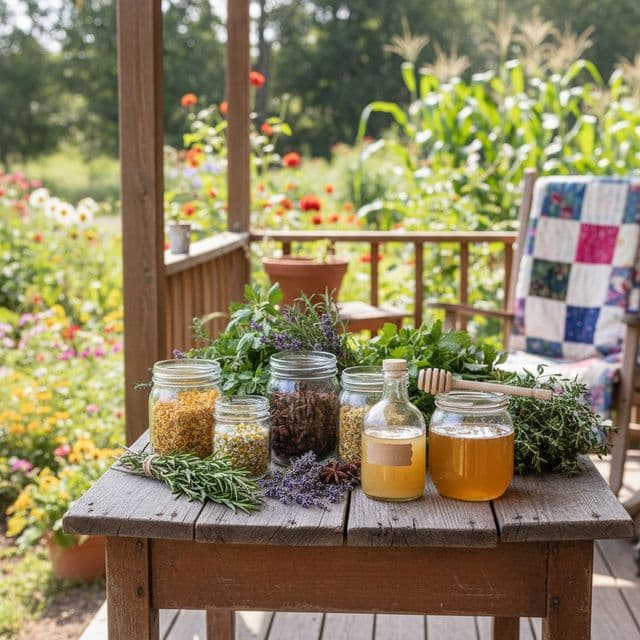
Learn oxymel formulation: discover what oxymels are, ideal vinegar-to-honey ratios, and how to use herbs from your USDA Zone 6 garden for natural remedies.
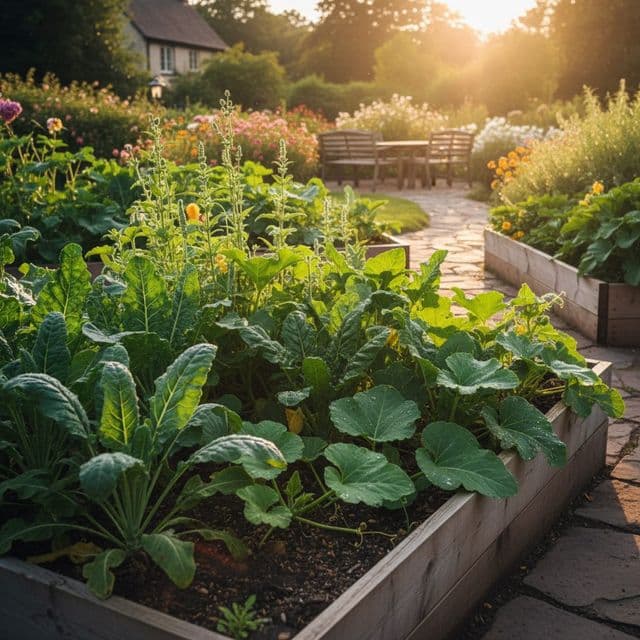
Learn to make traditional fire cider tonic at home. This guide covers ingredients, recipe, and benefits for US growers in USDA zones 3-9, using garden-grown herbs.