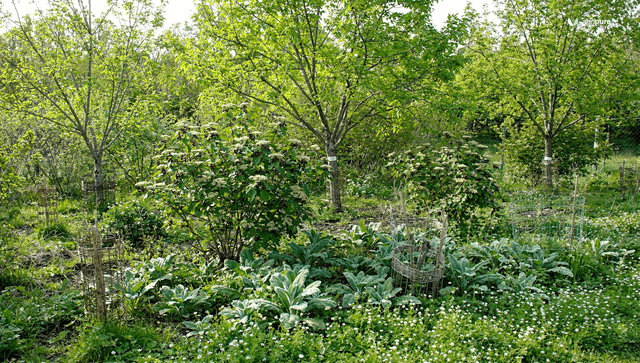
A food forest for chickens: designing perennial forage that actually feeds your flock
How to design a perennial chicken food forest in temperate North America – species, paddock rotation, toxic plants to avoid, and the honest feed-offset math.
Tag
4 articles in this tag on agripure.
How to design a perennial chicken food forest in temperate North America – species, paddock rotation, toxic plants to avoid, and the honest feed-offset math.
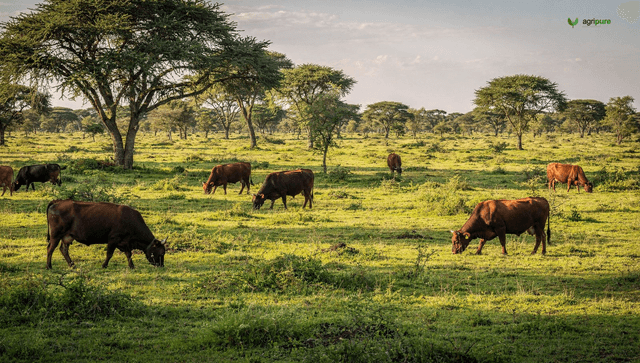
Silvopasture deliberately combines trees, forage, and grazing livestock on one acre. Here is how it works, what it yields, and how to establish it well.
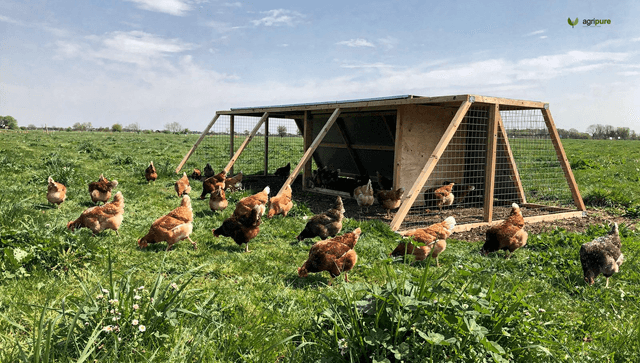
Pastured chickens are healthier and improve your land, but the system needs a plan. Here is how to use chicken tractors, rotate paddocks, and what feed really costs.
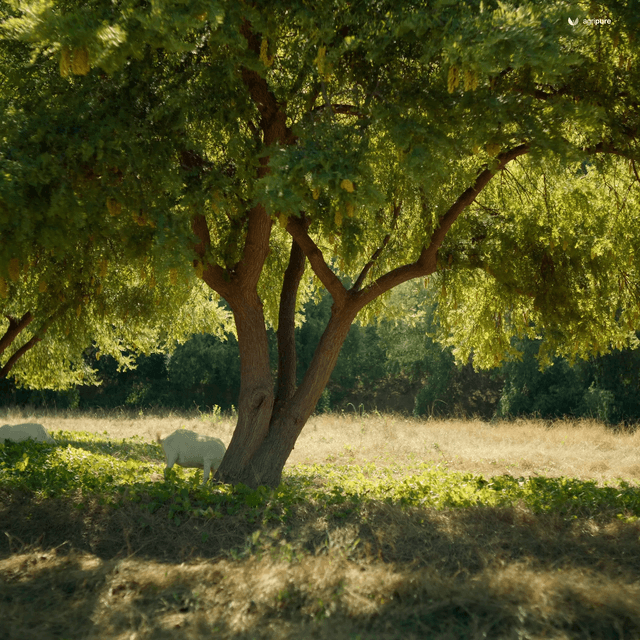
Animals belong in a mature agroforest — but on terms the trees can survive. Done well, livestock in the climax canopy close the nutrient loop: they graze the understorey you cannot sell, drop ferti…