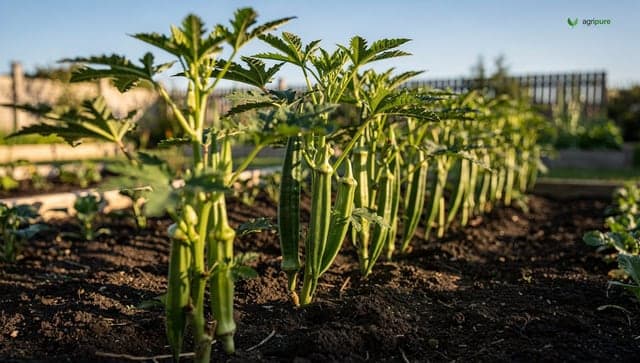
How to grow okra: warm soil, tall plants, and a pod every other day
Okra is a heat lover: soak the hard seed, wait for 65°F soil, space tall plants 9-12 inches, and pick pods every 1-2 days to keep them producing for weeks.
United States
The USDA hardiness map is the spine of agripure’s plant database: every profile carries a zone range, and the plant finder filters the whole collection by yours. The guides here are written for American homesteads and gardens, from seed-starting charts to overwintering.
Plant profiles show USDA hardiness zones directly. Start with your zone in the plant finder, then use the frost-date tool for the calendar.
In season · November
It is autumn in United States. This month on agripure:
Guides
1330 guides written for United States.
Okra is a heat lover: soak the hard seed, wait for 65°F soil, space tall plants 9-12 inches, and pick pods every 1-2 days to keep them producing for weeks.

Learn to grow chives and garlic chives year-round in USDA zones 3-9. Get tips for planting, care, and continuous harvest of these resilient, flavorful herbs for your homestead.
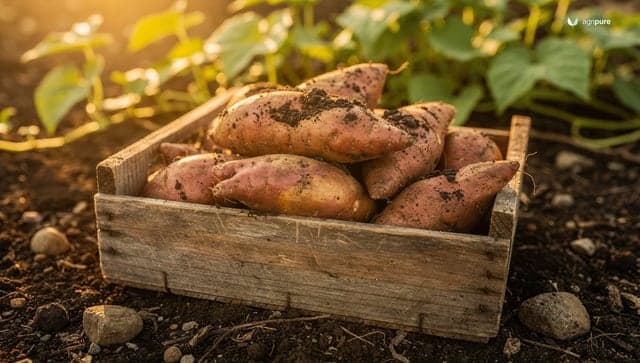
Grow sweet potatoes from homemade slips to cured harvest: variety selection, timing by zone, spacing, pest control, and the curing step that builds sweetness.
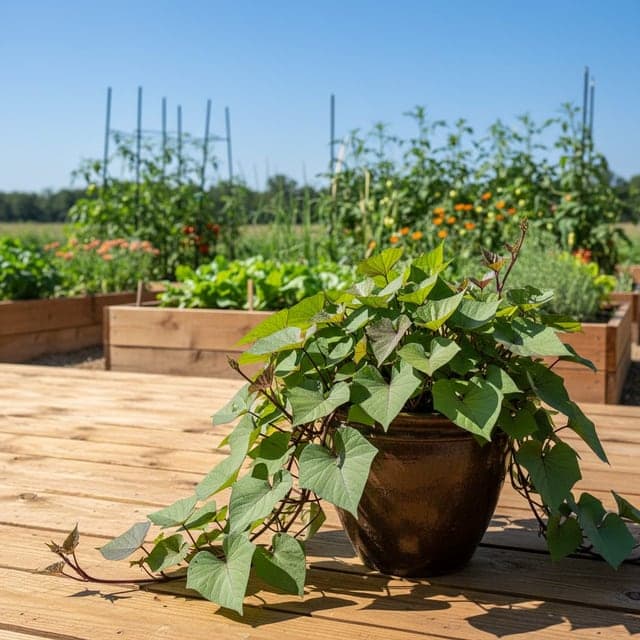
Learn to grow sweet potatoes in containers, even in short-season USDA Zones 4 & 5. Discover varieties, container sizes, and care tips for a successful harvest on your patio or balcony.
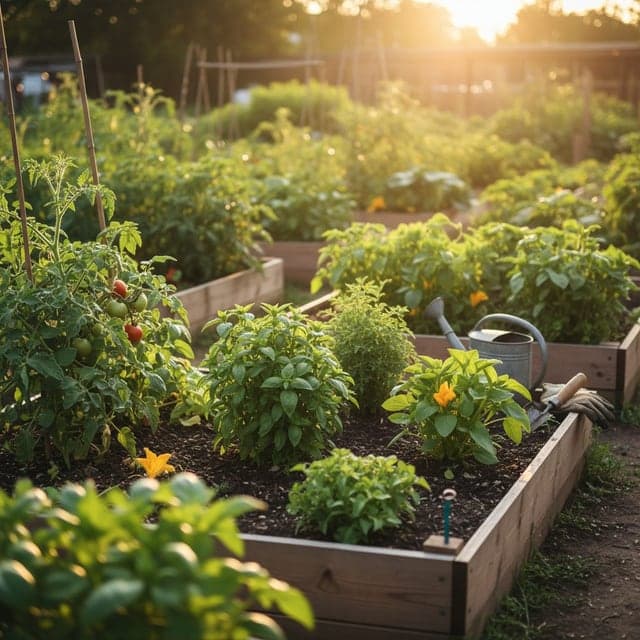
Low-light indoor plants for north-facing rooms, basements, and shaded US apartments, with watering intervals and placement guidance for dim conditions.
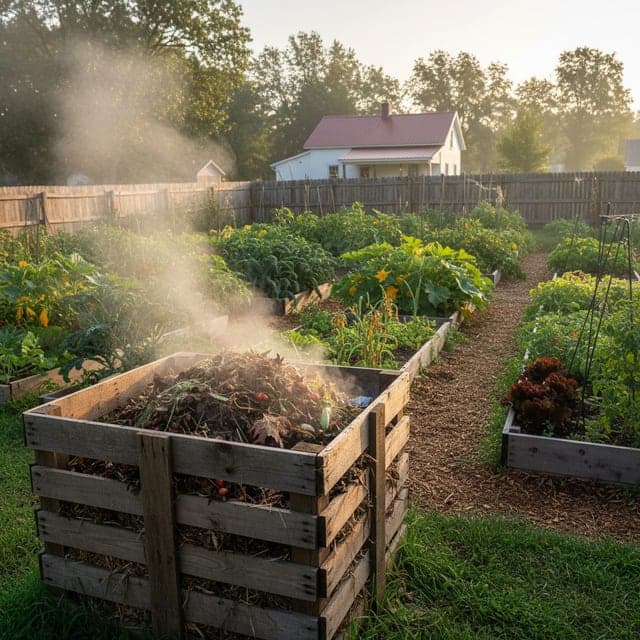
Accelerate composting by 30-50% using natural compost accelerators. Learn about ideal C:N ratios, microbial activators (EM-4), biochar, and nutrient-rich materials for faster, healthier compost.
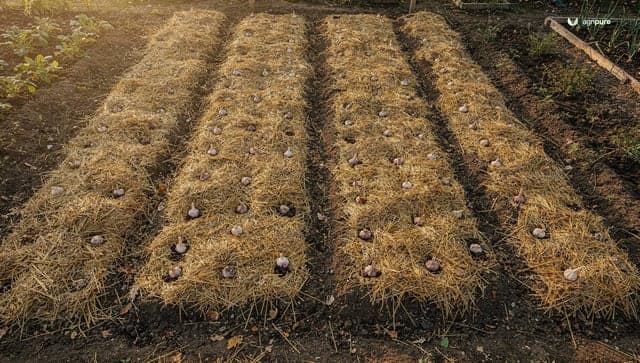
Grow garlic from clove to cured bulb: fall planting timing by zone, hardneck vs. softneck varieties, scape removal, harvest signals, and curing and storage.
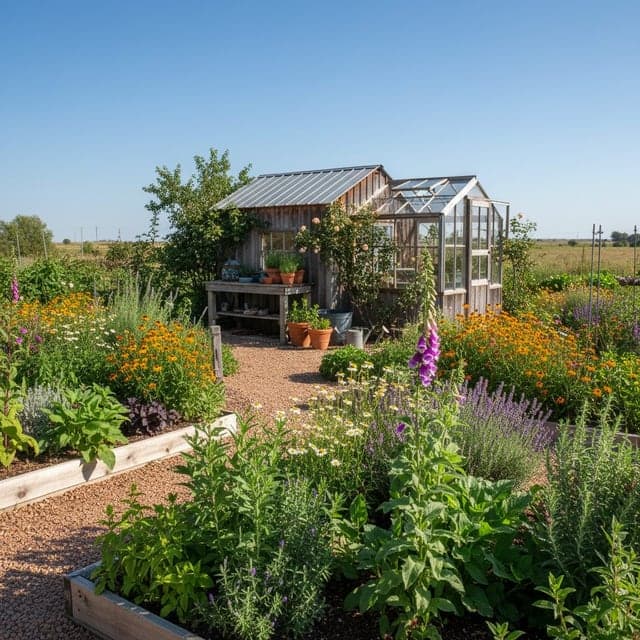
Cultivate a thriving medicinal herb garden in your backyard. Learn how to select, plant, and preserve 15+ useful species across USDA zones 4-9 for a home apothecary.

Learn how a foraging journal and seasonal map can help US households identify wild edibles, maximize harvests, and reduce grocery bills by 5-15% annually. Start your foraging journal today.
Tools
Who this is for
A note from the field, weekly