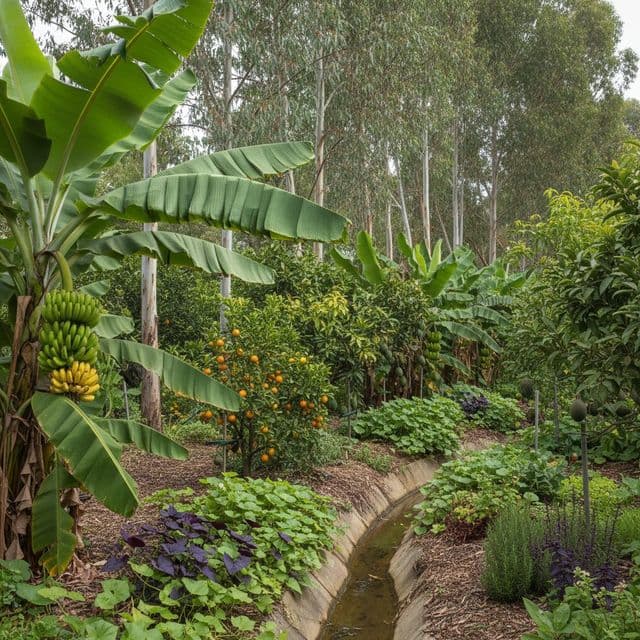
Syntropic farming vs permaculture: principles and methods
Compare syntropic farming and permaculture across design philosophy, pruning intensity, succession mechanics, spatial stratification, and land integration.
Tag
9 articles in this tag on agripure.
Compare syntropic farming and permaculture across design philosophy, pruning intensity, succession mechanics, spatial stratification, and land integration.
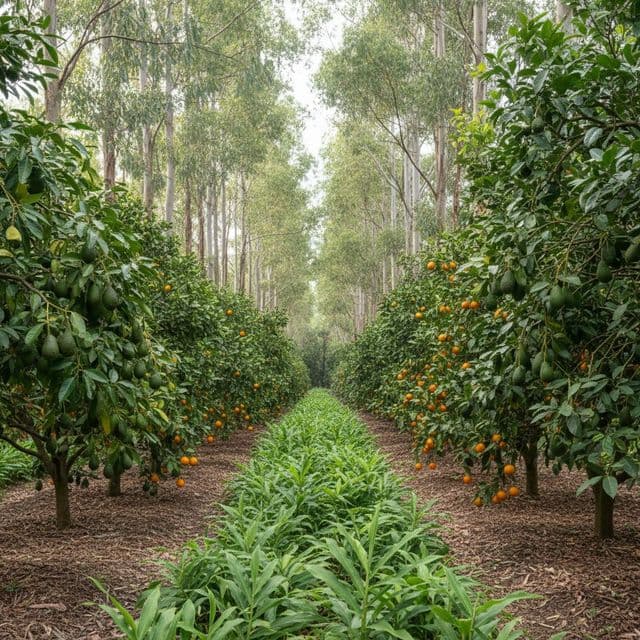
Syntropic farming layers organize crops into emergent, high, medium, and low strata to optimize photosynthesis and biomass production in dense agroforests.
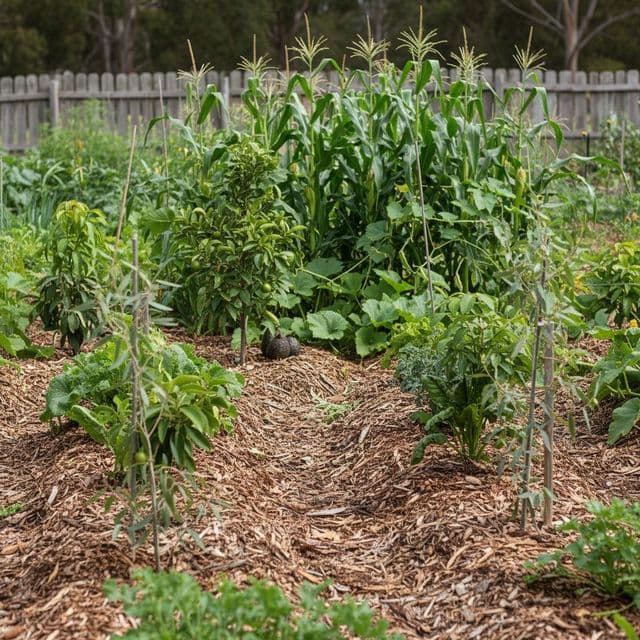
Learn how to start syntropic farming for beginners on a small scale, mastering Ernst Götsch stratification, succession planting, and chop-and-drop pruning.
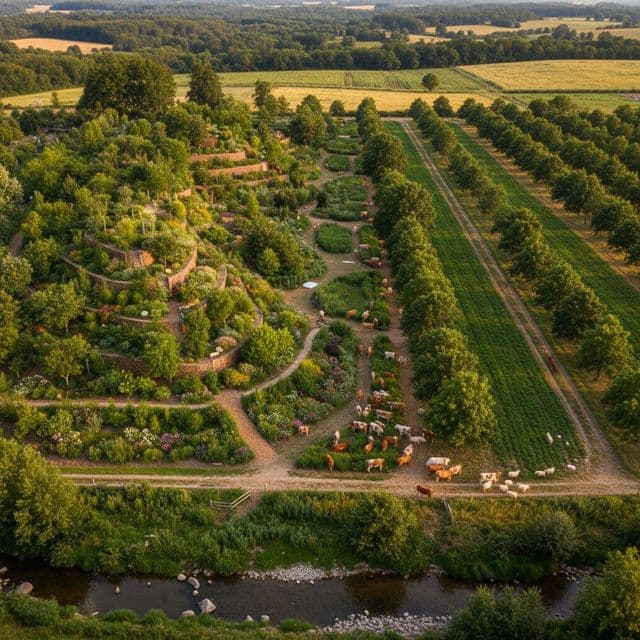
Compare permaculture and agroforestry, analyzing broad holistic design ethics against applied agricultural tree-crop science for sustainable land stewardship.
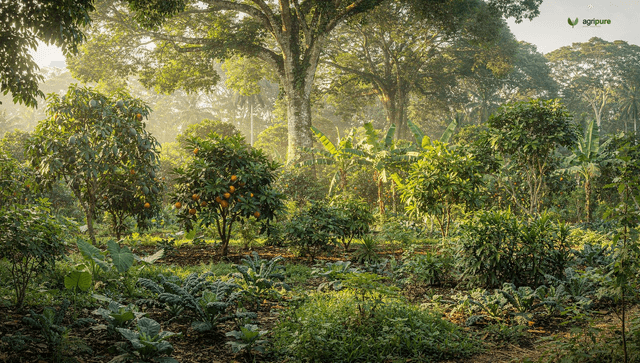
Syntropic farming, developed by Ernst Gotsch, farms with natural succession and stratification, using heavy pruning instead of fertilizer. Here is how it works.
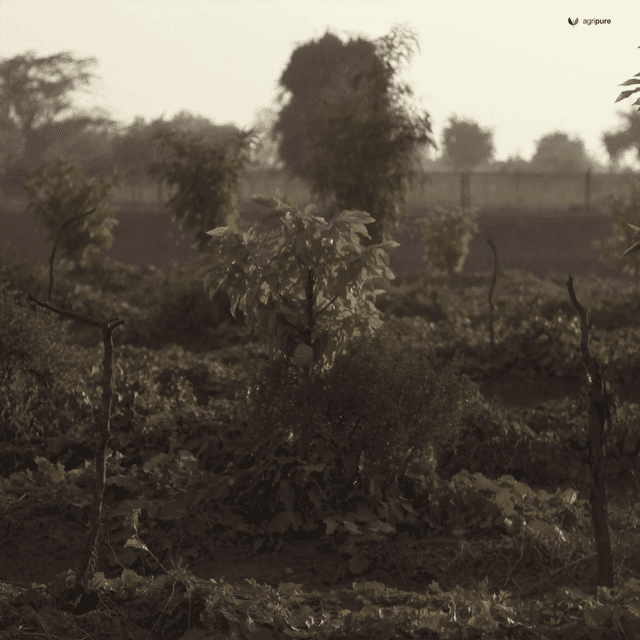
Most growers meet the custard apple as a fruit, not as a tool. In a syntropic planting, Annona squamosa (sharifa in the bazaar) earns its place for the second reason. It is a chaperone: a small, pa…

A soil-organic-carbon number arrives looking like a verdict. It is not. It is a starting line. Most Pakistani farmland tests low — commonly 0.2 to 0.6 percent organic carbon on the alluvial plains,…
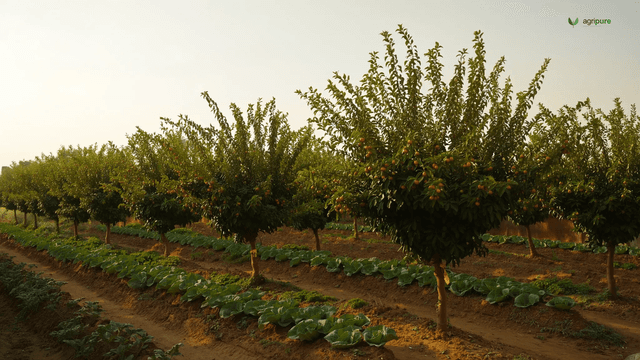
The secondary stage is where most syntropic plantings either compound or stall, and the understorey is the reason. By years two to five the pioneers have done their work, the climax trees are in bu…
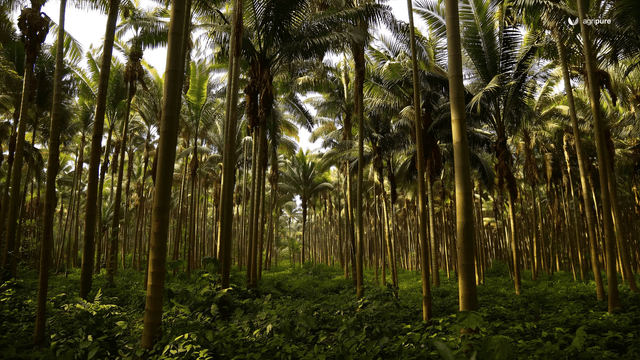
The seven-layer food forest is the most quoted idea in permaculture and the most misapplied on a small plot. Robert Hart’s original framework — seven vertical strata, from the tall canopy down to t…