Key takeaways
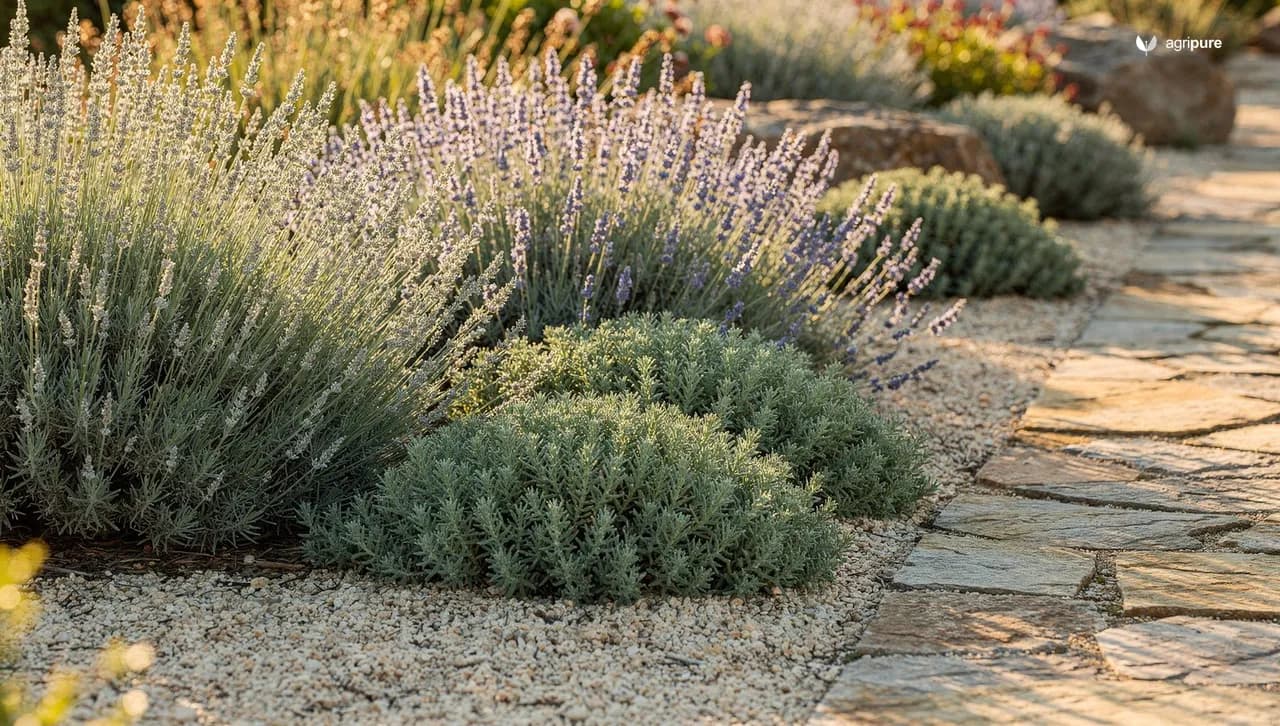
An established drought-tolerant garden bed with silver-leaved herbs, succulents, and native grasses under natural sunlight. A 2-3 inch layer of organic mulch covers the soil to conserve moisture.
Establishing a resilient, water-wise garden begins with selecting the right drought-tolerant plants and providing proper care during their initial two growing seasons. A generous layer of mulch retains moisture, helping plants develop deep root systems for long-term growth.
- A drought tolerant plant is only tolerant once established; most need 2 growing seasons of regular water first.
- Choose by USDA hardiness zone and by category (silver-leaved herbs, succulents, deep-rooted natives) instead of relying on the nursery tag alone.
- Water deeply and twice a month rather than little and often, so roots chase moisture downward.
- A 2 to 3 inch mulch layer cuts evaporation and is the cheapest drought tool you own.
- Group plants into hydrozones of equal water need so you never overwater the tough ones to keep the thirsty ones alive.
Outdoor watering is where most household water goes. The US EPA puts residential outdoor use at nearly 8 billion gallons a day nationwide, the bulk of it on landscapes. Choosing plants that thrive on rainfall once settled in is the single biggest lever a home grower has, and it starts with reading the tag honestly.
The catch hiding behind every “drought tolerant” label is that the plant earns that title over its first 1 to 2 years. Clemson Cooperative Extension is blunt about it: these plants are tolerant once established, and all plants need water while building a root system. Here is how to pick the right species for your zone, get them through that first vulnerable 12 months, and water in a way that makes them genuinely tough.
What drought tolerant actually means
A drought tolerant plant is not a no-water plant. It is a plant that, after its roots reach deep moisture, survives long dry spells without supplemental irrigation. Colorado State University Extension notes that even durable xeric woody plants need at least 2 growing seasons to establish before you can wean them off the hose. Skipping that first-year watering risks losing the plant bought for its toughness.
Three traits separate the genuinely tough from the merely advertised. Reading them off a plant in the nursery tells you more than the tag does, and most carry at least 2 of the 3.
- Silver or gray foliage: the fine hairs that give lavender and Russian sage their color reflect sunlight and slow water loss.
- Succulent or waxy leaves: sedums and aloes bank water in fleshy tissue and coat leaves in wax to seal it in.
- Deep or fibrous roots: native prairie species can root several feet down, reaching water that shallow lawn grass never touches.
The establishment rule: a “drought tolerant” tag does not mean plant-and-forget. Water through the first 1 to 2 seasons, then taper off as the roots take hold.
Close view of silver-gray drought tolerant foliage and a succulent sedum rosette growing in lean gravelly soil under bright sun.
Choose by category and USDA zone
The fastest way to a planting that survives August is to shop by category, then confirm the species suits your USDA hardiness zone (the map runs from zone 1 to 13). Clemson’s drought list names 5 reliable performers across most of the country: yarrow (Achillea), stonecrop (Sedum), Russian sage (Perovskia), lavender, and Texas sage (Salvia greggii). Pair them with herbs that shrug off heat, such as rosemary and catmint, and you have a low-water border that blooms from May into October.
One caution on yarrow: common yarrow (Achillea millefolium) spreads aggressively by rhizomes and self-seeding and is considered by many to be a weed, so choose a named garden cultivar and keep it contained. It is also toxic to dogs, cats, and horses if eaten, which is worth knowing before you plant it where pets browse.
Match the picks to your conditions
Zone tells you cold hardiness; sun and drainage tell you the rest. Most silver-leaved Mediterranean herbs want at least 6 hours of full sun and sharp drainage; they rot in wet clay faster than they fry in drought. Sort your candidates into a short list of 3 to 5 species before you buy, because a plant in the wrong soil is not drought tolerant for long.
- Full sun, lean soil: lavender, Russian sage, yarrow, and sedum form the classic xeriscape core, hardy roughly across zones 4 to 9.
- Hot and humid: Texas sage, coneflower, and ornamental grasses tolerate the muggy heat that melts true desert species.
- Light shade: catmint and many native ground covers hold up where afternoon sun is blocked but soil still dries fast.
How to water for deep roots
How you water decides whether a plant ever becomes drought tolerant. Frequent shallow sprinkles keep roots loitering near the surface, where the first dry week kills them. Clemson Extension recommends the opposite: water deeply and infrequently, applying about 1 inch per soaking and letting trees and ornamentals dry between drinks, with a good soak twice a month enough in the absence of rain once plants are settled.
During the first year, lean toward the wetter end of that range and check the soil rather than the calendar. A new shrub may want a deep soak every 5 to 7 days in summer, dropping to every 10 to 14 days by year 2 as roots reach moisture. A soil moisture meter pushed 4 to 6 inches down shows whether the root zone is actually dry or just crusted on top, determining whether a plant survives its first summer.
Deep beats often: one 1-inch soaking every 2 weeks drives roots down; daily light watering keeps them shallow and thirsty. Aim the water at the root ball, not the leaves.
A field comparison of drought tolerant plant types
Each category of low-water plant earns its place in a different spot. This table sorts the 5 main groups by how much sun and drainage they demand, their typical hardiness range across zones 3 to 11, and where they shine in the garden.
Plant type | Light need | USDA zones | Best use |
|---|---|---|---|
Silver-leaved herbs (lavender, Russian sage) | Full sun | 4 to 9 | Sunny borders, dry slopes |
Succulents (sedum, hens-and-chicks) | Full sun | 3 to 11 | Rock gardens, green roofs |
Tough perennials (yarrow, coneflower) | Full to part sun | 3 to 9 | Pollinator beds, meadows |
Ornamental grasses | Full sun | 4 to 9 | Screens, movement, mass plantings |
Regional natives | Varies by species | Local | Low-input wildlife gardens |
Across all 5 groups, full sun and good drainage matter more than zone for survival, succulents span the widest hardiness range, and regional natives need the least input once their roots are down.
Mulch, grouping, and going native
Plant choice is half the job; the other half is the design around it. Clemson Extension advises maintaining organic mulch at no more than 2 to 3 inches deep, kept off plant stems, to slow evaporation and hold soil moisture between rains. A thick layer of mulch does more to drought-proof a bed than almost any other single step.
The second design move is hydrozoning, which groups plants of equal water use into 2 or 3 zones. Clemson frames each bed as a room where every plant shares the same need, so one watering schedule serves the whole zone without drowning the tough plants to rescue the thirsty ones. Keep the high-water plants within 20 feet of the house and tap, and let the far reaches go fully xeric.
Why natives carry the load
Regional natives are the workhorses of a low-water garden, and many root 3 feet or deeper. The Lady Bird Johnson Wildflower Center notes that a plant set where it belongs needs less water, fertilizer, and pesticide because it has adapted to the area over centuries, though it warns that establishing natives still takes real work in year 1. Lean on local species and design tricks like no-dig beds and you compound every gain.
Plant in fall: setting drought tolerant plants out 6 to 8 weeks before hard frost lets roots grow through cool, moist soil, so they meet their first summer already established.
A mixed dry border of flowering yarrow, blue catmint, and ornamental grass mulched with bark on a sunny afternoon.
Conclusion
Drought tolerant gardening is less about exotic desert plants and more about matching species to your zone, getting them through 2 establishment seasons, and watering deeply enough to send roots down. Pick by category, mulch 2 to 3 inches, group by water need, and lean on natives. This trades a season of careful watering for years of a garden that mostly waters itself.
Frequently asked questions
Do drought tolerant plants need watering at all?
Yes, especially at first. Every drought tolerant plant needs regular water while it builds a root system, which can take 1 to 2 growing seasons. Only after they are established can you taper off and rely mostly on rainfall.
How often should I water drought tolerant plants?
Once established, water deeply and infrequently, applying roughly 1 inch per soaking, with a good soak about twice a month in the absence of rain. Deep, spaced watering drives roots down and builds real toughness, unlike daily sprinkles.
What are the best drought tolerant plants for full sun?
Reliable full-sun choices include lavender, Russian sage, yarrow, sedum, and Texas sage, most hardy across USDA zones 4 to 9. They share silver foliage or succulent leaves and demand sharp drainage to thrive.
How does mulch help drought tolerant plants?
A 2 to 3 inch layer of organic mulch slows evaporation, holds soil moisture between rains, and moderates soil temperature. Keep it off plant stems, and it becomes the cheapest and most effective drought tool in the garden.
What is hydrozoning in a drought tolerant garden?
Hydrozoning means grouping plants of equal water use into 2 or 3 zones so one watering schedule fits all of them. It stops you from overwatering tough plants just to keep thirstier neighbors alive.
References
- Colorado State University Extension — Xeriscaping: Trees and Shrubs
- US EPA WaterSense — Outdoors
- Clemson Cooperative Extension — Conserving Water in Your Landscape
- Clemson Cooperative Extension — Plants That Tolerate Drought
- Lady Bird Johnson Wildflower Center — A Guide to Native Plant Gardening
- Missouri Botanical Garden — Achillea millefolium (common yarrow)
- ASPCA — Yarrow (Milfoil): Toxic to Dogs, Cats, and Horses
- Ozyavuz — Xeriscape in Landscape Design (IntechOpen)