Key takeaways
- Early root rot symptoms include yellowing leaves, stunted growth, and wilting, often mimicking nutrient deficiencies or drought.
- Over-watering is the primary cause, leading to oxygen deprivation in the root zone, which can occur within 24 to 48 hours in saturated soil.
- To rescue an affected plant, unpot it, gently wash off soil, trim all dark, mushy roots, and repot in fresh, well-draining soil.
- Proper watering techniques, including using a soil moisture meter, are crucial for prevention, ensuring soil dries out between waterings to a depth of 2-3 inches.
- Amending heavy clay soils with 20-30% organic matter, like compost, can significantly improve drainage and aeration, reducing root rot risk.
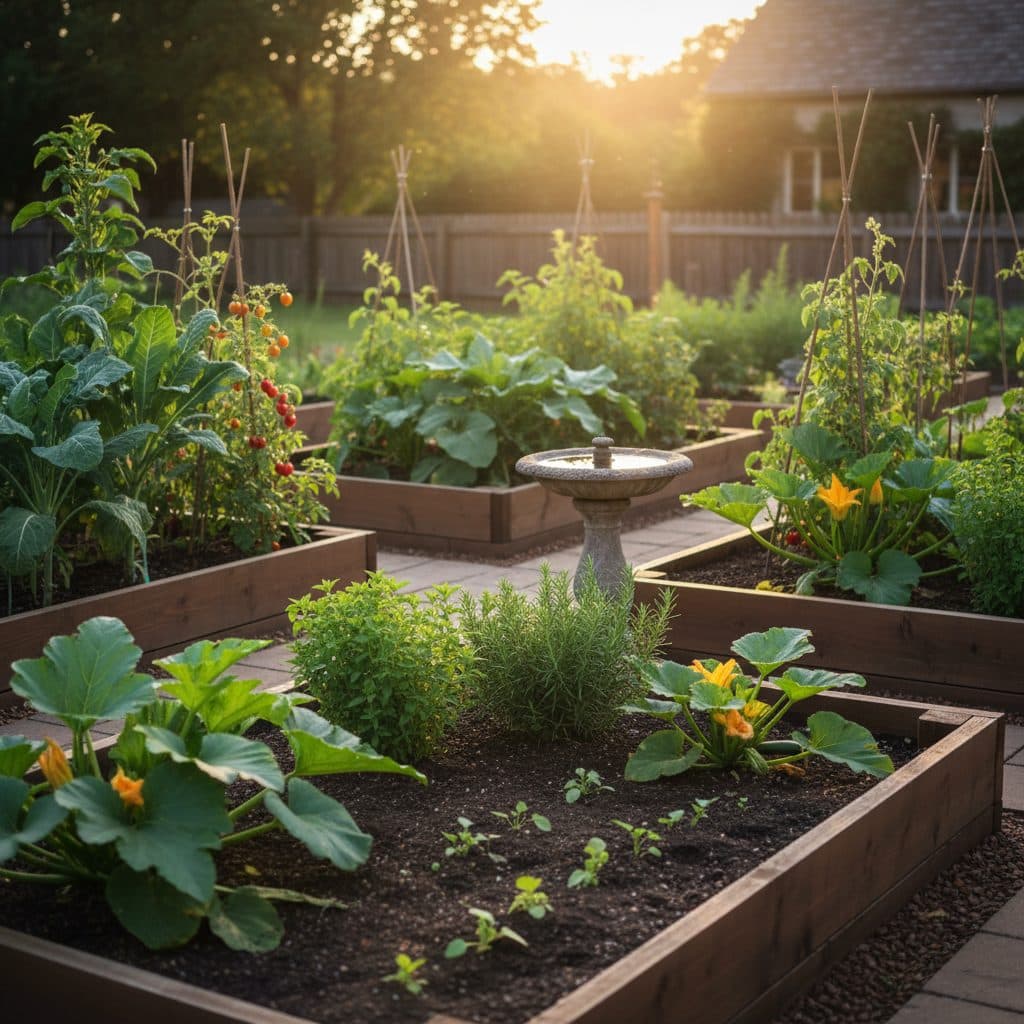
- Consider planting susceptible crops like tomatoes and cucurbits in raised beds, especially in regions with high rainfall or naturally poor drainage.
Quick answer: To save plants from root rot, unpot them, trim dark, mushy roots, and repot in fresh, well-draining soil. Prevent it by proper watering, using a soil moisture meter, and improving drainage with organic matter.
In the humid summers of the Southeast, from Florida to USDA zone 7 in North Carolina, root rot can claim up to 35% of a gardener’s tomato crop, particularly during prolonged wet spells. This fungal disease, often triggered by excessive soil moisture, chokes off a plant’s ability to absorb water and nutrients, leading to a slow decline that many growers initially mistake for drought stress or nutrient deficiency. Understanding that excess water causes the problem is the first step in saving affected plants.
Whether you’re growing tomatoes, cucumbers, or squash in a backyard plot or a reflective indoor grow tent, recognizing the early signs of root rot and knowing how to intervene can mean the difference between a bountiful harvest and a disheartening loss. Identifying symptoms early and diagnosing the problem accurately allows practical rescue strategies to save 50% or more of affected plants.
Understanding root rot: symptoms and causes
Root rot is a condition where plant roots begin to decay due to a lack of oxygen in the soil, most commonly caused by over-watering or poor drainage. When soil remains saturated for more than 24 to 48 hours, beneficial aerobic microorganisms die off, and anaerobic pathogens, primarily fungi like Pythium and Phytophthora, thrive. These pathogens attack the weakened roots, turning them into a dark, mushy mess that cannot transport water or nutrients to the rest of the plant. In the Midwest, for example, heavy spring rains can quickly lead to waterlogged conditions, affecting 20% of field crops in low-lying areas.
The initial symptoms of root rot often mimic other plant problems, making early diagnosis challenging. You might observe tomato leaves turning yellow, starting from the lower foliage and progressing upwards, similar to a nitrogen deficiency. Cucurbits, such as squash and cucumbers, may show general wilting even when the soil surface appears moist. This wilting occurs because the damaged roots are unable to absorb sufficient water, despite its presence. Stunted growth, with plants failing to reach their expected size by 30% or more, is another common indicator, especially noticeable in young plants within 2-3 weeks of planting.
Early visual indicators
Beyond leaf discoloration and wilting, other visual cues can signal root rot. You might notice the plant’s overall vigor declining, with fewer new shoots or flowers appearing. If the plant is fruiting, like a pepper plant in USDA zone 8, the fruits may be smaller than average, or drop prematurely, reducing yield by 15-20%. The soil itself may remain visibly wet for extended periods, sometimes developing a stagnant or foul odor, indicating anaerobic conditions. Inspecting the stem at the soil line for discoloration or softening can also provide valuable clues, as root rot can sometimes extend upwards into the crown of the plant, affecting the first 1-2 inches of stem tissue.
- Yellowing or browning leaves, often starting from the bottom.
- Stunted plant growth, with plants 25% smaller than healthy counterparts.
- Wilting foliage, even when soil is visibly moist.
- Soft or mushy stem base near the soil line.
- Lack of new growth or flower development, reducing yield by 10-20%.
Diagnosing over-watering and root rot
Accurately diagnosing over-watering and root rot requires a combination of visual inspection and hands-on investigation. First, assess the soil moisture. Stick your finger 2-3 inches deep into the soil. If it feels wet and cold instead of damp, over-watering is likely. A soil moisture meter can provide a more precise reading, indicating moisture levels from 1 to 10. For most plants, you want the soil to dry down to a 3 or 4 before watering again. In a container garden in Arizona, for instance, daily checks might be needed, while in a temperate USDA zone 6, every 3-5 days could be sufficient.
The most definitive diagnosis comes from examining the roots themselves. Carefully remove the plant from its pot or gently dig around the root ball in the garden. Healthy roots are typically white or tan, firm, and have a fresh, earthy smell, as observed in studies on lentil species under well-watered conditions [\0]. Roots affected by rot, however, will appear dark brown or black, feel soft and mushy, and often emit a foul, sulfur-like odor, sometimes described as rotten eggs. This distinct smell is a clear indicator of anaerobic decomposition. You might also notice a significant reduction in total root length compared to healthy plants, sometimes by 50% or more [\2].
What healthy roots look like
When you gently shake off some soil, healthy roots should be numerous, spread throughout the root ball, and have fine root hairs. These fine hairs are crucial for water and nutrient absorption, contributing to 90% of a plant’s water uptake. In contrast, rotted roots will be sparse, easily break off, and lack these delicate structures. For plants like ginseng, rusty root symptoms, which are another form of root distress, can also lead to reduced root function and plant vitality [\4]. Observing the root system directly can save a plant from misdiagnosis and inappropriate treatment, preventing further decline over 1-2 weeks.
- Check soil moisture 2-3 inches deep; it should not be soggy.
- Use a soil moisture meter for accurate readings, aiming for 3-4 before watering.
- Gently unpot the plant to inspect roots directly.
- Look for dark brown, black, or mushy roots, which indicate decay.
- Smell the roots and soil for a foul, sulfurous odor, a key sign of anaerobic conditions.
Rescuing an over-watered plant
If you’ve diagnosed root rot, immediate action is necessary to save your plant. First, carefully remove the plant from its pot. If it’s a garden plant, gently dig it up, preserving as much of the root ball as possible. Shake off as much of the old, potentially contaminated soil as you can. For potted plants, you might need to gently wash the roots under a slow stream of lukewarm tap water to completely remove the old soil, which can harbor pathogens. This process should take 5-10 minutes to ensure thorough cleaning without further damaging fragile roots.
Next, it’s time for root pruning. Using a clean, sterilized pair of scissors or pruners (sterilize with 70% rubbing alcohol between cuts), carefully trim away all affected roots. These will be dark, mushy, and easily break apart. Cut back to healthy, firm, white root tissue. You might need to remove up to one-third or even one-half of the entire root system, depending on the severity of the rot. Don’t be afraid to be aggressive; removing diseased tissue is critical for the plant’s survival. After pruning, some growers opt to dip the remaining healthy roots in a solution of 1 part 3% hydrogen peroxide to 9 parts water for 5 minutes to kill lingering pathogens, particularly useful for houseplants in humid environments like Florida.
Repotting for recovery
Repot the plant immediately into fresh, well-draining potting mix. Do not reuse the old soil, as it likely contains pathogens and has poor drainage properties. Choose a pot that is only slightly larger than the remaining root ball, ensuring it has ample drainage holes: at least three to five 0.5-inch holes are ideal for a 10-inch pot. Consider adding a layer of coarse perlite or small gravel at the bottom of the pot, about 1 inch deep, to further promote drainage. After repotting, water sparingly, just enough to settle the soil. Avoid fertilizing for at least 2-3 weeks to allow the plant to recover from the stress. A light application of Fermented Soybean Meal Organic Fertilizer can be introduced once new growth appears, providing a gentle nutrient boost with a 7-2-1 NPK ratio.
- Remove plant from pot or soil, gently washing roots to expose them fully.
- Sterilize pruning shears with 70% rubbing alcohol.
- Trim all dark, mushy, or foul-smelling roots back to firm, white tissue.
- Consider a 5-minute dip in a 1:9 hydrogen peroxide to water solution for roots.
- Repot into fresh, well-draining potting mix in a clean pot with adequate drainage holes.
Preventing root rot: best practices
Prevention is always the best strategy for avoiding root rot. The cornerstone of prevention lies in proper watering. Instead of watering on a fixed schedule, water only when the top 2-3 inches of soil feel dry. Use a soil moisture meter to guide your decisions, aiming for a reading of 3-4 before re-watering. When you do water, do so thoroughly until water drains from the bottom of the pot, ensuring the entire root ball is moistened. For garden beds in USDA zone 5, deep watering once or twice a week is often more effective than shallow daily watering, encouraging deeper root growth, which can extend 6-12 inches into the soil [\0].
Soil composition plays a critical role in drainage. For potted plants, use a high-quality potting mix specifically formulated for good drainage, often containing perlite, vermiculite, or coarse sand. For garden beds, especially those with heavy clay soils common in parts of the Midwest, amend the soil generously with organic matter. Incorporating 20-30% compost, aged manure, or coco coir can dramatically improve soil structure, increasing aeration and drainage by up to 25% [\5]. This creates a healthier environment for roots, where oxygen levels in the soil are maintained, supporting robust root growth and reducing the likelihood of root rot pathogens taking hold.
Strategic planting and maintenance
Consider planting susceptible crops like tomatoes, peppers, and cucurbits in raised beds, particularly in areas prone to waterlogging. Raised beds, typically 8-12 inches high, naturally improve drainage and allow for better control over soil composition. For container plants, ensure pots are appropriately sized; a plant in a pot that is too large will hold excessive moisture for too long, increasing risk by 15-20%. Ensure all containers have adequate drainage holes; adding a few extra 0.25-inch holes can sometimes make a difference. Good air circulation around plants, achieved through proper spacing, also helps dry out the soil surface and foliage, reducing fungal pressure. For example, spacing tomato plants 2-3 feet apart in a garden bed in California ensures sufficient airflow, reducing humidity around the plant by up to 10%.
- Water only when the top 2-3 inches of soil are dry, using a soil moisture meter for accuracy.
- Ensure thorough watering until drainage occurs, but avoid leaving pots in standing water.
- Amend heavy garden soils with 20-30% organic matter like compost to improve drainage.
- Plant susceptible crops in raised beds, especially in areas with poor natural drainage.
- Choose appropriately sized pots with ample drainage holes to prevent water retention.
Healthy roots vs. root rot
Characteristic | Healthy roots | Root rot |
|---|---|---|
Color | White, tan, or light brown | Dark brown, black, or gray |
Texture | Firm, crisp, flexible | Soft, mushy, slimy |
Smell | Fresh, earthy | Foul, sulfurous, rotten |
Appearance | Abundant fine root hairs, branched | Sparse, decaying, lacking fine hairs |
Functionality | Efficient water and nutrient uptake | Impaired or no water/nutrient uptake |
Oxygen Deprivation: Roots can begin to decay within 24-48 hours of being waterlogged, leading to a 30% reduction in oxygen availability.
Soil Amendment Impact: Adding 20-30% organic matter to heavy clay soils can improve drainage by up to 25% and increase aeration by 15%.
Frequently asked questions
What does root rot smell like?
Root rot often produces a foul, stagnant, or sulfur-like odor, sometimes described as smelling like rotten eggs. This smell is a key indicator of anaerobic conditions and bacterial decomposition, which can develop within 24-48 hours of soil saturation.
Can root rot spread to other plants?
Yes, root rot pathogens can spread through contaminated soil, water, and gardening tools. It’s crucial to sterilize tools after working with an infected plant (e.g., with 70% rubbing alcohol) and avoid reusing contaminated soil to prevent spread to other plants within a 10-foot radius.
How long does it take for a plant to recover from root rot?
Recovery time varies significantly depending on the severity of the rot and the plant species, but it typically takes several weeks to a few months. You might see initial signs of new growth within 2-4 weeks after successful treatment and repotting.
What soil amendments help prevent root rot?
To prevent root rot, amend heavy soils with materials that improve drainage and aeration, such as perlite, coarse sand, or compost. Incorporating 20-30% organic matter by volume can significantly enhance soil structure and reduce waterlogging risk.
Are some plants more susceptible to root rot?
Yes, certain plants are more prone to root rot due to their root structure or water requirements. Common garden plants like tomatoes, cucurbits (cucumbers, squash), and many houseplants have a 25% higher susceptibility, especially in poorly draining soils.
Can I reuse soil from a root-rotted plant?
It is generally not recommended to reuse soil from a plant affected by root rot due to the presence of pathogens. If you must reuse it, sterilize the soil by baking it in an oven at 180°F (82°C) for at least 30 minutes to kill harmful fungi and bacteria.
References
- Root Traits, Nodulation and Root Distribution in Soil for Five Wild Lentil Species and Lens culinaris (Medik.) Grown under Well-Watered Conditions (2017). Root Traits, Nodulation and Root Distribution in Soil for Five Wild Lentil Species and Lens culinaris (Medik.) Grown under Well-Watered Conditions.
- Variation in total root length and root diameter of wild and cultivated lentil grown under drought and re-watered conditions (2018). Variation in total root length and root diameter of wild and cultivated lentil grown under drought and re-watered conditions.
- Supplemental Information 14: Differences of leaf area and root length in Arabidopsis under well-watered and waterlogged conditions. (2023). Supplemental Information 14: Differences of leaf area and root length in Arabidopsis under well-watered and waterlogged conditions..
- Apoplastic Hydrogen Peroxide in the Growth Zone of the Maize Primary Root. Increased Levels Differentially Modulate Root Elongation Under Well-Watered and Water (2020). Apoplastic Hydrogen Peroxide in the Growth Zone of the Maize Primary Root. Increased Levels Differentially Modulate Root Elongation Under Well-Watered and Water.
- Biochemistry of ginseng root tissues affected by rusty root symptoms (2005). Biochemistry of ginseng root tissues affected by rusty root symptoms.
- USDA Natural Resources Conservation Service (2024). USDA Natural Resources Conservation Service.